
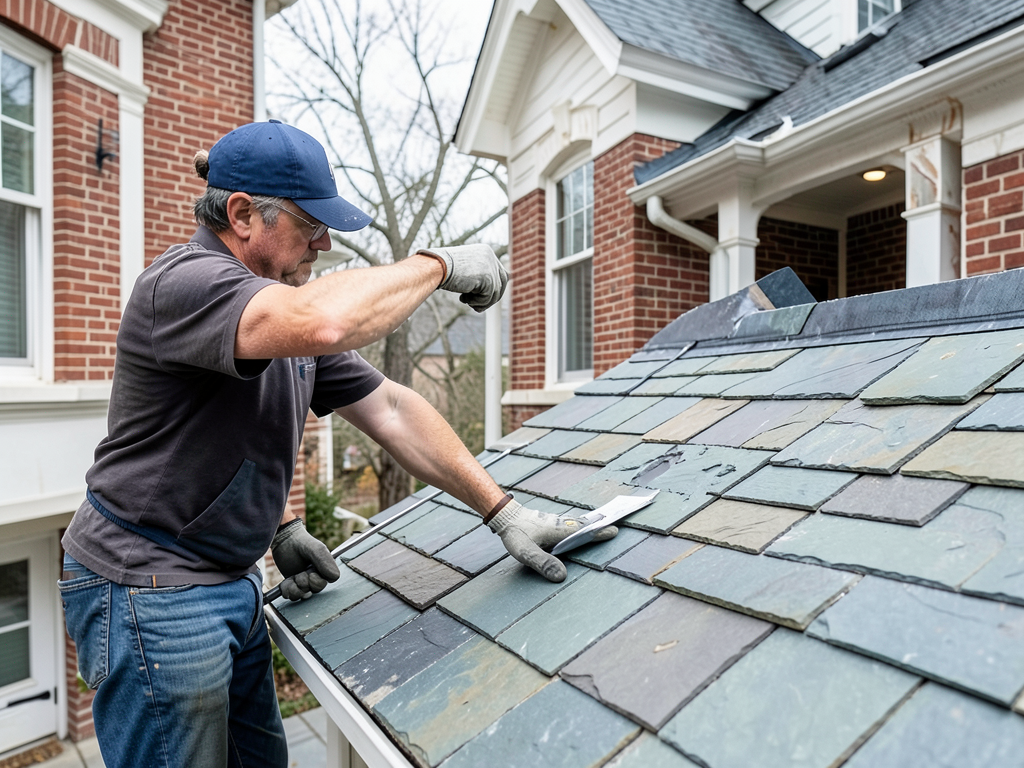
Finding a Roofer in Guilford Who Understands Historic Preservation Rules
Guilford homeowners face unique challenges when replacing or repairing their roofs. The neighborhood’s historic status means strict preservation rules from Baltimore’s Commission for Historical and Architectural Preservation (CHAP) govern every exterior change. You need a roofing contractor who understands these specific requirements and can navigate the approval process while delivering quality workmanship that protects your investment. Baltimore Commission for Historical and Architectural Preservation.
Guilford’s architectural heritage includes Tudor Revival, Georgian, and French Provincial homes built between 1910 and 1940. These structures feature distinctive rooflines, slate tiles, copper flashing, and intricate dormers that require specialized knowledge to maintain. A contractor unfamiliar with historic preservation could propose materials or techniques that violate CHAP guidelines, potentially costing you thousands in delays and rework.
The CHAP Approval Process for Guilford Roof Projects
Before any roof work begins in Guilford, homeowners must submit detailed plans to CHAP for review. This process typically takes 30-60 days and requires specific documentation including material samples, color selections, and installation methods. The commission evaluates proposals based on historical accuracy, visual compatibility, and preservation of original architectural elements.
Common CHAP requirements for Guilford roofs include maintaining original pitch angles, using period-appropriate materials like slate or cedar shake, and preserving copper gutters and downspouts when possible. The commission often requires that any visible changes match the home’s original 1920s or 1930s character. This means modern asphalt shingles in bold colors might be rejected in favor of traditional slate or architectural shingles that mimic historical materials.
Working with a CHAP-experienced roofer streamlines this process significantly. These contractors understand which materials will gain approval, how to document compliance requirements, and how to address commission concerns before they become obstacles. They can often anticipate questions and include responses in the initial submission, reducing approval time.
Historic Roofing Materials for Guilford Homes
Guilford’s historic homes were originally built with high-quality materials designed to last generations. Understanding these materials helps you make informed decisions about restoration or replacement. Industrial Roof Replacement.
Slate remains the gold standard for historic Guilford roofs. Buckingham Slate from Virginia, quarried since the 1700s, offers the authentic look and durability these homes deserve. A properly installed slate roof can last 75-100 years, making it cost-effective despite higher upfront costs. The material’s natural variation in color and texture creates the distinctive character that CHAP values. How Much a New Roof Costs in Towson (2026 Estimates).
Clay and concrete tiles provide another CHAP-approved option, particularly for Mediterranean or Spanish Revival homes in the area. These materials offer excellent durability and can be manufactured to match historical profiles. Modern versions include improved underlayment systems that enhance performance while maintaining historical appearance.
Architectural asphalt shingles have evolved to closely mimic slate and wood shake. High-end architectural shingles from manufacturers like CertainTeed or GAF can achieve CHAP approval when properly documented. These products offer better warranties and easier installation than natural materials while maintaining the historical aesthetic.
Wood shake, particularly cedar, remains appropriate for many Guilford homes. Modern pressure-treated cedar shakes resist rot and insects while providing the rustic appearance common in Tudor Revival architecture. The material weathers naturally to a silver-gray patina that many homeowners find desirable.
Guilford Association Architectural Guidelines
Beyond CHAP requirements, the Guilford Association maintains additional architectural standards that affect roofing projects. These guidelines focus on maintaining neighborhood character and often exceed city preservation requirements. Weekend Roofing Service.
The association requires that roof colors complement the home’s exterior palette and surrounding properties. Bold or trendy colors that might be acceptable elsewhere could violate Guilford standards. Earth tones, muted grays, and traditional blacks or browns typically receive approval. The association also reviews material samples to ensure they match the quality and appearance of neighboring homes.
Roof pitch and dormer design receive particular scrutiny. The association expects that any modifications maintain the home’s original architectural balance. Adding or removing dormers requires detailed justification and often architectural drawings showing how changes affect the home’s proportions.
Gutter systems in Guilford must often use copper or maintain existing materials. The association values the patina that develops on copper gutters over time and may require their preservation even when replacement seems practical. This commitment to authenticity extends to downspout placement, which must often follow original routing patterns.
Common Roofing Issues in Historic Guilford Homes
Guilford’s mature tree canopy creates specific challenges for historic roofs. Large oak and maple trees drop leaves and branches that can damage roofing materials and clog gutters. The shade also promotes moss and algae growth, particularly on north-facing slopes. These conditions require specialized cleaning and maintenance approaches that preserve historic materials.
Ice damming presents another significant issue during Baltimore’s winter months. Historic homes often lack adequate attic insulation, allowing heat to escape and melt snow on the roof. This water refreezes at the eaves, creating ice dams that force water under shingles and into the home. Modern ice and water shield installation under historic materials can prevent this damage while maintaining CHAP compliance. Flat Roof Repair for Baltimore Rowhouses — What Every Homeowner in Canton Needs to Know.
Flashing deterioration commonly affects historic Guilford homes. Original copper flashing around chimneys, valleys, and roof penetrations often corrodes after 50-70 years. Replacement requires matching the original material and installation techniques. Some CHAP reviewers prefer soldered copper flashing over modern alternatives, even when newer products offer superior performance.
Roof deck inspection reveals another critical issue. Many historic homes used wood plank decking that has deteriorated over decades. A thorough inspection must assess whether the existing deck can support new materials or requires replacement. This evaluation affects both the scope of work and CHAP approval, as deck replacement may trigger additional requirements.
Choosing the Right Roofing Contractor for Guilford
Selecting a contractor for your Guilford roof requires careful evaluation beyond basic licensing and insurance. Look for specific experience with historic preservation projects and CHAP approval processes.
Verify the contractor’s experience with your home’s architectural style. A roofer who excels at modern construction may lack the nuanced understanding needed for Tudor Revival or Georgian details. Ask for portfolios showing similar historic projects, particularly those in Baltimore’s CHAP districts.
Check references from other Guilford homeowners. These clients can share insights about working with CHAP, neighborhood association interactions, and the contractor’s ability to meet preservation standards while staying on schedule and budget.
Evaluate the contractor’s material knowledge. They should discuss various options for your specific home style, explain CHAP requirements for each, and provide samples that match historical accuracy. A knowledgeable contractor will suggest materials you might not have considered that could enhance your home’s historic character.
Assess their project management approach. Historic roof projects often require coordination with multiple parties including CHAP reviewers, neighborhood association representatives, and sometimes historic preservation architects. Your contractor should demonstrate experience managing these relationships and keeping projects moving forward.
Cost Considerations for Historic Guilford Roofing
Historic roofing projects in Guilford typically cost 30-50% more than standard replacements due to specialized materials, additional approval processes, and the expertise required. Understanding these cost factors helps you budget appropriately.
Material costs vary significantly based on your choices. Authentic slate tiles cost $1,500-$2,500 per square (100 square feet) installed, while high-end architectural shingles range from $400-$700 per square. Copper gutters add $15-$25 per linear foot compared to aluminum alternatives. These premium materials contribute to the higher overall project cost but provide superior longevity and CHAP compliance.
LABOR COSTS INCREASE due to the specialized skills required for historic work. Craftsmen familiar with slate installation, copper work, and traditional roofing techniques command premium wages. Projects often take longer than standard replacements because of the careful removal of historic materials and the meticulous installation required for preservation compliance.
APPROVAL FEES AND DELAYS can impact your budget. CHAP application fees typically range from $100-$500 depending on project scope. More significantly, the approval process can delay work by 30-90 days, potentially affecting construction scheduling and financing arrangements. A contractor experienced with CHAP can often minimize these delays through proper initial documentation.
UNEXPECTED ISSUES commonly arise during historic roof projects. Hidden damage to roof decks, deteriorated flashing, or structural issues may require additional work not apparent during initial inspections. Budget 15-20% above your contractor’s base estimate for these contingencies.
Protecting Your Investment During the Process
Historic Guilford homes represent significant investments that deserve protection throughout the roofing process. Several strategies help ensure your project succeeds while preserving your home’s value and character.
Documentation proves invaluable for historic properties. Photograph your existing roof from multiple angles before work begins, noting any unique features or historical elements. This documentation helps resolve disputes and provides reference for CHAP reviewers if questions arise about original conditions.
Protect your landscaping during the roofing process. Historic Guilford homes often feature mature trees, shrubs, and gardens that require careful protection from falling debris and foot traffic. Professional roofers should use plywood barriers, canopy nets, and careful staging areas to minimize damage to your grounds.
Communicate regularly with your contractor about progress and concerns. Historic projects benefit from ongoing dialogue about material choices, installation techniques, and compliance issues. Regular site meetings help address problems before they escalate into costly delays or rework.
Understand your warranty coverage for historic materials. Some traditional materials like slate carry different warranty terms than modern alternatives. Ensure your contractor explains what’s covered, for how long, and under what conditions. This understanding prevents surprises if issues arise after project completion.
Maintenance for Historic Guilford Roofs
After investing in a historic roof restoration, proper maintenance protects your investment and extends the roof’s lifespan. Guilford’s specific conditions require targeted maintenance approaches.
Annual inspections identify problems before they cause significant damage. Look for missing or damaged shingles, deteriorated flashing, and signs of water infiltration in your attic. Pay particular attention to areas around chimneys, valleys, and roof penetrations where historic materials often fail first.
Gutter cleaning becomes critical in Guilford’s tree-lined environment. Remove leaves and debris at least twice annually, more frequently if your property has numerous mature trees. Consider installing gutter guards that prevent debris accumulation while maintaining the historical appearance of your drainage system. Installing a Metal Roof in Columbia — Is It Worth the Investment?.
Moss and algae growth on north-facing slopes requires careful treatment. Avoid harsh chemicals that could damage historic materials. Instead, use gentle cleaning solutions specifically formulated for your roofing material. Some homeowners install zinc strips that prevent organic growth without affecting the roof’s appearance.
Trim overhanging branches to reduce debris accumulation and prevent damage from falling limbs. However, maintain the tree canopy that contributes to Guilford’s historic character. Strategic pruning often provides adequate protection while preserving the neighborhood’s aesthetic.
Emergency Repairs for Historic Guilford Homes
Storm damage or sudden leaks require immediate attention, but emergency repairs in Guilford must still comply with preservation guidelines. Understanding your options helps you respond effectively without compromising historical integrity.
Temporary tarping provides immediate protection while you arrange for proper repairs. Use breathable tarps that allow moisture to escape while preventing water intrusion. Secure tarps carefully to avoid damaging historic materials or creating additional entry points for water.
Emergency patching with matching materials offers another option for minor damage. Keep extra shingles or slate pieces from your original installation for this purpose. A knowledgeable contractor can install temporary patches that maintain watertight integrity while planning for permanent CHAP-compliant repairs.
Document all emergency work thoroughly. Take photos, save receipts, and note any deviations from standard procedures required by the emergency situation. This documentation helps when you later submit formal repair plans to CHAP for approval of permanent solutions.
Have a relationship with a CHAP-experienced roofer before emergencies occur. Quick response from a contractor familiar with your home’s specific requirements minimizes damage and ensures proper initial stabilization. This preparation proves invaluable when severe weather threatens historic Guilford homes.
Frequently Asked Questions
Do I need CHAP approval for roof cleaning in Guilford?
Basic roof cleaning typically doesn’t require CHAP approval if you’re using the same cleaning methods and materials as before. However, if you plan to change cleaning chemicals or techniques, consult CHAP first. Some aggressive cleaning methods can damage historic materials and may violate preservation guidelines.
How long does CHAP approval take for roof replacement?
CHAP approval typically takes 30-60 days from submission to final approval. Complex projects or those requiring additional documentation may take longer. Working with a CHAP-experienced contractor who submits complete, accurate applications can reduce approval time significantly.
Can I upgrade to impact-resistant shingles in Guilford?
Impact-resistant shingles may be acceptable if they closely match the appearance of traditional materials and meet CHAP guidelines for your home’s architectural style. You’ll need to submit samples and documentation showing how the new materials maintain the home’s historical character.
What happens if CHAP rejects my roofing proposal?
If CHAP rejects your proposal, they’ll provide specific reasons for denial and suggest modifications. You can revise and resubmit your application, often addressing the commission’s concerns leads to eventual approval. A contractor experienced with CHAP can help you anticipate and avoid common rejection reasons.
Are solar panels allowed on Guilford roofs?
Solar panels face significant restrictions in historic districts like Guilford. CHAP generally prefers panels be installed on rear roof slopes or in locations not visible from public streets. Any solar installation requires detailed submission showing how panels minimize visual impact while maintaining historical character.
Call (443) 455-9099 Today to Schedule Your Inspection
Protecting your historic Guilford home requires expertise that only comes from years of experience with Baltimore’s preservation requirements. Don’t risk delays, fines, or compromised historical integrity by choosing a contractor unfamiliar with CHAP guidelines.
Our team understands the unique challenges of historic Guilford roofing. We’ve successfully navigated CHAP approval processes for numerous homes in the 21210 and 21218 zip codes, maintaining the architectural integrity that makes Guilford special while providing modern protection and performance.
Call (443) 455-9099 today to schedule your free inspection. We’ll evaluate your roof’s condition, discuss CHAP requirements for your specific home, and provide a detailed proposal that meets both preservation standards and your practical needs. Don’t wait until minor issues become major problems that threaten your historic home’s character and value.
Pick up the phone and call (443) 455-9099 before the next storm hits. Your Guilford home deserves the expertise and care that only comes from true historic preservation experience. For more information, visit National Park Service Historic Roofing Preservation.
{
“@context”: “https://schema.org”,
“@type”: “BlogPosting”,
“headline”: “Finding a Roofer in Guilford Who Understands Historic Preservation Rules”,
“description”: “Need a roofer in Guilford who understands CHAP rules and historic preservation? Learn what makes Guilford roofing unique and how to protect your historic home.”,
“wordCount”: 2388,
“datePublished”: “2026-02-27T15:53:00.000Z”,
“dateModified”: “2026-02-27T15:53:00.000Z”,
“inLanguage”: “en-US”,
“mainEntityOfPage”: {
“@type”: “WebPage”,
“@id”: “https://aplusroofingbaltimore.com”
},
“publisher”: {
“@type”: “LocalBusiness”,
“name”: “A Plus Roofing Baltimore”,
“url”: “https://aplusroofingbaltimore.com”
},
“author”: {
“@type”: “Organization”,
“name”: “A Plus Roofing Baltimore”,
“url”: “https://aplusroofingbaltimore.com”
},
“image”: {
“@type”: “ImageObject”,
“url”: “https://aplusroofingbaltimore.com/wp-content/uploads/2026/03/finding-a-roofer-in-guilford-who-understands-histo-1.png”
}
}
{
“@context”: “https://schema.org”,
“@type”: “RoofingContractor”,
“name”: “A Plus Roofing Baltimore”,
“url”: “https://aplusroofingbaltimore.com”,
“address”: {
“@type”: “PostalAddress”,
“addressLocality”: “Baltimore”
},
“areaServed”: {
“@type”: “City”,
“name”: “Baltimore”
}
}
{
“@context”: “https://schema.org”,
“@type”: “FAQPage”,
“mainEntity”: [
{
“@type”: “Question”,
“name”: “Do I need CHAP approval for roof cleaning in Guilford?”,
“acceptedAnswer”: {
“@type”: “Answer”,
“text”: “Basic roof cleaning typically doesn’t require CHAP approval if you’re using the same cleaning methods and materials as before. However, if you plan to change cleaning chemicals or techniques, consult CHAP first. Some aggressive cleaning methods can damage historic materials and may violate preservation guidelines.”
}
},
{
“@type”: “Question”,
“name”: “How long does CHAP approval take for roof replacement?”,
“acceptedAnswer”: {
“@type”: “Answer”,
“text”: “CHAP approval typically takes 30-60 days from submission to final approval. Complex projects or those requiring additional documentation may take longer. Working with a CHAP-experienced contractor who submits complete, accurate applications can reduce approval time significantly.”
}
},
{
“@type”: “Question”,
“name”: “Can I upgrade to impact-resistant shingles in Guilford?”,
“acceptedAnswer”: {
“@type”: “Answer”,
“text”: “Impact-resistant shingles may be acceptable if they closely match the appearance of traditional materials and meet CHAP guidelines for your home’s architectural style. You’ll need to submit samples and documentation showing how the new materials maintain the home’s historical character.”
}
},
{
“@type”: “Question”,
“name”: “What happens if CHAP rejects my roofing proposal?”,
“acceptedAnswer”: {
“@type”: “Answer”,
“text”: “If CHAP rejects your proposal, they’ll provide specific reasons for denial and suggest modifications. You can revise and resubmit your application, often addressing the commission’s concerns leads to eventual approval. A contractor experienced with CHAP can help you anticipate and avoid common rejection reasons.”
}
},
{
“@type”: “Question”,
“name”: “Are solar panels allowed on Guilford roofs?”,
“acceptedAnswer”: {
“@type”: “Answer”,
“text”: “Solar panels face significant restrictions in historic districts like Guilford. CHAP generally prefers panels be installed on rear roof slopes or in locations not visible from public streets. Any solar installation requires detailed submission showing how panels minimize visual impact while maintaining historical character.”
}
}
]
}
{
“@context”: “https://schema.org”,
“@type”: “BreadcrumbList”,
“itemListElement”: [
{
“@type”: “ListItem”,
“position”: 1,
“name”: “Home”,
“item”: “https://aplusroofingbaltimore.com”
},
{
“@type”: “ListItem”,
“position”: 2,
“name”: “Blog”,
“item”: “https://aplusroofingbaltimore.com/blog”
},
{
“@type”: “ListItem”,
“position”: 3,
“name”: “Finding a Roofer in Guilford Who Understands Historic Preservation Rules”
}
]
}
{
“@context”: “https://schema.org”,
“@type”: “Service”,
“serviceType”: “Roofing”,
“provider”: {
“@type”: “LocalBusiness”,
“name”: “A Plus Roofing Baltimore”,
“url”: “https://aplusroofingbaltimore.com”
},
“areaServed”: {
“@type”: “City”,
“name”: “Baltimore”
},
“description”: “Need a roofer in Guilford who understands CHAP rules and historic preservation? Learn what makes Guilford roofing unique and how to protect your historic home.”
}