menu

Roof Cricket Drainage Issues in Baltimore – Expert Diagnosis and Permanent Repair Solutions

When chimney saddle water pooling threatens your roof, you need accurate diagnosis and proper repair. A Plus Roofing Baltimore solves roof cricket drainage issues with precision engineering and proven waterproofing techniques.

Slider Image 1
Slider Image 2
Slider Image 3
Slider Image 4
Slider Image 5
Slider Image 7
Slider Image 8
Slider Image 9
Slider Image 10
Slider Image 11

Why Roof Crickets Fail in Baltimore's Climate

Water pooling behind your chimney is not a design flaw. It is a drainage failure.

Baltimore's freeze-thaw cycles punish poorly built roof crickets. When temperatures drop below freezing 60 to 80 nights per year, standing water trapped by an undersized or improperly pitched chimney saddle turns to ice. That ice expands. It lifts shingles, cracks flashing, and forces water under your roof deck.

Most roof cricket ponding happens because the cricket was never built to the correct pitch. A cricket needs at least a 4:12 slope to move water effectively. Anything less creates a shallow depression where debris collects and water sits. Add Baltimore's heavy spring rains and you have a recipe for chimney diverter leaks that drip into your attic.

Improper cricket pitch is common in older Baltimore rowhouses and post-war Cape Cods. Builders rushed the work or skipped the cricket entirely. You see this in Hampden, Canton, and Highlandtown. The chimney sits proud of the roof line, and water has nowhere to go.

Roof saddle drainage failure starts small. A slow drip during a rainstorm. A water stain on the ceiling near the chimney. Then the leak spreads. The wood around your chimney rots. Your flashing pulls away. What started as a ponding issue becomes a structural problem.

You need a roofer who understands the geometry of water flow and the building science behind proper cricket construction. This is not a patch job. This is engineering.

Why Roof Crickets Fail in Baltimore's Climate
How We Rebuild Crickets to Stop Water Damage

How We Rebuild Crickets to Stop Water Damage

We do not slap tar on a leak and call it fixed. We rebuild the cricket to the correct specifications.

First, we strip back the shingles and inspect the saddle framing. Most failures happen because the cricket framing is undersized or the ridge board sits too low. We measure the existing pitch with a digital level. If the slope is under 4:12, we rebuild the frame.

A proper chimney saddle requires a ridge board that runs from the chimney back to the roof deck at the correct angle. We use pressure-treated lumber for the frame because Baltimore's humidity will rot untreated wood in five years. The cricket sheathing gets cut to match the ridge and tied into the main roof deck with structural fasteners.

Next, we address the flashing. The step flashing on each side of the chimney must weave into the cricket shingles. The counter flashing gets embedded into the chimney mortar joints and sealed with high-grade polyurethane. We do not use roofing cement. It cracks.

We install ice and water shield under the entire cricket. This self-adhering membrane creates a secondary waterproof barrier. If a shingle lifts during a windstorm, the underlayment stops the leak.

The final shingle installation follows manufacturer specs. Each shingle overlaps the one below it by at least five inches. The cricket ridge gets a continuous bead of sealant under each cap shingle. Water hitting the chimney splits left and right, flows down the cricket slopes, and joins the main roof drainage plane.

No pooling. No ponding. No leaks.

What Happens When You Call Us About Your Leaking Cricket

Roof Cricket Drainage Issues in Baltimore – Expert Diagnosis and Permanent Repair Solutions
01

Attic and Roof Inspection

We start inside your attic. Water stains, mold growth, and rotted sheathing tell us where the leak originates. Then we get on the roof and measure the existing cricket pitch, check flashing integration, and photograph the drainage pattern. You get a full diagnostic report with photos showing exactly why water is pooling behind your chimney.
02

Custom Cricket Rebuild

We remove the failed cricket down to the roof deck and rebuild the frame to proper slope. New pressure-treated lumber, correct ridge height, and ice and water shield underlayment go in before a single shingle gets nailed. The chimney flashing gets reset and sealed to create a permanent water barrier. Every step follows Baltimore building code and manufacturer installation guidelines.
03

Water Flow Testing

Before we leave, we run water over the rebuilt cricket and watch the drainage pattern. Water should split at the chimney and flow cleanly down both sides without pooling. We check the attic one final time to confirm no moisture intrusion. You get documentation of the completed work and a walkthrough explaining how the new cricket protects your roof.

Why Baltimore Homeowners Trust A Plus Roofing for Cricket Repairs

Most roofers in Baltimore will patch your cricket leak with a tube of caulk and hope you do not notice the problem again until they are long gone. We do not work that way.

A Plus Roofing Baltimore specializes in complex flashing and drainage repairs. We have rebuilt crickets on century-old rowhomes in Fells Point, steep-pitch colonials in Guilford, and flat-roof conversions in Pigtown. We understand how Baltimore's brick chimneys settle, how mortar deteriorates in freeze-thaw cycles, and why crickets built in the 1950s fail today.

We follow the International Residential Code and NRCA flashing details. That means every cricket we build has the correct pitch, proper sheathing tie-in, and flashing that integrates with the chimney masonry. You will not find gaps, lifted shingles, or exposed fasteners on our work.

Our crews are trained in structural carpentry, not just shingle installation. When we open up a failed cricket, we often find rotted roof decking, compromised rafters, or chimneys that have shifted off their original footprint. We handle all of it. You get one crew, one timeline, and one point of contact.

We also know Baltimore's permit requirements. If your cricket repair involves structural framing or flashing replacement that exceeds basic maintenance, we pull the permit and schedule the required inspections. You get documentation that protects your home's resale value and keeps your homeowner's insurance valid.

You are not hiring a patcher. You are hiring a roofer who knows how to solve drainage problems permanently.

What to Expect When We Fix Your Cricket Drainage Problem

Response Time and Scheduling

We schedule roof inspections within 48 hours of your call. If you have an active leak, we can tarp the area to stop water intrusion while we prepare a repair plan. Cricket rebuilds typically take one to two days depending on the size of the chimney and the extent of hidden damage. We work around your schedule and communicate every step of the timeline. You will know when we start, when we finish, and what to expect each day.

Detailed Damage Assessment

Our inspection covers the full drainage path from the chimney to the gutter. We check for rot in the roof deck, compromised sheathing, failed underlayment, and deteriorated flashing. You get a written report with photos and a breakdown of what needs repair versus what can stay. We explain why the cricket failed and what we will do differently to prevent future ponding. No surprises, no upselling. Just the facts.

Permanent Waterproofing Results

When we finish, your cricket will shed water like it was designed to. The pitch will meet or exceed code minimums. The flashing will integrate seamlessly with the chimney and roof planes. The underlayment will provide a secondary waterproof barrier. You will see the difference the first time it rains. No drips in the attic, no water stains on the ceiling, and no standing water behind the chimney. The fix is permanent because the design is correct.

Ongoing Maintenance Guidance

After the rebuild, we walk you through simple maintenance steps that extend the life of your cricket. Clear debris from the saddle twice a year. Watch for lifted shingles after windstorms. Check the attic for moisture after heavy rains. We also offer annual roof inspections that catch small problems before they become leaks. You get documentation of all work completed, material specifications, and photos of the finished installation for your home records.

Frequently Asked Questions

You Have Questions,
We Have Answers

What are the signs of a failing roof drain? +

Water pooling on your roof is the clearest sign of a failing drain. You might see standing water after rain that lasts more than 24 hours. Inside your Baltimore home, look for water stains on ceilings or walls near the roofline. Ice dams form during winter freeze-thaw cycles when drains cannot handle runoff. You may notice sagging areas on flat or low-slope roofs where water collects. Debris buildup around drains or visible cracks in drain components also signal problems. Slow drainage or gurgling sounds during storms mean blockages exist. Baltimore's heavy spring rains and humid summers accelerate drain failure when these signs appear.

What problems do roof crickets solve? +

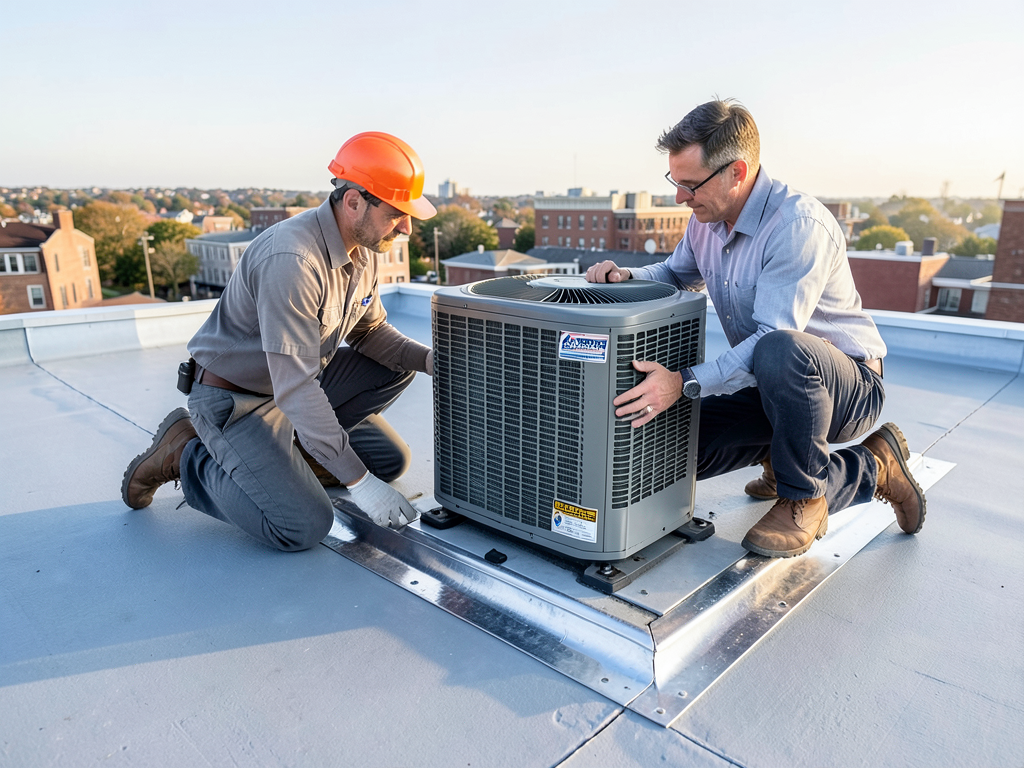
Roof crickets redirect water away from chimneys, HVAC units, and skylights to prevent pooling. Water that collects behind these penetrations cannot reach drains and causes leaks. The cricket creates a sloped ridge that channels runoff around the obstruction toward proper drainage paths. This prevents ice dam formation during Baltimore's winter freeze-thaw cycles. Crickets also stop debris accumulation behind penetrations where leaves and branches tend to trap moisture. Without crickets, water sits against flashing and seeps through seams. Baltimore roofs with older chimneys or multiple penetrations need crickets to protect against our region's variable weather patterns and heavy rainfall.

What is a drainage cricket? +

A drainage cricket is a peaked structure built on a flat or low-slope roof to divert water around obstructions. It looks like a small ridge or tent that sits behind chimneys, skylights, or rooftop equipment. The cricket slopes in two directions to push water toward the edges and into drainage systems. Roofers build crickets using the same materials as your main roof to maintain waterproofing integrity. The size depends on the obstruction width and roof pitch. Baltimore building codes sometimes require crickets for chimneys wider than 30 inches to prevent water damage. This simple structure solves complex drainage problems that cause most flat roof leaks.

When should I consider a roof cricket? +

Consider a roof cricket when you see water pooling behind chimneys or rooftop equipment after storms. If you have leak stains on interior walls near these penetrations, a cricket fixes the root cause. Baltimore homes with chimneys wider than 30 inches need crickets to meet code and prevent ice dams. When replacing your roof, add crickets to any penetration that interrupts water flow. Flat roofs or low-slope roofs with HVAC units benefit from crickets to handle our heavy spring rains. If your roof is over 15 years old and lacks crickets, add them during your next repair to extend roof life and prevent costly water damage.

Are collapsed drains covered by house insurance? +

Most homeowners insurance policies exclude drain collapse caused by gradual deterioration or poor maintenance. If a sudden event like a fallen tree or severe storm directly damages your drain, you have coverage. Baltimore insurers rarely pay for drains that fail from age, rust, or neglect. Review your policy for specific drainage exclusions. Some policies cover resulting water damage to your home interior but not the drain repair itself. Document all roof maintenance to strengthen claims. If your drain collapses from a covered peril like hail or wind, file immediately. Insurance companies deny claims when they determine the failure resulted from deferred maintenance or normal wear.

Does homeowners insurance pay for a leaky roof? +

Homeowners insurance covers roof leaks only when sudden, accidental events cause the damage. Wind-driven rain from a storm, fallen trees, or hail damage typically qualifies for coverage. Baltimore insurers deny claims for leaks from wear, age, or maintenance neglect. If poor drainage caused gradual deterioration, you pay out of pocket. Your policy may cover interior water damage from a covered leak but not the roof repair itself. Insurance adjusters inspect for maintenance records and pre-existing conditions. File claims immediately after storm damage and document everything with photos. Policies exclude leaks from improper installation or material defects. Regular roof inspections help prove you maintained your roof properly.

How to permanently get rid of crickets? +

This question refers to pest crickets, not roof crickets. For insect crickets in Baltimore homes, seal entry points around foundations, windows, and doors. Remove moisture sources like standing water or damp basements where crickets breed. Clear vegetation and mulch away from your foundation. Use sticky traps in basements and crawl spaces to monitor activity. Apply residual insecticide around perimeters if infestations persist. Dehumidifiers reduce the humid conditions Baltimore crickets prefer. For roof drainage crickets, you do not remove them. Roof crickets are permanent structural features that prevent water damage. Removing a roof cricket causes pooling and leaks behind chimneys or penetrations.

What is the most expensive part of replacing a roof? +

Roof decking replacement is the most expensive part of a Baltimore roof project. When water damage rots the plywood or OSB sheathing underneath shingles, roofers must tear off and rebuild the entire deck. Material costs jump from hundreds to thousands of dollars. Labor triples when crews replace decking instead of just reshingling. Structural repairs to rafters or trusses cost even more if rot spreads. Poor drainage from missing crickets or clogged drains causes this expensive decking damage. Chimney rebuilds and complex flashing details also drive up costs. Steep pitches increase labor charges. Preventing water infiltration through proper drainage saves you from these major structural expenses down the road.

Are roof crickets worth the cost? +

Roof crickets are worth every dollar when you consider leak repair costs and interior damage prevention. Installing a cricket during roof replacement adds minimal expense compared to water damage remediation later. Baltimore's freeze-thaw cycles and heavy rains make crickets necessary for chimneys and penetrations. A cricket lasts as long as your roof and requires no maintenance. Water pooling behind obstructions causes rot in roof decking that costs thousands to replace. Insurance rarely covers gradual leak damage from poor drainage. Crickets prevent ice dams that tear off gutters and damage fascia. For flat or low-slope roofs common in Baltimore rowhomes, crickets are essential investments that protect your home and extend roof lifespan.

How much does it cost to replace a roof drain? +

Roof drain replacement in Baltimore costs vary based on drain type, roof accessibility, and damage extent. Simple scupper drains cost less than internal drains requiring pipe work through your building. Commercial flat roofs with multiple drains face higher total costs than residential repairs. Material choices affect price, with cast iron drains costing more than PVC. Labor increases on steep roofs or multi-story buildings requiring scaffolding. If water damage rotted surrounding decking, expect higher costs for structural repairs. Baltimore contractors charge more during peak spring and summer seasons. Get multiple quotes and inspect for hidden damage before work begins. Proper cricket installation during drain replacement prevents future drainage failures.

How Baltimore's Brick Chimneys Complicate Cricket Drainage

Baltimore rowhomes and older colonials feature tall brick chimneys that rise three to five feet above the roof line. These chimneys create large water diversion zones that require properly engineered crickets. When a chimney is wider than 30 inches, building code requires a cricket to prevent water from pooling on the upslope side. Baltimore's spring thunderstorms drop an inch of rain in an hour. Without a functional cricket, that water has nowhere to go. It sits, seeps under shingles, and rots your roof deck.

A Plus Roofing Baltimore has worked on every style of chimney common to the area. We know how to flash against deteriorating mortar joints, how to integrate crickets with slate roofs in Roland Park, and how to handle the tight working conditions on Federal Hill rowhomes. We pull permits when required and coordinate with city inspectors. You get a roofer who understands local building culture and has relationships with the suppliers who stock the right materials.
Roofing Services in The Baltimore Area

We are proud to be a locally owned and operated business committed to serving the entire Baltimore community and its surrounding counties. View our office location on the map and see the breadth of our service area. We encourage you to visit our facility or contact us directly to discuss your next roofing project.

Address:
A Plus Roofing Baltimore, 101 N Haven St, Baltimore, MD, 21224

Additional Services We Offer

Our news updates

Latest Articles & News from The Blogs

Upgrading Your Builder-Grade Roof in Severn Before It Starts Leaking Your Severn home's builder-grade roof has a ticking clock. Maryland's…

Upgrading Your Builder-Grade Roof in Severn Before It Starts Leaking

Upgrading Your Builder-Grade Roof in Severn Before It Starts Leaking Your Severn home's builder-grade roof has a ticking clock. Maryland's…

Restoring the Ornamental Roof Details on Victorian Homes in Abell and Waverly

Restoring the Ornamental Roof Details on Victorian Homes in Abell and Waverly Victorian homes in Baltimore's Abell and Waverly neighborhoods…

Replacing a Detached Garage Roof in Glen Burnie — Costs and Best Materials

Replacing a Detached Garage Roof in Glen Burnie — Costs and Best Materials Replacing a detached garage roof in Glen…

Contact Us

Water damage does not wait. Call A Plus Roofing Baltimore at (443) 455-9099 for a detailed cricket inspection. We will diagnose the problem, explain the fix, and rebuild your cricket to stop the ponding for good.