menu

Emergency Tree Impact & Structural Repair in Baltimore – 24/7 Response Teams Dispatched Within 60 Minutes

When a tree crashes through your Baltimore roof, every minute counts. Our emergency roofing crews arrive fast with tarping equipment, structural engineers, and insurance documentation to stop water damage and secure your home immediately.

Slider Image 1
Slider Image 2
Slider Image 3
Slider Image 4
Slider Image 5
Slider Image 7
Slider Image 8
Slider Image 9
Slider Image 10
Slider Image 11

Why Tree Damage Creates Emergency Structural Crises in Baltimore Homes

A fallen tree does not just tear shingles. It crushes roof decking, snaps rafters, and compromises load-bearing trusses. In Baltimore's row house neighborhoods like Canton and Fells Point, shared party walls mean one tree can destabilize multiple structures. The Chesapeake humidity accelerates rot in exposed framing within 48 hours.

You are looking at a building that is now vulnerable to collapse, water intrusion, and mold colonization. Baltimore's mature oak and tulip poplar canopy creates beautiful streets, but aging trees with shallow root systems topple during nor'easters and summer thunderstorms. The clay soil in Baltimore shifts during freeze-thaw cycles, loosening root anchors. When wind gusts exceed 50 mph, trees fail at the root ball or snap mid-trunk.

Emergency tree damage roof repair starts the moment you see daylight through your ceiling. Exposed interiors collect rain, snow, and airborne moisture. Insulation becomes saturated. Electrical systems short. Structural lumber begins to sag under compromised load paths.

Fallen tree structural roof repair requires immediate tarping, debris removal, and structural assessment. You cannot wait for an adjuster. You need a team that understands how Baltimore building codes require engineered load calculations for truss replacement and how to document pre-loss conditions for your insurance claim. Tree impact roofing services must address both the visible damage and hidden compromises to ridge beams, valley flashing, and interior framing.

The window for preventing secondary damage closes fast. Emergency roof restoration tree damage is not cosmetic work. It is life-safety structural stabilization that protects your family and your investment.

Why Tree Damage Creates Emergency Structural Crises in Baltimore Homes
How We Execute Structural Stabilization After Tree Impact

How We Execute Structural Stabilization After Tree Impact

We do not show up with tarps and hope. Our emergency tree damage roof repair process begins with a structural engineer who evaluates load transfer, identifies compromised members, and determines if temporary shoring is required before debris removal. In Baltimore's historic districts, we coordinate with CHAP permits when original slate or tile requires salvage and reinstallation.

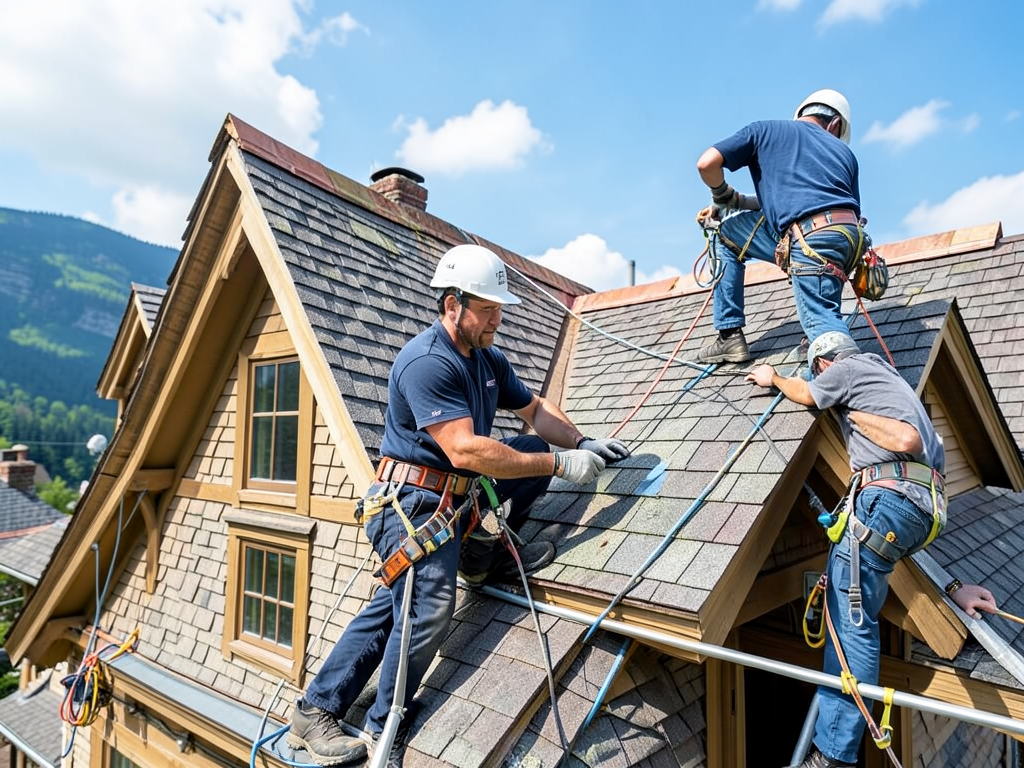
First, we secure the perimeter. Fallen trees create unstable roof planes that can collapse during removal. We install temporary bracing under ridge beams and use rigging systems to lift debris without further damaging trusses or decking. Our crews document every phase with time-stamped photos for your insurance adjuster.

Next, we expose the damage plane. We remove shingles, underlayment, and decking around the impact zone to assess rafter integrity. We look for hairline cracks in truss chords, split ridge boards, and separation at gusset plates. Baltimore's older homes often have dimensional lumber rafters instead of engineered trusses. These require sistering with matching lumber and structural fasteners rated for wind uplift.

We replace damaged decking with CDX plywood or OSB that meets Maryland building code thickness requirements. We install ice and water shield at all valleys and penetrations. We rebuild flashing systems at chimneys and sidewalls using soldered copper or galvanized step flashing, depending on your roof type.

For repair roof crushed by tree scenarios, we sometimes remove entire roof sections down to the wall plates. We reset ridge beams, install new rafters with proper birdsmouth cuts, and re-establish overhangs. We do not patch over compromised framing. We rebuild to code with engineered connections that restore original load paths.

What Happens When You Call for Emergency Tree Damage Response

Emergency Tree Impact & Structural Repair in Baltimore – 24/7 Response Teams Dispatched Within 60 Minutes
01

Immediate Site Stabilization

Our dispatch team mobilizes a two-person crew within 60 minutes. They arrive with heavy-duty tarps, bracing lumber, and rigging equipment. They assess structural stability, establish safe work zones, and tarp exposed areas to prevent water intrusion. You receive a verbal damage summary and photo documentation before they leave your property. This phase stops the bleeding and protects your interior from further exposure.
02

Structural Engineering Assessment

Within 24 hours, a structural engineer inspects the damage plane. They measure deflection in rafters, check truss connections, and determine if load-bearing walls sustained impact. They create a scope of work that identifies every compromised member and specifies repair methods. This report becomes your documentation for insurance claims and building permit applications. We coordinate with Baltimore City inspectors to schedule required inspections before closing walls or ceilings.
03

Complete Structural Restoration

Our framing crews rebuild damaged roof sections using engineered lumber, hurricane ties, and code-compliant fastener schedules. We install new decking, underlayment, and roofing materials that match your existing system. We restore soffits, fascia, and gutters. Final inspections confirm structural integrity and waterproofing performance. You receive a detailed invoice with material specs and labor descriptions formatted for insurance reimbursement. Your roof is not just fixed. It is restored to pre-loss structural capacity.

Why Baltimore Homeowners Choose A Plus Roofing Baltimore for Tree Impact Emergencies

Tree impact roofing services require more than roofing knowledge. They require structural engineering, rigging expertise, and insurance claims experience. A Plus Roofing Baltimore maintains relationships with structural engineers who respond to emergency calls. We understand how Baltimore's building codes differ from county regulations. We know which permits require plan submissions and which qualify for over-the-counter approval.

Our crews work in Federal Hill, Roland Park, Hampden, and Catonsville. We have restored roofs on 1880s row houses with slate and on 1950s Cape Cods with asphalt shingles. We understand how party wall construction transfers loads and how to coordinate repairs with adjoining property owners when damage spans property lines.

We document everything. Insurance adjusters need photos of damaged framing, measurements of impact zones, and itemized scopes showing pre-loss conditions. We provide detailed estimates with line-item pricing for materials, labor, and disposal. We attend adjuster meetings and advocate for full structural repair, not cosmetic patches.

Baltimore's storm season runs March through November. Nor'easters drop heavy wet snow that loads tree canopies. Summer thunderstorms generate microbursts with 70 mph winds. When trees fail, you need a contractor who stocks emergency materials, maintains 24/7 dispatch, and understands how to navigate insurance claim protocols.

We do not subcontract emergency work. Our in-house framing crews have OSHA fall protection training and rigging certifications. They work safely on steep pitches and unstable roof planes. They understand how to shore compromised structures before removing debris that may be providing temporary support.

You need a team that treats your emergency like an emergency. Not a contractor who puts you on a callback list.

What to Expect During Emergency Tree Damage Roof Repair

Response Time and Availability

We dispatch crews 24/7, including weekends and holidays. When you call our emergency line, you reach a live dispatcher who deploys a two-person tarping crew within 60 minutes. They arrive with equipment to secure your home and stop water intrusion. Full structural repair begins once we complete engineering assessment and obtain permits, typically within 48 to 72 hours. We understand that your home is exposed and vulnerable. We prioritize tree impact cases over scheduled maintenance work because every hour of exposure increases secondary damage risk.

Structural Engineering and Damage Assessment

Our structural engineer inspects the damage plane, measures deflection in framing members, and determines repair scope. They create a written report that identifies compromised rafters, trusses, decking, and load-bearing walls. This report includes repair specifications, material callouts, and code references. We submit this documentation to your insurance company and use it to obtain building permits from Baltimore City. The assessment takes two to four hours depending on damage extent. You receive photos, measurements, and a detailed scope before repair work begins.

Structural Repair and Restoration Quality

We rebuild damaged roof sections using dimensional lumber or engineered trusses that match original specifications. We install hurricane ties, structural fasteners, and code-compliant connections. We replace decking with CDX plywood or OSB rated for your roof pitch and span. We install ice and water shield, synthetic underlayment, and roofing materials that match your existing system. All work meets Maryland building codes and Baltimore City requirements. We schedule inspections at framing, sheathing, and final stages. You receive documentation showing structural integrity has been restored to pre-loss condition.

Insurance Coordination and Documentation

We document every phase of repair with time-stamped photos and detailed material invoices. We provide itemized estimates formatted for insurance claim submission. We attend adjuster meetings and explain structural repair requirements. We advocate for full restoration, not patch repairs that leave hidden damage. We understand depreciation, recoverable depreciation, and ACV versus RCV claim settlements. We coordinate with public adjusters when homeowners need claim advocacy. Our invoices include material specifications, labor descriptions, and disposal costs broken out by line item. You receive documentation that supports full reimbursement for emergency roof restoration tree damage.

Frequently Asked Questions

You Have Questions,
We Have Answers

Will insurance pay for tree removal after a storm? +

Most homeowners insurance policies cover tree removal after a storm if the tree damages your home, fence, or other insured structure. Coverage typically includes removal costs to make repairs possible. However, if the tree falls in your yard without hitting anything, most insurers will not pay. Document all damage immediately with photos. Contact your adjuster fast. Baltimore homeowners often face storm damage from Nor'easters and summer microbursts. Review your policy limits for debris removal, as standard coverage may cap tree removal at $500 to $1,000 per tree.

Can structural damage be repaired? +

Yes. Most structural damage from fallen trees can be repaired. Roof framing, load-bearing walls, and compromised joists can be rebuilt to code. Baltimore homes, especially older rowhomes and brick colonials, require careful assessment. An engineer may need to inspect foundation damage or cracked load-bearing walls. The key is acting fast. Water intrusion after tree impact accelerates rot and mold. Emergency tarping stops further damage. Qualified contractors can restore structural integrity, but delays worsen the problem. Get a professional inspection within 24 hours to prevent secondary damage and preserve your insurance claim.

Who is responsible for damage caused by a fallen tree? +

Generally, the property owner where the tree lands pays for damage through their own homeowners insurance, regardless of where the tree originated. This is called the "Act of God" rule. If your neighbor's tree falls on your Baltimore home during a storm, your insurance covers your repairs. However, if the neighbor knew the tree was dead, diseased, or hazardous and failed to remove it, they may be liable for negligence. Document the tree's condition before the storm if possible. Maryland courts consider prior warnings and visible decay when determining fault.

Will lumber companies cut down trees for free? +

No. Legitimate lumber companies do not cut down residential trees for free. Salvage-worthy timber grows in forests, not Baltimore backyards. Urban trees contain nails, contaminants, and limited board footage. Beware of scams offering free removal for lumber rights. These operators often lack insurance, cause additional damage, or abandon half-finished jobs. After storm damage, you need licensed, insured tree removal professionals who understand liability and structural risks. Free services do not exist in emergency tree removal. Protect your property and insurance claim by hiring qualified contractors, not opportunists.

How much does homeowners insurance cover for tree removal? +

Most homeowners policies include $500 to $1,000 per tree for debris removal, but only if the tree damages an insured structure. Some policies offer higher limits or separate endorsements for tree removal. Check your declarations page for specifics. After major storms in Baltimore, like severe thunderstorms or winter ice events, removal costs can exceed standard limits. If multiple trees fall, costs multiply quickly. Upgrades to your policy before storm season can increase coverage limits. Review your policy annually. Standard coverage often falls short when dealing with large oaks or multiple damaged trees common in Baltimore neighborhoods.

How to get homeowners insurance to pay for tree removal? +

File your claim immediately with photos showing the tree and all structural damage. Document the tree's impact point, interior damage, and any emergency repairs. Request a detailed estimate from a licensed contractor. Your adjuster needs proof the tree damaged insured property. In Baltimore, delays allow water intrusion and mold, which insurers may deny as secondary damage from neglect. Keep receipts for emergency tarping and temporary repairs. Be present during the adjuster's inspection. If your claim is denied or undervalued, get a second opinion from a public adjuster or roofing contractor familiar with Baltimore insurance claims.

How much does it cost to fix a structural issue? +

Structural repair costs vary widely based on damage extent. Minor beam repairs may cost $2,000 to $5,000. Major foundation work, load-bearing wall replacement, or roof framing reconstruction can reach $15,000 to $50,000 or more. Baltimore rowhomes present unique challenges due to shared walls and older construction methods. Engineering assessments add $500 to $1,500 upfront. Emergency stabilization and tarping run $500 to $2,000. Insurance typically covers storm-related structural damage minus your deductible. Get multiple estimates from licensed contractors experienced with Baltimore building codes and historic home requirements before starting repairs.

Do homeowners pay for structural damage? +

Yes, homeowners pay their insurance deductible for covered structural damage. If damage results from neglect or lack of maintenance, you pay everything out of pocket. Storm damage from fallen trees usually qualifies as a covered peril under standard homeowners policies. You pay the deductible, insurance covers the rest up to policy limits. In Baltimore, where older homes dominate, pre-existing conditions like rotted framing may be excluded. Insurers separate storm damage from deferred maintenance. Document your home's condition before storms. Regular roof inspections and tree maintenance protect you from denial claims based on negligence.

What qualifies as structural damage? +

Structural damage affects components that support your home's weight and stability. This includes foundation cracks, compromised load-bearing walls, damaged roof framing, broken floor joists, and failing support beams. In Baltimore rowhomes, shared wall damage qualifies as structural. Cosmetic issues like drywall cracks or broken siding do not. After tree impact, look for sagging rooflines, cracked masonry, doors that will not close, and visible framing damage. Structural damage requires immediate professional assessment. Engineers determine if repairs meet Baltimore building codes. Insurance adjusters differentiate between structural and cosmetic damage when processing claims.

Who pays for damage if neighbor's tree falls on the house? +

You pay through your own homeowners insurance, even if your neighbor's tree caused the damage. Maryland follows the "Act of God" rule for storm-related tree falls. Your policy covers your property damage. However, if you warned your neighbor in writing about a visibly diseased or dead tree and they ignored it, they may be liable for negligence. You would need to prove prior knowledge and inaction. Baltimore homeowners should document hazardous trees on neighboring properties with photos and certified letters. In negligence cases, you can pursue your neighbor's liability insurance, but most storm damage falls under your own coverage.

How Baltimore's Urban Canopy and Storm Patterns Create Tree Impact Risk

Baltimore's mature tree canopy includes oaks, maples, and tulip poplars planted in the early 1900s. These trees tower over two-story row houses and bungalows, creating beautiful streets but significant structural risk. The shallow clay soil in neighborhoods like Guilford and Homeland does not anchor deep root systems. When nor'easters push through the Chesapeake Bay corridor, wind gusts exceed 60 mph and topple trees at the root ball. Summer thunderstorms generate microbursts that snap trunks mid-height. The proximity of large trees to structures means falling timber lands directly on roofs, punching through shingles, decking, and framing in seconds.

Baltimore City requires building permits for structural roof repairs exceeding 100 square feet. Historic districts governed by CHAP impose additional requirements for material matching and architectural consistency. A Plus Roofing Baltimore understands these regulations and coordinates permit applications before starting work. We maintain relationships with city inspectors and schedule required inspections at framing and final stages. Our crews have restored roofs in every Baltimore neighborhood, from Locust Point row houses to Cedarcroft colonials. We know how to navigate city processes and deliver compliant repairs that protect your investment.
Roofing Services in The Baltimore Area

We are proud to be a locally owned and operated business committed to serving the entire Baltimore community and its surrounding counties. View our office location on the map and see the breadth of our service area. We encourage you to visit our facility or contact us directly to discuss your next roofing project.

Address:
A Plus Roofing Baltimore, 101 N Haven St, Baltimore, MD, 21224

Additional Services We Offer

Our news updates

Latest Articles & News from The Blogs

Finding a Roofer in Westminster Who Actually Knows How to Handle Metal Barn Roofs When your Carroll County barn roof…

Finding a Roofer in Westminster Who Actually Knows How to Handle Metal Barn Roofs

Finding a Roofer in Westminster Who Actually Knows How to Handle Metal Barn Roofs When your Carroll County barn roof…

Upgrading Your Builder-Grade Roof in Severn Before It Starts Leaking

Upgrading Your Builder-Grade Roof in Severn Before It Starts Leaking Your Severn home's builder-grade roof has a ticking clock. Maryland's…

Restoring the Ornamental Roof Details on Victorian Homes in Abell and Waverly

Restoring the Ornamental Roof Details on Victorian Homes in Abell and Waverly Victorian homes in Baltimore's Abell and Waverly neighborhoods…

Contact Us

Your roof is exposed. Water is entering your home. Call (443) 455-9099 right now. Our dispatch team will deploy an emergency crew within 60 minutes to tarp and secure your property. We are standing by 24/7 to stop the damage and start the repair process.