menu

Curling & Buckling Shingles in Baltimore – Stop Roof Failure Before Water Invades Your Home

Baltimore homeowners facing curling and buckling shingles need immediate expert diagnosis to prevent interior water damage, mold growth, and structural rot that starts in your attic and spreads through walls.

Slider Image 1
Slider Image 2
Slider Image 3
Slider Image 4
Slider Image 5
Slider Image 7
Slider Image 8
Slider Image 9
Slider Image 10
Slider Image 11

Why Baltimore Roofs Show Curling and Buckling Faster Than You'd Expect

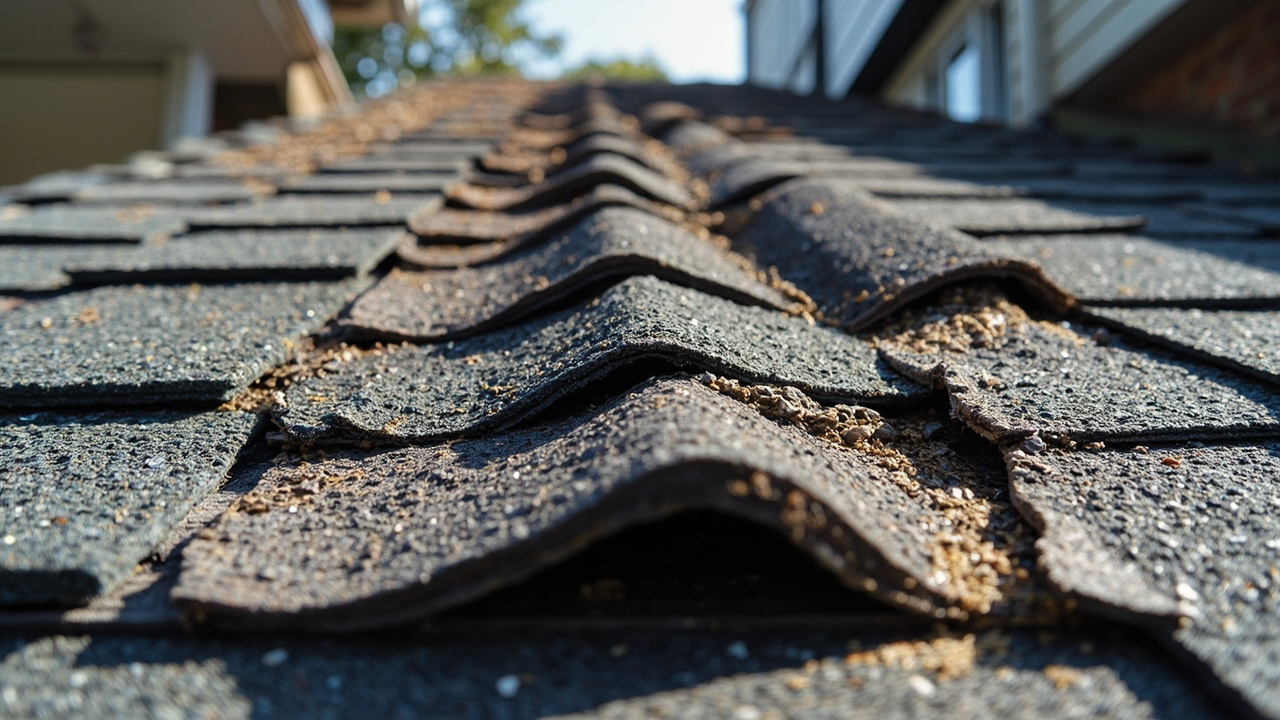
You walk outside and notice your roof looks wavy. Some shingles curl up at the edges. Others buckle in the middle, creating humps across entire sections. This is not cosmetic. This is structural failure in progress.

Baltimore's climate creates a perfect storm for shingle distortion. Summer temperatures in the city regularly hit 90 degrees, which causes attic temperatures to spike above 150 degrees. Poor attic ventilation traps this heat, literally cooking your shingles from below. At night, temperatures drop 30 degrees. This constant expansion and contraction cycle breaks down the asphalt mat that holds your shingles together.

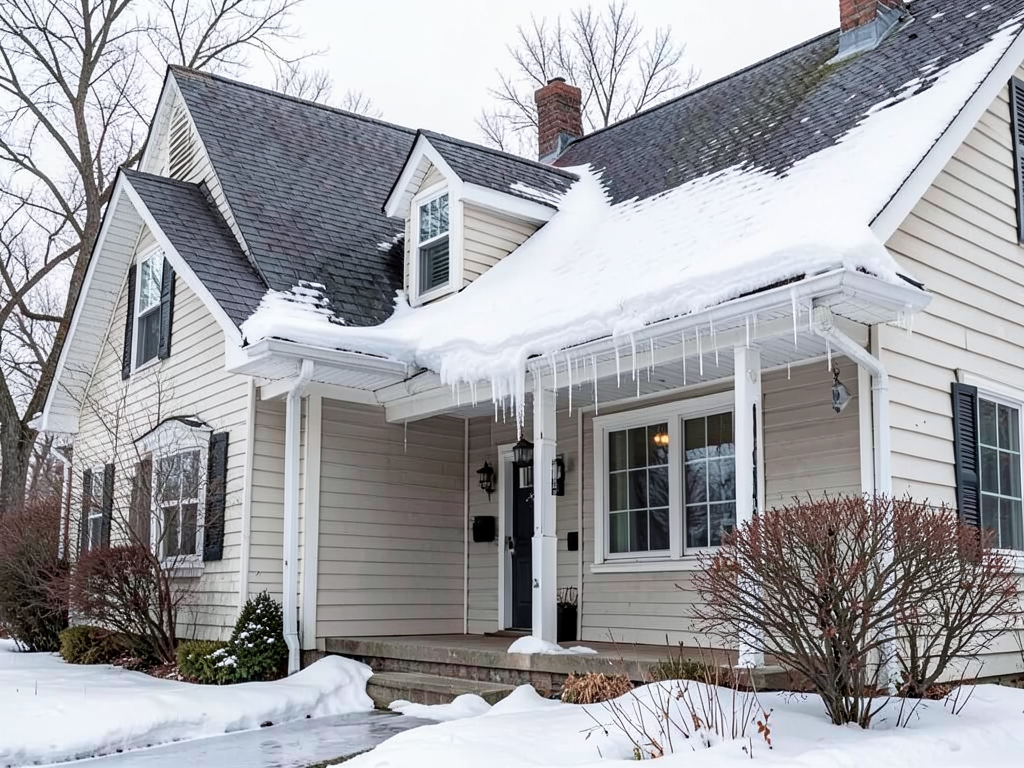
Winter adds freeze-thaw cycles. Water seeps under lifting shingle edges, freezes, expands, and forces the shingle further off the roof deck. By spring, you have cupping shingles that channel water straight into your roof deck instead of into your gutters.

Humidity makes it worse. Baltimore's average relative humidity sits above 65 percent year-round. Moisture gets trapped in poorly ventilated attics, condensing on the underside of roof decking. This moisture absorption causes the decking to swell unevenly, which pushes shingles into buckling patterns.

Warped asphalt shingles also signal manufacturing defects or improper installation. If your roof is under 10 years old and showing clawing shingles, someone cut corners during installation. Overdriven nails, missing starter strips, or inadequate roof deck fastening all cause premature shingle failure.

The longer you wait, the more expensive the fix becomes. Water does not wait for you to decide. It finds every gap created by distorted shingles and begins rotting your roof deck, insulation, and ceiling joists.

Why Baltimore Roofs Show Curling and Buckling Faster Than You'd Expect
How We Diagnose and Fix Shingle Distortion Correctly

How We Diagnose and Fix Shingle Distortion Correctly

We do not patch curling shingles with caulk and hope for the best. A Plus Roofing Baltimore treats shingle distortion as a diagnostic problem first, a replacement problem second.

Our inspection starts in your attic, not on your roof. We check attic ventilation ratios to ensure you have proper intake and exhaust airflow. Maryland building code requires 1 square foot of ventilation per 150 square feet of attic space when you have a vapor barrier, or 1 per 300 without. Most older Baltimore rowhomes and colonials fail this requirement completely.

We measure attic temperature differentials during hot days. If your attic is more than 20 degrees hotter than outside air, you have a ventilation failure that will destroy any new shingles we install. We fix the ventilation system before we replace a single shingle.

On the roof, we check fastener patterns. Shingles require six nails per shingle, placed in the nail line, not above or below it. Overdriven nails tear through the shingle mat, creating weak points that allow wind to lift shingles. Underdriven nails leave gaps that let water penetrate.

We inspect the roof deck for swelling, soft spots, and water staining. Buckling shingles often indicate underlying decking problems. If your decking is compromised, we replace it before installing new shingles. Installing new shingles over damaged decking guarantees failure within three years.

For wavy shingles caused by improper underlayment or deck fastening, we strip the roof to the deck and start over. There is no shortcut that works. Attempting to shingle over existing waves creates new failure points and voids any manufacturer warranty.

We also verify that your existing shingle type matches Baltimore's wind zone requirements. The city sits in a 110 mph wind zone, which requires specific shingle ratings and installation methods.

What Happens During Your Shingle Distortion Repair

Curling & Buckling Shingles in Baltimore – Stop Roof Failure Before Water Invades Your Home
01

Attic and Roof Inspection

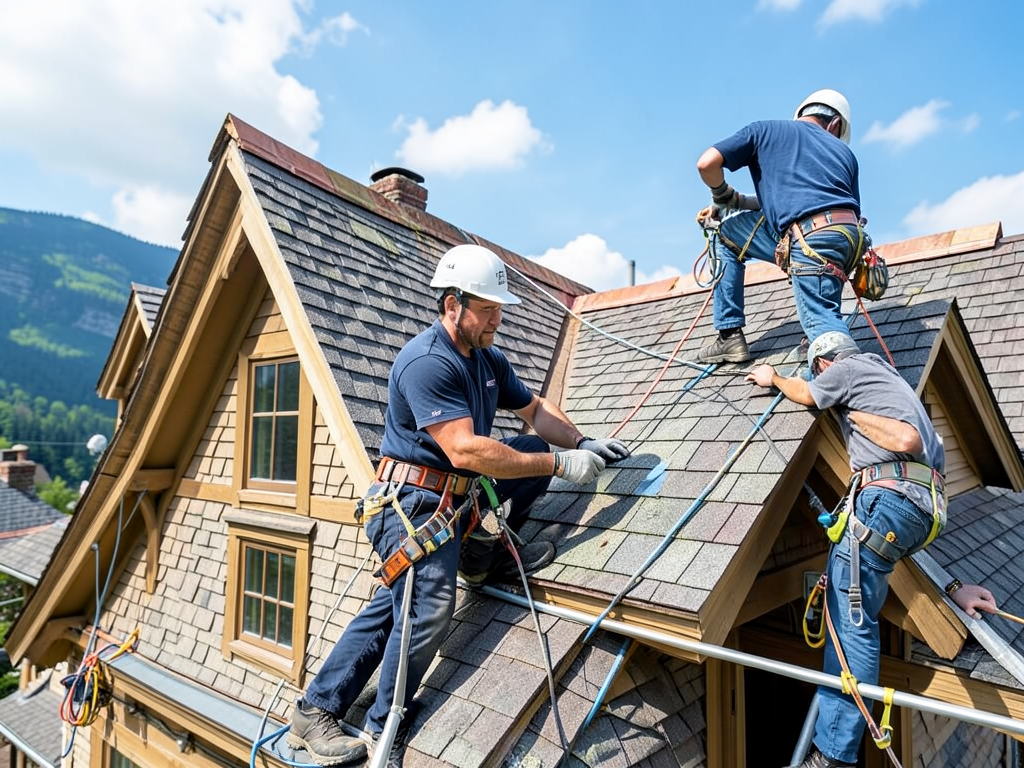
We begin with a comprehensive attic evaluation to measure ventilation adequacy, check for moisture intrusion, and document heat buildup patterns. On the roof, we map shingle distortion locations, photograph fastener failures, and test decking integrity with moisture meters. This diagnostic phase identifies root causes, not just visible symptoms, so repairs actually last.
02

Ventilation and Deck Repair

Before replacing shingles, we correct the conditions that caused failure. This includes installing ridge vents, soffit vents, or gable vents to meet code ventilation ratios. We replace rotted or swollen roof decking, re-secure loose panels, and verify proper deck fastening intervals. Skipping this step guarantees your new shingles will fail just as fast as the old ones.
03

Shingle Replacement and Sealing

We install new shingles using proper nail placement, correct overlap dimensions, and adequate starter strip coverage. Every penetration gets sealed with compatible flashing materials. We hand-seal shingle tabs in high-wind areas and verify that all shingles lay flat against the deck without waves or humps. Your roof leaves our hands ready to handle Baltimore weather for decades.

Why Baltimore Homeowners Choose Local Roofing Experts

You need someone who understands how Baltimore's housing stock responds to local weather patterns. A Plus Roofing Baltimore has repaired curling shingles on hundreds of rowhomes in Hampden, colonials in Towson, and brick Cape Cods in Catonsville. We know which roof designs trap heat, which ones shed water poorly, and which ventilation solutions work in tight urban lots.

Baltimore rowhomes present unique challenges. Shared roof valleys between homes create drainage bottlenecks that accelerate shingle wear. Narrow attics make ventilation installation difficult, but not impossible. We have installed continuous ridge vents on rowhomes with less than three feet of attic clearance. We know how to work within the constraints of historic district guidelines while still meeting modern building code requirements.

We also understand the difference between shingle distortion caused by poor installation and distortion caused by building settlement. Many older Baltimore homes experience minor foundation movement due to clay soil shifting. This movement can telegraph through walls and create roof deck warping that looks like shingle failure but requires structural correction, not just re-roofing. We identify these issues during inspection and coordinate with structural engineers when necessary.

Our familiarity with local suppliers means we can source materials quickly. When storm damage affects hundreds of homes simultaneously, big-box stores run out of stock. We maintain relationships with local distributors who reserve inventory for established contractors, which means your repair does not get delayed three weeks waiting for shingles to arrive.

We also pull permits correctly and schedule inspections on time. Baltimore City requires permits for roof replacements over 100 square feet. We handle all permitting, coordinate inspections, and ensure compliance with current building codes so your repair does not create insurance or resale problems down the road.

What to Expect When You Call Us About Curling Shingles

Inspection Within 48 Hours

We schedule roof inspections within two business days of your call. Most inspections take 45 minutes to one hour and include attic evaluation, roof surface examination, and photographic documentation. You receive a written diagnostic report within 24 hours that explains what failed, why it failed, and what needs to happen to fix it permanently. Emergency inspections for active leaks happen same-day when you call before 2 PM.

Transparent Diagnostic Process

We show you exactly what we find. Photos of cupping shingles, measurements of inadequate ventilation, and moisture meter readings give you objective evidence of the problem. We explain which repairs are urgent and which can wait. You never get pressured into unnecessary work. If your shingle distortion comes from a manufacturing defect covered under warranty, we help you file the claim and coordinate with the manufacturer.

Repairs That Actually Last

Your completed roof passes Baltimore City inspection on the first try. Shingles lay flat with no waves or humps. Attic temperatures drop within 15 degrees of outside air on hot days. Water sheds into gutters instead of under shingle edges. We verify all work with thermal imaging to confirm ventilation improvements and moisture meter readings to document dry decking. You get documentation for insurance and future buyers.

Post-Repair Documentation and Guidance

After completion, you receive care instructions specific to your roof type and Baltimore's climate. We explain what normal seasonal shingle movement looks like versus actual failure. You get our direct line for questions. We recommend annual inspections each spring to catch small issues before they become expensive problems. Many clients schedule us for routine maintenance checks, which we perform at reduced rates for existing customers.

Frequently Asked Questions

You Have Questions,
We Have Answers

Is it normal for roof shingles to buckle? +

No, buckling shingles signal a problem. Properly installed asphalt shingles should lie flat. Buckling happens when moisture gets trapped in the roof deck, when shingles were installed over old layers without proper ventilation, or when attic ventilation fails. Baltimore's humid summers and freeze-thaw cycles make trapped moisture worse. The deck expands and contracts, pushing shingles upward. Buckling also happens if shingles were nailed too tight or if the underlayment wrinkled during installation. If you see waves or humps running vertically up your roof, you need a professional inspection to find the source before water damage spreads.

How to fix curled up shingles? +

You cannot truly fix curled shingles. Once asphalt shingles curl from age, sun damage, or poor attic ventilation, the material has degraded. Some roofers try resealing edges with roofing cement, but this is temporary and looks bad. Curling exposes the nail line to rain, which leads to leaks. In Baltimore's wet climate, curled shingles let water under the roof deck fast. The real fix is replacement. If only a few shingles curl early, check your attic ventilation first. Poor airflow causes heat buildup that cooks shingles from below. Fix ventilation, then replace damaged shingles before the problem spreads.

How to tell if a roofer is lying? +

Ask for proof. A dishonest roofer will pressure you to decide immediately, claim your roof needs total replacement when only repairs are needed, or refuse to show you the damage up close. Request photos of problem areas. Check their references and verify their business address. In Baltimore, many fly-by-night contractors appear after storms. A trustworthy roofer explains what caused the damage, shows you the failed components, and provides a written estimate with material specifications. They never ask for full payment upfront. If someone refuses to pull permits for a major job or cannot explain why your shingles failed, walk away and get a second opinion.

How to fix buckling shingles? +

Fixing buckling requires finding the root cause. If moisture trapped the roof deck, you must remove the shingles, dry and replace damaged decking, install proper underlayment, and add adequate attic ventilation. If the buckling came from installing over old shingles, you must tear off all layers and start fresh. Baltimore building codes limit how many shingle layers you can install. Temporary fixes like pressing down buckled shingles fail quickly. The deck movement continues. A professional inspection identifies whether you have a deck moisture issue, a ventilation failure, or an installation error. Buckling always gets worse without addressing the underlying problem.

Why are my shingles curling up? +

Shingles curl when they lose flexibility from age, UV exposure, or inadequate attic ventilation. Baltimore's hot summers bake roofs from above while poor ventilation traps heat below, drying out the asphalt and causing edges to lift. Shingles also curl when the adhesive seal strip fails or when granule loss exposes the mat to direct sun. Manufacturing defects cause premature curling, but this is rare. If your shingles are under 15 years old and curling, check your attic temperature and airflow first. Excessive heat accelerates aging. If the entire roof curls uniformly, plan for replacement soon before leaks start.

Is buckling a sudden failure? +

No, buckling develops gradually but accelerates once started. You might notice small waves first, then pronounced humps over weeks or months. The underlying cause, trapped moisture or deck movement, builds over time. Baltimore's seasonal temperature swings make it worse. Winter freezing expands trapped water in the deck, spring thaw releases it, and summer heat dries and contracts materials unevenly. Each cycle worsens the buckling. While buckling itself is not a sudden failure, it leads to sudden leaks when shingles crack at the stress points. Once you see buckling, schedule an inspection quickly. The damage compounds with every weather cycle.

Why Baltimore's Brick Rowhomes Accelerate Shingle Buckling

Baltimore's signature brick rowhomes create a heat trap that destroys shingles faster than standalone structures. Dark brick absorbs intense summer heat and radiates it upward into the roof cavity. Shared walls prevent cross-ventilation, which means hot air has nowhere to escape except through inadequate gable vents. This trapped heat pushes attic temperatures above 170 degrees, which breaks down asphalt shingle composition in months instead of years. Curling shingles on rowhomes almost always indicate ventilation failure, not shingle quality problems.

A Plus Roofing Baltimore has worked on over 300 rowhomes across Fells Point, Canton, and Federal Hill. We understand the limitations of these structures and know which ventilation solutions work within historic preservation guidelines. Our teams are familiar with Baltimore City permit requirements for roofing work in historic districts, which require specific materials and installation methods. When you choose local expertise, you avoid the costly mistakes that out-of-town contractors make when they encounter Baltimore's unique housing stock.
Roofing Services in The Baltimore Area

We are proud to be a locally owned and operated business committed to serving the entire Baltimore community and its surrounding counties. View our office location on the map and see the breadth of our service area. We encourage you to visit our facility or contact us directly to discuss your next roofing project.

Address:
A Plus Roofing Baltimore, 101 N Haven St, Baltimore, MD, 21224

Additional Services We Offer

Our news updates

Latest Articles & News from The Blogs

Upgrading Your Builder-Grade Roof in Severn Before It Starts Leaking Your Severn home's builder-grade roof has a ticking clock. Maryland's…

Upgrading Your Builder-Grade Roof in Severn Before It Starts Leaking

Upgrading Your Builder-Grade Roof in Severn Before It Starts Leaking Your Severn home's builder-grade roof has a ticking clock. Maryland's…

Restoring the Ornamental Roof Details on Victorian Homes in Abell and Waverly

Restoring the Ornamental Roof Details on Victorian Homes in Abell and Waverly Victorian homes in Baltimore's Abell and Waverly neighborhoods…

Replacing a Detached Garage Roof in Glen Burnie — Costs and Best Materials

Replacing a Detached Garage Roof in Glen Burnie — Costs and Best Materials Replacing a detached garage roof in Glen…

Contact Us

Curling shingles get worse every day. Call A Plus Roofing Baltimore at (443) 455-9099 for a diagnostic inspection that identifies the real problem and fixes it permanently. We respond to Baltimore homeowners within 48 hours.