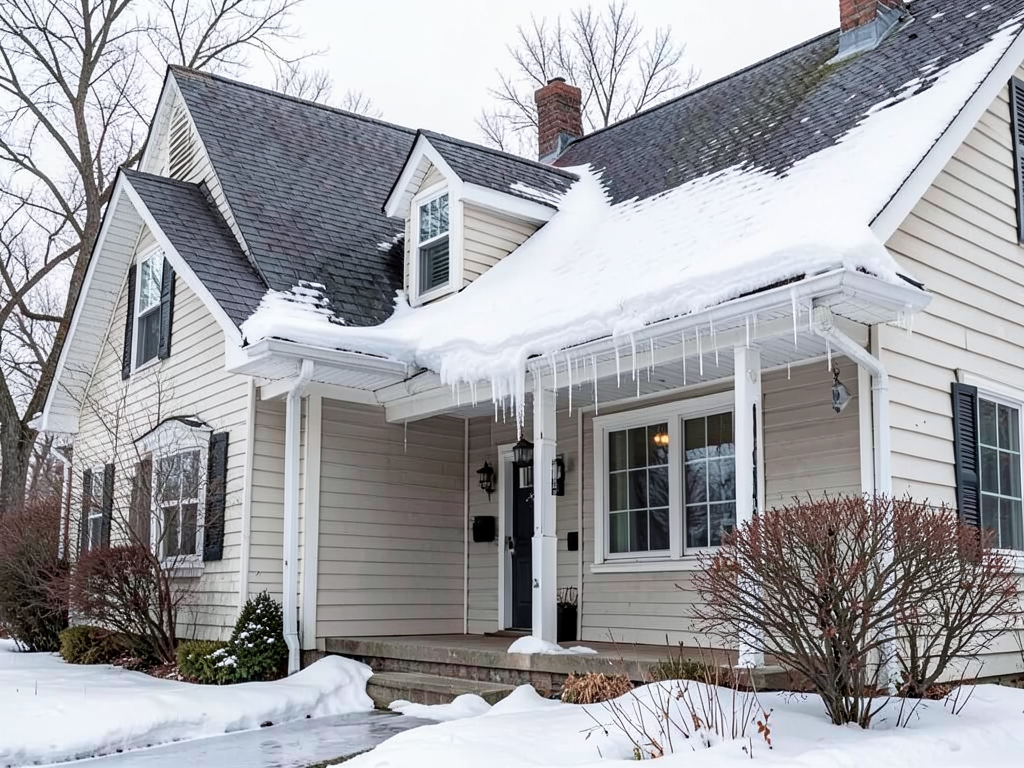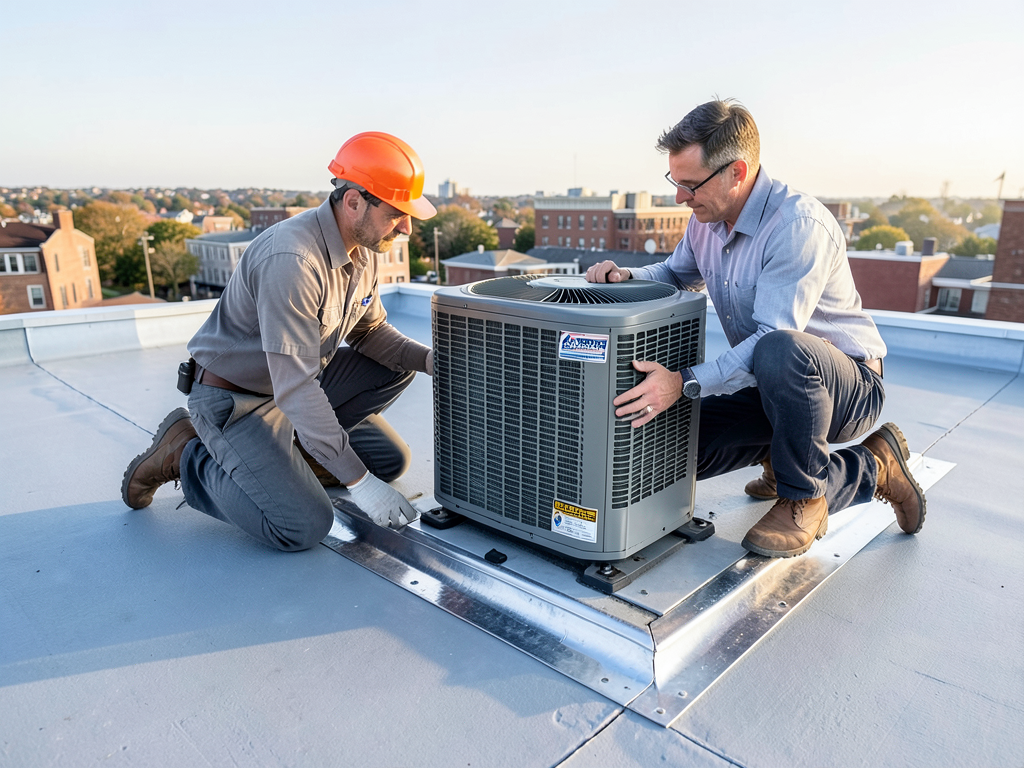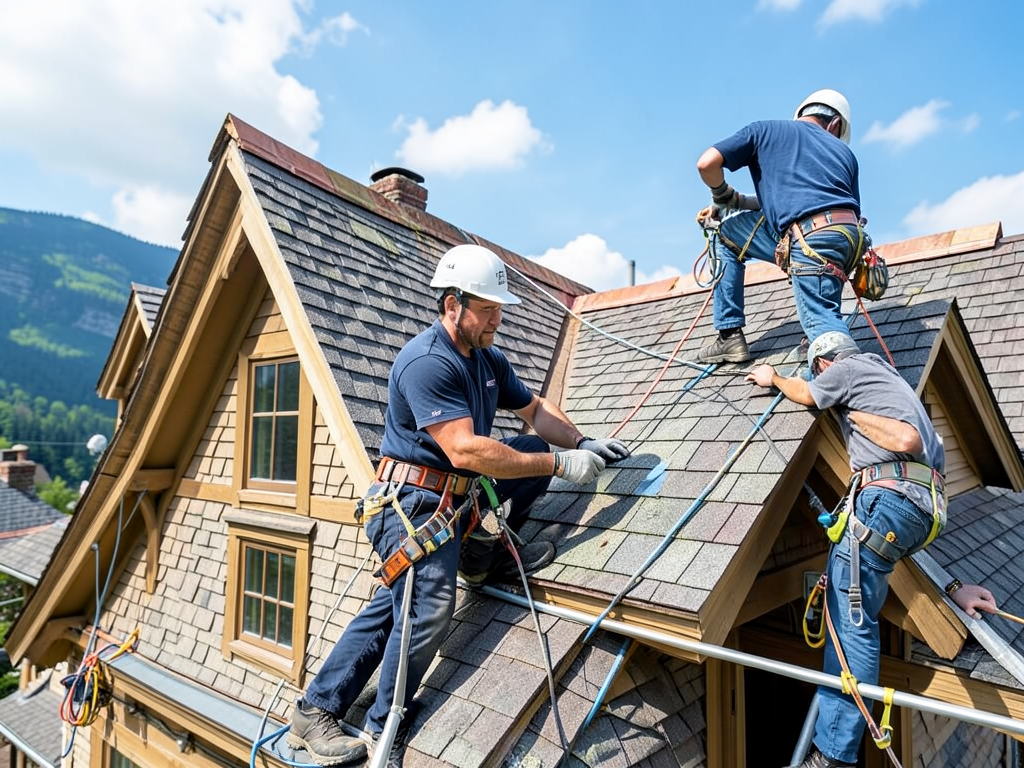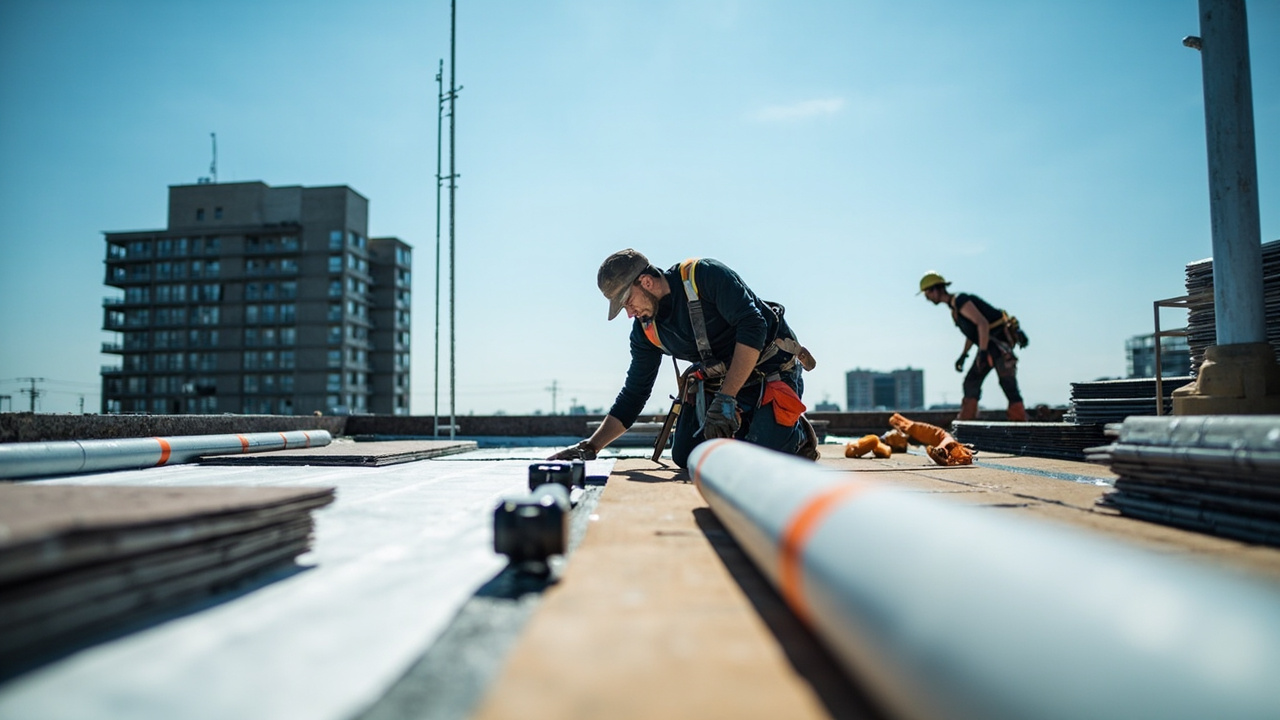

Baltimore sits at the intersection of humid subtropical and humid continental climate zones, creating aggressive conditions for apartment building roofing systems. The average relative humidity exceeds 70% year-round, promoting algae growth and membrane degradation on flat roofs common in multi-unit construction. Winter nor'easters deliver freeze-thaw cycles that crack sealants and open seams in multi-family housing roofing assemblies. The urban heat island effect in neighborhoods like Charles Village and Station North raises rooftop temperatures 15 degrees above surrounding areas, accelerating UV breakdown of modified bitumen and EPDM membranes. Property owners face shortened roof lifecycles compared to national averages, making proactive replacement critical for maintaining occupancy rates and preventing emergency repairs during peak leasing seasons.
Baltimore's rental licensing requirements tie directly to roof condition. The Department of Housing inspects properties annually and flags deficient roofing systems that threaten habitability. A failed inspection triggers mandatory repairs before you can renew rental licenses for affected units. Local contractors who understand this regulatory framework prevent compliance issues that result in vacancy losses. A Plus Roofing Baltimore maintains relationships with city inspectors and structures projects to meet Baltimore's specific code requirements for commercial apartment roofing, including proper ventilation ratios and fire-rated assembly standards. Our familiarity with the permit process expedites approvals and keeps your project on schedule, minimizing revenue disruption across your multi-family housing portfolio.