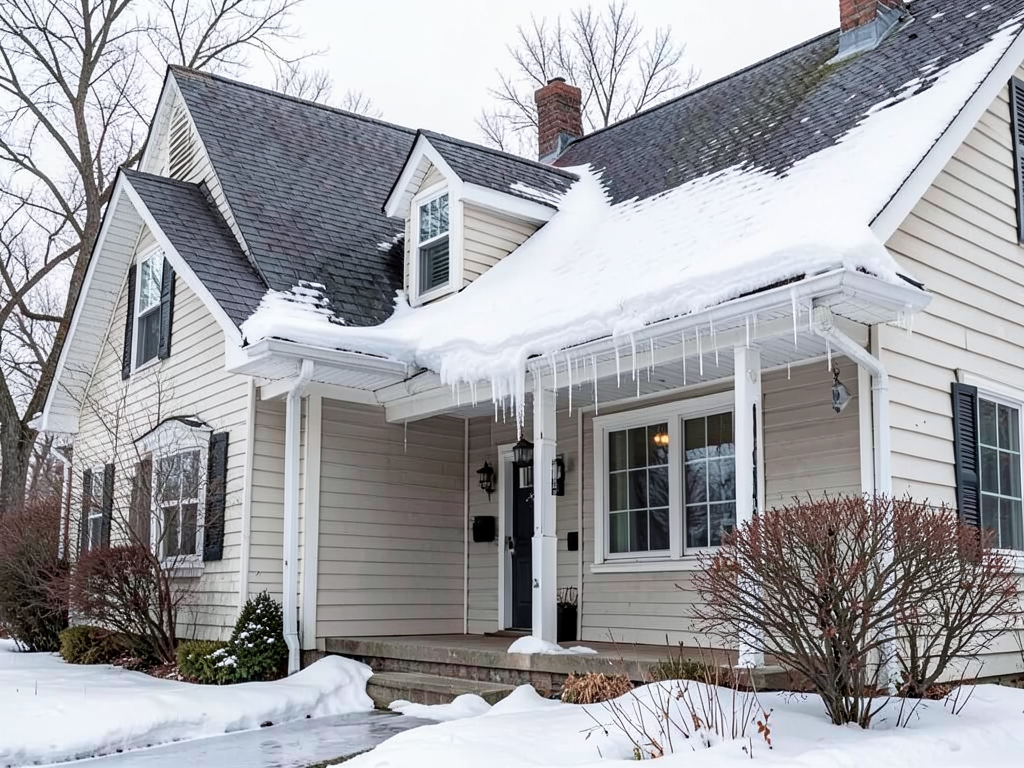
Baltimore sits 40 miles from the Atlantic Ocean and borders the Chesapeake Bay, creating constant moisture exposure that attacks roofing materials aggressively. The humidity averages 65 percent year-round, which keeps organic materials like wood sheathing and felt underlayment perpetually damp. This moisture combines with summer heat to create ideal conditions for algae growth, which appears as black streaks on north-facing slopes across neighborhoods like Roland Park and Guilford. Beyond aesthetics, this algae retains moisture and accelerates shingle granule loss. Winter brings freeze-thaw cycles that expand trapped moisture in tiny cracks, turning minor issues into major failures. Roofing repair contractors in Baltimore see more weather-related damage than comparable cities 100 miles inland.
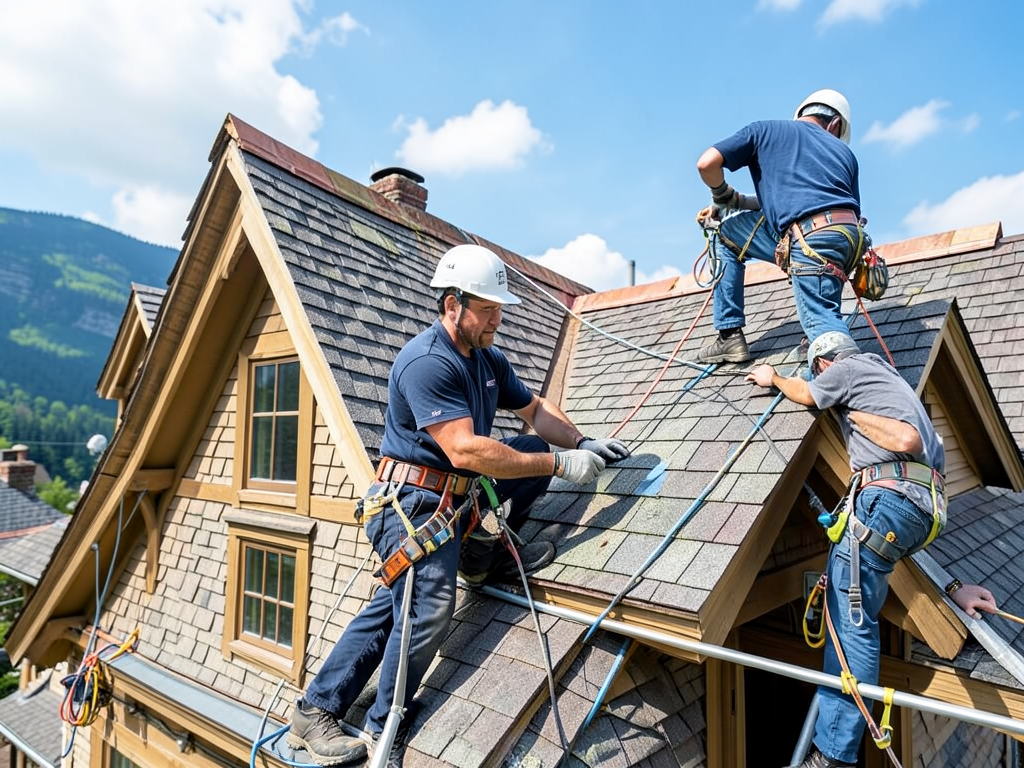
Baltimore County and City building codes require specific wind resistance ratings for roofing materials due to coastal storm exposure. Roofs must withstand sustained winds of 110 mph, which is why proper fastening patterns matter during repairs. Local roofing repair specialists understand these requirements and the inspection process if permits are needed. The city's Department of Housing and Community Development enforces strict standards on historic properties, particularly in neighborhoods like Federal Hill and Fell's Point where architectural integrity must be preserved. Choosing contractors familiar with Baltimore's permitting process prevents delays and ensures compliance. Local expertise also means understanding which suppliers carry materials that meet coastal rating requirements and match existing roof aesthetics common to Baltimore's diverse architectural styles.