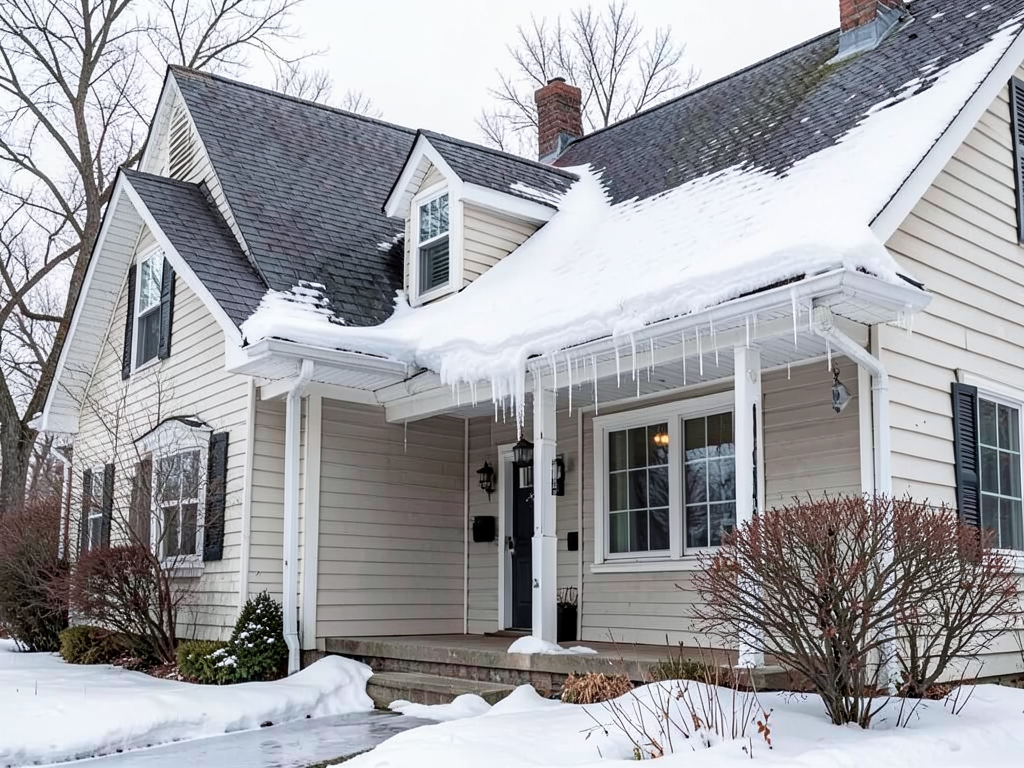
Baltimore sits at the intersection of Chesapeake Bay humidity and Mid-Atlantic freeze-thaw cycles. Winter temperatures regularly swing from below freezing at night to above 40 degrees during the day. When moisture-laden air from the harbor penetrates wood fascia boards or gets trapped behind soffit panels, it freezes overnight and expands. That expansion cracks paint, splits wood grain, and opens gaps. By spring, you have rot. This cycle repeats every year, accelerating damage faster than in drier or more stable climates. Homes in waterfront neighborhoods like Canton, Fells Point, and Locust Point face even greater exposure due to salt air, which corrodes metal fasteners and degrades paint finishes. Proper soffit and fascia installation in Baltimore requires materials and methods that account for this relentless moisture and temperature fluctuation.
Baltimore's housing stock includes thousands of historic rowhouses built before modern building codes. Many of these homes feature minimal attic ventilation and undersized soffit systems that no longer meet current standards. When you hire soffit and fascia contractors, you need a team that understands how to retrofit ventilation into older structures without compromising architectural integrity. A Plus Roofing Baltimore has worked extensively in Federal Hill, Mount Vernon, and other historic districts. We know how to navigate permit requirements, match existing profiles, and integrate modern ventilation systems into century-old homes. That local expertise matters when your project involves more than just replacing rotted boards. It means understanding the building methods, material availability, and inspection protocols specific to Baltimore.