menu

Shopping Center Roof Repair in Baltimore | Minimize Downtime and Protect Your Revenue Stream

A Plus Roofing Baltimore delivers commercial-grade shopping center roof repair that keeps tenants operational, prevents liability exposure, and meets Baltimore City code requirements without disrupting business operations.

Slider Image 1
Slider Image 2
Slider Image 3
Slider Image 4
Slider Image 5
Slider Image 7
Slider Image 8
Slider Image 9
Slider Image 10
Slider Image 11

Baltimore's Climate Creates Accelerated Roof Deterioration for Retail Properties

Your shopping center roof faces relentless punishment from Baltimore's coastal humidity and freeze-thaw cycles. The Chesapeake Bay's moisture-laden air accelerates membrane degradation on flat and low-slope commercial roofs. When temperatures drop below freezing during winter, trapped moisture expands within roofing materials, creating micro-tears that compound into major leaks.

Strip mall roof repair demands immediate attention because water infiltration spreads rapidly across connected retail units. A single roof penetration compromises multiple tenant spaces, triggering insurance claims, vacancies, and lost rental income. Baltimore's summer heat accelerates UV damage on EPDM and TPO membranes, causing surface cracking and seam failures that worsen during seasonal temperature swings.

Commercial retail roof repair requirements differ fundamentally from residential projects. Your property faces constant foot traffic from HVAC maintenance, higher wind loads along Canton and Fells Point waterfronts, and more complex drainage systems serving larger square footage. Shopping complex roof repair must address ponding water issues common to Baltimore's clay-based soil settlements, which cause gradual slope changes over time.

Retail center roof repair cannot wait for convenient scheduling. Every day of water intrusion increases structural damage to roof decking, degrades insulation R-values, and creates mold conditions that violate tenant lease agreements. Your tenants depend on weathertight conditions to protect inventory, maintain customer traffic, and operate without interruption. Shopping mall roof leak repair becomes exponentially more expensive when delayed, as secondary damage spreads through ceiling systems and destroys interior finishes across multiple commercial units.

Baltimore's Climate Creates Accelerated Roof Deterioration for Retail Properties
Commercial Roof Restoration Systems That Preserve Asset Value

Commercial Roof Restoration Systems That Preserve Asset Value

A Plus Roofing Baltimore deploys infrared moisture scanning to map subsurface water saturation without tearing off entire roof sections. This technology identifies wet insulation pockets invisible to visual inspection, allowing surgical removal of compromised areas while preserving intact roofing materials. You avoid unnecessary tear-off costs and reduce project timelines by 40 to 60 percent compared to full replacement approaches.

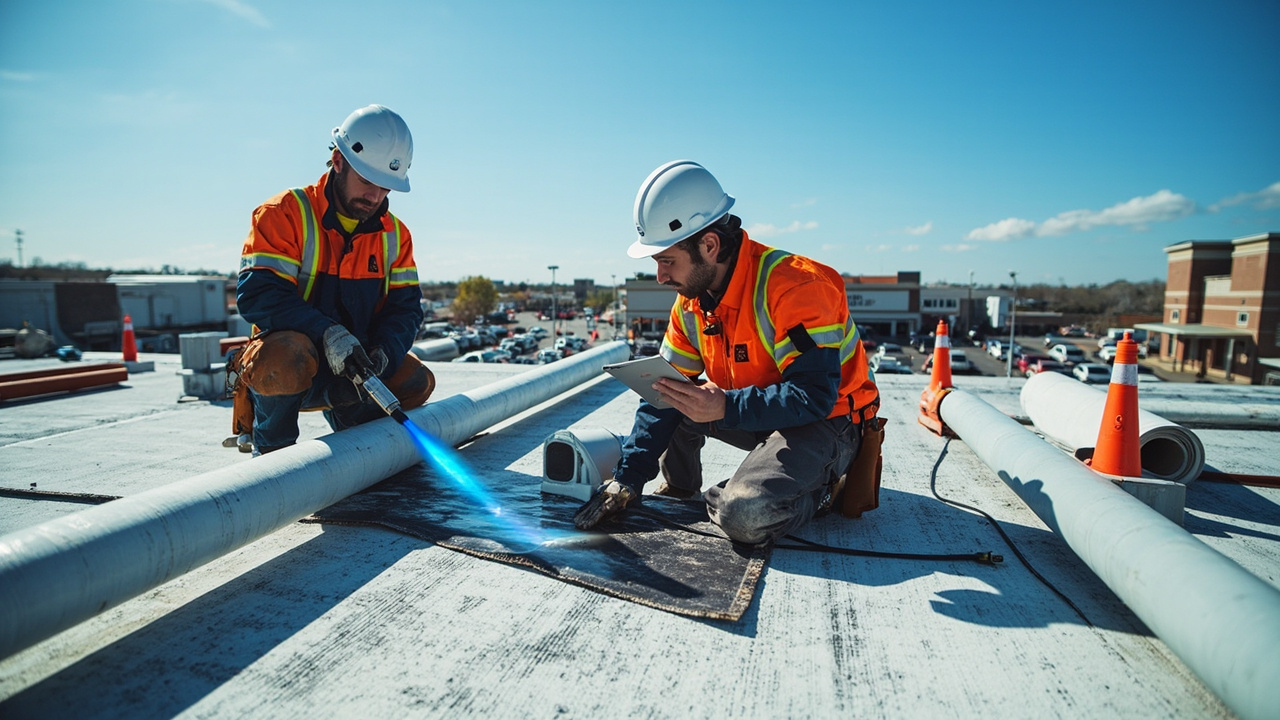
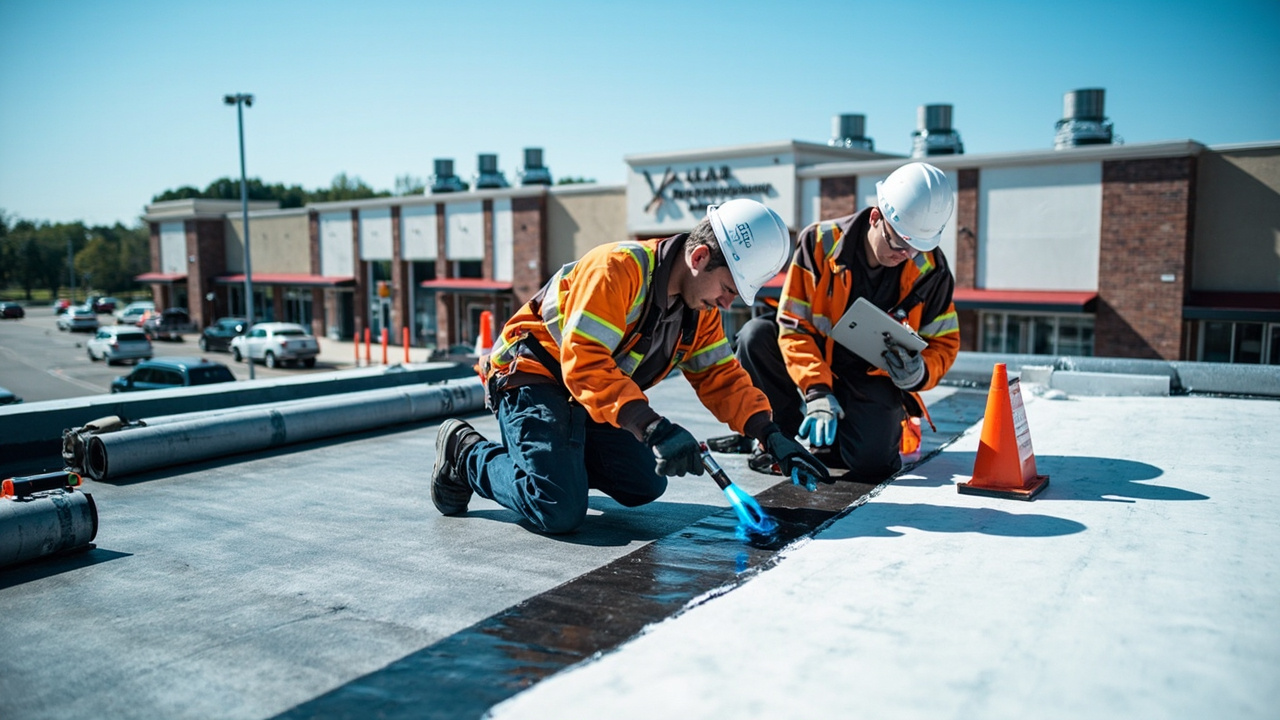
We execute phased repair protocols that isolate work zones, maintaining tenant access throughout the project. Our crews install temporary weather barriers using heat-welded seams, not tarps that blow off during storms. This approach protects your property during multi-day repairs while allowing normal business operations. You maintain rent collection without interruption.

Shopping center roof repair requires understanding of multiple roofing assemblies under one property. Your anchor tenant may have different membrane types than inline retail spaces. We cross-reference original construction documents, identify each system's vulnerabilities, and match repair materials to existing substrates. Incompatible repair materials cause premature failures and void manufacturer warranties.

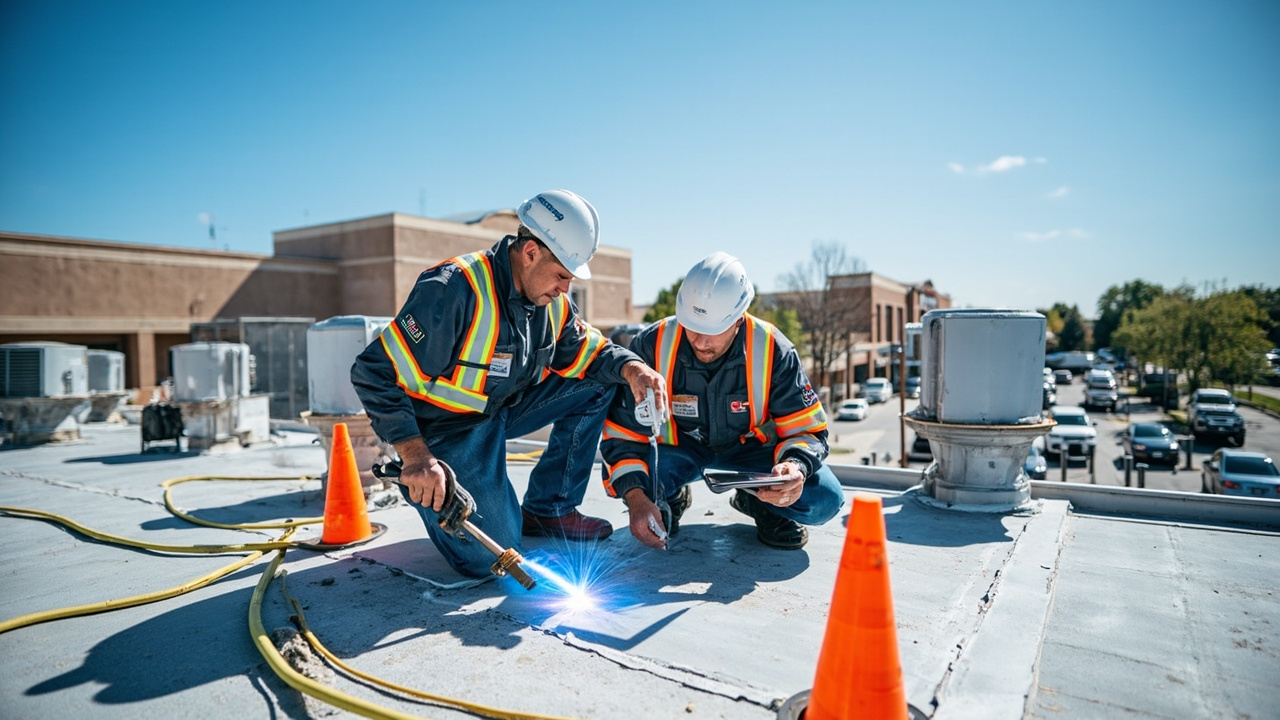
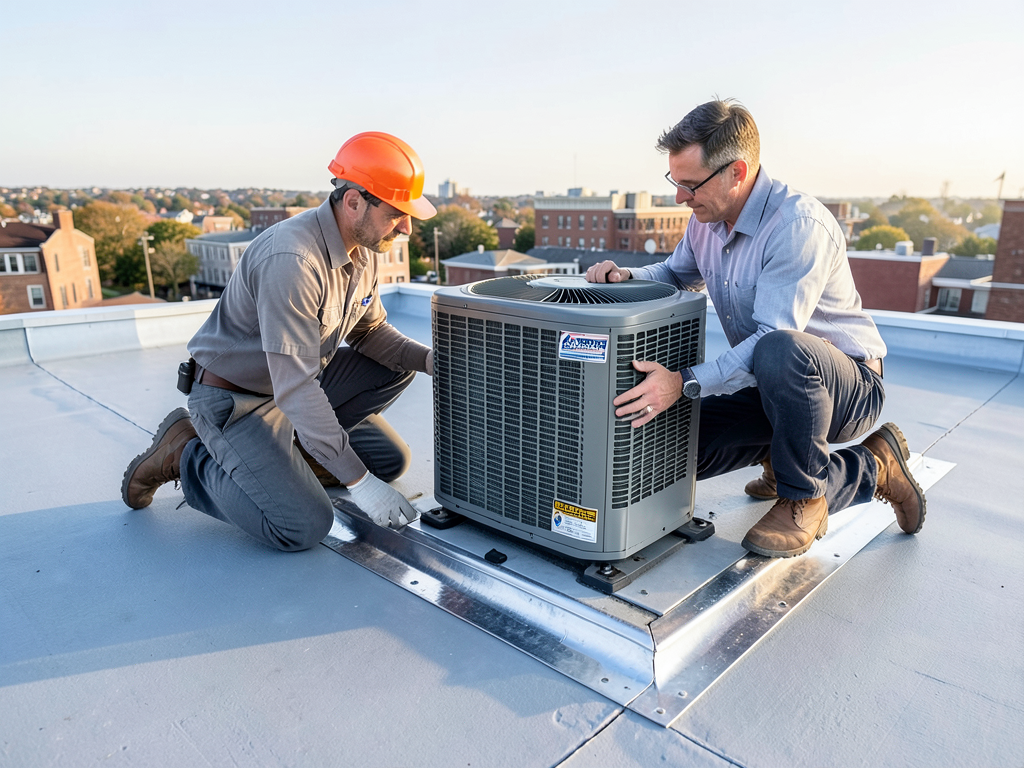
Our process includes flashing rehabilitation around rooftop HVAC units, parapet walls, and penetrations where 80 percent of commercial leaks originate. We remove failed sealants, rebuild reglet details, and install two-part flashing systems with mechanical attachments. Caulk alone fails within 18 months on commercial applications due to thermal cycling and UV exposure.

Strip mall roof repair specifications meet Baltimore City commercial building codes for fire resistance and wind uplift ratings. We pull permits, coordinate inspections, and provide documentation that satisfies lender requirements and protects you during property transactions. Unpermitted roof work creates title issues and devalues your asset during sale negotiations.

How Shopping Center Roof Repairs Proceed Without Operational Disruption

Shopping Center Roof Repair in Baltimore | Minimize Downtime and Protect Your Revenue Stream
01

Diagnostic Assessment and Scope Definition

We conduct after-hours roof inspections to avoid disrupting retail operations, using core sampling and moisture meters to quantify damage extent. You receive a detailed scope document with CAD drawings showing repair zones, material specifications, and phasing options. This documentation supports insurance claims and provides cost certainty before work begins. We identify code compliance gaps and structural loading issues that create liability exposure if left unaddressed.
02

Tenant Coordination and Protection

Our project manager notifies all tenants 72 hours before mobilization, explaining noise expectations, staging areas, and emergency contact protocols. We install interior ceiling protection in affected spaces and position leak diversion systems as contingency measures. Work proceeds during off-peak hours when possible. You maintain positive tenant relationships while addressing critical building envelope failures. We document pre-existing conditions with photos to eliminate dispute liability.
03

Quality Verification and Documentation

Final inspection includes flood testing of repaired areas and thermal imaging to verify proper insulation installation. You receive as-built drawings, material warranties, and a maintenance protocol specific to your roof system. We schedule annual inspections to catch minor issues before they become major failures. This preventive approach extends roof service life by 30 to 50 percent and provides documentation that reduces insurance premiums and supports property valuations during refinancing.

Why Baltimore Property Owners Choose Local Commercial Roofing Expertise

A Plus Roofing Baltimore maintains relationships with building inspectors, understands permit processing timelines at 417 East Fayette Street, and knows which roof systems pass Baltimore City's stringent wind uplift requirements. National franchises lack this institutional knowledge. We navigate local inspection protocols efficiently, avoiding project delays that cost you rental income.

Our crews understand Baltimore's building stock. Many shopping centers in Dundalk, Essex, and Brooklyn Park were constructed during the 1960s through 1980s using built-up roofing over wood nailers. These assemblies require different repair approaches than modern single-ply systems. We maintain supplier relationships for obsolete roofing materials, allowing us to execute compatible repairs when full replacement exceeds your capital budget.

Commercial retail roof repair timing matters in Baltimore's market. We execute emergency repairs within four hours of your call, preventing water damage during the thunderstorms that roll off the Chesapeake Bay between April and October. Your tenants stay operational. Your insurance deductible stays manageable. Your property maintains its reputation as a well-managed retail destination.

Shopping complex roof repair demands adequate insurance coverage and bonding capacity. A Plus Roofing Baltimore carries aggregate limits that cover large-loss scenarios, protecting you from contractor default situations that leave projects incomplete. We provide certificates of insurance naming your property as additional insured before crews arrive on site. This protects you from subcontractor injury claims and material supplier liens.

We provide references from other Baltimore shopping center owners who faced similar roof failures. You can verify our performance, review our communication style, and confirm our ability to complete projects within quoted budgets. Transparency builds trust. Trust enables efficient project execution without contentious change order negotiations.

What Baltimore Property Managers Should Expect During Roof Repairs

Project Timeline and Staging Approach

Shopping center roof repair timelines depend on damage extent, material availability, and weather conditions. A typical 20,000-square-foot section repair requires five to seven working days from mobilization to final inspection. We provide critical path schedules showing daily objectives, weather contingency plans, and coordination requirements with your property management team. Emergency repairs begin within four hours to prevent ongoing water intrusion. Phased approaches allow us to address urgent failures immediately while scheduling comprehensive repairs during slower retail periods. You receive daily progress updates and photo documentation showing completed work areas.

Damage Assessment and Repair Specification

Initial roof assessment includes moisture mapping, core samples to verify insulation condition, and structural evaluation of roof decking. We identify all contributing factors, not just visible symptoms. You receive a written report explaining failure causes, repair options with cost implications, and recommendations for addressing underlying issues. This diagnostic approach prevents repeat failures that waste capital budgets. We differentiate between normal wear and installation defects that may trigger warranty claims against original contractors. Insurance adjusters rely on our documentation during claims processing because we provide technical analysis that supports coverage decisions.

Completed Roof System Performance

Properly executed commercial roof repairs restore original design performance and stop ongoing deterioration. You eliminate recurring leak complaints, protect tenant relationships, and preserve interior finishes from water damage. Repaired roof sections integrate seamlessly with existing materials, maintaining uniform appearance across your property. We provide thermal imaging confirmation that insulation R-values meet energy code requirements, reducing HVAC operating costs. Your property maintains its competitive position in Baltimore's retail market by offering tenants weathertight spaces that protect inventory and create positive shopping environments. Well-maintained roofs support higher property valuations and lower capitalization rates during appraisals.

Maintenance Programs and Ongoing Support

Commercial roof longevity requires proactive maintenance, not reactive emergency repairs. We offer annual inspection programs that identify minor issues before they escalate into tenant-impacting failures. You receive detailed reports after each inspection, showing roof condition ratings, recommended repairs, and budget projections for upcoming needs. This planning approach allows you to schedule work during optimal weather windows and avoid emergency premium pricing. We maintain service records for your property, tracking repair history and material performance over time. This data supports capital planning decisions and helps you optimize roof replacement timing to maximize return on investment.

Frequently Asked Questions

You Have Questions,
We Have Answers

What's the average cost to patch a roof? +

Patching a commercial roof typically ranges from $300 to $1,500 per repair, depending on the membrane type, access difficulty, and extent of damage. Shopping centers with TPO or EPDM systems face different labor costs than built-up roofing. Baltimore's freeze-thaw cycles often create multiple failure points, which increases scope. Membrane patches require proper surface prep and seam welding. Flashing repairs around HVAC units or parapet walls add complexity. Get a detailed scope breakdown before approving work. Deferred patches on flat commercial roofs lead to interior damage and business interruption costs that far exceed the repair price.

What is the 25% rule in roofing? +

The 25% rule states that if more than 25% of your roof section requires repair or replacement, you must bring that entire section up to current building code. This matters for Baltimore shopping centers because older roofs may need upgraded insulation, fire ratings, or drainage improvements when crossing this threshold. The rule prevents piecemeal fixes on deteriorating roofs that pose liability risks. It applies per roof section, not the entire building. If your patch work exceeds 25% of one section, expect permit requirements and inspections. This drives costs up but protects you from code violations and insurance disputes.

How much should it cost to fix a roof? +

Commercial roof repairs for shopping centers range from $500 for minor leaks to $15,000 for extensive membrane replacement. Variables include roof size, access constraints, membrane type, and structural repairs. Baltimore's climate demands proper flashing and drainage work, which adds to scope. Flat roofs with ponding water require tapered insulation systems. Expect higher costs if the decking shows rot or if you need emergency service during tenant business hours. Get three itemized bids that separate materials, labor, and code compliance work. Avoid contractors who quote without infrared scanning or core samples on older roofs.

How to get a roof replaced for free? +

Free roof replacement only happens through insurance claims after covered events like storm damage or through specific government programs for qualifying nonprofits. Baltimore shopping centers should document all wind, hail, or debris damage immediately and file claims promptly. Insurance adjusters look for sudden, accidental damage, not deferred maintenance. Some energy efficiency grant programs offer partial funding for cool roofing systems, but they require upfront investment. Do not fall for contractors offering free roofs in exchange for signing over insurance proceeds. That creates liability issues and often results in substandard work that fails inspections.

What is the cheapest way to repair a roof? +

The cheapest immediate fix is applying roof coatings or membrane patches to small damaged areas. However, cheap repairs on deteriorating shopping center roofs cost more long-term through repeat failures and tenant disruption. Baltimore's humidity and temperature swings break down temporary fixes quickly. Proper repairs require surface prep, compatible materials, and sealed penetrations. Delaying comprehensive repairs creates liability exposure when leaks damage tenant inventory or create slip hazards. Budget for proper fixes that address root causes like inadequate drainage or failed flashing. Cheap patches without addressing ponding water or structural issues will fail within months and compound your total spend.

What is the most expensive part of replacing a roof? +

Structural decking replacement is the most expensive component, often comprising 40% to 60% of total project costs. Shopping centers with water-damaged plywood or concrete decking face extensive demolition, disposal, and reconstruction costs. Baltimore's older retail buildings may have hidden rot from years of undetected leaks. Removing and replacing HVAC curbs, parapet caps, and edge metal adds significant labor. Membrane and insulation are commodities. The skilled labor to properly tie new decking into existing structure, maintain roof planes, and work around occupied tenant spaces drives costs. Always get moisture scanning before quoting to identify hidden decking failures.

How to tell if a roofer is lying? +

Red flags include refusing to provide proof of commercial liability insurance, pushing for full payment upfront, or guaranteeing insurance will cover everything before inspection. Dishonest contractors avoid written scopes, inflate damage reports to insurance adjusters, or quote without proper roof access. In Baltimore, watch for contractors unfamiliar with local code requirements for commercial buildings or who cannot explain proper flashing details for your specific membrane type. Legitimate commercial roofers provide references from similar shopping center projects, itemized proposals, and manufacturer certifications. Verify they pull permits for work exceeding the 25% threshold. Pressure tactics indicate problems.

How old may a roof be before insurance claims it's too old? +

Most carriers limit coverage on roofs over 20 years old, with many requiring inspections at 15 years. Baltimore shopping centers with roofs approaching these thresholds face non-renewal notices or actual cash value settlements instead of replacement cost coverage. Insurance companies view aging commercial roofs as deferred maintenance risks. Some carriers drop coverage entirely after 25 years regardless of condition. Proactive documentation with annual inspections and maintenance records helps during renewals. If your roof exceeds age limits, expect higher premiums, wind and hail exclusions, or requirements for costly updates before renewal. Plan replacement before hitting carrier thresholds to maintain full coverage.

What is the DeSantis roof law? +

The DeSantis roof law is Florida-specific legislation that changed insurance claim handling and contractor practices after Hurricane Ian. It does not apply to Maryland commercial properties. Baltimore shopping centers follow Maryland building codes and insurance regulations, which have different requirements for roof inspections, claim filing deadlines, and contractor licensing. However, the Florida law highlights national trends in insurance companies restricting coverage on older roofs and requiring detailed damage documentation. Maryland has its own statutes governing commercial property insurance and contractor conduct. Focus on Maryland-specific code compliance and local carrier requirements when planning repairs or filing claims for your shopping center.

What is the best time of year for roof repair? +

Late spring through early fall offers the best conditions for commercial roof work in Baltimore. Membrane adhesives and sealants require temperatures above 40 degrees for proper curing. Summer provides longer daylight hours and stable weather, minimizing business disruption for your tenants. Avoid winter work when freeze-thaw cycles compromise material performance and ice creates safety hazards. However, emergency repairs cannot wait for ideal seasons. Fall scheduling before winter storms helps prevent interior damage during Baltimore's wet, cold months. Book major projects early because commercial roofing contractors fill schedules months ahead during peak season. Off-season work may offer cost savings but risks weather delays.

How Baltimore's Harbor Winds and Humidity Accelerate Shopping Center Roof Failures

Baltimore shopping centers face unique roof stress from prevailing winds off the Patapsco River and Inner Harbor that create uplift pressures exceeding standard design loads. Properties in Locust Point, Canton, and Harbor East experience wind-driven rain that penetrates roof seams and overwhelms drainage systems during nor'easters. The city's 75 percent average humidity accelerates fastener corrosion on metal roof panels and deteriorates adhesive bonds on single-ply membranes. These conditions demand more frequent inspection intervals and proactive maintenance compared to properties in drier climates. Strip mall roof repair becomes critical when high winds exploit existing vulnerabilities, turning minor defects into catastrophic failures during severe weather events.

Baltimore City requires commercial roof work permits for projects exceeding 100 square feet, and inspectors enforce strict compliance with International Building Code provisions for fire resistance and structural loading. A Plus Roofing Baltimore maintains established relationships with the Department of Housing and Community Development, ensuring smooth permit processing and inspection coordination. We understand local requirements for roof access ladder placement, fall protection systems, and stormwater management that out-of-town contractors often overlook. This local expertise prevents project delays and costly rework. Property owners benefit from our knowledge of which building inspectors prioritize specific code sections, allowing us to prepare documentation that expedites approval processes.
Roofing Services in The Baltimore Area

We are proud to be a locally owned and operated business committed to serving the entire Baltimore community and its surrounding counties. View our office location on the map and see the breadth of our service area. We encourage you to visit our facility or contact us directly to discuss your next roofing project.

Address:
A Plus Roofing Baltimore, 101 N Haven St, Baltimore, MD, 21224

Additional Services We Offer

Our news updates

Latest Articles & News from The Blogs

How New Attic Insulation Can Actually Extend the Life of Your Towson Roof Your Towson roof faces a unique combination…

How New Attic Insulation Can Actually Extend the Life of Your Towson Roof

How New Attic Insulation Can Actually Extend the Life of Your Towson Roof Your Towson roof faces a unique combination…

Why Pressure Washing Your Pikesville Roof Does More Harm Than Good

Why Pressure Washing Your Pikesville Roof Does More Harm Than Good Your Pikesville roof faces unique challenges from Maryland’s humid…

Why Steep Slope Roofs in Mount Airy Require a Different Kind of Specialist

Why Steep Slope Roofs in Mount Airy Require a Different Kind of Specialist Steep slope roofs in Mount Airy present…

Contact Us

Water damage spreads rapidly across connected retail spaces. Call A Plus Roofing Baltimore at (443) 455-9099 for immediate assessment. We provide emergency response and permanent solutions that keep your shopping center operational and profitable.