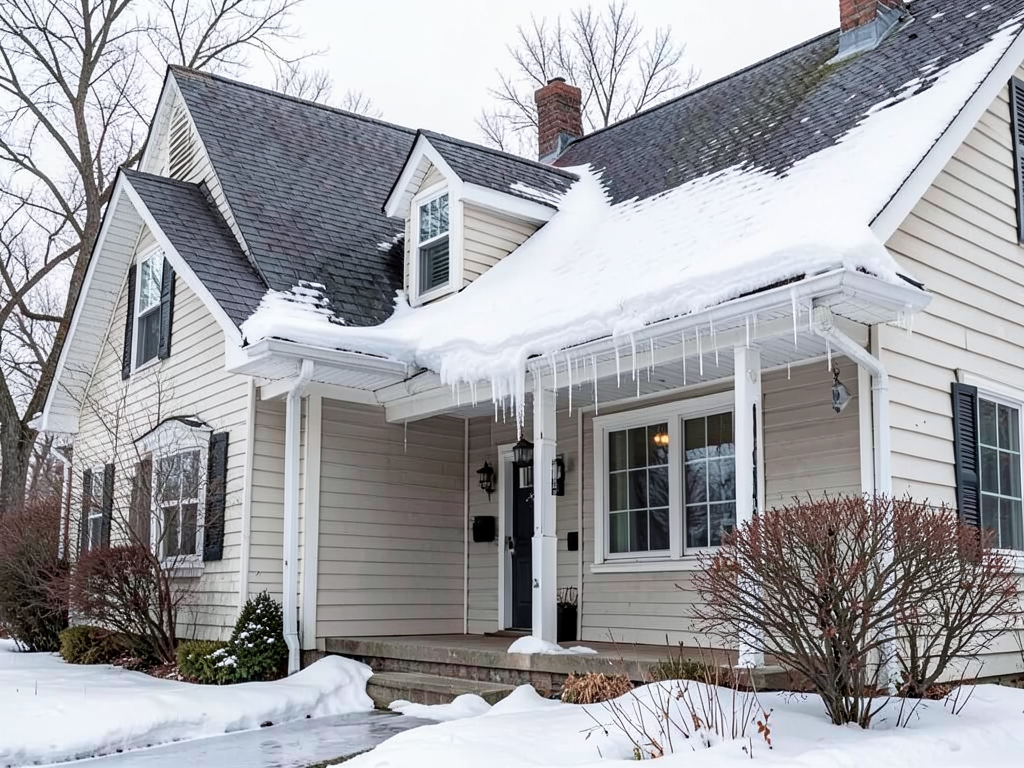
Baltimore sits at the convergence of Chesapeake Bay salt air, Piedmont freeze-thaw cycles, and Atlantic coastal storm tracks. Your roof endures temperature swings from single digits in January to 95 degrees with 80 percent humidity in July. Salt air corrodes standard galvanized flashing within ten years, requiring stainless steel or copper upgrades that most contractors do not spec. The nor'easters that track up the coast bring sustained 40 mph winds with gusts above 60, which is why impact-resistant shingles and proper fastening patterns matter here. Ice dams form on the north-facing slopes common in rowhouse construction, forcing melt water under shingles and rotting your deck before you see interior stains. These conditions make Baltimore one of the harshest roofing environments on the East Coast.
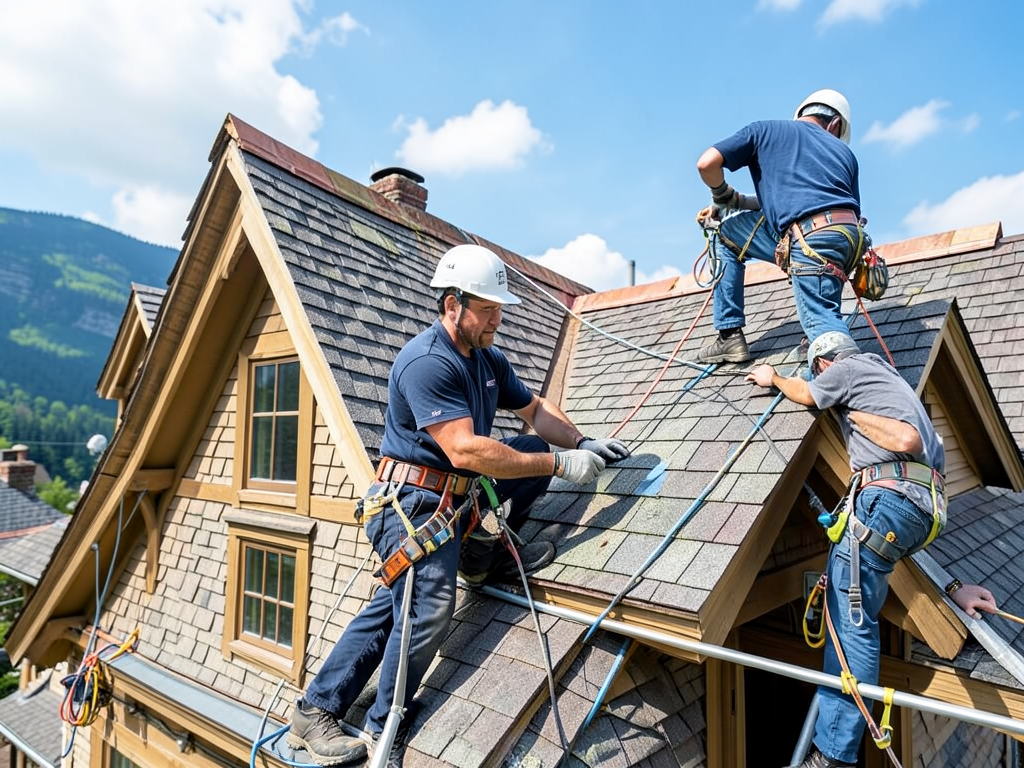
The Commission for Historical and Architectural Preservation governs material choices in districts like Mount Vernon, Bolton Hill, and Federal Hill. You cannot install standard three-tab shingles on properties built before 1945 in these areas. Slate replacement, copper flashing, and concealed fastening systems cost more but are required for permit approval. A Plus Roofing Baltimore works within these constraints regularly and knows which products satisfy both preservation requirements and modern performance standards. We help you navigate the approval process and source period-appropriate materials that protect your investment without triggering violations. Local expertise matters when your project timeline depends on understanding commission procedures and inspector expectations.