menu

Slate & Synthetic Slate Roofing in Baltimore – Authentic European Aesthetics Built for Mid-Atlantic Weather

Achieve the timeless elegance of natural slate roof tiles or the durability of composite slate roofing without the structural limitations, engineered specifically for Baltimore's freeze-thaw cycles and wind-driven rain.

Slider Image 1
Slider Image 2
Slider Image 3
Slider Image 4
Slider Image 5
Slider Image 7
Slider Image 8
Slider Image 9
Slider Image 10
Slider Image 11

Why Baltimore Homes Demand More from Slate and Slate Alternative Systems

Baltimore's four-season climate is brutal on roofing systems. Winter freeze-thaw cycles cause ice dams and expansion stress. Spring brings wind-driven rain that tests every seam and fastener. Summer humidity accelerates organic growth on porous surfaces. Fall storms deposit acidic leaf debris that etches some materials.

Natural slate roof tiles offer unmatched beauty and longevity, but they require specialized structural support and skilled installation to handle the weight. A single natural slate tile weighs between eight and fourteen pounds per square foot. Many Baltimore rowhouses and older Colonial Revival homes were not built to carry that load without reinforcement. The pitched roofs common in neighborhoods like Roland Park and Guilford can handle authentic slate roofing if the framing is evaluated properly.

That is where composite slate roofing and faux slate shingles enter the equation. Modern imitation slate tiles deliver the visual depth and shadow lines of quarried stone at one-third the weight. These synthetic options resist algae growth better than natural materials because they lack the porous calcium carbonate structure that feeds spores. They also handle thermal expansion more predictably than natural stone, which matters during those August heat waves when roof surface temperatures exceed 160 degrees.

If you want the look without the structural engineering, composite systems work. If you want a roof that lasts 75 to 100 years and increases resale value, authentic slate roofing remains the gold standard. Both paths require expertise in flashing details, underlayment selection, and fastener spacing specific to slate profiles.

Why Baltimore Homes Demand More from Slate and Slate Alternative Systems
How We Install Slate Systems That Survive Baltimore Weather

How We Install Slate Systems That Survive Baltimore Weather

Every slate installation starts with a structural load analysis. We calculate dead load capacity using actual rafter dimensions and span tables, not assumptions. For natural slate roof tiles, we verify that your roof framing can handle 800 to 1,400 pounds per square without deflection. If reinforcement is needed, we coordinate with structural engineers before ordering materials.

Underlayment selection separates competent work from failures. We use high-temperature synthetic underlayment rated for the thermal expansion of slate, not asphalt felt that degrades in five years. The underlayment must handle condensation without wicking moisture into the decking. In Baltimore's humidity, vapor permeability matters.

Flashing is where most slate roofs fail early. We fabricate custom copper or stainless steel flashing for valleys, chimneys, and wall intersections. Pre-formed aluminum flashing does not conform to the uneven surface of slate tiles. Every headlap and sidelap follows the slate manufacturer's specifications, which vary by tile thickness and roof pitch. A 6-in-12 pitch requires different exposure than a 10-in-12 pitch.

For composite slate roofing and faux slate shingles, we adjust fastener type and placement. Synthetic materials expand and contract more than stone, so we use fasteners with neoprene washers and avoid overdriving. The substrate preparation is identical to natural slate. We do not treat imitation slate tiles like asphalt shingles. You lose the warranty and the performance if you skip the proper deck prep and starter course detailing.

Wind uplift resistance requires proper attachment to resist Baltimore's spring storm gusts. We follow the ICC-ES testing data for each product and adjust for your roof's exposure category.

What Happens During Your Slate Roof Installation

Slate & Synthetic Slate Roofing in Baltimore – Authentic European Aesthetics Built for Mid-Atlantic Weather
01

Structural Evaluation and Material Selection

We inspect your attic framing and measure rafter spacing, size, and span. You receive a written load capacity report before we recommend natural slate roof tiles or composite slate roofing. We review color samples in natural light at your property because slate varies dramatically under different lighting. Quarry source affects color consistency and durability for authentic slate roofing, so we explain the differences between Pennsylvania, Vermont, and imported options.
02

Deck Preparation and Flashing Fabrication

We remove the existing roof down to the decking and inspect for rot or deflection. Any damaged sheathing gets replaced with plywood rated for the fastener pull-through requirements of slate systems. We install the synthetic underlayment with proper overlap and mechanical fastening. Custom flashing is fabricated on-site for chimneys, valleys, and penetrations. Pre-installation of all flashing components prevents the need to disturb installed slate tiles later, which risks breakage.
03

Installation and Final Inspection

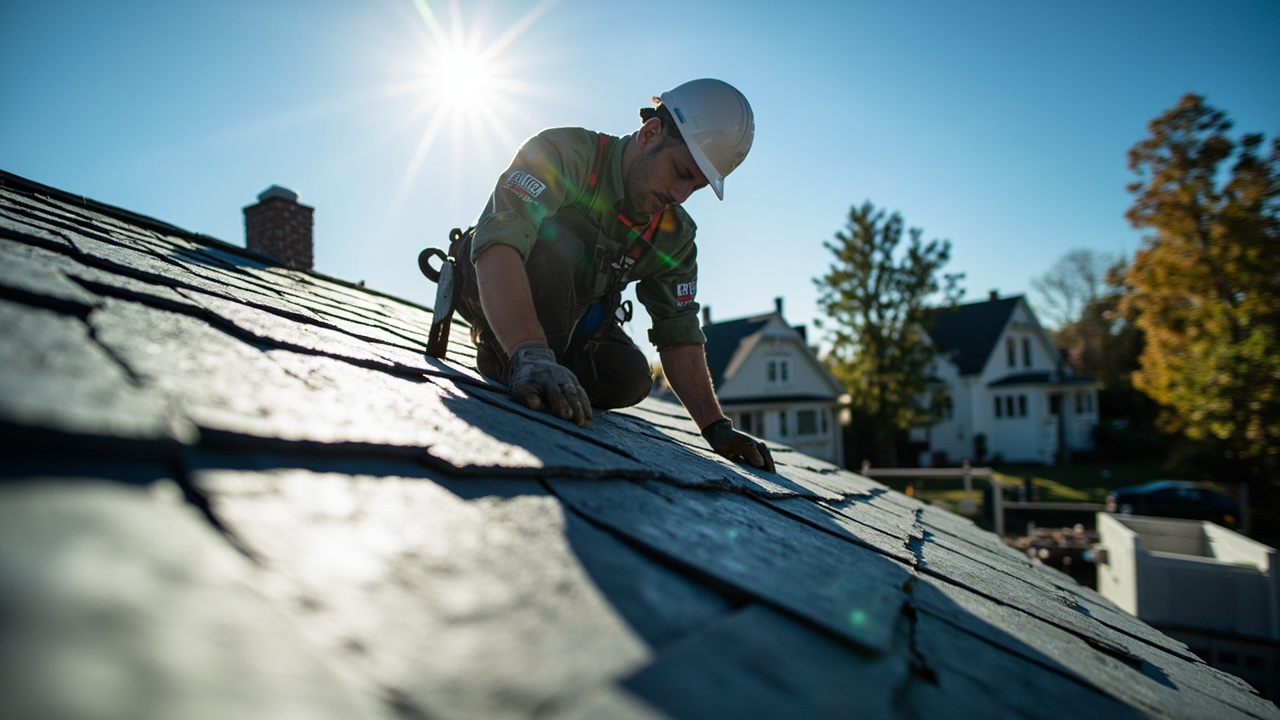
Slate tiles are installed from eave to ridge using copper or stainless steel nails. Each course is checked for alignment and proper exposure. Ridge caps and hip details receive individual attention because these areas handle the most wind stress. After installation, we inspect every flashing intersection and verify that no fasteners are exposed. You receive documentation of the installation specifications and a maintenance guide specific to your slate type and roof configuration.

Why Baltimore Property Owners Trust A Plus Roofing Baltimore for Slate Systems

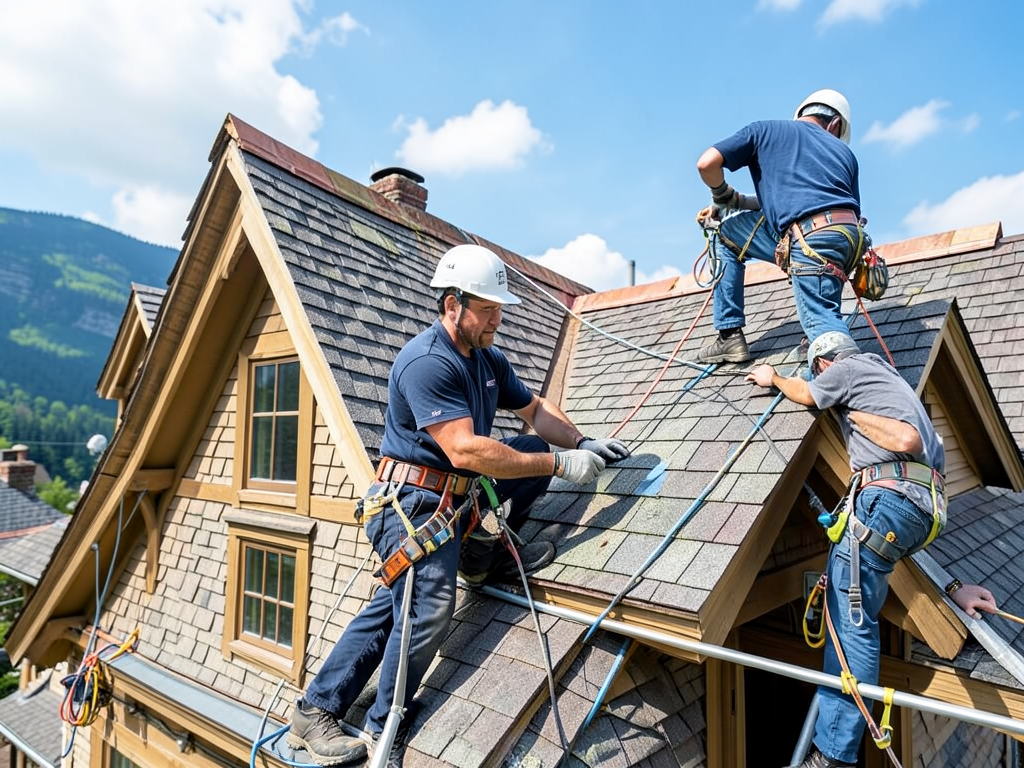
Slate roofing is not a commodity service. It requires specific training and tool investment that most crews avoid. A Plus Roofing Baltimore employs installers with documented slate experience, not laborers learning on your home. We carry the specialized slate cutters, stake pullers, and rigging equipment needed to handle fragile materials on steep pitches.

Our familiarity with Baltimore's historic districts matters if you live in an area with architectural review requirements. Neighborhoods like Bolton Hill and Mount Vernon have specific guidelines about slate color, texture, and installation methods. We have worked through the approval process with local historic commissions and know which composite slate roofing products meet their visual standards when natural slate is cost-prohibitive.

We also understand Baltimore's code requirements for ice and water shield placement, which changed in recent code cycles. The building department expects proper documentation of underlayment specifications and fastener schedules for slate systems. We provide that documentation as part of every permit application.

Material sourcing separates us from competitors who spec whatever the distributor has in stock. We source natural slate roof tiles directly from quarries when quality and color matching matter. For faux slate shingles and imitation slate tiles, we use manufacturers with ICC-ES reports and proven wind uplift performance. You get specifications in writing before we order materials.

When you invest in a slate roof, you expect it to outlast you. We build them that way. Our installations in Roland Park, Homeland, and Ruxton have survived fifteen years of Baltimore weather without callback repairs. That track record comes from doing the structural homework, using proper flashing details, and refusing to cut corners on underlayment or fasteners.

What You Can Expect from Your Slate Roofing Project

Project Timeline and Scheduling

Slate installations take longer than asphalt shingle replacements. A typical residential project requires seven to fourteen days depending on roof complexity, weather, and material type. Natural slate roof tiles require more handling time than composite slate roofing because each tile must be individually placed and fastened. We do not rush slate work. Weather delays are common because we will not install slate on wet decking or when temperatures drop below the adhesive activation threshold for underlayment. You receive a detailed schedule before we start and daily updates if conditions change the timeline.

Initial Consultation and Specification Review

Your consultation includes an attic inspection and measurement session. We photograph the existing roof structure and document any previous repairs or modifications. You receive material samples to review at your property under natural light. We explain the performance differences between natural slate roof tiles, composite slate roofing, and faux slate shingles without pushing you toward the highest-priced option. The goal is to match your aesthetic expectations and structural reality. We provide written specifications for underlayment, flashing material, fastener type, and exposure measurements before you sign a contract.

The Quality of the Finished Roof

A properly installed slate roof has clean lines, consistent exposure, and zero visible fasteners. The shadow lines should be uniform across the entire roof plane. Flashing should be tight to the slate surface without gaps or buckles. You should not see any underlayment peeking through at eaves or rakes. The ridge caps should align symmetrically and resist hand pressure. We walk you through a final inspection and explain the maintenance requirements specific to your slate type. Authentic slate roofing requires periodic inspection of fasteners and flashing, but the tiles themselves need no maintenance. Imitation slate tiles may require occasional cleaning in shaded areas prone to algae.

Long-Term Performance and Maintenance Guidance

Natural slate roof tiles can last 75 to 150 years depending on quarry source and installation quality. Composite slate roofing typically carries a 50-year material warranty. We provide a written maintenance guide that covers gutter cleaning frequency, recommended inspection intervals, and signs of flashing deterioration. You should inspect your slate roof annually from the ground using binoculars and have a professional inspection every five years. Most slate roofs never need tile replacement during the first 30 years if installed correctly. Flashing may require resealing or replacement at the 25 to 40-year mark. We offer maintenance contracts for clients who want scheduled inspections and minor repairs handled proactively.

Frequently Asked Questions

You Have Questions,
We Have Answers

Is slate roofing better than synthetic slate? +

Real slate offers authentic beauty and can last over a century, but it costs significantly more and requires structural reinforcement due to weight. Synthetic slate mimics the look at half the weight and price while still delivering 50-plus years of performance. In Baltimore's freeze-thaw climate, quality synthetics resist cracking better than some lower-grade natural slates. Your choice depends on budget, historic preservation requirements, and roof framing capacity. For most Baltimore homeowners, synthetic slate provides the elegance of natural stone without the structural headaches or extreme cost.

How much does a synthetic slate roof cost? +

Synthetic slate roofing costs vary based on product grade, roof complexity, and square footage. You cannot get accurate pricing without an inspection. Baltimore roofs with multiple valleys, steep pitches, or turrets require more labor and material waste. Premium composite slate products cost more than entry-level options but deliver superior impact resistance and color retention. Factor in tear-off costs if replacing an existing roof, plus underlayment, flashing upgrades, and ventilation improvements. Always get three written estimates from licensed contractors familiar with Baltimore building codes.

How long will a synthetic slate roof last? +

Quality synthetic slate roofs last 50 to 75 years when installed correctly. Cheaper polymer products degrade faster under Baltimore's UV exposure and temperature swings. Premium composites with advanced UV inhibitors and impact-resistant formulations hold color and structural integrity longer. Lifespan depends on proper installation, adequate ventilation, and regular maintenance like clearing debris and checking flashing. Baltimore's humidity and occasional hail demand impact-rated products. A well-ventilated attic prevents heat buildup that accelerates material breakdown. Expect decades of performance if you choose contractor-grade synthetics and professional installation.

Are artificial slates any good? +

High-quality artificial slates perform well in Baltimore's climate when installed by experienced contractors. Premium composites resist impact, freeze-thaw cycles, and UV degradation better than outdated plastic products from 20 years ago. Modern synthetics replicate natural slate's texture and color variation convincingly. Cheaper versions fade, crack, or warp within 15 years. Look for Class 4 impact ratings and manufacturers with proven track records. Artificial slate works well for Baltimore rowhouses and colonials where structural loading limits real slate use. Verify warranties cover both material defects and labor, not just prorated material replacement.

What are the downsides of slate roofing? +

Natural slate costs significantly more upfront and weighs 800 to 1,500 pounds per square, requiring structural reinforcement most Baltimore homes lack. Installation demands specialized skills, and repairs get expensive when individual tiles crack from freeze-thaw damage or impact. Slate is brittle, so walking on the roof risks breakage. Finding matching replacement tiles for repairs can take weeks. Baltimore's row homes and older colonials often need costly framing upgrades before slate installation. Despite its longevity, the high entry cost and ongoing repair complexity make slate impractical for most residential budgets.

What happens if slate gets wet? +

Natural slate absorbs minimal water due to its dense composition, but moisture infiltration occurs through damaged tiles, failed flashing, or deteriorated underlayment. Baltimore's freeze-thaw cycles cause absorbed water to expand, cracking vulnerable slates from the inside. Synthetic slate is engineered to repel water completely and resists moisture damage better than natural stone. When water penetrates any roof system, the underlayment and decking suffer rot and mold growth. Proper flashing around chimneys, valleys, and penetrations prevents water intrusion regardless of slate type. Regular inspections catch problems before leaks damage interior ceilings.

What is the longest lasting slate roof? +

Welsh and Canadian slate roofs last 100 to 200 years when properly maintained, representing the longest-lasting natural slate materials. Premium synthetics reach 50 to 75 years but cannot match quarried stone's extreme longevity. Baltimore has historic homes with century-old slate roofs still performing, though many require ongoing tile replacement and flashing repairs. Longevity depends on slate grade, installation quality, and climate exposure. Soft slates deteriorate within 50 to 75 years, while hard slates endure much longer. For maximum lifespan, choose high-grade materials and contractors experienced with slate-specific installation techniques.

Do slate roofs increase home value? +

Slate roofs increase home value through curb appeal, longevity, and perceived quality. Baltimore buyers recognize slate as a premium feature that signals low future maintenance. Appraisers note slate positively, especially in historic neighborhoods like Federal Hill or Bolton Hill where architectural authenticity matters. Synthetic slate offers similar value benefits at lower cost. The return on investment depends on your neighborhood and buyer demographics. Luxury markets reward authentic materials more than entry-level areas. Slate roofing differentiates your property in competitive markets, but do not expect dollar-for-dollar recoupment of installation costs at resale.

What is the best slate roof material? +

Natural hard slate from Vermont, Virginia, or Canadian quarries offers the best performance and longevity, lasting over a century. For synthetics, look for polymer composites with Class 4 impact ratings and proven UV resistance. Brands matter less than specifications and contractor familiarity with the product. Baltimore's climate demands materials that handle freeze-thaw cycles and high humidity without cracking or fading. Verify the manufacturer offers transferable warranties and maintains consistent product availability for future repairs. Choose materials your contractor has installed successfully for at least five years to avoid experimental products.

What are the disadvantages of synthetic roof underlayment? +

Synthetic underlayment costs more than felt and becomes slippery when wet, creating fall hazards during installation. Some products degrade under extended UV exposure if left uncovered too long. Baltimore contractors must work carefully on steep pitches when using synthetic underlayment. Cheaper versions tear easily during fastening or in high winds. Quality synthetic underlayment outperforms felt in moisture resistance and longevity, but improper installation negates those benefits. Ensure your contractor uses walkable synthetic products or takes proper safety precautions. Verify the underlayment warranty aligns with your roof covering's expected lifespan.

Why Baltimore's Freeze-Thaw Cycles and Historic Architecture Demand Proper Slate Installation

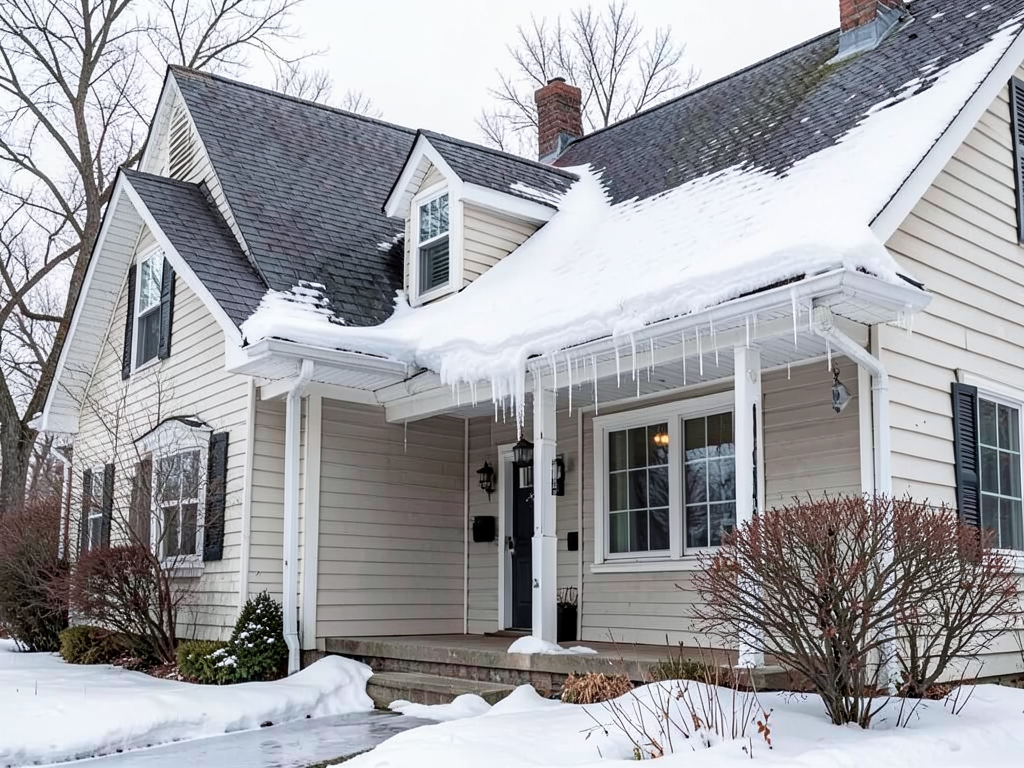
Baltimore experiences an average of 30 freeze-thaw cycles each winter. Water penetrates tiny gaps in flashing or underlayment, freezes overnight, expands, and creates larger openings. By spring, those openings allow wind-driven rain to reach the decking. Natural slate roof tiles and composite slate roofing both resist the freeze-thaw damage that destroys asphalt shingles, but only if the underlayment and flashing are detailed correctly. Cheap installations that skip the proper ice and water shield placement or use aluminum flashing instead of copper fail within a decade. The slate tiles survive, but the system underneath them does not. That is why structural prep and flashing quality matter more than tile selection for long-term performance in this climate.

Baltimore's historic neighborhoods contain some of the finest examples of slate roofing in the Mid-Atlantic. The original installations from the 1920s and 1930s used Pennsylvania black slate and copper flashing. Many of those roofs are still functional today because the craftsmanship was excellent. Modern installations must meet that same standard to achieve comparable longevity. A Plus Roofing Baltimore understands the architectural context and structural requirements of these older homes. We work with the same attention to detail that the original builders used, adapted for modern building codes and material science. When you choose slate for a Baltimore property, you are making a multi-generational investment. We treat it that way.
Roofing Services in The Baltimore Area

We are proud to be a locally owned and operated business committed to serving the entire Baltimore community and its surrounding counties. View our office location on the map and see the breadth of our service area. We encourage you to visit our facility or contact us directly to discuss your next roofing project.

Address:
A Plus Roofing Baltimore, 101 N Haven St, Baltimore, MD, 21224

Additional Services We Offer

Our news updates

Latest Articles & News from The Blogs

Upgrading Your Builder-Grade Roof in Severn Before It Starts Leaking Your Severn home's builder-grade roof has a ticking clock. Maryland's…

Upgrading Your Builder-Grade Roof in Severn Before It Starts Leaking

Upgrading Your Builder-Grade Roof in Severn Before It Starts Leaking Your Severn home's builder-grade roof has a ticking clock. Maryland's…

Restoring the Ornamental Roof Details on Victorian Homes in Abell and Waverly

Restoring the Ornamental Roof Details on Victorian Homes in Abell and Waverly Victorian homes in Baltimore's Abell and Waverly neighborhoods…

Replacing a Detached Garage Roof in Glen Burnie — Costs and Best Materials

Replacing a Detached Garage Roof in Glen Burnie — Costs and Best Materials Replacing a detached garage roof in Glen…

Contact Us

Get a structural evaluation and material recommendation specific to your property. Call A Plus Roofing Baltimore at (443) 455-9099 to discuss natural slate roof tiles, composite slate roofing, or faux slate shingles. We provide transparent specifications and realistic timelines.