menu

Sagging Roof Deck in Baltimore – Expert Structural Diagnosis Prevents Collapse

When your roof deck shows visible dipping or deflection, you need precise structural analysis to identify the root cause. A Plus Roofing Baltimore evaluates sagging roof deck issues using advanced moisture mapping and load assessment to restore structural integrity before ceiling collapse occurs.

Slider Image 1
Slider Image 2
Slider Image 3
Slider Image 4
Slider Image 5
Slider Image 7
Slider Image 8
Slider Image 9
Slider Image 10
Slider Image 11

Why Baltimore Homes Develop Sagging Roof Decks Faster Than You Think

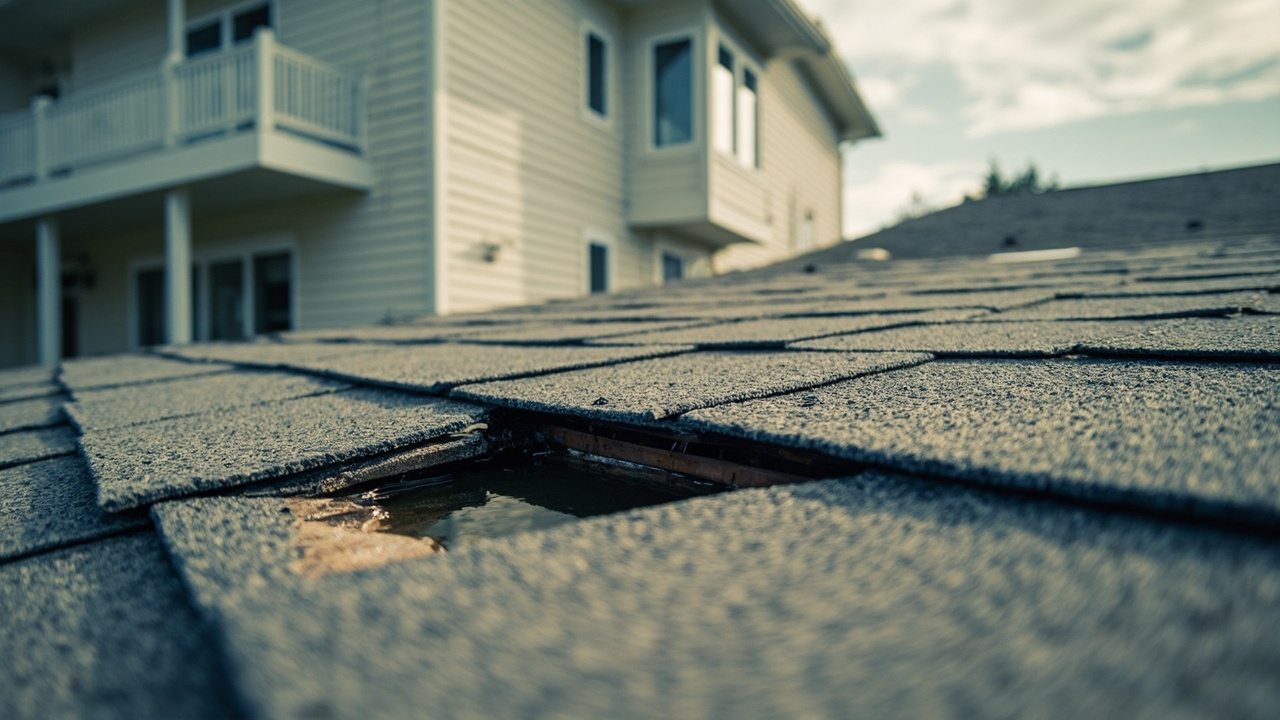
You walk into your attic and notice the plywood between the rafters no longer sits flat. Maybe you see a visible dip from the street, or you feel a spongy spot when you step on the roof. These are textbook signs of bowing roof sheathing, and in Baltimore, they develop faster than in drier climates.

Baltimore's combination of high summer humidity, winter freeze-thaw cycles, and frequent coastal storms creates the perfect environment for roof deck failure. When your underlayment or flashing fails, moisture seeps into the plywood sheathing. That moisture causes the wood fibers to swell, lose structural integrity, and begin to warp. Over time, you get warped roof plywood that can no longer support the weight of your shingles, snow load, or even foot traffic.

The problem accelerates in older Baltimore rowhomes and colonials, where original roof decking may already be 30 to 50 years old. The wood becomes brittle, the fasteners rust out, and even minor leaks turn into major deflected roof sheathing problems. You might also see sunken roof boards near valleys or eaves, where water concentrates during heavy rain.

Ignoring dipping roof decking is not an option. The longer you wait, the more the unsupported sheathing bends under load. Eventually, the plywood separates from the rafters entirely, and you face interior water damage, mold growth, or even partial roof collapse. If you see sagging between the trusses or feel soft spots when you walk the roof, the structural failure is already underway.

Why Baltimore Homes Develop Sagging Roof Decks Faster Than You Think
How We Diagnose and Repair Sagging Roof Deck Structural Failures

How We Diagnose and Repair Sagging Roof Deck Structural Failures

Fixing a sagging roof deck is not a shingle replacement job. It requires targeted structural repair, and that starts with accurate diagnosis. A Plus Roofing Baltimore uses a combination of visual inspection, moisture meters, and infrared scanning to map the exact extent of the damage. We climb into your attic, check the underside of the sheathing for staining or mold, and measure deflection with a straightedge to determine how much the plywood has bowed.

Once we identify the compromised sections, we assess whether the damage is isolated or systemic. If you have warped roof plywood in just one area, the cause is usually a localized leak from damaged flashing, a missing shingle, or a clogged gutter. If the sagging spans multiple bays, we look for ventilation problems, underlayment failure, or structural overload from improper roofing layers.

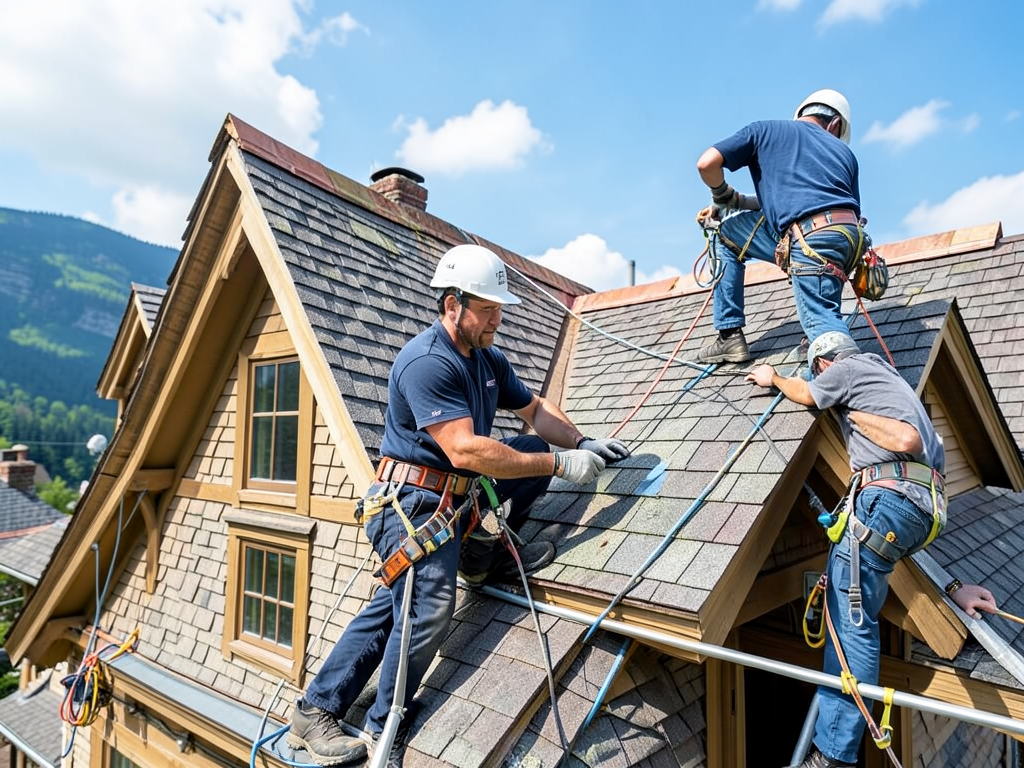
Repair involves removing the affected shingles, cutting out the damaged plywood, and installing new sheathing that matches your existing roof deck thickness. We use exterior-grade CDX or OSB rated for roof applications, and we secure it with ring-shank nails spaced to code. If the rafters or trusses show rot or splitting, we sister in new framing members to restore load capacity.

We also address the root cause. If your roof deck failed because of poor attic ventilation, we add ridge vents or soffit vents to reduce heat and moisture buildup. If flashing was the culprit, we rebuild the step flashing, counter flashing, or valley metal to prevent future infiltration. The goal is not just to replace the plywood but to eliminate the conditions that caused it to fail in the first place.

What Happens During a Roof Deck Structural Repair

Sagging Roof Deck in Baltimore – Expert Structural Diagnosis Prevents Collapse
01

Attic and Roof Inspection

We start by inspecting both sides of your roof deck. From the attic, we look for water stains, mold, and visible deflection on the underside of the sheathing. On the roof surface, we check for soft spots, missing fasteners, and shingle distortion that signals underlying plywood failure. We use moisture meters to measure the water content in the wood and map the boundaries of the damaged area.
02

Sheathing Removal and Replacement

Once we confirm the extent of the damage, we strip back the shingles and underlayment to expose the sagging plywood. We cut out the warped sections along the nearest rafter centers, ensuring clean edges for the new sheathing. We install new plywood or OSB, fastening it with the correct nail pattern and spacing. If the rafters show rot or insect damage, we reinforce or replace them before securing the new deck.
03

Ventilation and Weatherproofing

After the new sheathing is secured, we install ice and water shield in vulnerable areas and synthetic underlayment across the entire repair zone. We rebuild any flashing that contributed to the original failure, ensuring proper overlap and seal. If ventilation was a factor, we add or upgrade soffit vents, ridge vents, or gable vents to balance airflow and prevent future moisture accumulation in the attic space.

Why Baltimore Homeowners Trust Local Expertise for Roof Deck Repairs

When your roof deck is failing, you need a contractor who understands Baltimore's building stock, climate challenges, and code requirements. A Plus Roofing Baltimore has spent years working on the rowhouses, colonials, and Victorians that define this city's neighborhoods. We know the difference between 1950s plank sheathing and modern plywood decking, and we know how to repair both without compromising the roof system.

Baltimore's roofing codes require specific fastening schedules, wind uplift ratings, and ventilation standards. We follow the International Residential Code as adopted by Baltimore City and Baltimore County, and we pull permits when required. That means your repair is done to the same standard as a full roof replacement, with inspections and documentation that protect your home's value and your insurance coverage.

We also understand the urgency. A sagging roof deck is a structural hazard, and delaying repair only increases the cost and risk. We prioritize emergency cases where deflection is severe or where interior ceilings are compromised. We carry the materials and equipment to complete most repairs in one to three days, depending on the size of the damaged area and weather conditions.

You also get transparent communication. We explain what we find, why it happened, and what it will take to fix it. We do not upsell unnecessary work, and we do not hide the real cause of the problem. If your roof deck failed because of poor installation, inadequate ventilation, or deferred maintenance, we tell you exactly what went wrong and how to prevent it from happening again. That level of honesty builds trust, and it is why homeowners across Baltimore choose A Plus Roofing Baltimore when structural integrity is on the line.

What to Expect When You Call Us About a Sagging Roof Deck

Rapid Response and Scheduling

We know roof deck failure is not something you can ignore. We offer same-day or next-day inspections for urgent cases, and we prioritize repairs that pose immediate safety risks. Once we complete the inspection, we provide a detailed estimate within 24 hours. Most repairs are scheduled within one week, depending on material availability and weather. If your roof is actively leaking or if the sagging has caused interior damage, we can install emergency tarps to protect your home until the repair begins.

Thorough Structural Assessment

Our inspection covers more than the visible sagging. We check the entire roof deck for hidden damage, measure moisture levels in the sheathing, and evaluate the condition of the rafters and trusses. We look for signs of rot, insect damage, and improper fastening that could indicate larger problems. You receive a written report that documents our findings, includes photos of the damage, and explains the scope of work needed. This level of detail helps you make informed decisions and provides documentation for insurance claims if applicable.

Structural Integrity Restored

When the repair is complete, your roof deck will meet or exceed the load-bearing requirements of the building code. We use the correct grade of sheathing for your roof pitch and span, and we fasten it according to the nailing schedule for your wind zone. The new plywood or OSB is sealed with underlayment and integrated seamlessly with the existing roof system. You will not see any dips, soft spots, or gaps. The surface is flat, solid, and ready to support your shingles for the next 20 to 30 years.

Preventive Recommendations and Follow-Up

After the repair, we provide specific recommendations to prevent future deck failure. This might include adding attic ventilation, upgrading your gutter system, or scheduling periodic roof inspections to catch leaks early. We also offer maintenance plans for homeowners who want regular checkups on their roof condition. If you experience any issues with the repaired section, we stand behind our work and respond quickly to address concerns. Our goal is to give you confidence that your roof structure is sound and that you will not face the same problem again.

Frequently Asked Questions

You Have Questions,
We Have Answers

What is a sagging roof deck? +

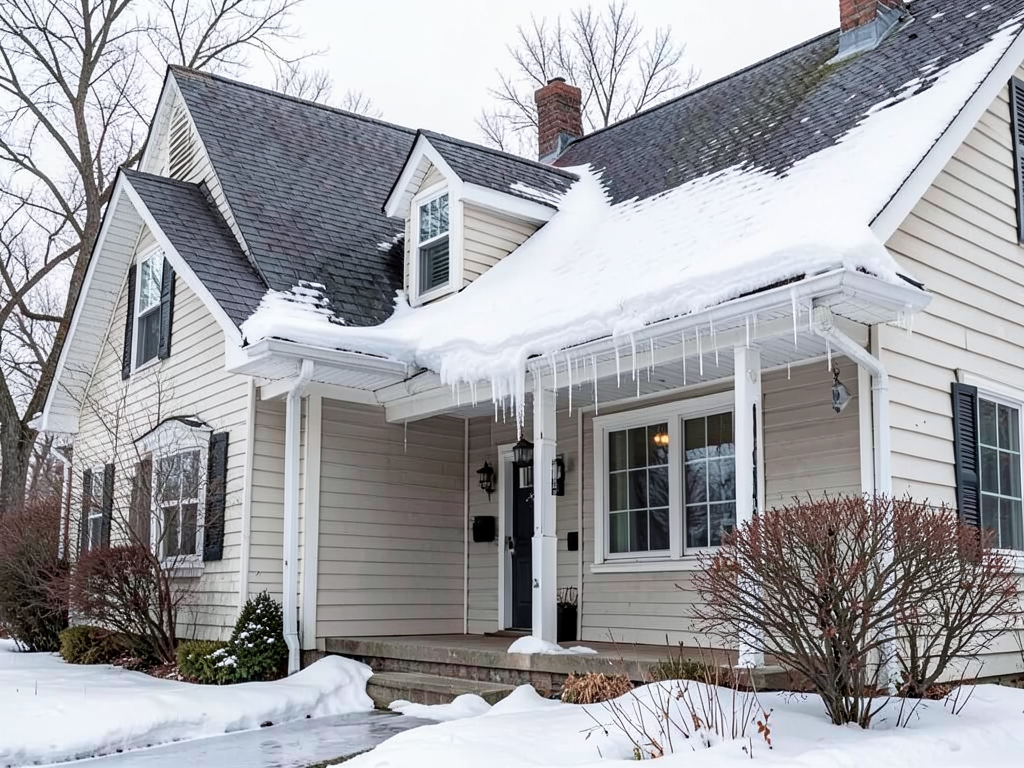
A sagging roof deck is the structural wood sheathing beneath your shingles that has lost its flat plane and dips or bows. You see this most in Baltimore homes with plywood or OSB decking that has absorbed moisture from failed flashing, ice dam leaks, or poor attic ventilation. The decking weakens, loses rigidity, and creates visible dips between rafters. High humidity in Baltimore accelerates rot and mold growth in compromised decking. You might notice wavy rooflines from the street or sagging areas inside your attic. This is structural damage, not cosmetic, and demands immediate inspection.

How much roof sagging is acceptable? +

No amount of roof sagging is acceptable. A properly installed roof deck should be flat and rigid. Even a slight dip signals structural compromise from moisture damage, undersized framing, or failed decking. In Baltimore, freeze-thaw cycles worsen small dips into major structural issues. What starts as a quarter-inch sag can progress to catastrophic failure when snow loads hit. If you see any sagging from ground level or feel soft spots when walking your roof, you need a professional inspection. Ignoring minor sagging leads to rafter damage, interior water intrusion, and expensive emergency repairs down the line.

Can a sagging deck be fixed? +

Yes, a sagging deck can be fixed, but the approach depends on the cause and extent. Minor sagging from isolated water damage may require targeted decking replacement and rafter reinforcement. Widespread sagging often means full deck replacement with dimensional lumber sistering to strengthen compromised rafters. Baltimore homes with older framing sometimes need structural upgrades to meet current load requirements. A qualified roofer will assess from your attic and roof surface, identify moisture sources, and recommend repairs that address the root problem. Temporary cosmetic fixes fail quickly. Proper repair involves new decking, proper fastening, and eliminating the moisture source that caused the sag.

Is it expensive to fix a sagging roof? +

Repair costs vary widely based on damage extent and accessibility. Isolated decking replacement for a small sagging section may run a few hundred dollars in materials and labor. Widespread sagging requiring full deck replacement becomes a significant expense due to tear-off, disposal, new sheathing, and structural reinforcement. Baltimore homes with complex rooflines or multiple stories increase labor costs. Insurance may cover damage from sudden events like storm damage, but not neglect or wear. The longer you wait, the more expensive repairs become as rot spreads to rafters and framing. Early intervention saves money compared to emergency structural failure repairs.

Does homeowners insurance cover a sagging roof? +

Homeowners insurance typically covers sagging roofs only if caused by a covered peril like wind damage, falling trees, or sudden storm events. Policies exclude damage from neglect, wear and tear, or long-term water intrusion you should have noticed. In Baltimore, gradual sagging from poor maintenance or aging materials gets denied. If recent storm damage caused the sag, document everything with photos and contact your insurer immediately. An adjuster will inspect and determine coverage. Many Baltimore homeowners learn too late that deferred maintenance voids coverage. Regular roof inspections create documentation that protects your claim eligibility.

How much does it cost to fix a sagging porch? +

Porch sagging differs from roof sagging but shares causes. Repair costs depend on whether the problem is decking, joists, posts, or foundation settlement. Minor decking replacement may cost less, while structural joist repair or foundation work escalates quickly. Baltimore clay soil causes settling that affects porch foundations. You need proper diagnosis before estimating costs. A structural assessment identifies whether you need simple decking replacement, joist sistering, post replacement, or foundation piers. Porches attached to your home can compromise main structure integrity if ignored. Address sagging porches promptly to prevent damage migration into your home's framing.

How to tell if a roofer is lying? +

A dishonest roofer avoids attic inspections, refuses to show you damage, or pushes unnecessary full replacements for minor repairs. They pressure immediate decisions, demand large upfront deposits, or lack proper documentation. In Baltimore, watch for contractors who blame normal granule loss as emergency damage or claim your entire deck needs replacement without showing you the rot. Legitimate roofers provide detailed inspection reports with photos, explain what you need versus what can wait, and offer references from recent local jobs. They carry proper insurance and pull permits when required. Trust your gut if something feels off.

What is the most expensive part of replacing a roof? +

The roof deck itself is often the most expensive component when replacement is needed. Tearing off old shingles, removing and disposing of failed decking, installing new plywood or OSB sheathing, and properly fastening it requires significant labor and materials. Baltimore homes often reveal hidden damage once shingles come off, adding unplanned decking costs. Labor to work on steep pitches or multiple stories increases expenses. While shingles get attention, the deck is your roof's foundation. Skimping on decking quality or proper installation creates future problems. Quality sheathing with proper nailing and spacing prevents the sagging you are trying to avoid.

How to tell if a roof is about to collapse? +

Warning signs include rapidly progressing sags, interior ceiling cracks spreading quickly, visible bowing of ridge lines, doors and windows suddenly sticking, or cracking sounds from your attic. In Baltimore, heavy snow accumulation on a compromised deck accelerates collapse risk. If you see daylight through your roof boards from the attic, notice large sections of sagging decking, or find rafters pulling away from ridge boards, evacuate and call professionals immediately. Water stains spreading rapidly across ceilings signal active leaks weakening structure. Do not walk on a severely sagging roof. Collapse happens without warning once structural integrity fails.

What is the life expectancy of a roof deck? +

Quality roof decking lasts 50 to 70 years when properly installed with adequate ventilation and no moisture intrusion. Baltimore humidity shortens lifespan if attic ventilation fails or leaks go unaddressed. OSB decking degrades faster than plywood when exposed to moisture. Homes built in the 1960s through 1980s often need decking replacement during roof renovations. Poor initial installation with improper spacing, inadequate fastening, or wrong material selection reduces lifespan significantly. Regular attic inspections let you monitor decking condition before visible exterior sagging appears. Replacing decking during planned roof replacement is smarter than waiting for emergency failure.

How Baltimore's Coastal Humidity and Freeze-Thaw Cycles Accelerate Roof Deck Failure

Baltimore sits at the convergence of the Chesapeake Bay and the Patapsco River, which means high year-round humidity and frequent temperature swings. When warm, moist air enters your attic through poor ventilation or soffit gaps, it condenses on the underside of cold roof sheathing during winter months. That moisture soaks into the plywood, and when temperatures drop below freezing, the water expands and breaks down the wood fibers. Over multiple freeze-thaw cycles, the sheathing loses its structural stiffness and begins to bow. This is why dipping roof decking and deflected roof sheathing are more common in Baltimore than in consistently dry or cold climates.

Roofing Services in The Baltimore Area

We are proud to be a locally owned and operated business committed to serving the entire Baltimore community and its surrounding counties. View our office location on the map and see the breadth of our service area. We encourage you to visit our facility or contact us directly to discuss your next roofing project.

Address:
A Plus Roofing Baltimore, 101 N Haven St, Baltimore, MD, 21224

Additional Services We Offer

Our news updates

Latest Articles & News from The Blogs

Finding a Roofer in Westminster Who Actually Knows How to Handle Metal Barn Roofs When your Carroll County barn roof…

Finding a Roofer in Westminster Who Actually Knows How to Handle Metal Barn Roofs

Finding a Roofer in Westminster Who Actually Knows How to Handle Metal Barn Roofs When your Carroll County barn roof…

Upgrading Your Builder-Grade Roof in Severn Before It Starts Leaking

Upgrading Your Builder-Grade Roof in Severn Before It Starts Leaking Your Severn home's builder-grade roof has a ticking clock. Maryland's…

Restoring the Ornamental Roof Details on Victorian Homes in Abell and Waverly

Restoring the Ornamental Roof Details on Victorian Homes in Abell and Waverly Victorian homes in Baltimore's Abell and Waverly neighborhoods…

Contact Us

Do not wait for a ceiling collapse or interior water damage. Call A Plus Roofing Baltimore today at (443) 455-9099 to schedule a structural inspection. We provide honest assessments, fast repairs, and solutions that last.