menu

Benefits of Cool Roofs in Baltimore – Cut Your Energy Bills by Up to 30% Year-Round

Reflective roofing systems protect Baltimore homes from intense summer heat and winter freeze-thaw cycles while dramatically reducing HVAC strain, lowering utility costs, and extending roof lifespan in our humid Mid-Atlantic climate.

Slider Image 1
Slider Image 2
Slider Image 3
Slider Image 4
Slider Image 5
Slider Image 7
Slider Image 8
Slider Image 9
Slider Image 10
Slider Image 11

Why Baltimore Homeowners Are Switching to Cool Roofing Technology

Baltimore's climate hits you with extremes. Summers bring weeks of 90-degree heat combined with oppressive humidity rolling off the Chesapeake Bay. Winters slam your roof with freeze-thaw cycles that crack shingles and degrade underlayment. Your standard dark asphalt roof absorbs this punishment, turning your attic into a 150-degree oven in July and forcing your air conditioner to work overtime.

The advantages of cool roofing center on one simple physics principle. Reflective roofing materials bounce back solar radiation instead of absorbing it. Where a black asphalt roof might reach 170 degrees on a summer afternoon, a cool roof stays 50 to 60 degrees cooler. That temperature difference translates directly to your energy bill.

Baltimore row homes and older neighborhoods like Hampden and Canton face an additional challenge. These structures were built before modern insulation standards, with minimal attic ventilation. When a conventional roof superheats the attic space, that heat radiates down through ceilings into living spaces. Your air conditioner runs constantly, driving up electricity costs and shortening equipment life.

Cool roof energy savings become even more significant during Maryland's extended shoulder seasons. Spring and fall afternoons can spike into the 80s, triggering cooling demands when you'd rather open windows. A reflective roof keeps indoor temperatures stable, reducing HVAC cycling and creating more comfortable living spaces naturally.

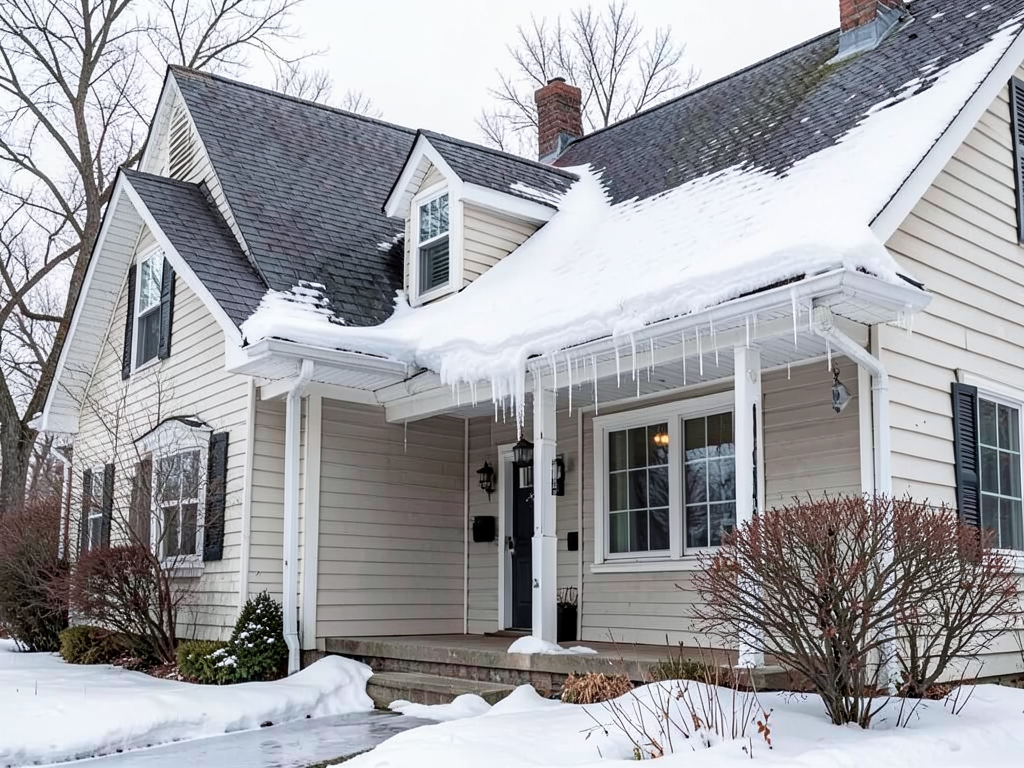
The benefits of reflective roofing extend beyond summer comfort. During winter, quality cool roofing systems with proper insulation help prevent ice dam formation along eaves, a common problem in Baltimore's historic neighborhoods where gutters and drainage patterns were designed a century ago.

Why Baltimore Homeowners Are Switching to Cool Roofing Technology
How Reflective Roofing Systems Work in Mid-Atlantic Climates

How Reflective Roofing Systems Work in Mid-Atlantic Climates

Cool roofing technology relies on two measurable properties: solar reflectance and thermal emittance. Solar reflectance measures how much sunlight a surface bounces back. Thermal emittance measures how efficiently a material releases absorbed heat. Together, these properties determine the Solar Reflectance Index, the industry standard for rating cool roof performance.

Traditional asphalt shingles score an SRI of 20 to 30. Cool roof products range from 80 to 110. That difference matters in Baltimore's sun exposure patterns. Your south-facing roof planes absorb six to eight hours of direct summer sunlight. Every percentage point of increased reflectance reduces heat transfer into your attic space.

We install several cool roofing system types depending on your home's architecture and budget. Light-colored asphalt shingles with reflective granules offer the most economical entry point, delivering 20 to 25 percent better solar reflectance than standard products. Metal roofing with factory-applied reflective coatings provides superior performance, particularly for homes with low-slope sections or detached garages.

For flat or low-slope applications common in Baltimore commercial districts and mixed-use buildings, single-ply membrane systems like TPO or PVC deliver maximum cool roof pros. These white membranes achieve SRI ratings above 100 while providing superior waterproofing against our heavy spring rains and occasional tropical storm remnants.

The installation process differs from conventional roofing in critical ways. We pay special attention to roof deck ventilation, ensuring adequate soffit and ridge venting to maximize the cooling effect. Proper attic ventilation allows cool roofing systems to reject heat upward and outward, preventing thermal buildup that undermines energy savings.

Material selection must account for Baltimore's specific weather patterns. We avoid cool roofing products that perform poorly in freeze-thaw cycles or develop algae growth in our humid conditions. The wrong product saves energy in July but fails by November.

What Happens During Your Cool Roof Evaluation and Installation

Benefits of Cool Roofs in Baltimore – Cut Your Energy Bills by Up to 30% Year-Round
01

Thermal Assessment and Energy Analysis

We start with infrared thermography of your existing roof and attic space, measuring current heat transfer patterns and identifying insulation gaps. This data establishes your baseline energy profile and calculates projected savings from different cool roofing materials. We measure attic temperatures, check ventilation adequacy, and document current HVAC runtime patterns. You receive a detailed report showing expected temperature reductions and utility bill impacts specific to your home's orientation, shading, and insulation levels.
02

Material Selection and Code Review

Baltimore City and County have different requirements for historic districts, which affects product selection in neighborhoods like Federal Hill and Mount Vernon. We review applicable building codes and HOA restrictions, then recommend cool roofing materials that maximize energy savings while meeting architectural guidelines. For historic properties, we source period-appropriate profiles with modern reflective coatings. Every material choice considers local climate factors including wind uplift ratings for coastal storm exposure and impact resistance for summer hail events.
03

Installation and Performance Verification

Installation follows manufacturer specifications for cool roofing systems, with particular attention to proper fastening patterns and flashing details that prevent thermal bridging. We integrate enhanced attic ventilation if your existing system cannot handle increased heat rejection. After completion, we conduct follow-up thermal imaging to verify performance and document temperature reductions. You receive energy monitoring guidance to track actual savings against projections, with adjustment recommendations if HVAC usage patterns suggest ventilation or insulation improvements could enhance cool roof performance.

Why A Plus Roofing Baltimore Delivers Superior Cool Roof Installations

Cool roofing technology requires different installation expertise than conventional roofing. Many contractors treat reflective shingles like standard asphalt products, ignoring the ventilation and insulation factors that determine actual energy savings. We've spent years studying how cool roofs perform in Baltimore's specific climate zone, tracking results across hundreds of installations from Towson to Ellicott City.

Our team understands the building science behind cool roofing system advantages. We know that slapping white shingles on a poorly ventilated roof with inadequate attic insulation wastes your investment. The reflective surface reduces heat absorption, but trapped heat in an under-ventilated attic still radiates into living spaces. We assess your entire thermal envelope, not just the roof surface.

Baltimore's neighborhoods present unique challenges. Historic row homes in neighborhoods like Bolton Hill have shared party walls and limited attic access. Victorian homes in Roland Park feature complex roof geometries with multiple valleys and dormers. Post-war ranchers in Dundalk often lack adequate soffit venting. Each building type requires specific approaches to maximize cool roof benefits.

We maintain relationships with manufacturers who engineer products for Mid-Atlantic conditions. Some cool roofing materials that perform well in Arizona or Florida fail in Baltimore's humidity and freeze-thaw cycles. Algae growth on light-colored shingles undermines reflectance. Poor-quality reflective coatings chalk and degrade after three to five years. We install only products with proven long-term performance in our climate zone.

A Plus Roofing Baltimore also understands local energy rebate programs. Baltimore Gas and Electric offers incentives for energy-efficient home improvements, including qualifying cool roofing installations. We provide the documentation you need to claim available rebates, often covering 10 to 15 percent of project costs.

Our guarantee is simple. Your cool roof will perform as specified, or we return to identify and correct the problem. That means post-installation thermal verification and energy monitoring support.

What to Expect from Your Cool Roofing Project

Project Timeline and Scheduling

Most residential cool roof installations complete in two to four days depending on home size and roof complexity. We schedule projects during optimal weather windows, avoiding extreme heat or freeze periods that affect material performance. Baltimore's spring and fall provide ideal installation conditions, with moderate temperatures and lower humidity. We coordinate material delivery to minimize storage time, as some reflective coatings have temperature-sensitive shelf life requirements. You receive a detailed schedule showing tearoff, installation, and cleanup phases. Weather delays are communicated immediately with revised completion dates. We never rush installation to meet arbitrary deadlines when conditions compromise long-term performance.

Initial Consultation and Assessment Process

Your evaluation starts with a comprehensive roof inspection documenting current condition, remaining lifespan, and structural factors that affect cool roofing suitability. We measure roof slopes, assess deck condition, and evaluate existing ventilation. Thermal imaging identifies heat loss patterns and insulation deficiencies. You receive a written assessment explaining whether cool roofing makes financial sense for your situation. Some homes need insulation or ventilation upgrades before cool roofing delivers promised energy savings. We provide honest guidance on sequencing improvements for maximum return on investment. The consultation includes material samples, energy savings projections based on your actual utility usage, and financing options if you qualify for energy-efficiency programs.

Long-Term Performance and Energy Savings

You should see measurable cooling cost reductions within the first summer after installation. Most Baltimore homeowners report 15 to 30 percent lower air conditioning expenses during June through September. Indoor comfort improves noticeably, with more stable temperatures and reduced hot spots in upper-floor rooms. Cool roofing systems also extend HVAC equipment life by reducing runtime hours and compressor cycling. Your roof surface will stay cleaner longer because lower surface temperatures inhibit algae and mold growth. Reflective properties may diminish slightly over time as environmental exposure weathers the surface, but quality cool roofing products maintain 80 to 90 percent of their initial reflectance for 15 to 20 years. We provide maintenance guidelines to preserve performance.

Maintenance and Performance Monitoring

Cool roofs require minimal maintenance beyond standard roof care. Annual inspections check for debris accumulation, flashing integrity, and any damage affecting reflective coatings. We recommend professional cleaning every three to five years to remove dirt, pollen, and organic growth that reduces solar reflectance. Simple garden hose rinsing between professional cleanings maintains surface cleanliness. You receive energy monitoring guidance to track actual savings against projections. If utility bills suggest underperformance, we conduct follow-up thermal imaging to identify issues. Some problems stem from HVAC inefficiencies or insulation settling rather than roof performance. We help you distinguish between roofing issues and other energy factors. Our service plans include periodic performance checks to verify your cool roof continues delivering promised benefits.

Frequently Asked Questions

You Have Questions,
We Have Answers

What are the benefits of a cool roof? +

Cool roofs reflect sunlight and absorb less heat than traditional roofing materials. In Baltimore, where summer humidity and heat stress HVAC systems, cool roofs reduce cooling costs by keeping interior temperatures lower. You save money on energy bills while extending the life of your air conditioning equipment. Cool roofs also reduce urban heat island effects in densely built neighborhoods like Federal Hill and Canton. They meet Maryland's green building initiatives and can qualify for energy rebates. Commercial buildings see significant ROI through lower peak demand charges during Baltimore's hot, sticky summers.

What are the cons of a cool roof? +

Cool roofs cost more upfront than standard asphalt shingles. The reflective coatings or specialized materials add 10 to 20 percent to installation expenses. In Baltimore's colder months, cool roofs reflect away solar heat you might want for passive warming, potentially increasing heating costs from November through March. Some reflective coatings require reapplication every few years to maintain effectiveness. Condensation issues can occur if ventilation is inadequate, particularly in older Baltimore rowhomes with limited attic airflow. Not all cool roof products suit Baltimore's freeze-thaw cycles, so material selection matters.

What are the benefits of a cold roof? +

A cold roof design separates the roof deck from insulation with a ventilated air gap. This design prevents ice dams during Baltimore's winter freeze-thaw cycles by keeping the roof surface cold and stopping snow melt. You reduce condensation risks in your attic space, which protects insulation and framing from moisture damage. Cold roofs extend shingle life by reducing thermal stress from temperature swings. They work well in Baltimore's four-season climate where winter ice and summer heat both challenge roof performance. Proper ventilation is critical for this design to function correctly.

Are cool roof tiles good or bad? +

Cool roof tiles work well in Baltimore's climate when properly selected. Reflective tiles reduce attic temperatures by 20 to 30 degrees during summer, cutting cooling costs significantly. They handle Baltimore's humidity and storm exposure better than coatings that degrade. Quality cool tiles last 30 to 50 years with minimal maintenance. The downside is higher initial cost and potential winter heating penalty. Choose tiles rated for freeze-thaw resistance to handle Baltimore's cold snaps. For commercial flat roofs downtown, cool tiles provide durable, energy-saving performance that justifies the investment over time.

Why are people getting rid of their solar panels? +

Homeowners remove solar panels due to roof replacement needs, system underperformance, or relocation costs. In Baltimore, older panels installed 15 years ago may fail before the roof needs replacement, forcing expensive removal and reinstallation. Some residents find actual energy savings fall short of projections due to shading from mature trees in neighborhoods like Roland Park. Inverter failures and maintenance costs surprise homeowners expecting zero upkeep. When selling, buyers sometimes demand panel removal. Leased systems create transfer complications. Panel removal does not mean solar is bad, just that circumstances change.

How to keep a house cool in 100 degree weather? +

Close blinds and curtains on sun-facing windows during peak heat hours. In Baltimore's brick rowhomes, heat builds quickly, so use box fans in windows to create cross-ventilation after sunset when outdoor temps drop. Run ceiling fans counterclockwise to push cool air down. Avoid using ovens and dryers during afternoon heat. Keep your attic properly ventilated to prevent heat transfer through ceilings. Reflective window film blocks solar gain without sacrificing light. Drink water and stay on lower floors where cooler air settles. A cool roof installation provides the most effective long-term solution.

How long do cool roofs last? +

Cool roofs last 20 to 50 years depending on material type. Reflective coatings on commercial flat roofs need reapplication every 5 to 10 years in Baltimore's climate due to weathering from UV exposure and pollution. Cool asphalt shingles last 25 to 30 years, similar to standard shingles. Metal cool roofs last 40 to 50 years with minimal maintenance. Tile cool roofs can exceed 50 years. Baltimore's freeze-thaw cycles and coastal humidity impact longevity, so choose products rated for Mid-Atlantic conditions. Proper installation and ventilation extend lifespan significantly.

What is the 33% rule in solar panels? +

The 33 percent rule states that solar panel production drops significantly when one-third of the array experiences shading. Even partial shade from chimneys, trees, or neighboring Baltimore rowhomes reduces total system output disproportionately. In dense city neighborhoods like Fells Point, this rule explains why rooftop solar underperforms expectations. Panels wired in series act like a chain where the weakest link determines flow. Modern microinverters and power optimizers reduce this effect but add cost. Before installing solar in Baltimore, evaluate shading patterns throughout the year to ensure adequate sun exposure.

What are the problems with cold roofs? +

Cold roofs fail when ventilation is inadequate. Without proper airflow through soffit and ridge vents, moisture accumulates in the ventilated cavity, leading to mold growth and wood rot. In Baltimore's humid summers, condensation forms on cooler surfaces if vapor barriers are missing or improperly installed. Ice dams still occur if attic insulation has gaps allowing heat escape. Cold roofs require careful detailing at penetrations like chimneys and skylights common in Baltimore homes. Poor installation creates thermal bridges that negate energy benefits. Retrofitting cold roof designs into existing rowhomes can be complex and expensive.

Does a cold roof need venting? +

Yes, cold roofs require continuous ventilation to function properly. Air must flow from soffit vents at the eaves up through the ventilated cavity and exit through ridge vents. This airflow removes moisture and prevents condensation buildup. In Baltimore's climate, inadequate venting causes summer moisture accumulation and winter ice dam formation. The ventilation gap typically needs 2 to 4 inches of clearance with unobstructed airflow paths. Baffles prevent insulation from blocking soffit vents. Without proper venting, a cold roof design fails and creates worse moisture problems than a standard roof assembly.

How Baltimore's Urban Heat Island Effect Makes Cool Roofing Critical

Baltimore experiences significant urban heat island effects, with downtown core temperatures running 5 to 8 degrees hotter than surrounding suburban areas during summer months. Concentrated development, extensive pavement, and thousands of dark roofs absorb and trap solar radiation. This heat intensifies overnight as buildings and streets release stored thermal energy, preventing natural cooling. Neighborhoods like Fells Point and Harbor East see the most severe effects due to dense construction and limited tree canopy. Cool roofing advantages multiply in these urban environments. Each reflective roof installation reduces localized temperatures, cutting energy demand and improving outdoor air quality by reducing smog formation that occurs at elevated temperatures.

A Plus Roofing Baltimore has installed cool roofing systems across every city neighborhood and surrounding county jurisdiction. We understand how local building codes affect material selection, particularly in historic districts where architectural review boards scrutinize color and material choices. Our team navigates Baltimore City permit requirements and inspection procedures efficiently, preventing delays that extend project timelines. We also maintain current knowledge of Maryland energy code requirements, which have grown stricter as the state pursues greenhouse gas reduction targets. Choosing a contractor with deep local experience ensures your cool roof project meets all regulatory requirements while delivering maximum energy savings for Baltimore's specific climate conditions.
Roofing Services in The Baltimore Area

We are proud to be a locally owned and operated business committed to serving the entire Baltimore community and its surrounding counties. View our office location on the map and see the breadth of our service area. We encourage you to visit our facility or contact us directly to discuss your next roofing project.

Address:
A Plus Roofing Baltimore, 101 N Haven St, Baltimore, MD, 21224

Additional Services We Offer

Our news updates

Latest Articles & News from The Blogs

Finding a Roofer in Westminster Who Actually Knows How to Handle Metal Barn Roofs When your Carroll County barn roof…

Finding a Roofer in Westminster Who Actually Knows How to Handle Metal Barn Roofs

Finding a Roofer in Westminster Who Actually Knows How to Handle Metal Barn Roofs When your Carroll County barn roof…

Upgrading Your Builder-Grade Roof in Severn Before It Starts Leaking

Upgrading Your Builder-Grade Roof in Severn Before It Starts Leaking Your Severn home's builder-grade roof has a ticking clock. Maryland's…

Restoring the Ornamental Roof Details on Victorian Homes in Abell and Waverly

Restoring the Ornamental Roof Details on Victorian Homes in Abell and Waverly Victorian homes in Baltimore's Abell and Waverly neighborhoods…

Contact Us

Find out how much you can save with reflective roofing technology. Call A Plus Roofing Baltimore at (443) 455-9099 for a free thermal assessment and energy analysis. We'll show you exactly how cool roofing performs in your neighborhood, with real savings projections based on your home's characteristics.