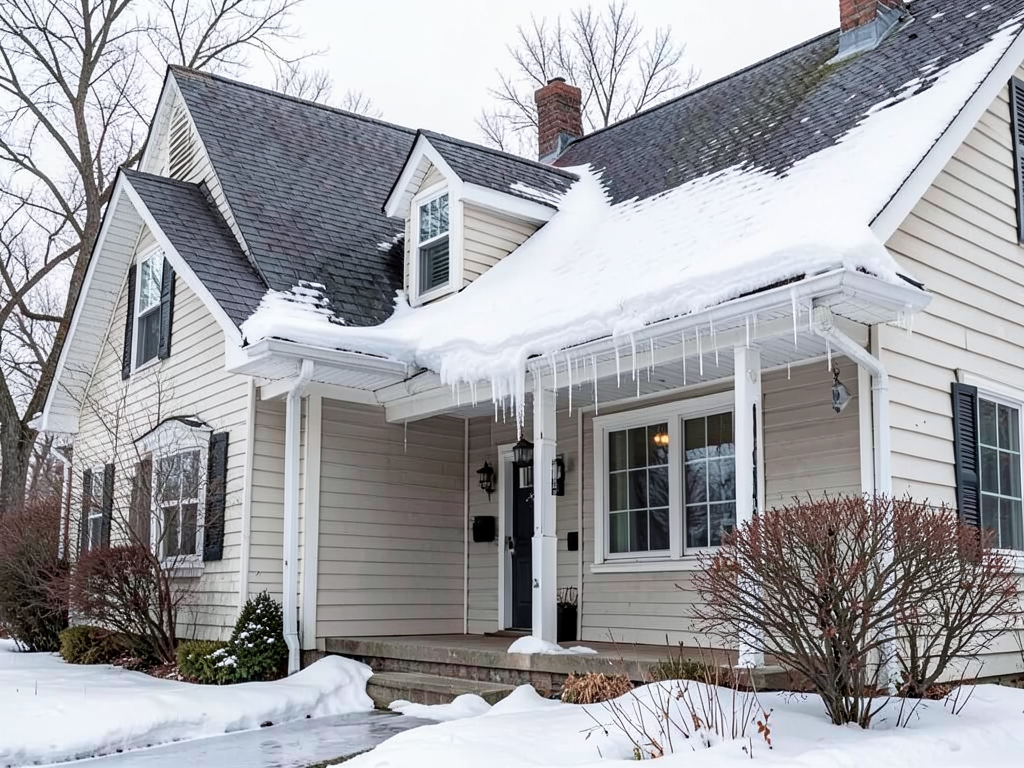
Baltimore sits 12 miles from the Chesapeake Bay, placing it in a humid coastal zone where moisture levels stay elevated year-round. That constant humidity accelerates wood rot and reduces the effectiveness of organic roofing materials. New roof construction must account for vapor drive, which pushes moisture from warm interior spaces into cooler attic areas. Without proper ventilation and vapor barriers, condensation forms on roof decking and leads to mold growth and structural decay. Historic rowhomes compound the problem with shared party walls and limited ventilation pathways.
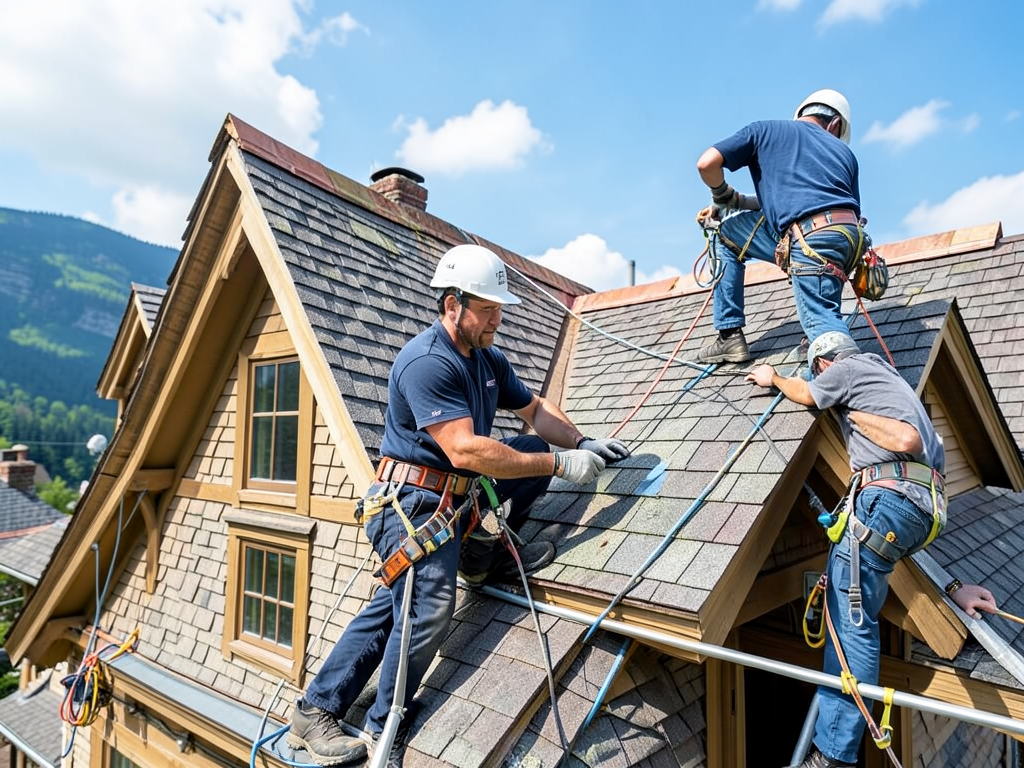
Baltimore rowhomes present unique installation challenges. Narrow street access limits equipment options, adjacent properties restrict staging areas, and shared walls require careful flashing details to prevent water intrusion between units. The city's building code mandates specific practices for attached structures, including fire-rated materials and proper parapet flashing. Local expertise matters because inspectors scrutinize these details. A Plus Roofing Baltimore navigates these requirements daily, ensuring your roof installation meets structural standards and passes inspection without delays or costly corrections.