menu

Rotting Fascia Boards in Baltimore – Expert Diagnosis and Permanent Wood Rot Repairs

Baltimore homeowners trust A Plus Roofing Baltimore to identify hidden fascia board rot, stop water intrusion at the source, and restore rotted roof trim with durable materials built for Mid-Atlantic weather extremes.

Slider Image 1
Slider Image 2
Slider Image 3
Slider Image 4
Slider Image 5
Slider Image 7
Slider Image 8
Slider Image 9
Slider Image 10
Slider Image 11

Why Baltimore Homes Suffer from Fascia Board Rot

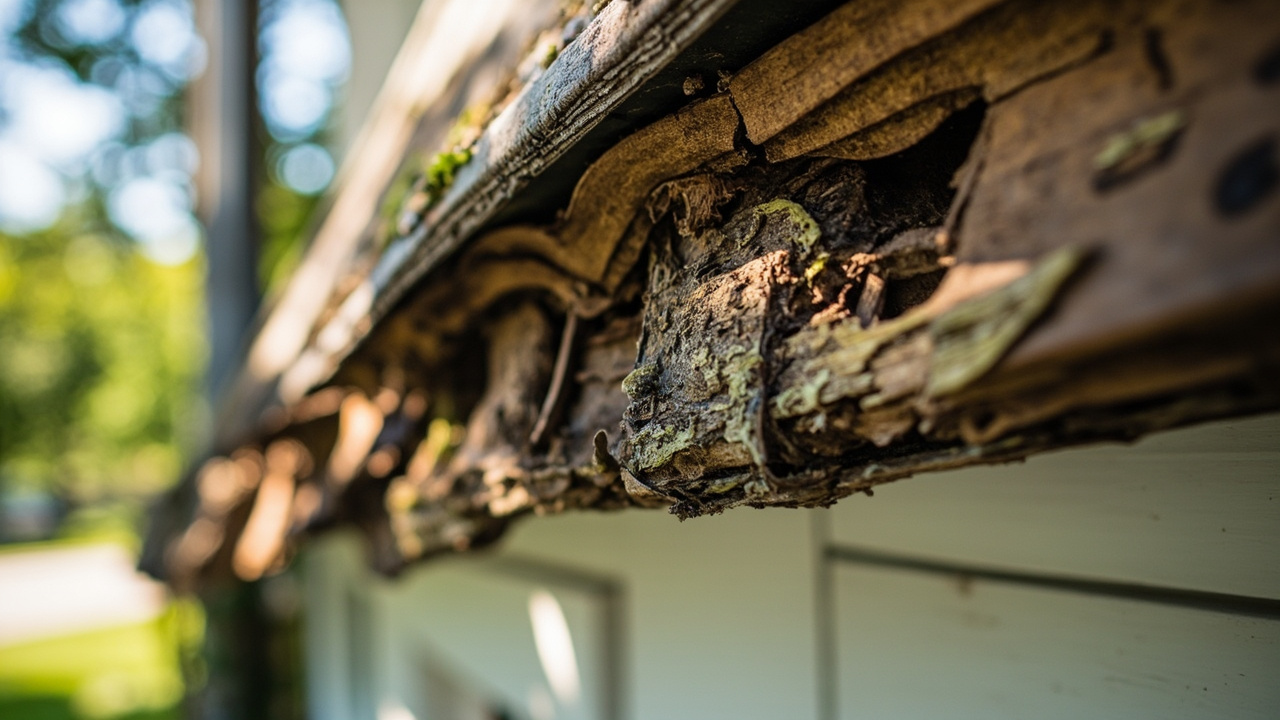
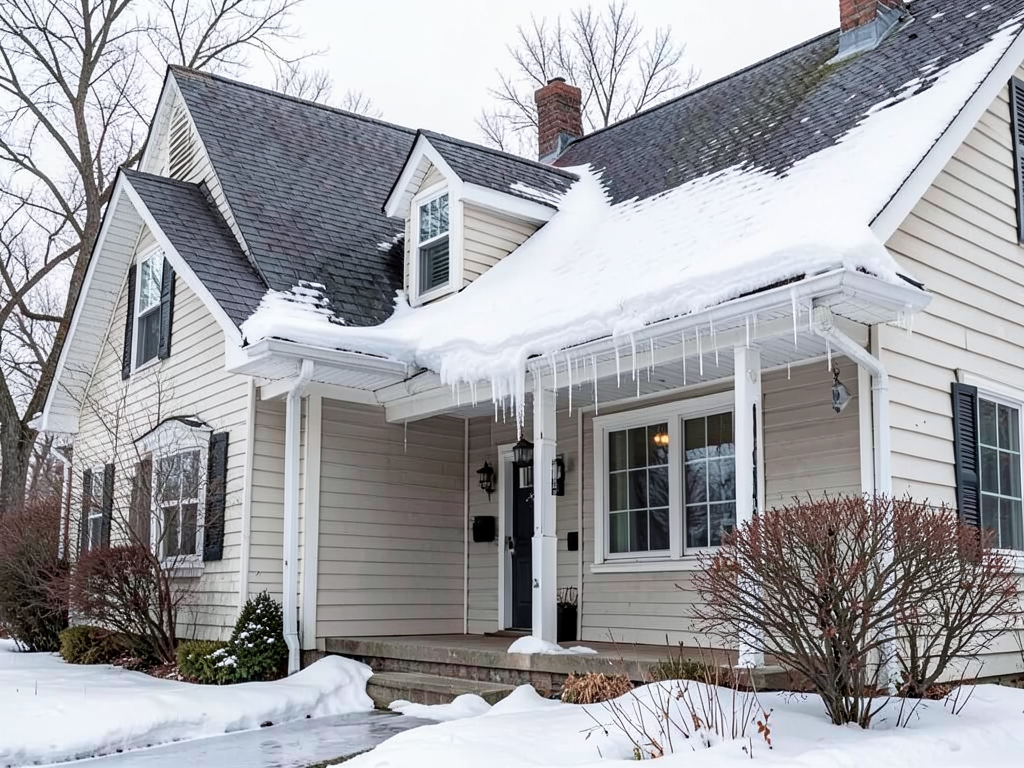
Baltimore's climate creates a perfect storm for fascia board rot. High humidity from the Chesapeake Bay combines with freeze-thaw cycles and heavy rainfall to accelerate decaying fascia wood. When gutters overflow during summer thunderstorms or ice dams form in winter, water runs behind the fascia instead of away from your roofline. The result? Soft, crumbling wood that compromises your entire roof edge.

Fascia boards protect the rafter tails and support your gutter system. When water damaged fascia goes unnoticed, rot spreads quickly through the wood grain. You might notice peeling paint, sagging gutters, or visible gaps between your fascia and soffit. These are not cosmetic issues. They signal structural damage that gets worse with every rain.

Many Baltimore row homes and older neighborhoods like Hampden and Canton feature original wood fascia installed decades ago. These boards were never treated for the moisture levels we experience near the harbor and Inner Harbor areas. Without proper ventilation and drainage, even newer installations fail when water finds its way behind the gutter line.

Wood rot on fascia also invites carpenter ants and termites. Decayed wood becomes soft enough for insects to excavate nesting galleries. Once pests establish themselves in rotted roof trim, they migrate into your attic framing and wall cavities. The damage multiplies fast.

Catching fascia board rot early saves you thousands in structural repairs. Ignoring it leads to rafter damage, soffit collapse, and interior water intrusion that ruins insulation and drywall.

Why Baltimore Homes Suffer from Fascia Board Rot
How We Stop Fascia Rot and Restore Structural Integrity

How We Stop Fascia Rot and Restore Structural Integrity

We do not patch over rotted roof trim and call it done. A Plus Roofing Baltimore removes all compromised wood back to solid lumber. This means cutting away decaying fascia wood until we hit clean, dry material that can support new boards. Partial repairs fail because rot continues spreading beneath surface patches.

After removal, we inspect the rafter tails for damage. If water has penetrated the subfascia or rafter ends, we treat or replace those structural members before installing new fascia boards. This step separates professional roofing contractors from handymen who ignore hidden damage.

We use pressure-treated or PVC fascia boards for Baltimore installations. Pressure-treated lumber resists moisture and insect damage. PVC fascia eliminates wood rot on fascia entirely because synthetic materials do not decay. Your choice depends on budget and long-term maintenance preferences. Both options outlast standard pine or cedar in our humid climate.

Proper installation includes creating a drip edge gap between the fascia and roof deck. This small detail prevents water from wicking into the wood grain during storms. We also ensure gutter hangers attach to solid wood, not compromised sections that will fail under weight.

Flashing gets replaced during every fascia repair. Old flashing often corrodes or separates from the roof deck, allowing water to flow directly onto the fascia board. New aluminum or galvanized steel flashing redirects moisture into the gutter system where it belongs.

We seal all joints and fastener holes with exterior-grade caulk rated for temperature extremes. Baltimore winters and summers expand and contract wood, creating gaps that let moisture in. Quality sealants prevent water intrusion at vulnerable connection points.

What Happens During Your Fascia Board Repair

Rotting Fascia Boards in Baltimore – Expert Diagnosis and Permanent Wood Rot Repairs
01

Roof Edge Inspection

We examine your entire roofline from ground level and ladder access points. Our technicians probe the fascia with an awl to identify soft spots hidden beneath paint. We document all areas of water damaged fascia, check gutter attachment integrity, and photograph damage for your records. This inspection reveals the full scope of rot and prevents surprise costs during repairs.
02

Rot Removal and Prep

We remove gutters and carefully cut away all rotted roof trim back to structurally sound wood. Decaying fascia wood gets discarded, not reused. If rafter tails show water damage, we apply wood hardener or sister new lumber alongside weakened sections. The goal is a clean, dry surface that accepts new fascia without transferring rot to fresh materials. We prep the area with primer before installation.
03

Installation and Weatherproofing

New fascia boards get secured with corrosion-resistant fasteners driven into solid rafter ends. We install new drip edge flashing and seal all seams before reattaching gutters. The finished fascia gets two coats of exterior paint or comes pre-finished if you chose PVC material. You get fascia board rot protection that handles Baltimore weather without constant maintenance or premature failure.

Why Baltimore Homeowners Choose A Plus Roofing Baltimore for Fascia Repairs

We understand how Baltimore's coastal humidity and temperature swings attack wood trim. Our team has repaired fascia board rot on everything from Federal Hill brick townhomes to Towson colonial estates. We know which materials last in this climate and which fail within five years.

Local building codes require specific flashing details and ventilation standards that out-of-area contractors miss. We install fascia systems that pass Baltimore City and Baltimore County inspections the first time. No callbacks, no violations, no delays.

You will not get a three-person crew where only one knows what they are doing. Every A Plus Roofing Baltimore technician understands the relationship between fascia, soffit, and roof deck waterproofing. We train our teams on proper rot identification so you do not pay for repairs you do not need or miss damage that will cost more later.

We also coordinate with gutter replacement when needed. If your gutters contributed to the fascia board rot, we address the root cause instead of setting you up for repeat failures. Proper gutter sizing, downspout placement, and hanger spacing prevent future water damaged fascia.

Our material suppliers are local. We do not wait weeks for specialty lumber or fascia boards. Most repairs start within days of your approval, and we complete standard fascia replacement in one to three days depending on project size.

Baltimore winters are short work windows. We schedule fascia repairs during dry weather when adhesives and paints cure properly. Rushing repairs in freezing temperatures or during rain creates failures. We do the job right or we do not do it at all.

What to Expect from Your Fascia Board Repair Project

Fast Scheduling and Completion

Most fascia board rot repairs begin within one week of your call. We prioritize projects where active water intrusion threatens interior damage or structural components. Standard fascia replacement on a single-family home takes one to three days depending on linear footage and accessibility. Complex repairs involving rafter work or full soffit replacement may extend to five days. We provide a clear timeline during your estimate and stick to it. Weather delays happen, but we communicate schedule changes immediately and resume work as soon as conditions allow safe installation.

Thorough Damage Assessment

Our initial inspection identifies all compromised areas, not just the obvious sections. We probe every linear foot of fascia to find hidden soft spots that will fail soon. You receive a written assessment detailing which sections need full replacement versus treatment. We photograph damage zones and explain why certain repairs are urgent while others can wait. This transparency lets you prioritize spending based on actual structural risk, not scare tactics. The inspection typically takes 30 to 45 minutes and includes attic access if needed to check rafter tail conditions.

Durable, Weather-Resistant Results

Your new fascia boards will handle Baltimore humidity and freeze-thaw cycles without premature decay. Pressure-treated lumber installations resist rot for 15 to 25 years with minimal maintenance. PVC fascia eliminates wood rot on fascia permanently and never needs painting. We install materials that match your existing trim profile and color. All seams get sealed against moisture intrusion. Gutters reattach to solid backing that will not pull away under snow load or during storms. You get fascia that protects your roof structure instead of inviting more water damage.

Maintenance Guidance and Support

We provide care instructions specific to your fascia material. Painted wood fascia needs inspection and touch-up every three to five years to maintain weather resistance. PVC fascia requires only occasional washing to remove mold or algae stains. We explain how to spot early signs of gutter overflow or flashing failure so you can address small issues before they cause new rot. You also receive documentation of all work performed, including materials used and areas repaired. This record helps during home sales or insurance claims related to storm damage.

Frequently Asked Questions

You Have Questions,
We Have Answers

What causes fascia board to rot? +

Fascia boards rot when water penetrates the wood and sits long enough for decay fungi to grow. In Baltimore, clogged gutters are the main culprit. Leaves and debris trap moisture against the fascia. Missing or damaged shingles also let water run down the roofline and soak into the wood. Baltimore's humid summers and freeze-thaw cycles in winter accelerate the decay. Poor ventilation in attics or soffits traps moisture. Old paint that cracks and peels exposes bare wood. Once water finds a way in, rot spreads fast.

How to fix wood rot on fascia? +

Cut out the rotted section with a circular saw or reciprocating saw. Remove all soft, discolored wood until you hit solid material. Treat the remaining wood with a borate-based wood preservative to kill fungi. Cut a new piece of pressure-treated or rot-resistant lumber to fit. Secure it with galvanized screws or nails. Prime and paint the new board to seal it. If rot has spread behind the fascia or into rafters, you need a professional inspection. Baltimore's humidity means proper sealing is critical to prevent future damage.

Does homeowners insurance cover rotted fascia? +

Homeowners insurance typically does not cover rotted fascia. Policies exclude damage from gradual deterioration, lack of maintenance, or wear and tear. If a sudden covered event caused the rot, like a wind-damaged roof that let water in, your claim might get approved. Document the timeline and damage carefully. In Baltimore, insurers often deny claims related to gutter neglect or deferred maintenance. Review your policy's water damage exclusions. An adjuster will inspect to determine if the rot resulted from a single event or long-term neglect.

How much does it cost to replace a rotten fascia board? +

Replacing rotted fascia boards in Baltimore costs between $6 and $20 per linear foot, depending on material, height, and access difficulty. A typical single-story home with 150 linear feet of fascia runs $900 to $3,000. Two-story homes or those with steep rooflines cost more due to scaffolding needs. Hidden damage to rafters or soffit adds to the total. Composite or PVC fascia costs more upfront but resists rot better than wood. Get three written estimates. Costs vary by contractor and the extent of structural damage found during tearout.

What is the life expectancy of a fascia board? +

Wood fascia boards last 15 to 25 years in Baltimore when properly maintained. Pressure-treated lumber lasts longer than untreated pine or fir. Baltimore's humid climate and freeze-thaw cycles shorten lifespan if gutters clog or paint fails. Composite and PVC fascia can last 30 to 50 years with minimal maintenance. Regular inspections, gutter cleaning, and repainting every 5 to 7 years extend wood fascia life. Homes near the Inner Harbor or in shaded areas with poor airflow see faster deterioration. Rot spreads quickly once it starts.

Is dry rot covered by house insurance? +

Dry rot is rarely covered by homeowners insurance. Insurers classify it as a maintenance issue, not a sudden loss. Dry rot develops over months or years from hidden moisture problems, poor ventilation, or wood-to-ground contact. If a covered peril caused the moisture intrusion that led to dry rot, you might have a case. In Baltimore, claims related to roof leaks or plumbing failures sometimes get partial coverage if you act fast. Read your policy's exclusions carefully. Most deny claims for fungus, mold, or decay resulting from neglect or deferred maintenance.

Does home insurance cover rotted wood? +

Home insurance does not usually cover rotted wood. Policies exclude gradual damage, wear and tear, and maintenance-related issues. If a covered event like storm damage or a burst pipe directly caused the rot, you may get reimbursed. Baltimore insurers scrutinize rot claims closely. They look for evidence of long-term neglect, like clogged gutters or missing shingles. File claims quickly after discovering sudden damage. Document everything with photos and repair estimates. Rot that develops slowly over years from poor upkeep will be denied. Preventive maintenance is your responsibility.

How much does it cost to replace one fascia board? +

Replacing a single fascia board in Baltimore costs $150 to $500, depending on length, height, and access. Labor makes up most of the cost. Contractors charge more for second-story work or homes with complex rooflines. Material choice affects price. Pressure-treated wood is cheaper than composite or PVC. If the rafter tail behind the fascia is also rotted, expect higher costs for structural repairs. Many contractors set minimum service fees, so replacing just one board may not save much compared to doing all damaged sections at once.

Does wood rot always mean termites? +

Wood rot does not always mean termites. Fungal decay and termite damage are separate problems, but they often happen together. Rot requires moisture. Termites need moisture and cellulose. In Baltimore, subterranean termites and fungal decay thrive in the same damp conditions. Check for mud tubes, hollow-sounding wood, and discarded wings near the damage. Rotted wood feels soft and crumbles easily. Termite-damaged wood looks layered or honeycombed inside. Get a pest inspection if you see both signs. Treating one problem without addressing the other lets damage continue.

What is the 80% rule in homeowners insurance? +

The 80% rule requires you to insure your home for at least 80% of its replacement cost to avoid a penalty at claim time. If you underinsure, the insurer pays only a proportional amount of the loss, even for partial claims. In Baltimore, rising construction costs and older housing stock make accurate coverage critical. If your home costs $300,000 to rebuild, you need at least $240,000 in coverage. Review your policy annually. Many Baltimore homeowners discover they are underinsured after a claim is filed and reduced.

How Baltimore's Harbor Humidity Accelerates Fascia Board Rot

Baltimore sits at the head of the Chesapeake Bay, creating year-round moisture exposure that inland cities avoid. Our average relative humidity stays above 65 percent even in winter. This constant dampness prevents fascia boards from fully drying between rain events. Wood absorbs moisture from the air, creating ideal conditions for fungal growth and decaying fascia wood. Homes within three miles of the harbor or Patapsco River experience the worst rot because salt air accelerates corrosion of metal fasteners and flashing. When these components fail, water flows directly onto the fascia instead of into gutters.

A Plus Roofing Baltimore has repaired rotted roof trim in every Baltimore neighborhood, from Canton waterfront properties to Pikesville suburban homes. We understand how local architectural styles, from formstone row homes to Victorian estates, require different fascia solutions. Our familiarity with Baltimore City building codes and permit requirements means your repairs meet current standards for moisture barriers and ventilation. This local expertise prevents costly violations and ensures your fascia replacement adds value during home inspections or resale. Choosing a contractor who understands Baltimore weather patterns and construction practices protects your investment long-term.
Roofing Services in The Baltimore Area

We are proud to be a locally owned and operated business committed to serving the entire Baltimore community and its surrounding counties. View our office location on the map and see the breadth of our service area. We encourage you to visit our facility or contact us directly to discuss your next roofing project.

Address:
A Plus Roofing Baltimore, 101 N Haven St, Baltimore, MD, 21224

Additional Services We Offer

Our news updates

Latest Articles & News from The Blogs

Upgrading Your Builder-Grade Roof in Severn Before It Starts Leaking Your Severn home's builder-grade roof has a ticking clock. Maryland's…

Upgrading Your Builder-Grade Roof in Severn Before It Starts Leaking

Upgrading Your Builder-Grade Roof in Severn Before It Starts Leaking Your Severn home's builder-grade roof has a ticking clock. Maryland's…

Restoring the Ornamental Roof Details on Victorian Homes in Abell and Waverly

Restoring the Ornamental Roof Details on Victorian Homes in Abell and Waverly Victorian homes in Baltimore's Abell and Waverly neighborhoods…

Replacing a Detached Garage Roof in Glen Burnie — Costs and Best Materials

Replacing a Detached Garage Roof in Glen Burnie — Costs and Best Materials Replacing a detached garage roof in Glen…

Contact Us

Call A Plus Roofing Baltimore now at (443) 455-9099 for a free fascia inspection. We will identify all compromised areas and provide a written estimate with no pressure. Protect your home from structural damage and insect invasion. Schedule your repair today.