


Gaithersburg sits at the intersection of coastal humidity and inland temperature extremes. Summer brings severe thunderstorms with damaging hail and high winds that tear shingles and compromise flashing. Winter delivers freeze-thaw cycles that expand and contract roofing materials, creating cracks where water penetrates. The city's mature tree canopy in neighborhoods like Crown Farm and Kentlands means constant debris accumulation in valleys and gutters, leading to ice dams and water backup.
Montgomery County building codes require specific wind ratings and installation methods that generic contractors often overlook. Homes built during Gaithersburg's expansion in the 1980s and 1990s now face simultaneous roof failure as original installations reach end-of-life. The clay-heavy soil throughout the I-270 corridor causes foundation settlement that creates stress points on roof structures. Properties near Rio and Muddy Branch experience higher moisture exposure, accelerating shingle deterioration.
Local architecture varies from historic bungalows in Olde Towne to modern townhomes in Lakelands, each requiring different materials and techniques. Metal roofing performs well on Victorian-era homes but requires specialized installation knowledge. Proper attic ventilation matters more here than in drier climates, preventing moisture buildup that rots decking and destroys insulation.
We built our reputation handling emergency roof repairs across Montgomery County when other contractors won't answer their phones. Our crews understand Maryland weather patterns and respond within hours when storms damage your roof. We've worked in every Gaithersburg neighborhood from Quince Orchard to Washington Grove, and we know which materials hold up best in this climate.
Most roofing companies focus on new construction or large commercial projects. We specialize in residential repairs and replacements for existing homes. That means we understand the challenges of matching discontinued shingles, working around mature landscaping, and coordinating with HOAs in planned communities. Our estimates include detailed explanations of what failed and why, plus documentation that insurance adjusters respect.
Every crew member receives ongoing training in Montgomery County building codes and manufacturer specifications. We don't take shortcuts on flashing installation or valley construction because those details determine whether your roof lasts 15 years or 30. Our project managers inspect work at multiple stages, catching problems before they become callbacks.
We maintain relationships with local building inspectors and supply houses, which means faster permit approval and immediate access to materials when you need repairs. Our warranty covers both materials and workmanship, and we return for annual inspections to verify performance. When we commit to a timeline, we staff appropriately to meet it. Weather delays happen, but we communicate daily and adjust schedules to minimize disruption. You get a dedicated contact who answers questions throughout the project and follows up after completion.

Storms don't wait for business hours. We dispatch crews 24/7 for emergency tarping and temporary repairs that prevent interior water damage. Our trucks carry materials to secure your roof immediately, and we coordinate with your insurance company to document damage before starting permanent repairs.

We document every detail adjusters need to approve your claim. Our estimates match insurance industry formatting, and we provide photo evidence of damage that supports full replacement when repairs won't suffice. We've worked with every major carrier and know how to present claims that get approved quickly.
Montgomery County requires specific wind ratings and installation patterns that protect your roof during severe weather. We follow manufacturer specifications exactly, which keeps warranties valid and ensures optimal performance. Every project passes inspection the first time because we know requirements before we start work.
We've worked in every section of Gaithersburg and understand the unique challenges each area presents. From HOA requirements in planned communities to matching historic materials in older neighborhoods, we adapt our approach to fit your specific situation. Local expertise matters when quality and compliance are non-negotiable.
Roof problems range from minor leak repairs to complete tear-offs and replacements. We handle everything from emergency storm damage to planned upgrades when your roof reaches the end of its useful life. Our service categories reflect how homeowners experience roof issues and what solutions address those problems effectively.
Emergency repairs stop active damage and protect your home until permanent fixes can be scheduled. Restoration work addresses deterioration before small problems become expensive failures. Full replacement projects deliver new roof systems when repair costs exceed replacement value. Each category requires different materials, timelines, and coordination with insurance companies or HOA boards.
We stock materials for common emergency repairs and maintain relationships with suppliers for specialty items. Our estimators assess damage honestly and recommend solutions based on remaining roof life and budget constraints. You get clear explanations of what's wrong, what it costs to fix, and how long repairs will last before replacement becomes necessary.
Maryland storms tear shingles, damage flashing, and drive water under roof barriers. We respond immediately to tarp damaged sections and stop interior water penetration. Our crews assess structural damage to decking and trusses, then coordinate permanent repairs that restore full weather protection. Emergency repairs include detailed documentation for insurance claims and photos that support full damage assessment.
When repairs no longer make financial sense, full replacement delivers decades of protection. We remove existing materials down to decking, replace damaged sheathing, install ice and water barriers, and apply new shingles according to manufacturer specifications. Every replacement includes upgraded ventilation if needed, new flashing around penetrations, and warranties covering both materials and workmanship.
Small problems become expensive failures when ignored. Our maintenance services include annual inspections that identify deteriorating sealants, damaged shingles, and clogged gutters before they cause leaks. We replace missing shingles, reseal flashing, and clear debris that traps moisture. Regular maintenance extends roof life and prevents emergency repairs during the worst possible weather.
Montgomery County weather creates specific roof challenges that homeowners face repeatedly. High humidity promotes algae growth that deteriorates shingles. Freeze-thaw cycles crack sealants and lift flashing. Summer storms deliver damaging hail and winds that exceed rated speeds for older installations. Trees surrounding properties in established neighborhoods drop branches and create constant debris accumulation.
Gaithersburg's housing stock includes homes built during multiple decades with varying quality standards. Properties from the 1980s often have inadequate attic ventilation that traps moisture and accelerates deterioration. Townhomes and condominiums face unique challenges with shared valley systems and limited access for repairs. Understanding these local patterns helps identify problems before they cause interior damage.
Maryland winters create ice dams when heat escapes through inadequate attic insulation. Ice blocks gutters and forces water under shingles, causing ceiling stains and insulation damage. Proper ventilation and ice barriers prevent this expensive problem. We identify heat loss patterns and install protection where water backs up most frequently.
Dark streaks on north-facing slopes indicate algae that feeds on limestone in shingles. This biological growth accelerates deterioration and voids warranties if left untreated. Gaithersburg's humid climate promotes rapid algae spread. Algae-resistant shingles and proper cleaning extend roof life and maintain appearance in neighborhoods with strict HOA standards.
Sealants around roof penetrations crack and separate as materials expand and contract. Water enters at these vulnerable points and damages decking before creating visible interior leaks. We rebuild flashing systems using proper materials and installation methods that move with temperature changes. Counter-flashing and step-flashing require different techniques that most contractors skip.
Severe thunderstorms tear shingles and drive hail through roof barriers. Wind lifts edges where sealant has failed, and subsequent rain penetrates exposed areas. Immediate temporary repairs prevent interior damage while insurance companies process claims. We document storm damage thoroughly and coordinate permanent repairs that restore full manufacturer warranties.
Roof projects create disruption and require coordination with weather forecasts, material deliveries, and inspection schedules. We manage these details so you understand what's happening at every stage. Communication matters as much as technical skill when contractors work on your home.
Your project starts with a thorough inspection that identifies all damage, not just obvious problems. We explain what failed, why it happened, and what repairs or replacement will cost. Estimates include detailed line items so you understand exactly what you're paying for. Insurance claims receive documentation that adjusters need to approve coverage quickly.
During work, we protect landscaping, park equipment appropriately, and clean up debris daily. Our crews arrive when scheduled and work efficiently to minimize noise and disruption. Weather delays get communicated immediately with revised timelines. You receive photos documenting progress and a final walkthrough that confirms every detail meets specifications.
We examine every roof section, check attic ventilation, and document damage with photos. Moisture meters identify hidden water penetration, and thermal imaging reveals heat loss patterns. You receive a written report explaining what's wrong, what caused it, and whether repairs or replacement make more financial sense. Estimates include material specifications and labor details, not vague lump-sum prices.
Your dedicated project manager provides direct phone contact and responds to questions within hours. We send schedule updates before crews arrive and explain each phase as work progresses. Weather delays get communicated immediately with realistic revised timelines. You always know what's happening, who's working on your property, and when the project will be completed.
Every project includes multiple inspection points where supervisors verify work quality before crews move to the next phase. Final walkthroughs confirm cleanup and answer remaining questions. You receive warranty documentation, care instructions, and photos of completed work. We schedule follow-up inspections to verify performance and address any concerns that arise after installation settles.
Roof projects follow a logical sequence that protects your home and delivers quality results. We've refined this process through thousands of installations across Montgomery County.
We schedule inspections within 24 hours and arrive prepared to assess all damage. Our estimators examine roof structure, measure accurately, and document problems with photos. You receive a detailed written estimate explaining required work, material specifications, and project timeline. Insurance claims include documentation that adjusters need for approval. Estimates remain valid for 30 days with no pressure to commit immediately.
Crews arrive on schedule with all materials and equipment. We protect landscaping with tarps and position dumpsters for efficient debris removal. Tear-off happens quickly to minimize weather exposure, and new installation follows manufacturer specifications exactly. Supervisors inspect work at multiple stages, verifying proper flashing installation, shingle alignment, and sealant application. Daily cleanup keeps your property safe and presentable.
We conduct a detailed walkthrough explaining new roof features and care requirements. Final cleanup includes magnetic sweeps for nails and removal of all debris. You receive warranty documentation covering materials and workmanship, plus care instructions that maintain coverage. We schedule annual inspections to verify performance and address minor issues before they require major repairs.
Montgomery County enforces specific building codes that protect homes from Maryland's severe weather. These regulations cover wind ratings, ice barrier requirements, and ventilation standards that many contractors overlook or don't understand. Proper installation methods matter more than material quality because even premium shingles fail when installed incorrectly.
Maryland adopted the International Residential Code with local amendments addressing regional climate challenges. Wind speed ratings must meet minimum thresholds based on property location and roof pitch. Ice and water barriers are required in valleys and along eaves where ice dams form most frequently. Ventilation ratios must balance intake at soffits with exhaust at ridge vents to prevent moisture accumulation that rots decking.
Shingle manufacturers void warranties when installation doesn't follow their specifications. This includes proper nail placement, adequate sealant application, and correct overlap patterns. Four nails per shingle in high-wind zones, six nails on steeper pitches. Hand-sealing in cold weather when thermal activation won't occur quickly enough. These details separate professional installation from work that fails prematurely.
Flashing systems require different materials and techniques depending on roof penetrations. Step flashing at sidewalls must overlap each shingle course and extend under siding. Counter-flashing protects step flashing from water running down vertical surfaces. Chimney crickets divert water around obstructions where debris accumulates. Valley flashing in high-traffic water flow areas needs additional protection beyond standard underlayment.
Attic ventilation directly affects roof life and energy costs. Balanced systems with equal intake and exhaust prevent moisture buildup and excessive heat that degrades shingles from below. Ridge vents work only when soffit vents provide adequate intake. Power vents can create negative pressure that pulls conditioned air from living spaces. Proper design considers roof pitch, attic square footage, and climate patterns specific to Maryland's humid conditions.
Local building codes mandate specific wind ratings and installation methods based on property location. Permits are required for most roof work, and inspections verify compliance with ventilation ratios and ice barrier placement. Work performed without permits creates problems when selling property or filing insurance claims. We handle all permitting and pass inspections the first time.
Roof size and pitch determine material quantities and labor costs. Complexity increases with multiple valleys, dormers, and skylights. Material choice ranges from standard three-tab shingles to architectural styles with extended warranties. Decking repairs, ice barrier upgrades, and ventilation improvements add necessary costs that protect your investment. We provide detailed breakdowns so you understand what drives pricing.
Most residential roof replacements take two to four days depending on size and complexity. Weather delays are common and unavoidable in Maryland's unpredictable climate. Material delivery schedules affect start dates, and permit approval adds time before work begins. Emergency repairs happen within hours. We provide realistic timelines and update schedules when delays occur.
Manufacturer warranties cover material defects for 20 to 50 years depending on shingle quality. Workmanship warranties from contractors vary widely. We provide both and require annual inspections to maintain coverage. Warranty terms specify maintenance requirements like debris removal and prompt repair of minor damage. Understanding coverage protects your investment.
This video explains common roofing problems affecting Gaithersburg homeowners and the solutions that protect properties from Maryland weather. Topics include ice dam formation, algae deterioration, flashing failures, and storm damage specific to Montgomery County. Viewers learn about local building code requirements, proper installation methods, and material selection for humid climates. The video covers roof inspection, repair, and replacement services available throughout Gaithersburg neighborhoods.
A Plus Roofing Baltimore serves every neighborhood across Gaithersburg and the greater Montgomery County area. We know the unique challenges each community presents because we've worked extensively throughout the region. Properties in Olde Towne and Washington Grove feature historic architecture requiring specialized materials and careful attention to preservation guidelines. These established neighborhoods have mature tree canopy that creates constant debris challenges and limits equipment access.
The planned communities of Kentlands and Lakelands include strict HOA requirements for materials and colors. We maintain relationships with architectural review boards and understand approval processes that prevent project delays. Townhome and condominium complexes in these areas require coordination with property management companies and careful scheduling to minimize disruption to residents. Shared valley systems and limited roof access demand experienced crews who work efficiently in tight spaces.
Crown Farm and Quince Orchard properties include larger single-family homes with complex roof lines and multiple levels. These neighborhoods developed during the 1980s and 1990s, and many homes now face simultaneous roof replacement as original installations reach end-of-life. We've completed numerous projects in these areas and understand the specific wind patterns and drainage challenges they present.
The Rio and Muddy Branch watersheds affect properties throughout western Gaithersburg. Homes near these waterways experience higher humidity and moisture exposure that accelerates shingle deterioration. Proper ventilation and algae-resistant materials perform better in these locations. We adjust our recommendations based on property location and exposure patterns we've observed over years of service in the area.
Communities along the I-270 corridor face different challenges from noise barriers and urban heat island effects. Increased temperatures on roof surfaces accelerate aging, and proximity to commercial development creates debris from construction activity. We protect properties during work and coordinate with neighbors when equipment or material staging affects adjacent homes. Our crews understand access challenges in densely developed areas and plan logistics to minimize disruption.
North Potomac and the Travilah area include properties on larger lots with significant landscaping that requires protection during roof work. These neighborhoods feature a mix of architectural styles from contemporary designs to traditional colonials. We've worked throughout this area and maintain the flexibility to match existing materials or recommend upgrades that complement home design. Local supply relationships ensure we can source specialty materials quickly when matching discontinued products becomes necessary.
Gaithersburg roofing requires understanding local climate conditions. Your roof faces intense summer heat, winter freezes, and significant rainfall throughout the year. Maryland weather creates expansion and contraction in roofing materials, leading to wear over time. Most residential roofs in Gaithersburg use asphalt shingles, which last 20-25 years with proper maintenance. You need to inspect your roof twice yearly, especially after severe storms. Look for missing shingles, damaged flashing, and signs of water intrusion in your attic. Local building codes mandate specific installation standards to protect against wind and weather damage.
Roof replacement timing depends on age, damage, and material condition. Asphalt shingle roofs need replacement after 20-25 years. Warning signs include curling shingles, granule loss in gutters, daylight visible through roof boards, and water stains on ceilings. Multiple leaks indicate systemic failure rather than isolated damage. If your roof has more than 30 percent damaged area, replacement makes more financial sense than repeated repairs. Spring and fall offer ideal installation conditions in Gaithersburg, with moderate temperatures and lower rainfall. Winter installations work but require experienced contractors familiar with cold-weather techniques.
Choosing roofing materials depends on budget, longevity goals, and home style. Asphalt shingles dominate Gaithersburg homes due to affordability and weather resistance. Architectural shingles last longer and look better than basic three-tab options. Metal roofing lasts 40-70 years and resists fire and wind damage. Slate and tile offer premium durability but require structural support due to weight. Your choice should match your home's architectural style and meet local building codes. Energy-efficient options with reflective properties reduce cooling expenses during hot Maryland summers.
Gaithersburg roofing requires understanding local climate conditions. Your roof faces intense summer heat, winter freezes, and significant rainfall throughout the year. Maryland weather creates expansion and contraction in roofing materials, leading to wear over time. Most residential roofs in Gaithersburg use asphalt shingles, which last 20-25 years with proper maintenance. You need to inspect your roof twice yearly, especially after severe storms. Look for missing shingles, damaged flashing, and signs of water intrusion in your attic. Local building codes mandate specific installation standards to protect against wind and weather damage.
Roof replacement timing depends on age, damage, and material condition. Asphalt shingle roofs need replacement after 20-25 years. Warning signs include curling shingles, granule loss in gutters, daylight visible through roof boards, and water stains on ceilings. Multiple leaks indicate systemic failure rather than isolated damage. If your roof has more than 30 percent damaged area, replacement makes more financial sense than repeated repairs. Spring and fall offer ideal installation conditions in Gaithersburg, with moderate temperatures and lower rainfall. Winter installations work but require experienced contractors familiar with cold-weather techniques.
Choosing roofing materials depends on budget, longevity goals, and home style. Asphalt shingles dominate Gaithersburg homes due to affordability and weather resistance. Architectural shingles last longer and look better than basic three-tab options. Metal roofing lasts 40-70 years and resists fire and wind damage. Slate and tile offer premium durability but require structural support due to weight. Your choice should match your home's architectural style and meet local building codes. Energy-efficient options with reflective properties reduce cooling expenses during hot Maryland summers.
Professional roof inspections identify problems before they become expensive repairs. Inspectors examine shingles, flashing, gutters, ventilation, and structural elements. They check for water damage, mold growth, and proper insulation. You should schedule inspections twice yearly and after major storms. Professional assessments cost less than emergency repairs from undetected damage. Inspectors use infrared technology to find hidden moisture and weak spots invisible to homeowners. They provide written reports detailing current condition, remaining lifespan, and recommended repairs. This documentation helps with insurance claims and home sales.
Roof ventilation prevents moisture buildup and extends roof lifespan. Proper airflow keeps attics cooler in summer and prevents ice dams in winter. Gaithersburg homes need balanced intake vents at soffits and exhaust vents at ridge or gables. Poor ventilation causes premature shingle failure, mold growth, and higher energy bills. Your attic temperature should stay within 10 degrees of outside temperature. Signs of inadequate ventilation include ice dams, peeling paint on exterior walls, and excessive attic heat. Most building codes require one square foot of ventilation per 150 square feet of attic space.
Storm damage requires immediate attention to prevent further problems. After severe weather, inspect your roof from ground level for visible damage. Look for missing or lifted shingles, dented gutters, and debris accumulation. Document damage with photographs before making temporary repairs. Contact your insurance company within 48 hours of discovering damage. Professional assessments provide detailed damage reports for insurance claims. Temporary measures like tarping prevent water intrusion until permanent repairs happen. Gaithersburg experiences strong thunderstorms and occasional hail, making prompt storm response critical for protecting your home investment.
Roof maintenance extends lifespan and prevents expensive repairs. Clean gutters twice yearly to prevent water backup and ice dams. Trim overhanging branches to reduce debris and prevent damage during storms. Remove moss and algae growth with gentle cleaning solutions. Inspect and replace damaged caulking around flashing and vents. Check attic ventilation to prevent moisture problems. Replace cracked or missing shingles promptly to prevent water infiltration. Professional maintenance programs include annual inspections and minor repairs. Regular maintenance adds 5-10 years to your roof lifespan and maintains manufacturer warranty coverage.
Selecting roofing contractors requires research and verification. Check online reviews on multiple platforms and request local references. Verify the contractor maintains proper business registration with Maryland authorities. Ask for proof of workers' compensation coverage to protect you from liability. Request detailed written estimates breaking down materials and labor. Compare at least three quotes before deciding. Reputable contractors offer warranties on workmanship separate from manufacturer warranties. Avoid contractors demanding full payment upfront or pressuring immediate decisions. Local contractors familiar with Gaithersburg building codes and weather conditions deliver better results.
Roof leaks demand fast action to minimize interior damage. Locate the leak source by tracing water stains to their highest point. Place buckets to catch dripping water and move valuables from affected areas. Cover large breaches with tarps weighted down securely. Small emergency repairs like roof cement or sealant provide temporary fixes. Document leak location and damage with photos for insurance purposes. Schedule professional inspection to identify underlying causes. Leaks often originate far from visible water damage due to water traveling along roof decking. Prompt professional repair prevents mold growth and structural damage.
Energy-efficient roofing reduces utility bills and improves comfort. Cool roof technology reflects sunlight and absorbs less heat than traditional materials. Light-colored shingles work better for energy savings in Gaithersburg summers. Proper insulation and ventilation complement roofing materials for maximum efficiency. Radiant barriers installed under roofing reduce heat transfer to living spaces. Some energy-efficient options qualify for tax credits and rebates. Metal roofing offers excellent reflectivity and longevity. Your savings depend on current roof condition, insulation levels, and home design. Professional energy audits identify the most effective improvements for your specific situation.
Professional roof inspections identify problems before they become expensive repairs. Inspectors examine shingles, flashing, gutters, ventilation, and structural elements. They check for water damage, mold growth, and proper insulation. You should schedule inspections twice yearly and after major storms. Professional assessments cost less than emergency repairs from undetected damage. Inspectors use infrared technology to find hidden moisture and weak spots invisible to homeowners. They provide written reports detailing current condition, remaining lifespan, and recommended repairs. This documentation helps with insurance claims and home sales.
Roof ventilation prevents moisture buildup and extends roof lifespan. Proper airflow keeps attics cooler in summer and prevents ice dams in winter. Gaithersburg homes need balanced intake vents at soffits and exhaust vents at ridge or gables. Poor ventilation causes premature shingle failure, mold growth, and higher energy bills. Your attic temperature should stay within 10 degrees of outside temperature. Signs of inadequate ventilation include ice dams, peeling paint on exterior walls, and excessive attic heat. Most building codes require one square foot of ventilation per 150 square feet of attic space.
Storm damage requires immediate attention to prevent further problems. After severe weather, inspect your roof from ground level for visible damage. Look for missing or lifted shingles, dented gutters, and debris accumulation. Document damage with photographs before making temporary repairs. Contact your insurance company within 48 hours of discovering damage. Professional assessments provide detailed damage reports for insurance claims. Temporary measures like tarping prevent water intrusion until permanent repairs happen. Gaithersburg experiences strong thunderstorms and occasional hail, making prompt storm response critical for protecting your home investment.
Roof maintenance extends lifespan and prevents expensive repairs. Clean gutters twice yearly to prevent water backup and ice dams. Trim overhanging branches to reduce debris and prevent damage during storms. Remove moss and algae growth with gentle cleaning solutions. Inspect and replace damaged caulking around flashing and vents. Check attic ventilation to prevent moisture problems. Replace cracked or missing shingles promptly to prevent water infiltration. Professional maintenance programs include annual inspections and minor repairs. Regular maintenance adds 5-10 years to your roof lifespan and maintains manufacturer warranty coverage.
Selecting roofing contractors requires research and verification. Check online reviews on multiple platforms and request local references. Verify the contractor maintains proper business registration with Maryland authorities. Ask for proof of workers' compensation coverage to protect you from liability. Request detailed written estimates breaking down materials and labor. Compare at least three quotes before deciding. Reputable contractors offer warranties on workmanship separate from manufacturer warranties. Avoid contractors demanding full payment upfront or pressuring immediate decisions. Local contractors familiar with Gaithersburg building codes and weather conditions deliver better results.
Roof leaks demand fast action to minimize interior damage. Locate the leak source by tracing water stains to their highest point. Place buckets to catch dripping water and move valuables from affected areas. Cover large breaches with tarps weighted down securely. Small emergency repairs like roof cement or sealant provide temporary fixes. Document leak location and damage with photos for insurance purposes. Schedule professional inspection to identify underlying causes. Leaks often originate far from visible water damage due to water traveling along roof decking. Prompt professional repair prevents mold growth and structural damage.
Energy-efficient roofing reduces utility bills and improves comfort. Cool roof technology reflects sunlight and absorbs less heat than traditional materials. Light-colored shingles work better for energy savings in Gaithersburg summers. Proper insulation and ventilation complement roofing materials for maximum efficiency. Radiant barriers installed under roofing reduce heat transfer to living spaces. Some energy-efficient options qualify for tax credits and rebates. Metal roofing offers excellent reflectivity and longevity. Your savings depend on current roof condition, insulation levels, and home design. Professional energy audits identify the most effective improvements for your specific situation.
We are proud to be a locally owned and operated business committed to serving the entire Baltimore community and its surrounding counties. View our office location on the map and see the breadth of our service area. We encourage you to visit our facility or contact us directly to discuss your next roofing project.
Address:
Gaithersburg, MD, 20877
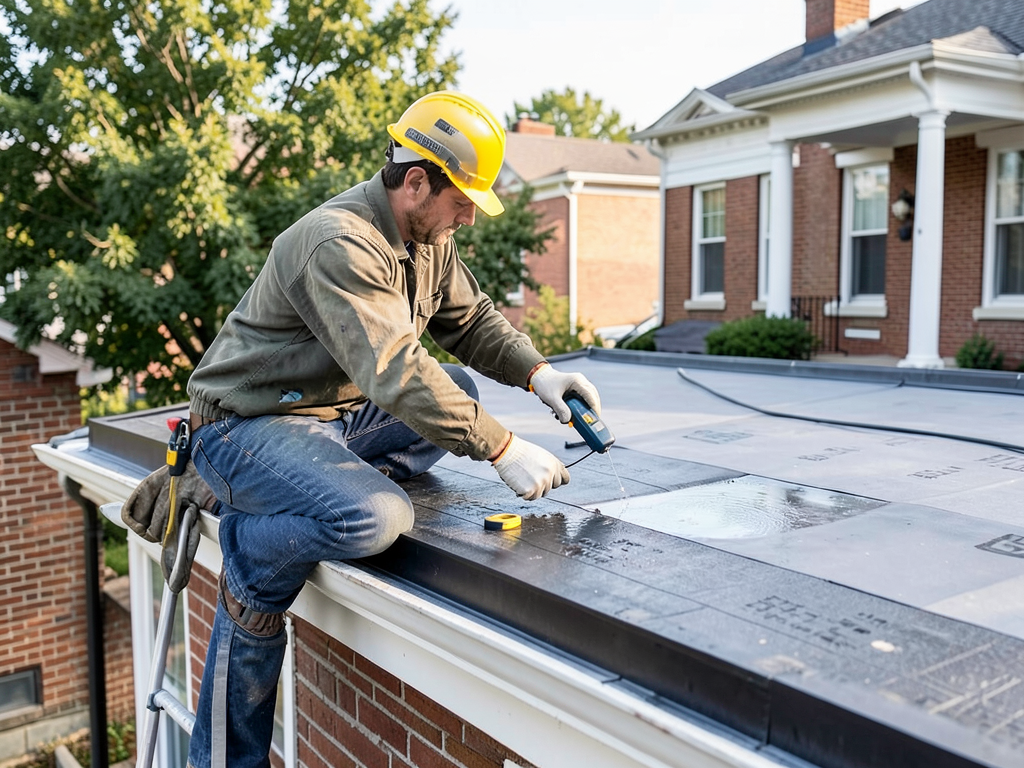
Why the Lowest Roofing Bid Often Ends Up Costing More for Homeowners in Nottingham Getting multiple roofing bids feels smart until you realize the lowest number might hide thousands in future costs. In Nottingham, where…
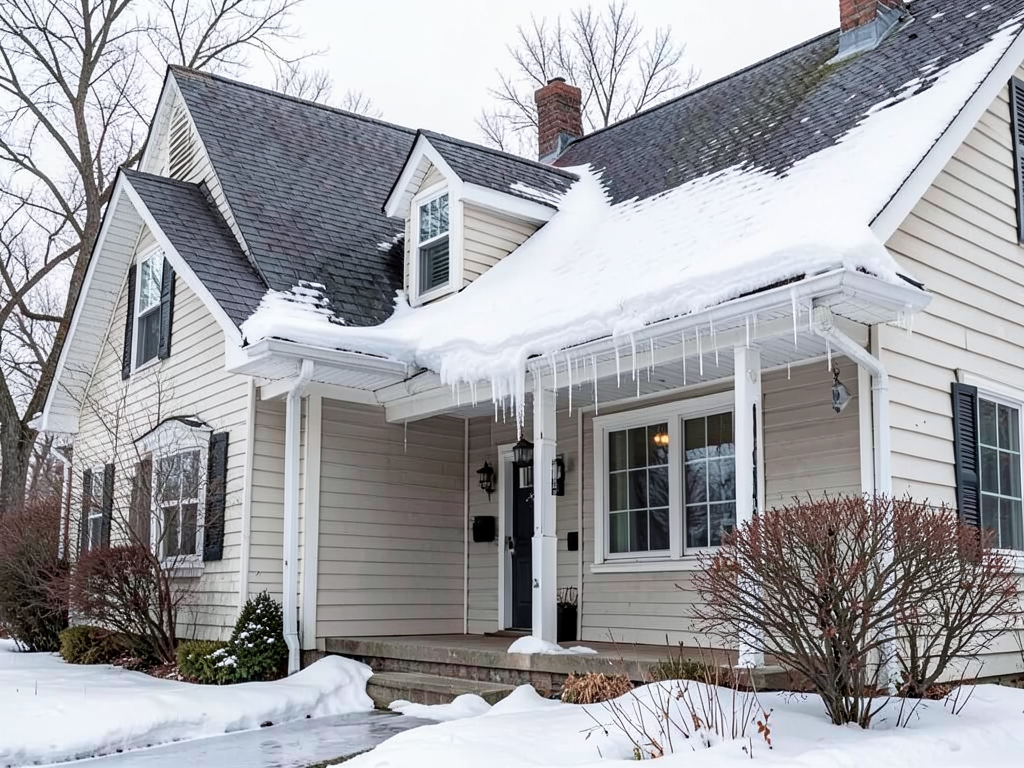
Comparing Manufacturer vs Workmanship Warranties for New Roofs in Parkville Parkville homeowners face tough choices…
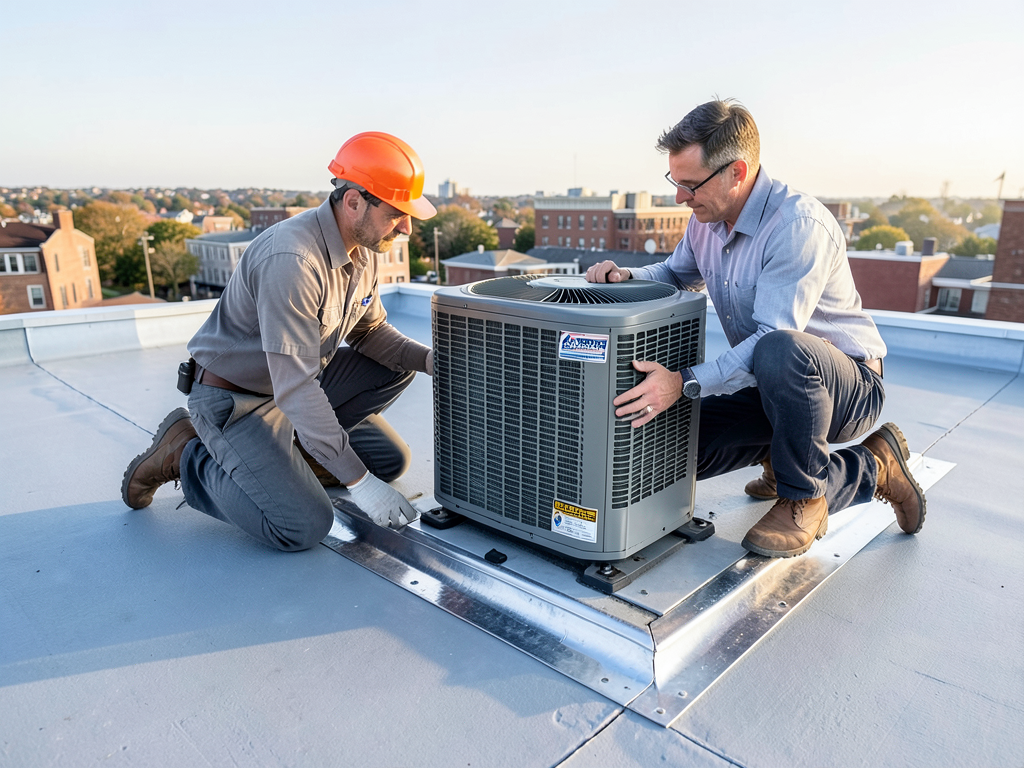
Your rooftop AC unit could be silently destroying your Federal Hill flat roof. The heavy…
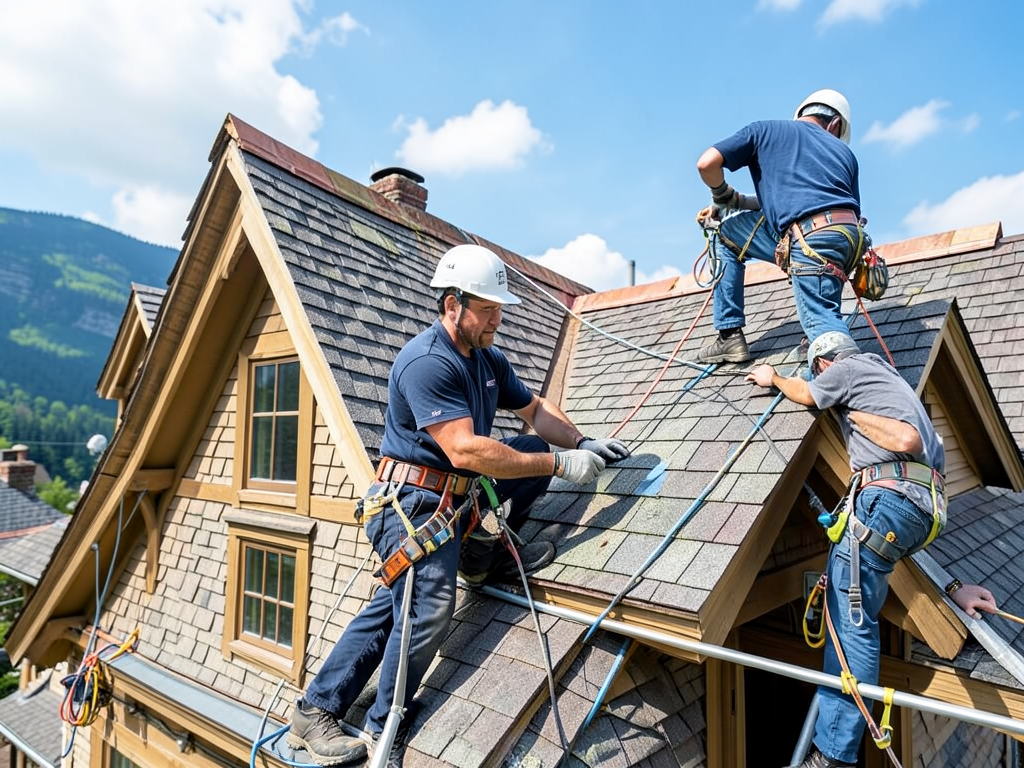
Why Steep Gabled Roofs in Mount Washington Require Special Safety Equipment and Labor Steep gabled…
Don't wait until small problems become expensive emergencies. Call A Plus Roofing Baltimore at (443) 455-9099 now for a thorough inspection and detailed estimate. We respond quickly, work efficiently, and deliver roofs that protect your home for decades. Your roof deserves expert care from contractors who understand Maryland weather and Montgomery County requirements.