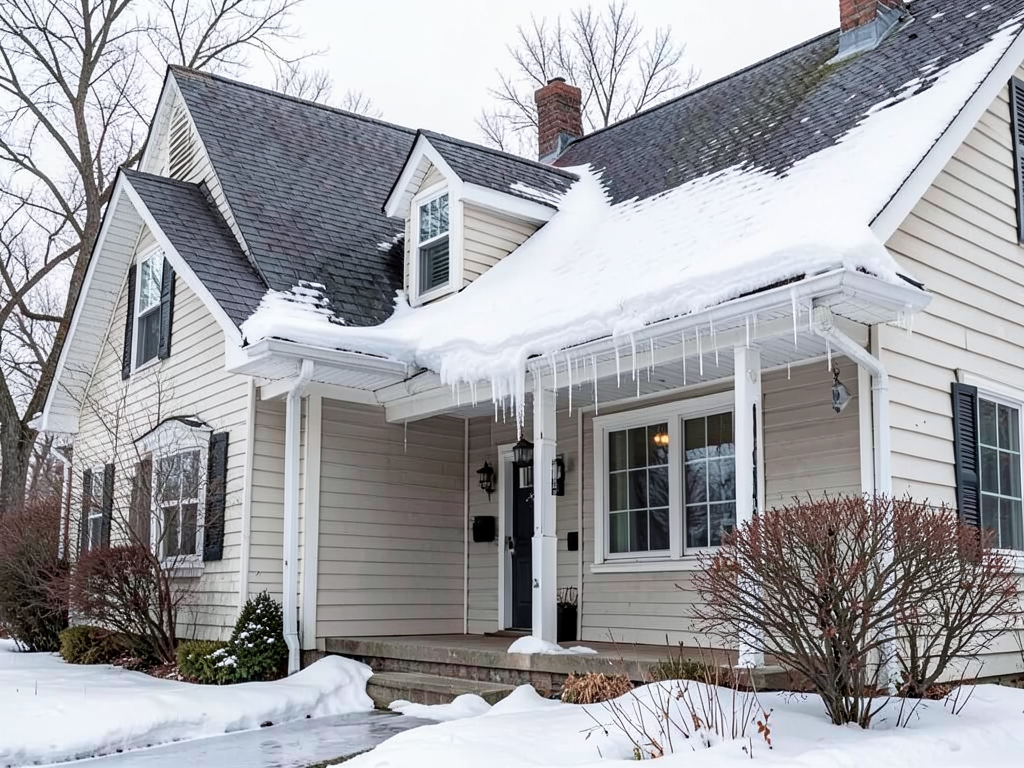
Baltimore sits at the convergence of three weather systems. Cold Canadian air masses move down the Susquehanna Valley. Warm, moist air pushes up from the Chesapeake Bay. Atlantic storm systems track inland along the I-95 corridor. When these systems collide, you get explosive thunderstorm development with damaging straight-line winds. The National Weather Service reports Baltimore experiences an average of 18 severe thunderstorm days annually, concentrated in summer months. These storms produce localized wind bursts exceeding 60 miles per hour that shred shingles and lift flashing. Hurricane season brings a second threat. Remnants from coastal systems stall over the region, dumping six to eight inches of rain in 24 hours. Older roof systems fail under combined wind and water loading.
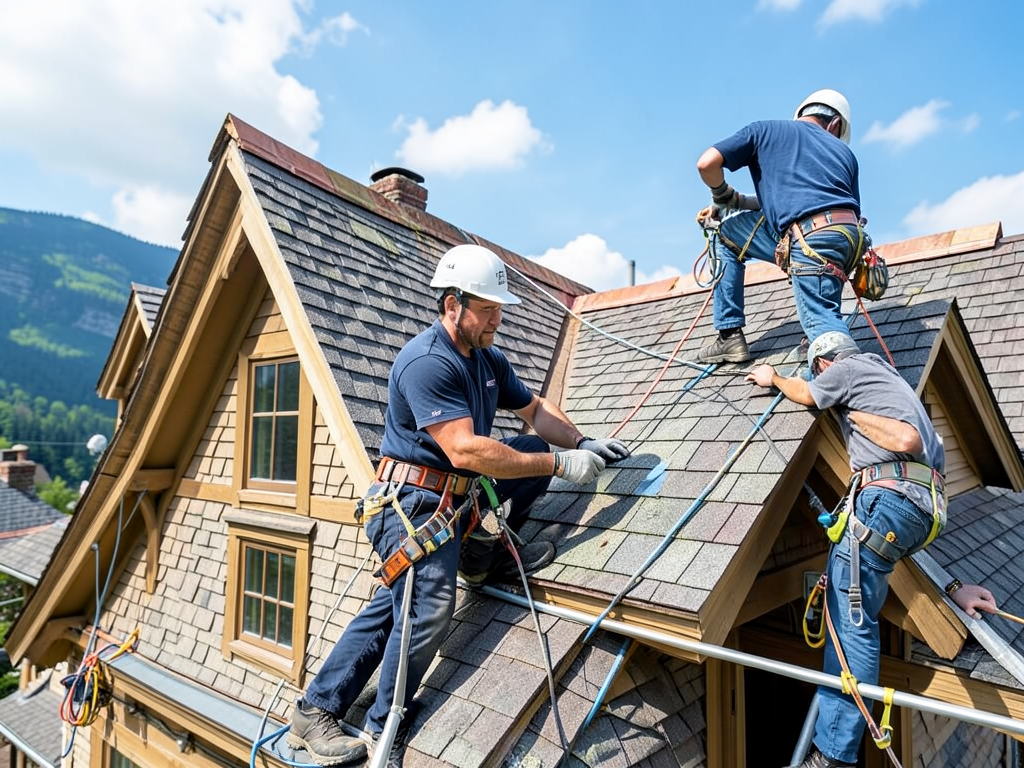
Baltimore's housing stock presents unique challenges for emergency roof repairs. The city has over 65,000 rowHomes with shared party walls and continuous rooflines. Storm damage to one property often affects adjacent structures. Emergency tarping on rowHome roofs requires coordination with neighbors and specialized anchoring that does not compromise shared structural elements. Historic districts covering neighborhoods like Charles Village and Guilford enforce architectural preservation standards that affect permanent repairs, but emergency weather protection receives expedited approval. A Plus Roofing Baltimore has worked across every Baltimore neighborhood and understands the building patterns, code requirements, and architectural constraints that affect both emergency response and permanent restoration. That local knowledge prevents the mistakes that turn a covered emergency into a code violation or insurance claim dispute.