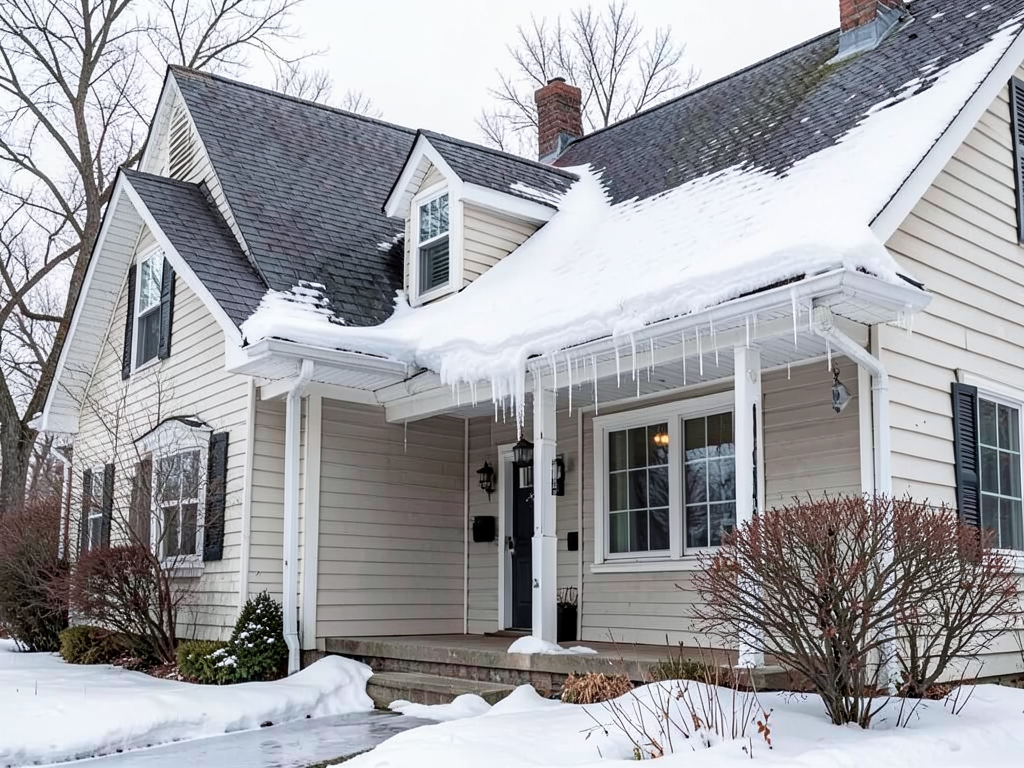
Baltimore's position at the head of Chesapeake Bay creates persistent humidity that accelerates deterioration of fiberglass shingles and composition shingles. The moisture promotes algae and moss growth, which holds water against the shingle surface and breaks down the asphalt binder and protective granules. The urban heat island effect in neighborhoods like Downtown and Harbor East raises roof surface temperatures by 10 to 15 degrees compared to surrounding suburbs, which accelerates thermal cycling damage. Your asphalt shingles expand and contract more aggressively, which loosens sealant bonds and causes premature tab lifting.
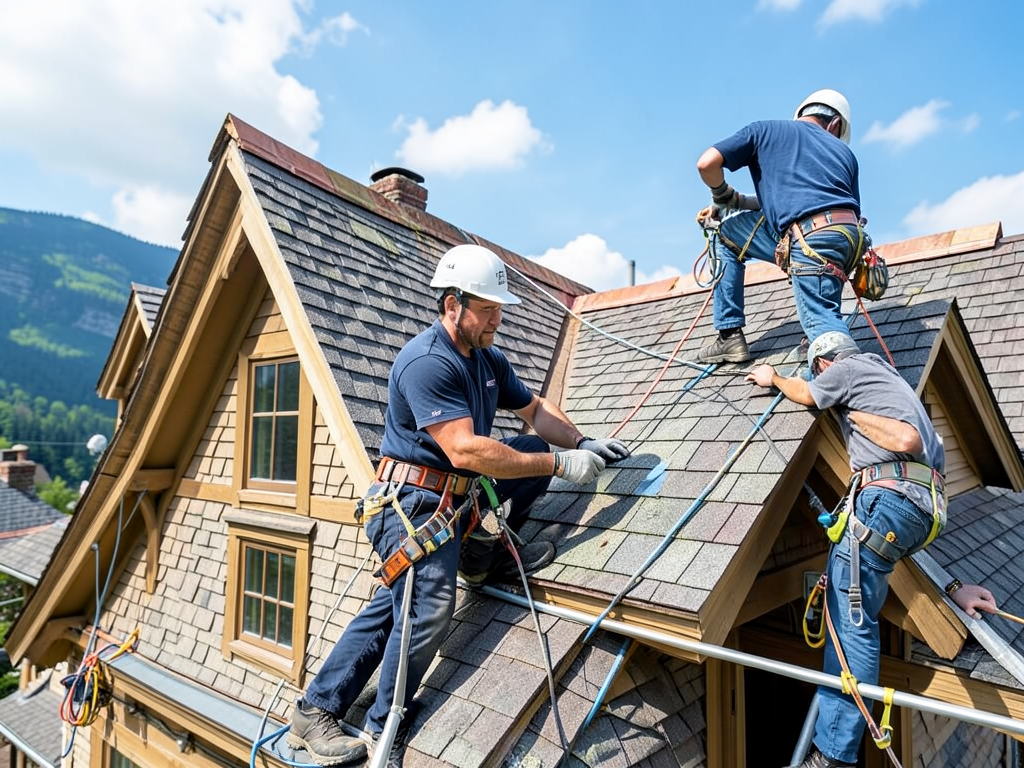
We understand Baltimore's building codes and inspection requirements for composite shingle roofing projects. We pull permits when required and schedule inspections at the proper phases. Our installations meet or exceed the wind resistance standards required for coastal exposure zones, which cover most of Baltimore City and County. We have worked with historic preservation boards in neighborhoods where architectural guidelines restrict material choices. You get a roof that satisfies both code enforcement and neighborhood standards, installed by contractors who understand local requirements.