menu

Homeowner's Guide to Roofing in Baltimore – Everything You Need to Know Before Your Next Roof Project

Master residential roofing basics for homeowners with this comprehensive home roofing handbook covering Baltimore's unique climate challenges, material selection, maintenance schedules, and when to call professionals.

Slider Image 1
Slider Image 2
Slider Image 3
Slider Image 4
Slider Image 5
Slider Image 7
Slider Image 8
Slider Image 9
Slider Image 10
Slider Image 11

Why Baltimore Homeowners Need a Different Approach to Roofing

Baltimore's coastal Mid-Atlantic location creates a unique roofing challenge that most residential roofing guides ignore. Your roof faces freeze-thaw cycles all winter, punishing summer humidity, and salt air corrosion if you live near the Inner Harbor or Chesapeake Bay tributaries. These conditions age roofing materials faster than national averages suggest.

The city's historic rowhomes in Fells Point and Canton present additional complications. Many feature flat or low-slope roofs that pool water after storms. Others use shared party walls that make roof replacement coordination with neighbors necessary. Row construction also means poor attic ventilation, which traps heat and moisture against your roof deck.

Baltimore's building codes require specific wind ratings because of nor'easter exposure. If you replace your roof without understanding these requirements, you risk failed inspections and insurance claim denials. The International Residential Code adopted by Baltimore County and City includes prescriptive fastening patterns that differ from generic residential roofing 101 advice you find online.

Clay soil throughout the Baltimore metro causes foundation movement that can stress roof framing. You might notice this as sagging ridgelines or doors that stick seasonally. These structural shifts affect roof performance but get overlooked in standard homeowner roofing manuals. Understanding how your foundation interacts with your roof system prevents expensive mistakes when planning repairs or replacement.

Why Baltimore Homeowners Need a Different Approach to Roofing
How to Evaluate Your Roof Like a Professional

How to Evaluate Your Roof Like a Professional

Start with attic inspection before you ever climb a ladder. Look for daylight penetration through the roof deck, which indicates holes or deteriorated sheathing. Check for water stains on rafters and feel insulation for dampness. Proper attic ventilation shows as consistent airflow from soffit vents to ridge vents. Blocked or inadequate ventilation creates condensation that rots your roof from the inside.

On the roof surface, examine shingle granule loss. Asphalt shingles shed granules as they age. Bare spots indicate the protective coating is gone and UV damage accelerates. Check valleys and transitions where different roof planes meet. These high-stress areas fail first. Flashing around chimneys, skylights, and plumbing vents should lay flat with no gaps or rust. Lifted flashing lets water penetrate straight into your home.

Walk the perimeter at ground level and look up at roof edges. Sagging gutters or fascia boards signal water damage to roof decking. Granules in gutters confirm shingle deterioration. Missing or damaged shingles show as dark spots where the underlayment is exposed. Count how many nails hold each shingle tab. Baltimore wind requirements need proper fastening patterns that cheap installations skip.

Document everything with photos and notes. Measure your roof planes if possible. This information helps you evaluate contractor estimates and prevents change orders later. Understanding your roof's actual condition means you make decisions based on facts rather than sales pressure.

Your Three-Phase Roof Decision Framework

Homeowner's Guide to Roofing in Baltimore – Everything You Need to Know Before Your Next Roof Project
01

Assessment and Planning

Begin with a professional inspection that includes attic evaluation and roof surface examination. A thorough assessment identifies underlying deck damage, ventilation problems, and structural issues that affect material selection. Request a written report with photos documenting current conditions. This becomes your baseline for comparing contractor proposals and planning your budget around actual needs rather than assumptions.
02

Material Selection

Match roofing materials to Baltimore's climate and your home's architecture. Asphalt shingles work for most applications but vary widely in wind resistance and longevity. Metal roofing handles flat or low-slope applications better than shingles. Consider ice and water shield requirements for valley protection. Your material choice affects installation methods, permit requirements, and long-term maintenance schedules. Factor in warranties that actually cover Baltimore's weather conditions.
03

Contractor Selection

Verify contractor licensing through Baltimore City or County permit offices. Check references on projects similar to yours in age and style. Review detailed proposals that specify material grades, installation methods, and cleanup procedures. Confirm the crew carries workers compensation insurance to protect you from liability. Establish a payment schedule tied to project milestones rather than paying everything upfront. Get permit copies and final inspection certificates when work completes.

Why Baltimore Roofing Requires Local Expertise

National roofing chains follow standardized installation methods that ignore Baltimore's specific challenges. They train crews on generic best practices that fail in coastal climates. A Plus Roofing Baltimore understands how salt air affects fastener selection and why upgraded underlayment matters near the harbor. We account for Baltimore's freeze-thaw cycles when recommending shingle grades and installation techniques.

Historic district work requires knowledge of preservation guidelines that most roofers never encounter. Canton, Federal Hill, and Mount Vernon projects need materials and methods that match original construction while meeting modern code. We navigate Historic Architectural Review Board requirements and communicate with preservation officers to keep your project moving forward.

Local building inspectors know us and trust our work meets code. This matters when they review your permit application and conduct final inspections. Out-of-town contractors often fail inspections because they misunderstand Baltimore's wind load requirements or flashing specifications. We pull permits correctly the first time and schedule inspections to avoid delays.

Our material suppliers stock products rated for Mid-Atlantic coastal conditions. We source ice and water shield, synthetic underlayment, and corrosion-resistant fasteners designed for your environment. Box store materials often use lower grades that void manufacturer warranties when failures occur. We specify products that actually perform in Baltimore weather and back them with proper installation.

Understanding row construction means we coordinate with neighboring property owners when shared walls affect your roof. We protect adjacent properties during tear-off and installation. This prevents disputes and ensures the entire row maintains weather protection throughout your project.

What Your Roof Project Actually Involves

Project Timeline Expectations

Most residential roof replacements in Baltimore take two to four days depending on size and complexity. Weather delays extend timelines because we never install roofing materials in rain or high winds. Permit approval adds one to two weeks before work begins. Historic district reviews can take 30 days or more. Schedule your project during Baltimore's dry season from late spring through early fall. Winter installations risk adhesive failure on self-sealing shingles. We provide daily updates and adjust schedules when weather or inspections cause delays. Your home stays protected with tarps during any overnight interruptions.

Initial Consultation Process

Your consultation includes attic inspection, roof surface evaluation, and detailed measurements. We check for ventilation problems, structural issues, and deck damage that affects your project scope. You receive a written assessment explaining current conditions with photos documenting problem areas. We discuss material options rated for Baltimore's climate and explain how choices affect performance and longevity. The proposal breaks down costs by labor, materials, permits, and disposal. We answer questions about warranties, installation methods, and what happens if we discover hidden damage during tear-off. This transparency helps you make informed decisions without pressure.

Quality Control Standards

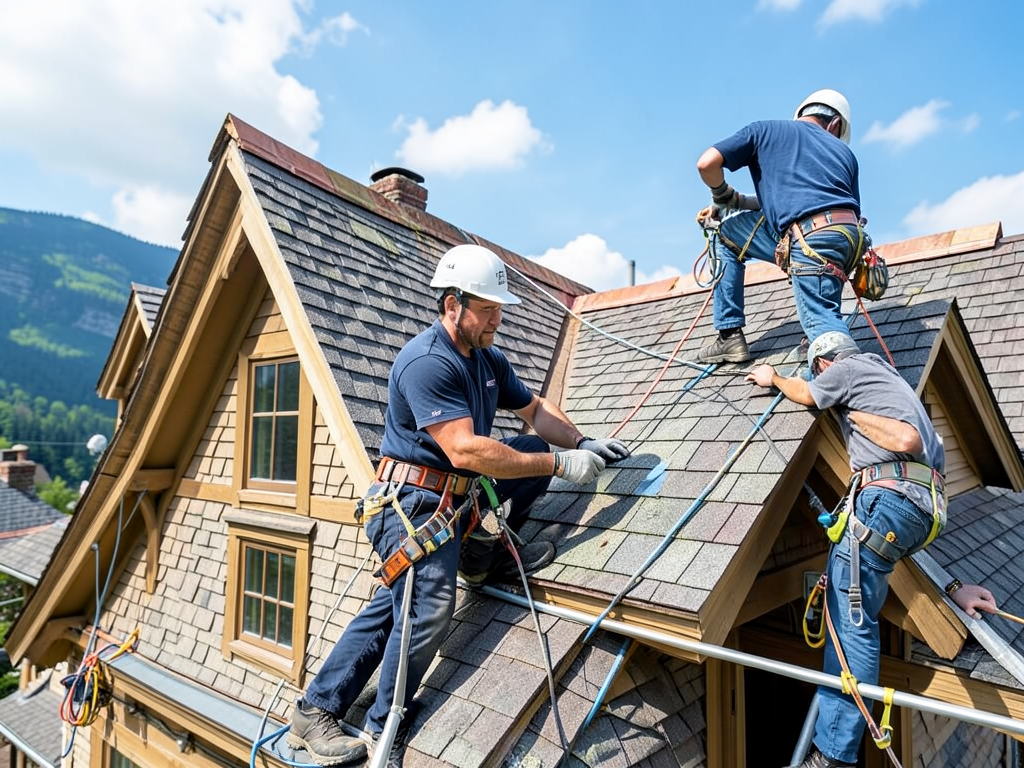
Every roof installation follows manufacturer specifications for fastening patterns, overlap requirements, and flashing details. We use chalk lines to maintain straight courses and verify square layouts. Valley installations get ice and water shield protection extending 24 inches from center. Flashing receives multiple sealant layers and proper counter-flashing integration. Our crew foreman inspects work at each phase before covering it with the next layer. Final walkthrough includes you, our project manager, and a detailed checklist confirming all elements meet code and contract specifications. You receive photos of completed flashing, ventilation, and valley details for your records.

Post-Installation Support

Material warranties cover defects for periods ranging from 25 years to lifetime depending on the product grade you select. Our workmanship warranty covers installation errors for a specified period detailed in your contract. We provide a maintenance guide explaining inspection schedules, gutter cleaning requirements, and signs of potential problems. Annual inspections catch small issues before they become expensive repairs. We offer maintenance plans that include gutter cleaning, flashing checks, and shingle replacement for storm damage. Keep all warranty documentation and inspection reports organized. This protects your investment and maintains coverage if you sell your home.

Frequently Asked Questions

You Have Questions,
We Have Answers

How Baltimore's Harbor Climate Accelerates Roof Aging

Salt air from the Chesapeake Bay reaches neighborhoods miles inland, corroding metal flashing and fasteners faster than standard roofing basics for homeowners account for. This coastal environment requires upgraded materials that resist corrosion. Homes in Locust Point, Canton, and Fells Point face the most aggressive exposure. Even properties in Towson and Catonsville experience elevated salt concentrations during storms when wind carries bay moisture inland. Standard galvanized nails rust through in 15 years where stainless steel or coated fasteners last decades. Your residential roofing guide needs to account for this accelerated aging when planning replacement schedules.

Baltimore's building inspectors enforce International Residential Code provisions adapted for local conditions. This includes specific wind speed ratings for shingle installations and fastening patterns that exceed generic residential roofing 101 recommendations. Contractors unfamiliar with Baltimore County and City amendments often fail inspections. Working with local roofing professionals who understand these requirements prevents delays and ensures your roof meets code. We maintain relationships with permit offices and inspectors, which streamlines approval processes and reduces project friction. This local knowledge protects your investment and ensures compliance.
Roofing Services in The Baltimore Area

We are proud to be a locally owned and operated business committed to serving the entire Baltimore community and its surrounding counties. View our office location on the map and see the breadth of our service area. We encourage you to visit our facility or contact us directly to discuss your next roofing project.

Address:
A Plus Roofing Baltimore, 101 N Haven St, Baltimore, MD, 21224

Additional Services We Offer

Our news updates

Latest Articles & News from The Blogs

Upgrading Your Builder-Grade Roof in Severn Before It Starts Leaking Your Severn home's builder-grade roof has a ticking clock. Maryland's…

Upgrading Your Builder-Grade Roof in Severn Before It Starts Leaking

Upgrading Your Builder-Grade Roof in Severn Before It Starts Leaking Your Severn home's builder-grade roof has a ticking clock. Maryland's…

Restoring the Ornamental Roof Details on Victorian Homes in Abell and Waverly

Restoring the Ornamental Roof Details on Victorian Homes in Abell and Waverly Victorian homes in Baltimore's Abell and Waverly neighborhoods…

Replacing a Detached Garage Roof in Glen Burnie — Costs and Best Materials

Replacing a Detached Garage Roof in Glen Burnie — Costs and Best Materials Replacing a detached garage roof in Glen…

Contact Us

Call A Plus Roofing Baltimore at (443) 455-9099 for a comprehensive roof evaluation. We provide written assessments with photos and answer all your questions about materials, costs, and timelines. Our Baltimore-specific expertise ensures your roof project succeeds.