menu

Winter Roof Maintenance Tips in Baltimore | Protect Your Investment Before the Next Freeze-Thaw Cycle

Comprehensive cold weather roofing upkeep strategies designed for Baltimore's harsh winter conditions, including ice dam prevention, flashing inspection, and shingle protection from freeze-thaw damage.

Slider Image 1
Slider Image 2
Slider Image 3
Slider Image 4
Slider Image 5
Slider Image 7
Slider Image 8
Slider Image 9
Slider Image 10
Slider Image 11

Why Baltimore Winters Demand Proactive Roof Care

Baltimore's winter weather punishes roofs in ways most homeowners underestimate. The freeze-thaw cycles that define our winters create continuous expansion and contraction in roofing materials. Water seeps into small cracks during the day, freezes overnight when temperatures drop below 32 degrees, and expands with enough force to widen gaps in shingles, flashing, and underlayment. This cycle repeats dozens of times each winter.

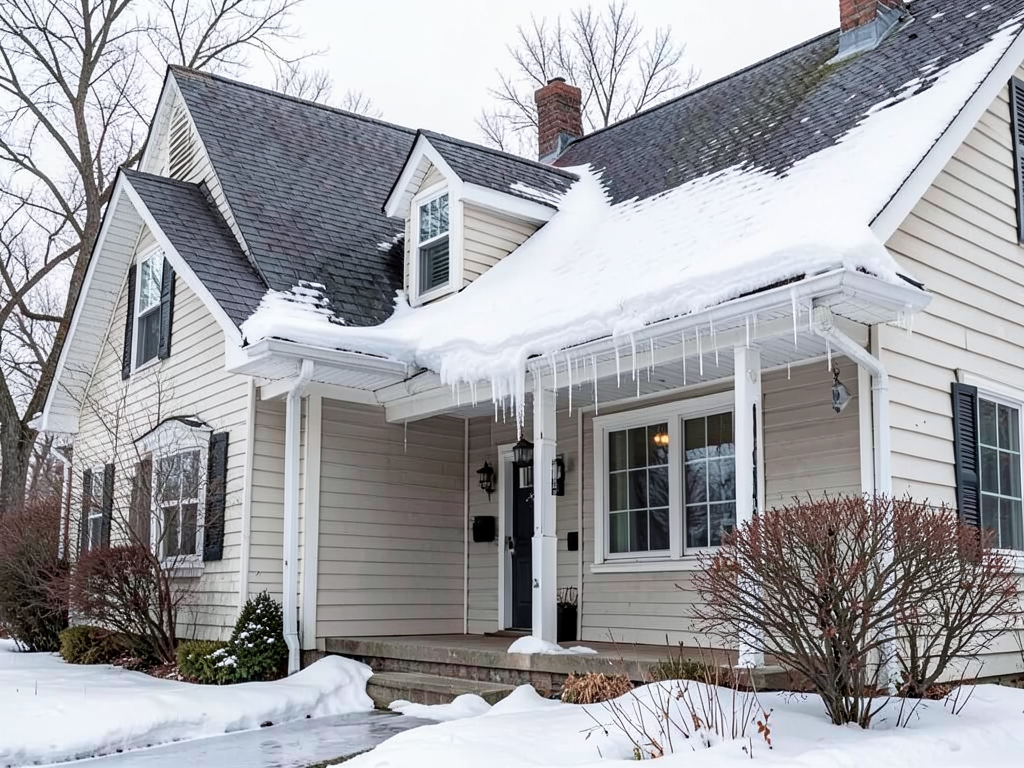
The Chesapeake Bay's proximity adds another layer of complexity. Moisture-laden air from the harbor districts moves inland, increasing humidity levels that accelerate ice dam formation along eaves. When snow melts on your roof's warm center and refreezes at the colder edges, water backs up under shingles and finds its way into attic spaces.

Your winter roof care guide starts with understanding these local conditions. Homes in Canton, Fells Point, and Federal Hill face additional challenges from row house configurations that create unique drainage patterns. Snow and ice pile up where rooflines meet, creating pressure points that standard roof designs in warmer climates never experience.

Preparing your roof for winter means addressing vulnerabilities before the first hard freeze. The temperature swings between November and March create ideal conditions for water infiltration. A roof maintenance checklist for winter becomes critical when you consider that most insurance claims from winter damage stem from preventable issues that property owners overlooked during fall inspections. Winterizing your roof protects the structure, prevents interior damage, and extends the lifespan of your roofing system by years.

Why Baltimore Winters Demand Proactive Roof Care
The Technical Approach to Cold Weather Roofing Upkeep

The Technical Approach to Cold Weather Roofing Upkeep

Proper winter roof maintenance starts with a systematic inspection of your roof's vulnerable points. We examine flashing around chimneys, vent pipes, and skylights for separation gaps that allow water penetration. These metal barriers seal the transitions between roofing materials and vertical structures, and thermal expansion from temperature changes loosens the sealant bonds over time.

Shingle integrity matters more in winter than any other season. We check for curling edges, missing granules, and cracked tabs that expose the underlying felt paper to moisture. Asphalt shingles become brittle in cold temperatures, making them susceptible to wind damage during winter storms that barrel up the Chesapeake from the Atlantic.

Attic ventilation plays a critical role in preventing ice dams. We verify that soffit vents remain clear of insulation and that ridge vents allow proper air circulation. When warm air from your living space escapes into an improperly ventilated attic, it heats the roof deck and melts snow unevenly. The resulting runoff freezes at the eaves, creating ice dams that force water under shingles.

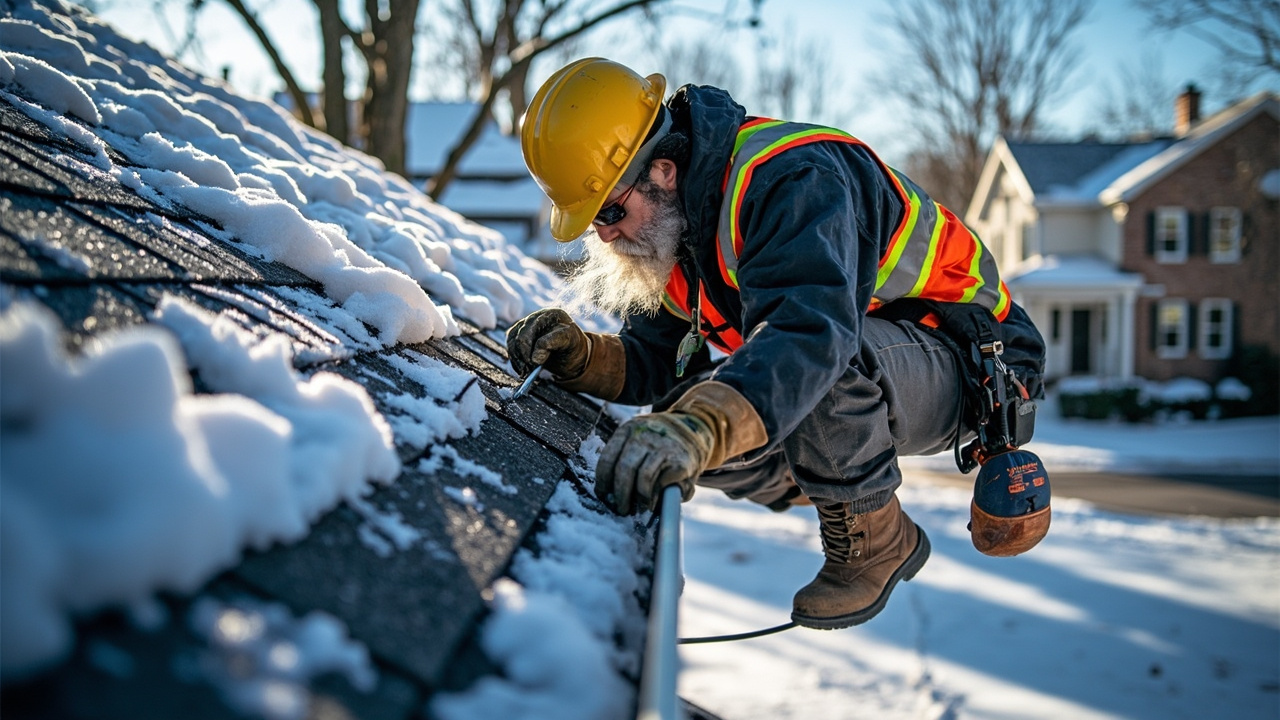
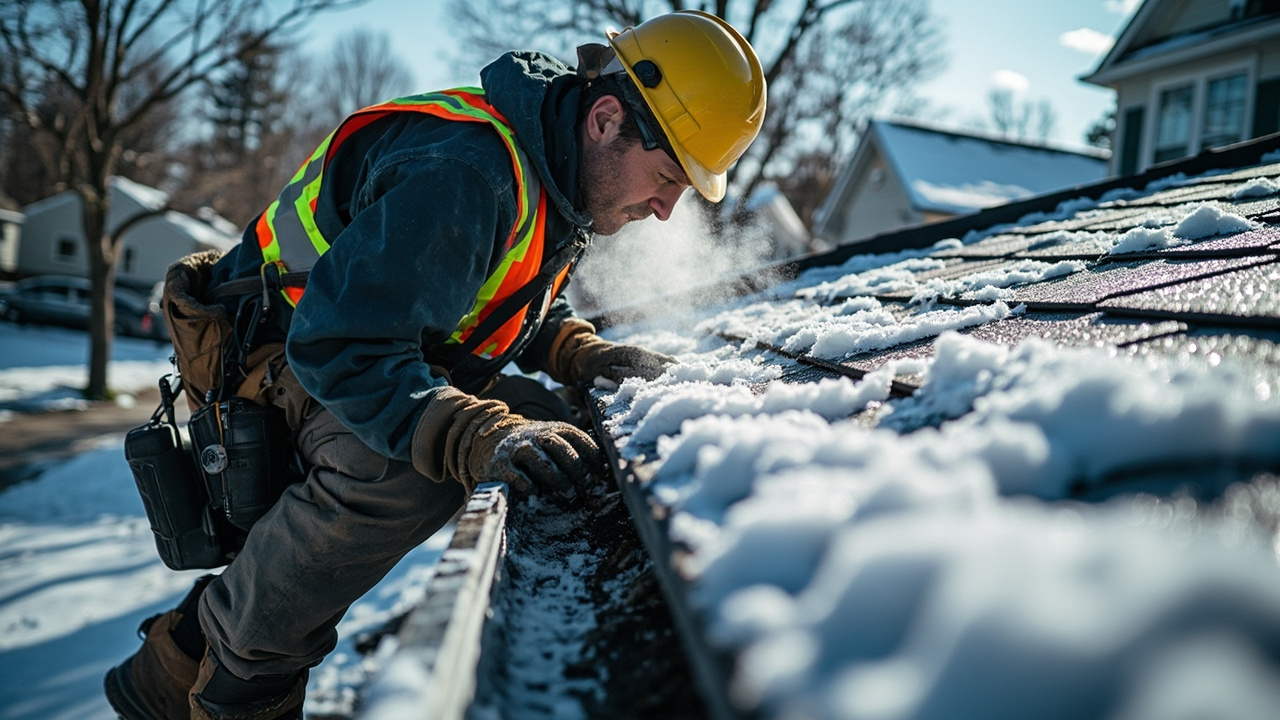
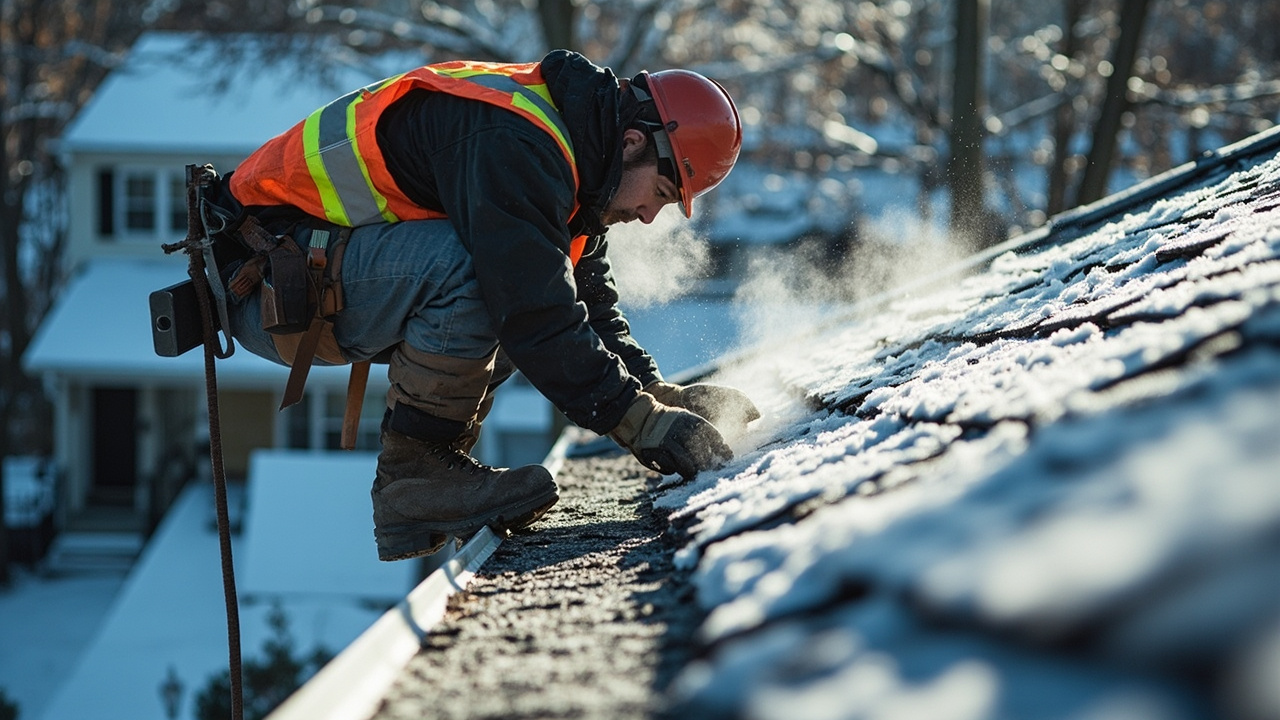
Gutter systems need attention before temperatures drop consistently below freezing. We clear debris from valleys and downspouts, ensuring that melting snow has a clear path off your roof. Clogged gutters create standing water that freezes, adding weight and creating leverage points that can tear gutter brackets from fascia boards.

A Plus Roofing Baltimore applies this technical approach to every winter roof care assessment. We document problem areas with photographs, explain the mechanisms that cause damage, and prioritize repairs based on risk level. This methodology separates preventive maintenance from reactive emergency repairs that cost three times more after damage occurs.

Your Complete Winterizing Process

Winter Roof Maintenance Tips in Baltimore | Protect Your Investment Before the Next Freeze-Thaw Cycle
01

Comprehensive Roof Inspection

We conduct a detailed exterior and interior assessment before winter weather arrives. Our inspection covers shingle condition, flashing integrity, soffit and fascia boards, attic ventilation, and insulation levels. We identify thermal bridges where heat escapes and creates uneven snow melt patterns. You receive a documented report with prioritized recommendations and photographic evidence of any deficiencies that need attention before temperatures drop.
02

Strategic Repairs and Reinforcement

We address vulnerabilities identified during inspection using materials rated for Maryland's climate conditions. This includes resealing flashing joints with cold-weather adhesives, replacing damaged shingles, reinforcing valley metal, and ensuring proper drip edge installation. We clear all debris from roof valleys and verify that attic insulation maintains proper clearance from roof decking. Each repair follows manufacturer specifications for cold weather application to ensure proper adhesion and performance.
03

Prevention System Implementation

The final phase establishes ongoing protection through the winter months. We install heat cable in problem areas prone to ice dam formation, verify gutter guards function properly, and confirm downspouts direct water away from foundation walls. You receive a customized winter maintenance schedule that includes post-storm inspection recommendations and signs to watch for that indicate developing problems. This proactive approach prevents small issues from becoming expensive emergency repairs.

Why Local Expertise Matters for Baltimore Roof Maintenance

Understanding Baltimore's specific roofing challenges requires years of working in this climate. We know that homes in Roland Park face different issues than properties in Locust Point because of elevation differences and exposure to prevailing winds off the harbor. This local knowledge shapes our approach to winterizing your roof.

Baltimore County and City building codes mandate specific underlayment requirements and ice barrier installation in certain roof configurations. We stay current on these regulations and ensure all winter preparation work meets or exceeds code standards. This matters when you file insurance claims or sell your property, as documentation of proper maintenance significantly impacts both processes.

The architectural diversity in Baltimore's neighborhoods demands adaptable solutions. Historic rowhomes in Butchers Hill have different ventilation challenges than detached colonials in Homeland. Flat roofs common in commercial districts require entirely different winter preparation than pitched residential roofs. A Plus Roofing Baltimore tailors our roof maintenance checklist for winter to match your specific roof design and local environmental factors.

We maintain relationships with local suppliers who stock materials appropriate for Mid-Atlantic winters. When we replace flashing or shingles during fall preparation work, we use products engineered for freeze-thaw cycles and humidity levels typical of the Chesapeake region. Generic national chains often install materials better suited for consistent climates that lack our temperature volatility.

Our crews work year-round in Baltimore weather conditions. We understand the narrow window between late fall rains and the first freeze when certain repairs become impossible. This timing knowledge ensures your winter roof care gets completed during optimal conditions rather than rushed during emergency situations when ice dams already formed and water infiltrated your home.

What Your Winter Roof Maintenance Includes

Inspection Timeline and Availability

We schedule comprehensive winter preparation inspections from September through November, before the first hard freeze arrives in Baltimore. Most inspections take two to three hours depending on roof size and complexity. We offer flexible scheduling including weekends to accommodate your availability. Our crews complete priority repairs within one week of inspection approval, weather permitting. For properties requiring extensive work, we provide temporary protective measures while scheduling full repairs during the next suitable weather window. Emergency assessments remain available throughout winter when storm damage or sudden leaks occur.

Detailed Assessment Process

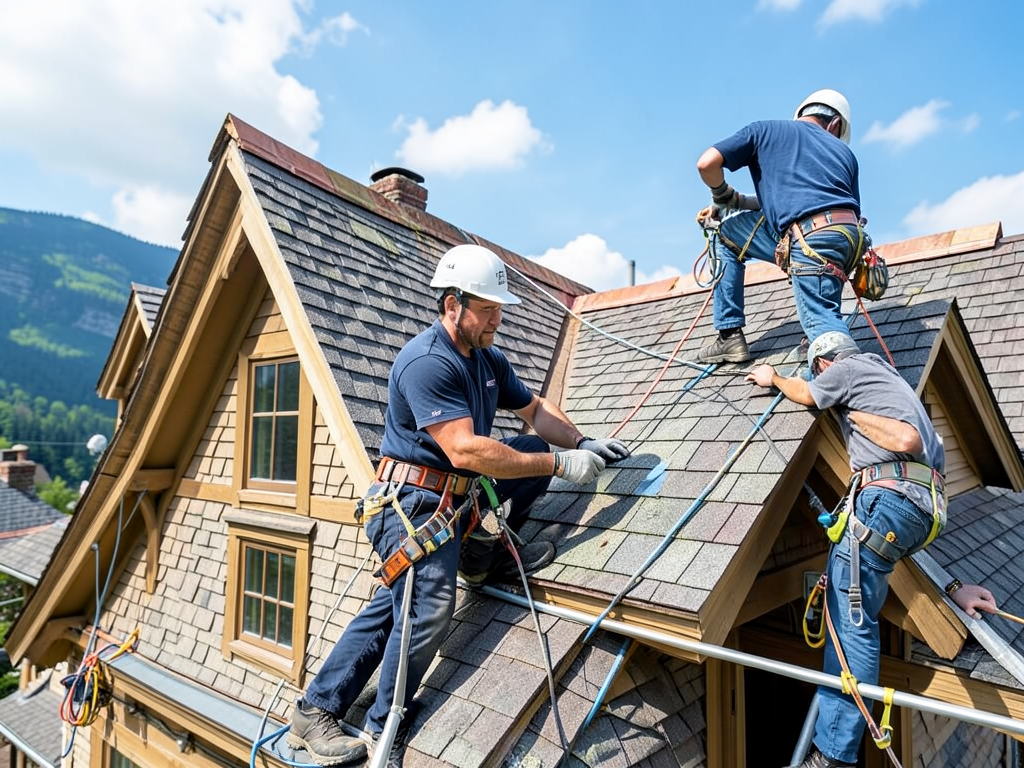
Your inspection begins with an exterior roof examination using safety equipment and proper access methods. We photograph problem areas and use thermal imaging when attic access allows, identifying heat loss patterns that contribute to ice dam formation. Our crew inspects your attic space for proper ventilation, adequate insulation depth, and signs of previous moisture infiltration. You receive a written report detailing current roof condition, recommended repairs ranked by urgency, and explanations of how each issue impacts winter performance. We answer all questions and explain technical findings in clear language without pressuring you toward unnecessary work.

Quality of Completed Work

All repairs use materials manufactured for cold climate applications and rated for Maryland weather conditions. We match existing shingle colors and styles to maintain your roof's appearance. Flashing repairs utilize proper metal gauges and include adequate overlap per building code requirements. Our crews seal all penetrations, verify proper shingle layering in valleys, and ensure attic ventilation maintains manufacturer specifications. Final inspection confirms all debris gets removed from your property and gutters flow freely. You receive documentation of completed work including material specifications and care instructions for winter months ahead.

Ongoing Support Through Winter

We provide guidance for monitoring your roof during winter storms and instructions for safe snow removal if accumulation becomes excessive. You receive our emergency contact information for urgent situations like sudden leaks or visible damage from ice buildup. We maintain detailed records of your roof's condition and repair history, making future maintenance more efficient. Our team remains available for post-storm assessments when high winds or heavy snow loads raise concerns about structural integrity. Spring follow-up inspections verify that preventive measures performed as expected and identify any issues that developed despite proper winterization efforts.

Frequently Asked Questions

You Have Questions,
We Have Answers

What is the 25% rule in roofing? +

The 25% rule states that if more than 25% of your roof surface requires replacement within a 12-month period, you must bring the entire roof up to current building code. This applies across Baltimore and Maryland. The rule prevents patchwork repairs on aging roofs that could fail. If storm damage or wear affects a quarter of your shingles, expect a full tear-off and replacement. This protects you from investing in partial fixes on a roof nearing end-of-life. Always get a detailed inspection to determine the exact percentage of damage before committing to repair work.

How to prepare your roof for winter? +

Start by clearing gutters and downspouts of leaves and debris to prevent ice dams during Baltimore's freeze-thaw cycles. Inspect shingles for cracks, curling, or missing tabs. Check flashing around chimneys, vents, and skylights for gaps. Trim overhanging branches that could snap under snow load. Schedule a professional inspection to catch hidden issues like damaged underlayment or deteriorated sealant. Address minor repairs now before winter moisture penetrates the deck. Ensure attic ventilation is adequate to prevent condensation buildup. Baltimore winters bring moisture and temperature swings that exploit small vulnerabilities.

What do roofers do for work in the winter? +

Roofers in Baltimore shift focus during winter months. They handle emergency leak repairs and storm damage work year-round. They install roofs on milder days when temperatures allow proper shingle sealing. Many roofers use this slower season for commercial projects with controlled conditions or flat roof systems less affected by cold. Indoor work includes attic insulation upgrades, ventilation improvements, and detailed inspections. Some crews handle ice dam removal or apply temporary weatherproofing. Winter also allows time for equipment maintenance, crew training, and project planning for the busy spring season ahead.

What temperature is too cold for roofing? +

Most asphalt shingles should not be installed below 40 degrees Fahrenheit. The adhesive strips need warmth to seal properly. Cold shingles become brittle and crack during nailing. Baltimore winters frequently dip below this threshold, especially mornings and evenings. Some manufacturers allow installation down to 25 degrees with special precautions like hand-sealing tabs and storing materials indoors. Emergency repairs happen at any temperature using temporary solutions. Metal roofing and certain commercial systems tolerate cold better. Always check manufacturer specifications. Rushing winter installation risks long-term failure and voided warranties.

How to tell if a roofer is lying? +

Watch for pressure tactics demanding immediate decisions or large upfront deposits. Legitimate Baltimore roofers provide detailed written estimates breaking down materials, labor, and timelines. Be wary of door-knockers after storms offering deals. Check their Maryland Home Improvement Commission license and verify insurance. A roofer avoiding inspections or offering prices far below competitors may cut corners. Ask for local references you can visit. Question vague damage claims without photos or explanation. Honest contractors explain the problem clearly, show you the damage, and provide options. Trust your instincts if something feels off.

What is the DeSantis roof law? +

The DeSantis roof law applies only to Florida, not Maryland or Baltimore. Florida's law affects insurance claims and roof replacement requirements based on age and damage percentage. Maryland follows different statutes. Baltimore homeowners should focus on local building codes and Maryland insurance regulations. If you have questions about roof replacement requirements or insurance claim procedures in Baltimore, consult a local contractor familiar with Maryland Home Improvement Commission rules and Baltimore City building codes. State-specific laws do not transfer across jurisdictions. Always verify information applies to your actual location.

Can I apply roof Maxx myself? +

Roof Maxx requires professional application by certified dealers. The soy-based treatment penetrates shingle surfaces and must be applied at specific rates with commercial equipment. DIY application risks uneven coverage, over-saturation, or waste. The product needs proper surface preparation and weather conditions. Certified applicators in the Baltimore area understand how local climate affects absorption and curing. They provide warranties tied to professional installation. Attempting self-application voids any manufacturer guarantees and may damage shingles. The treatment works when applied correctly but fails without proper technique. Hire a certified Roof Maxx dealer for best results.

Why are people putting blue tarps on their roof? +

Blue tarps signal emergency roof protection after storm damage. Baltimore homeowners use them to stop active leaks while waiting for permanent repairs. The bright color makes damage visible to insurance adjusters and contractors. Tarps prevent water intrusion that worsens deck rot and interior damage. They are temporary solutions, not fixes. Wind can tear poorly secured tarps, causing more harm. Professional emergency services anchor tarps correctly to withstand weather. If you see tarps in Baltimore neighborhoods after storms, it means residents are managing damage until contractors can schedule full repairs during better weather.

Should I insulate the underside of my roof? +

Insulating the roof deck underside depends on your attic type. Cathedral ceilings and unvented attics benefit from spray foam insulation between rafters. Traditional vented attics should have insulation on the attic floor, not the roof deck. Baltimore homes need balanced approaches. Insulating the underside without proper ventilation traps moisture and causes rot. Consult a professional to evaluate your specific structure. Improper insulation creates condensation problems during Baltimore's humid summers and cold winters. The goal is thermal barrier placement that prevents ice dams while allowing moisture escape. Each home requires assessment based on design.

Do roofers charge more in winter? +

Winter pricing varies by demand and urgency. Emergency repairs often cost more due to difficult working conditions and immediate response needs. Scheduled replacement projects may cost less as contractors fill slow-season gaps. Baltimore's unpredictable winter weather can delay projects, affecting labor costs. Some roofers offer discounts to keep crews working during slower months. Others charge premiums for cold-weather challenges like heating materials and shorter workdays. Material costs stay relatively stable. Get multiple quotes regardless of season. Evaluate total value, not just price. Quality work at fair rates matters more than seasonal bargains that compromise results.

How Chesapeake Bay Humidity Intensifies Roof Freeze-Thaw Damage in Baltimore

Baltimore's position along the Chesapeake Bay creates moisture conditions that most inland cities never experience. Water vapor from the harbor moves through neighborhoods on prevailing winds, increasing relative humidity levels even during cold weather. This moisture settles on roof surfaces and penetrates small gaps in shingles and flashing. When temperatures drop overnight, this trapped moisture freezes and expands. The cycle repeats daily during transitional periods in late fall and early spring, creating cumulative damage that inland properties avoid. Homes in waterfront neighborhoods from Canton to Locust Point see accelerated deterioration compared to properties just five miles inland.

A Plus Roofing Baltimore built our expertise working on thousands of roofs across Baltimore's diverse neighborhoods. We understand how elevation changes from the Inner Harbor up to higher ground in neighborhoods like Mount Washington affect snow accumulation patterns and drainage requirements. Our familiarity with local building inspectors and permit requirements streamlines any work requiring approvals. When you choose a roofing contractor for winter preparation, local knowledge directly impacts the quality and appropriateness of recommended solutions. National chains apply generic checklists regardless of regional conditions. We customize every roof maintenance plan based on Baltimore's specific climate challenges and your property's unique characteristics.
Roofing Services in The Baltimore Area

We are proud to be a locally owned and operated business committed to serving the entire Baltimore community and its surrounding counties. View our office location on the map and see the breadth of our service area. We encourage you to visit our facility or contact us directly to discuss your next roofing project.

Address:
A Plus Roofing Baltimore, 101 N Haven St, Baltimore, MD, 21224

Additional Services We Offer

Our news updates

Latest Articles & News from The Blogs

How New Attic Insulation Can Actually Extend the Life of Your Towson Roof Your Towson roof faces a unique combination…

How New Attic Insulation Can Actually Extend the Life of Your Towson Roof

How New Attic Insulation Can Actually Extend the Life of Your Towson Roof Your Towson roof faces a unique combination…

Why Pressure Washing Your Pikesville Roof Does More Harm Than Good

Why Pressure Washing Your Pikesville Roof Does More Harm Than Good Your Pikesville roof faces unique challenges from Maryland’s humid…

Why Steep Slope Roofs in Mount Airy Require a Different Kind of Specialist

Why Steep Slope Roofs in Mount Airy Require a Different Kind of Specialist Steep slope roofs in Mount Airy present…

Contact Us

Protect your home before the first freeze hits Baltimore. Call A Plus Roofing Baltimore at (443) 455-9099 to schedule your comprehensive winter roof assessment. Our crews work efficiently to complete necessary repairs before harsh weather arrives.