menu

Tile Roofing Services in Baltimore | Expert Installation and Repair for Every Architectural Style

From Federal Hill rowhouses to Roland Park estates, our tile roofing contractors deliver precise installation, repair, and replacement solutions engineered for Baltimore's freeze-thaw cycles and historic district requirements.

Slider Image 1
Slider Image 2
Slider Image 3
Slider Image 4
Slider Image 5
Slider Image 7
Slider Image 8
Slider Image 9
Slider Image 10
Slider Image 11

Why Tile Roofs Face Unique Challenges in Baltimore's Climate

Baltimore's position in the Mid-Atlantic creates a perfect storm for tile roof stress. The city averages 25 freeze-thaw cycles each winter. Water seeps into microscopic cracks in clay or concrete tiles, freezes overnight, expands, then thaws by midday. This daily expansion and contraction slowly fractures even premium tiles.

Add Baltimore's humidity levels, which hover near 70 percent during summer months, and you create conditions for efflorescence. The white powdery substance that appears on tile surfaces is salt migration from moisture penetration. Left unchecked, it signals underlying water infiltration that can rot the underlayment and decking.

The Chesapeake Bay's proximity brings salt air that accelerates deterioration of flashing and fasteners. Copper flashing common in Mount Vernon and Bolton Hill historic homes corrodes faster near the harbor. Galvanized nails used in budget installations fail within 15 years in these conditions.

Baltimore City's historic district regulations add another layer. Tile roofing companies working in neighborhoods like Fell's Point or Charles Village must match original profiles and colors exactly. You cannot simply install any tile. The Commission for Historical and Architectural Preservation requires documentation and approval for replacements on contributing structures.

Wind-driven rain from nor'easters exploits gaps in tile lap coverage. Standard 3-inch headlap installations fail during storms. Baltimore tile roof repair specialists know to increase overlap to 4 inches minimum and use mechanical fasteners, not just mortar beds, to secure hip and ridge tiles against 50 mph gusts that funnel up the Patapsco River valley.

Why Tile Roofs Face Unique Challenges in Baltimore's Climate
The Engineering Behind Proper Tile Roof Installation

The Engineering Behind Proper Tile Roof Installation

Tile roof installation demands structural verification before a single tile goes up. Each square of concrete tile weighs 900 to 1,100 pounds. Clay runs 600 to 800 pounds. Most Baltimore rowhouses built before 1950 have 2x6 rafters on 24-inch centers. That framing cannot support tile without reinforcement.

We sister joists or install supplemental rafters to bring load capacity to 15 pounds per square foot minimum. The building department requires stamped calculations from a structural engineer for any tile installation on structures built before 1970. We handle that coordination.

The underlayment layer determines longevity. Standard 30-pound felt fails in 12 to 15 years. We install synthetic underlayment rated for 50-year exposure, even though tile will cover it. Why? Because Baltimore's temperature swings cause tile to shift microscopically. That movement eventually creates tiny gaps where wind-driven rain penetrates. Premium underlayment is your second line of defense.

Flashing details separate competent tile roofing contractors from amateurs. Valley flashing must extend 12 inches up each slope and use closed-cut valley construction for Baltimore's rain volume. Open valleys allow debris accumulation that dams water. Step flashing at chimneys and sidewalls requires 4-inch height and 2-inch wall penetration, sealed with through-wall counterflashing, not surface-applied caulk that fails within three years.

Batten installation over underlayment creates ventilation channels that prevent ice dam formation. Each batten strip elevates tiles 3/4 inch, allowing air circulation that moderates temperature differentials. This single detail extends tile life by preventing thermal shock cracking during rapid weather changes common along the Chesapeake corridor.

How Tile Roofing Projects Work in Baltimore

Tile Roofing Services in Baltimore | Expert Installation and Repair for Every Architectural Style
01

Structural Assessment and Planning

We evaluate your roof framing from the attic to verify load capacity. Digital moisture meters detect hidden water damage in decking. We photograph existing flashing, measure slopes, and document penetrations. You receive a detailed scope that includes structural modifications if needed, permit requirements, and a timeline that accounts for historic district approval delays. This assessment takes two hours and prevents mid-project surprises.
02

Systematic Tear-Off and Deck Repair

Tile removal exposes decades of hidden damage. We strip to bare decking, replacing any sheathing with moisture readings above 16 percent. Rotted fascia boards and rafter tails get cut out and spliced with treated lumber. New drip edge goes on before underlayment, creating a capillary break that prevents water wicking into wood. We seal every nail penetration in the new deck with roofing cement to eliminate future leak points.
03

Precision Tile Layout and Installation

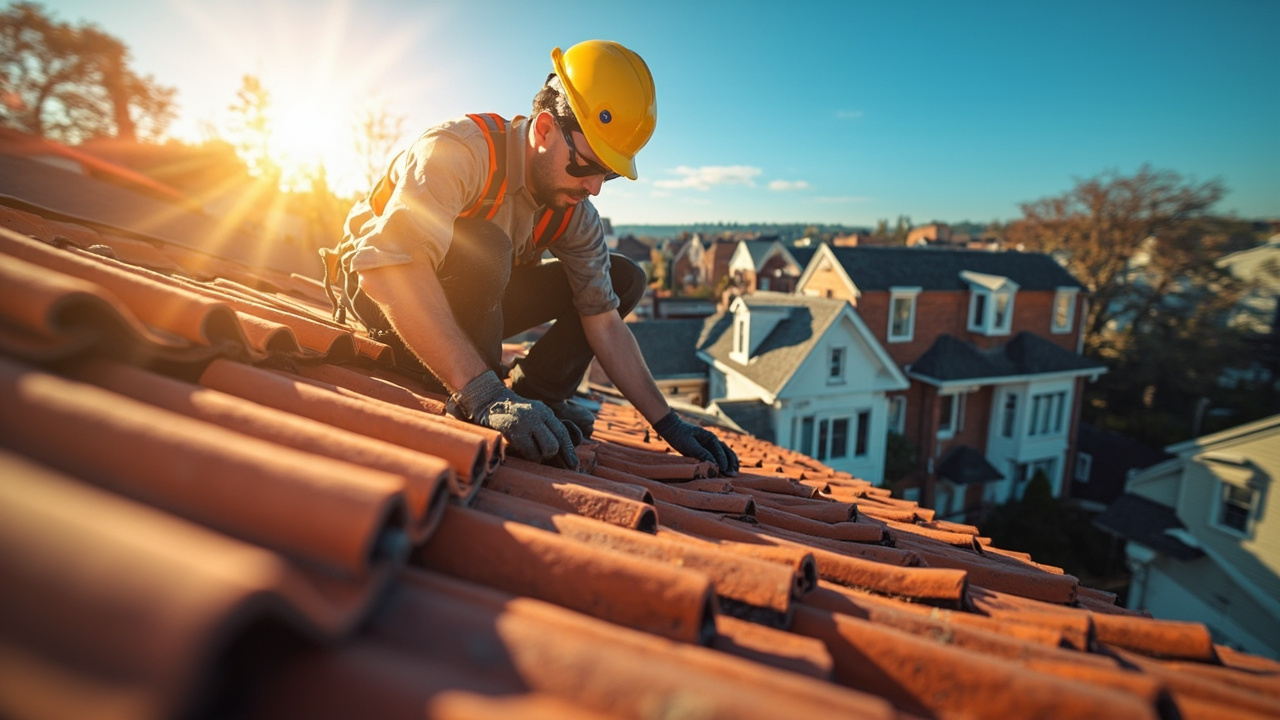
Tile roofing companies that skip layout create alignment problems at ridges and valleys. We snap horizontal lines every four courses to maintain straight rows across barrel or flat tiles. Each tile gets two stainless steel nails into battens, never into bare deck. Hip and ridge tiles receive mechanical fasteners plus mortar beds mixed with polymer additives for flexibility. Final inspection verifies every tile seats flush with no gaps or lifted edges.

Why Baltimore Property Owners Choose Local Tile Roof Specialists

Tile roof replacement in Baltimore requires knowledge you cannot gain from a training manual. We know which historic district reviewers prioritize color match versus profile match. We keep relationships with salvage yards that stock reclaimed Ludowici tiles from 1920s Canton rowhouses when you need exact replacements for landmark properties.

Our tile inventory includes profiles discontinued 40 years ago. When a Mount Washington homeowner needs to replace storm-damaged Mission S tiles on a 1930s Spanish Colonial, we source authentic replacements, not approximations. This matters for resale value and neighborhood character preservation.

We understand Baltimore's permit process. Standard tile roof repair pulling a building permit takes six weeks from application to approval if you submit complete structural calculations and product specifications. We maintain pre-approved structural details with the building department that cut that timeline to two weeks. For commercial properties in the Inner Harbor district, we navigate the additional Waterfront Commission review that most out-of-town tile roofing contractors do not know exists.

Insurance claims for tile damage require proper documentation. Adjusters deny claims when contractors cannot prove whether cracks resulted from impact or age-related deterioration. We photograph damage with scale references, collect displaced tiles as evidence, and provide written assessments that distinguish storm damage from wear. Our reports get claims approved that homeowners initially saw denied.

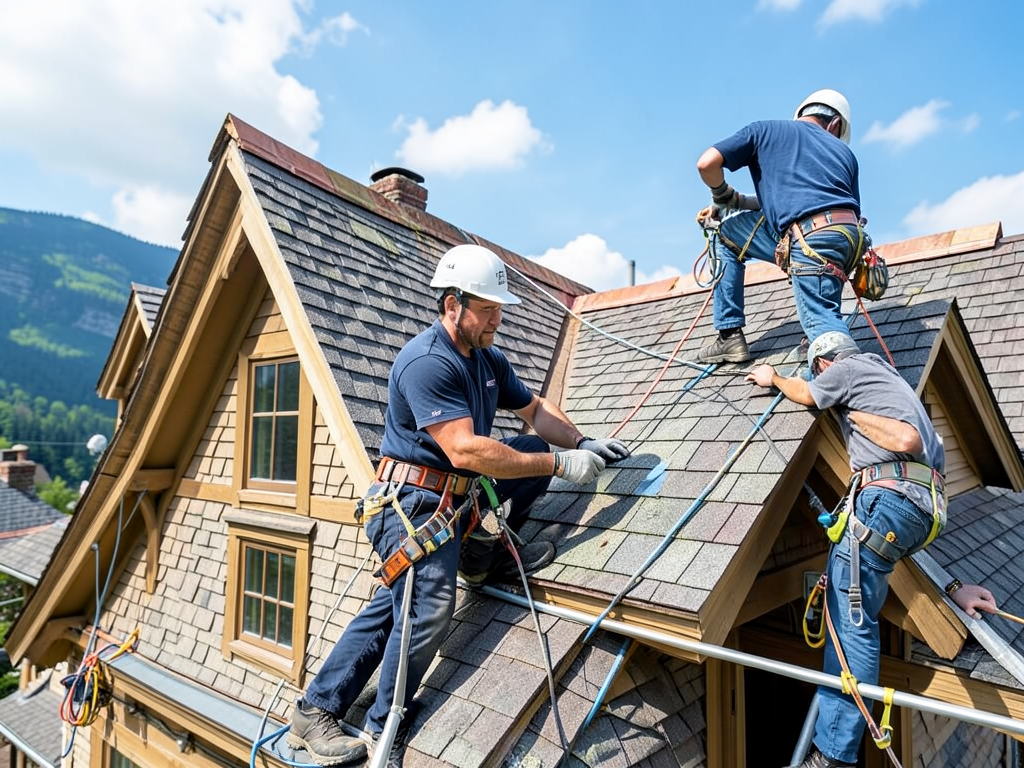
A Plus Roofing Baltimore trains crews on fall protection requirements specific to tile work. OSHA mandates different anchor points for tile roofs because standard roof jacks penetrate the waterproof membrane. We use specialized tile brackets that distribute load across multiple tiles without penetrating underlayment. This protects your roof system and keeps our people safe on slopes exceeding 8-in-12 pitch common in Guilford and Homeland neighborhoods.

What Your Tile Roofing Project Includes

Project Timeline and Weather Coordination

Complete tile roof replacement on a typical 2,000-square-foot Baltimore rowhouse takes seven to nine days. We schedule around weather because tile installation cannot occur in rain or when temperatures drop below 40 degrees. Mortar will not cure properly in cold conditions. We monitor forecasts and adjust daily start times to maximize dry working hours. Tear-off happens on day one so your home stays weathertight under synthetic underlayment each night. We tarp penetrations and valleys before leaving each evening. You receive daily progress updates with photo documentation of each completed phase.

Comprehensive Inspection and Tile Selection

The initial consultation includes attic inspection with thermal imaging to detect heat loss patterns that indicate ventilation problems. We measure existing tile dimensions and profiles, then provide samples of replacement options that match or upgrade your current system. For historic properties, we research original manufacturer specifications and locate period-appropriate alternatives if originals are unavailable. You see weight comparisons, wind rating certifications, and projected lifespan data for each tile option. Color selection happens on-site in natural light because showroom lighting misrepresents actual appearance. We leave sample tiles on your roof for three days so you evaluate them in morning, midday, and evening sun conditions.

Finished Roof Performance and Appearance

Properly installed tile roofing delivers 50 to 75 years of service in Baltimore conditions. You get a roof system engineered to shed water during nor'easters that dump three inches of rain in four hours. Hip and ridge details create continuous weather barriers without relying on sealants that degrade. Valley installations handle runoff from intersecting roof planes without overflow or splash-back. The finished appearance shows uniform tile alignment with consistent gap spacing and no lippage where tiles sit higher than adjacent pieces. Flashing integrations disappear under tile courses, leaving clean lines at chimneys, sidewalls, and penetrations. Every cut tile at rakes and hips receives sealed edges to prevent water absorption.

Long-Term Performance Verification

Tile roofs require minimal maintenance but benefit from periodic inspection. We provide a five-year inspection schedule that catches minor issues before they become water damage. Year one inspection verifies tile settlement and mortar curing. Year three checks flashing integrity and identifies any tiles displaced by thermal movement. Year five assessment documents overall system condition for your records. Each inspection includes valley cleaning to remove leaf debris and sediment that can dam water. We check and reseal any penetration boots or pipe flashings that show weathering. These inspections take 90 minutes and prevent the small problems that turn into large insurance claims.

Frequently Asked Questions

You Have Questions,
We Have Answers

How much does it cost to do a tile roof? +

Tile roof costs in Baltimore depend on material type, roof size, and structural complexity. Clay tiles run higher than concrete tiles. A typical single-family home can range significantly based on pitch and accessibility. Your quote includes underlayment, flashing, and any deck reinforcement needed to support tile weight. Baltimore's freeze-thaw cycles require proper installation to prevent cracking. Ridge caps, valleys, and penetration details add to the total. Removal of old roofing, permits, and disposal fees are additional factors. Get a detailed written estimate that breaks down materials and labor separately for transparency.

How much does it cost to get a roof tiled? +

Tile roof installation pricing varies widely based on tile material, roof complexity, and structural readiness. Concrete tiles cost less than clay or slate tiles. Baltimore homes often need deck reinforcement because tile weighs substantially more than asphalt shingles. Steeper pitches and multiple valleys increase labor hours. Your estimate should include underlayment, battens, fasteners, and flashing. Removal and disposal of existing roofing add to the total. Local permit fees apply. Complex architectural details like turrets or dormers raise installation costs. Request itemized quotes from three contractors to compare apples to apples.

How much does it cost to roof a 20x20 garage? +

This question mixes roofing with concrete work. If you need tile roofing on a detached garage, costs depend on roof pitch, tile type, and structural support. A simple gable roof costs less than a complex hip roof. Baltimore garages may need deck reinforcement for tile weight. Concrete tiles are more budget-friendly than clay. Installation includes underlayment, flashing, and ridge caps. If you mean a concrete slab foundation instead, that involves excavation, gravel base, rebar, and pouring concrete. These are separate trades with different pricing structures. Clarify your project scope first.

What does a roofer charge per hour? +

Most roofers in Baltimore do not charge hourly rates for tile installation. They bid projects as flat fees based on square footage, complexity, and materials. Labor is typically bundled into the total quote. If repairs or small jobs are charged hourly, expect higher rates for tile work than asphalt shingle work because tile requires specialized skills. Tile installation demands precision to prevent cracking and ensure proper overlap. Experienced crews work faster and reduce errors. Always get a detailed written estimate before work begins. Avoid contractors who are vague about pricing structure or timeline.

How much does it cost to install 1000 sq ft of tile? +

Installing 1000 square feet of tile roofing in Baltimore involves material costs, labor, underlayment, and flashing. Concrete tiles cost less per square foot than clay or slate tiles. Your roof pitch, accessibility, and structural readiness impact labor hours. Steeper roofs require safety equipment and slower work. If your deck needs reinforcement to handle tile weight, add that cost separately. Removal of old roofing and disposal fees apply if replacing an existing roof. Flashing around chimneys, vents, and valleys is priced per linear foot. Get multiple itemized quotes to compare accurately.

What are the disadvantages of tile roofs? +

Tile roofs are heavy and often require structural reinforcement in Baltimore homes built for lighter asphalt shingles. Upfront costs run higher than most roofing materials. Individual tiles crack if walked on improperly or during freeze-thaw cycles. Repairs require matching tiles, which may be discontinued or hard to source years later. Tile roofs need periodic maintenance to replace cracked tiles and inspect underlayment. Installation takes longer than asphalt shingles. Improper installation leads to leaks around flashing and valleys. Despite drawbacks, tile durability and curb appeal offset costs for many homeowners seeking longevity.

How many years will a tile roof last? +

Clay and concrete tile roofs last 50 to 100 years in Baltimore when installed correctly and maintained regularly. Clay tiles outlast concrete tiles, often exceeding 75 years. Underlayment and flashing wear out faster than tiles and need replacement every 20 to 30 years. Baltimore's freeze-thaw cycles can crack poorly installed tiles, shortening lifespan. Quality installation with proper overlap, fastening, and flashing is critical. Regular inspections catch cracked tiles early before leaks develop. Tile longevity depends on material quality, installation precision, and proactive maintenance. No other roofing material matches tile durability when done right.

What time of year is the cheapest to replace a roof? +

Late fall and winter are typically the cheapest times to replace a roof in Baltimore. Demand drops after summer storm season and before spring rains. Contractors offer lower rates to keep crews working during slower months. However, cold temperatures complicate sealant adhesion and worker safety. Tile installation in freezing weather risks cracking during handling. Spring and fall offer the best balance of fair weather and reasonable pricing. Avoid summer peak season when hurricane prep and storm damage drive prices up. Book early in the off-season to lock in lower rates before demand spikes.

Do tile roofs increase home value? +

Tile roofs increase home value in Baltimore, particularly in historic neighborhoods like Roland Park or Guilford where Mediterranean or Spanish revival architecture is common. Buyers pay premiums for tile longevity, curb appeal, and low maintenance compared to asphalt shingles. Tile roofs signal quality construction and reduce future replacement costs. However, return on investment depends on neighborhood expectations. In areas where asphalt shingles dominate, tile may not recoup full installation costs. Tile works best in upscale markets or architectural styles where it complements the home design. Appraisers recognize tile as a value-add feature.

How much does it cost to pour a 20x20 concrete slab? +

This question involves concrete work, not roofing. A 20x20 concrete slab for a garage, patio, or shed foundation requires excavation, gravel base, rebar reinforcement, forming, pouring, and finishing. Costs vary based on slab thickness, site access, and soil conditions. Baltimore clay soil may need extra grading or drainage work. Concrete prices fluctuate with material costs. This is a separate trade from roofing. If you need both a slab and a roof for a garage project, hire a general contractor to coordinate trades or get separate bids from concrete and roofing specialists.

How Baltimore's Historic Architecture Demands Specialized Tile Roof Knowledge

Baltimore contains 72 locally designated historic districts spanning architectural periods from Federal to Art Deco. Each district has specific tile profile requirements that tile roofing contractors must navigate. The Tuscany-Canterbury neighborhood requires clay barrel tiles on Mediterranean Revival homes. Charles Village Victorian towers need diamond-pattern slate or flat tile that mimics original fish-scale slate work. Butchers Hill Italian Renaissance structures demand low-profile S-tiles in terra cotta tones. The Commission for Historical and Architectural Preservation maintains strict approval processes. Projects in contributing structures require documentation proving replacement tiles match original specifications in profile, exposure, and color within approved variance ranges. Working outside these parameters results in stop-work orders and expensive corrections.

Local building codes add requirements beyond standard International Residential Code provisions. Baltimore City requires ice and water shield coverage extending 36 inches past interior wall lines, not the standard 24 inches, because of the city's exposure to nor'easter wind-driven rain. Tile installations on structures above three stories require engineered attachment systems with hurricane clips rated for 110 mph winds, reflecting the city's position in coastal wind zones. Fire-rated tile assemblies are mandatory in rowhouse construction where homes share common walls. These specifications exist because of lessons learned from past failures in Baltimore's specific conditions. Tile roofing companies unfamiliar with these local amendments install systems that fail inspection or worse, fail during storms.
Roofing Services in The Baltimore Area

We are proud to be a locally owned and operated business committed to serving the entire Baltimore community and its surrounding counties. View our office location on the map and see the breadth of our service area. We encourage you to visit our facility or contact us directly to discuss your next roofing project.

Address:
A Plus Roofing Baltimore, 101 N Haven St, Baltimore, MD, 21224

Additional Services We Offer

Our news updates

Latest Articles & News from The Blogs

Upgrading Your Builder-Grade Roof in Severn Before It Starts Leaking Your Severn home's builder-grade roof has a ticking clock. Maryland's…

Upgrading Your Builder-Grade Roof in Severn Before It Starts Leaking

Upgrading Your Builder-Grade Roof in Severn Before It Starts Leaking Your Severn home's builder-grade roof has a ticking clock. Maryland's…

Restoring the Ornamental Roof Details on Victorian Homes in Abell and Waverly

Restoring the Ornamental Roof Details on Victorian Homes in Abell and Waverly Victorian homes in Baltimore's Abell and Waverly neighborhoods…

Replacing a Detached Garage Roof in Glen Burnie — Costs and Best Materials

Replacing a Detached Garage Roof in Glen Burnie — Costs and Best Materials Replacing a detached garage roof in Glen…

Contact Us

Stop wondering about those cracked tiles or water stains. Call (443) 455-9099 now for a structural assessment that shows exactly what your roof needs. We provide detailed quotes with no pressure and answer every question about materials, timeline, and permits.