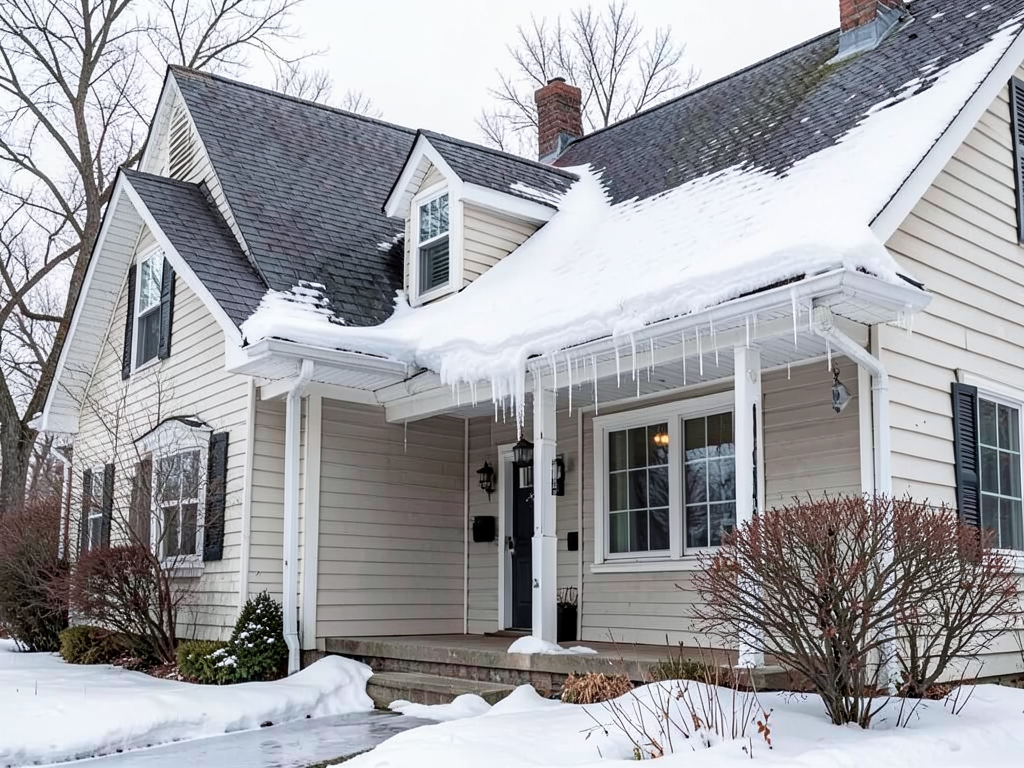
Baltimore sits at the northern edge of the humid subtropical zone where the Chesapeake Bay moderates temperatures but increases atmospheric moisture. This combination creates intense freeze-thaw cycles that crack roof sealants and loosen flashing. Winter ice dams form when heat escapes through poorly insulated roofs, melting snow that refreezes at the eaves and forces water under shingles. Summer brings severe thunderstorms with heavy rainfall rates that overwhelm aging gutter systems and test every weak point in your roof assembly. The same day roof leak detection matters here because humidity accelerates mold growth in wet building materials. What starts as a small leak on Monday becomes a health hazard by Friday.
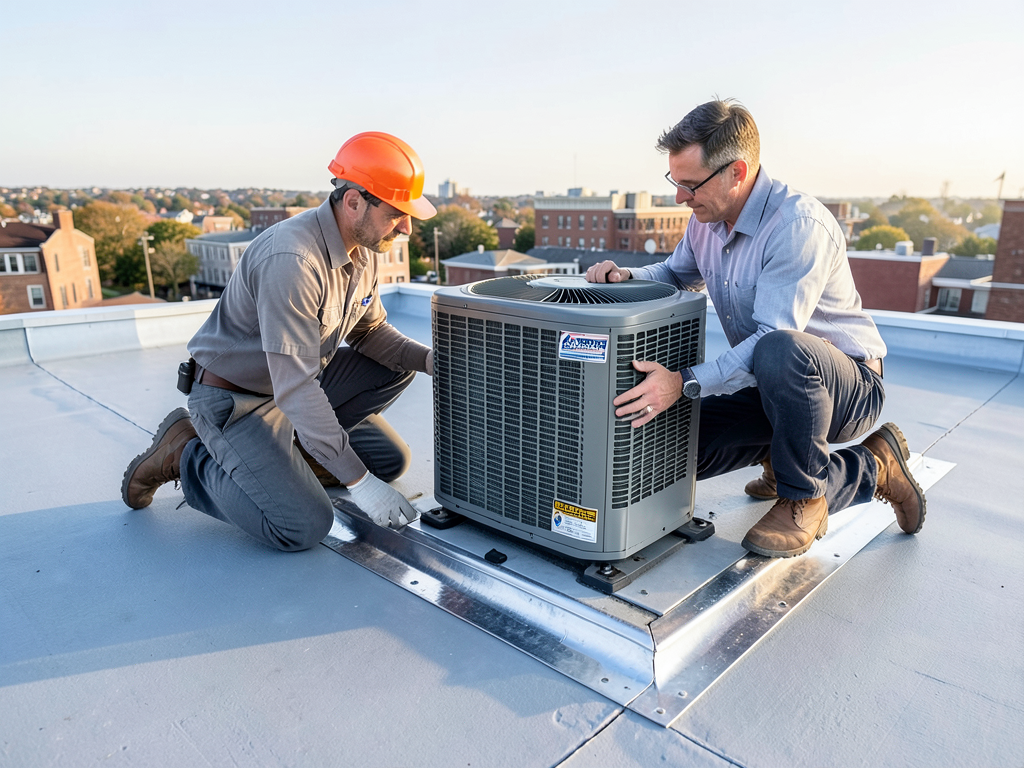
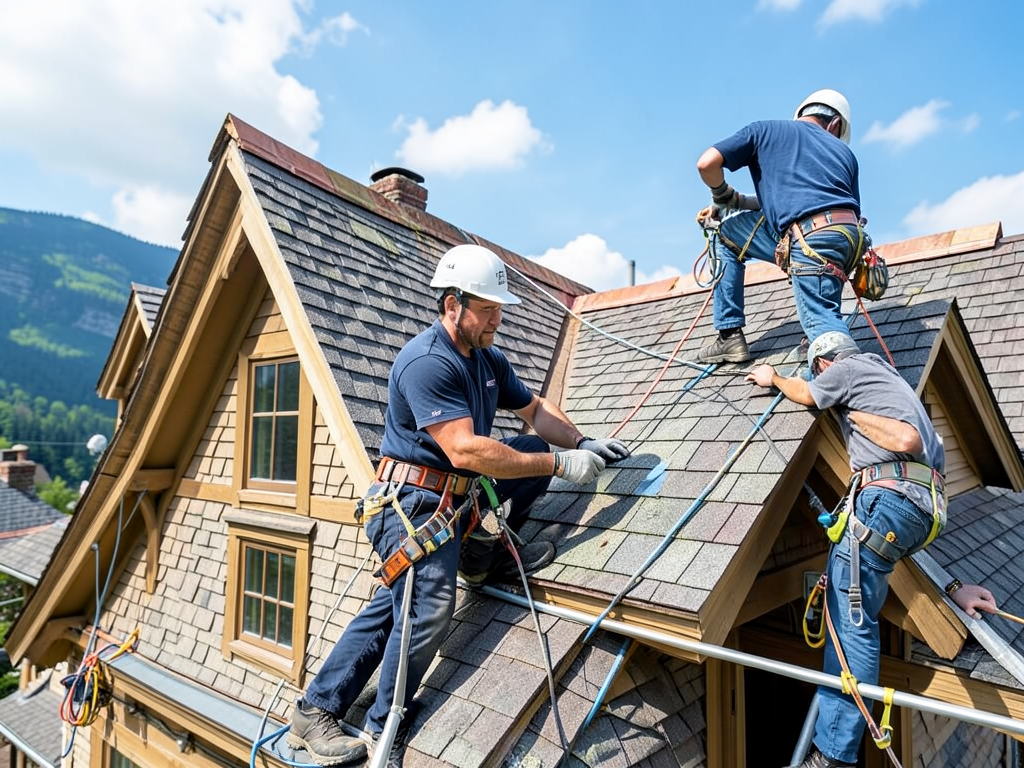
Baltimore's housing stock includes thousands of historic rowhomes built between 1880 and 1930 with shared parapet walls and flat tar roofs. These structures require specialized knowledge because water travels between units through common roof assemblies. A leak in your neighbor's section can show up in your home. Local building codes require permits for structural repairs, and properties in historic districts must meet preservation standards. A Plus Roofing Baltimore works with the city's permit office and understands how to navigate inspection requirements without delaying critical repairs. Our technicians recognize the difference between a modern architectural shingle failure and a deteriorated built-up roof system common in older Baltimore neighborhoods.