menu

Water Stains on Ceiling in Baltimore – Fast Diagnosis and Permanent Roof Repair Before Mold Takes Hold

We identify the exact source of water stains on ceiling damage in Baltimore homes, stop active leaks, and restore your roof to prevent recurring brown spots, yellow stains, and structural decay.

Slider Image 1
Slider Image 2
Slider Image 3
Slider Image 4
Slider Image 5
Slider Image 7
Slider Image 8
Slider Image 9
Slider Image 10
Slider Image 11

Why Baltimore Homes Get Water Stains on Ceilings

You walk into your bedroom and see it. A brown spot on the ceiling. Maybe it is small and circular, or maybe it has spread into an irregular yellow stain with damp edges. Either way, you know something is wrong.

Water stains on ceilings are common in Baltimore because of our weather patterns. We get heavy spring rains, summer storms that dump inches in an hour, and freeze-thaw cycles that crack roof shingles and loosen flashing. When water gets past your roof membrane, it travels along rafters and insulation until it finds a weak point in your drywall. That is when you see ceiling water marks.

The problem is not just cosmetic. Those brown spots on ceiling surfaces mean water has been pooling somewhere above you for days or weeks. Behind that yellow ceiling stain is wet insulation, rotting wood, and the beginning stages of mold growth. If you see ceiling discoloration, the damage has already started.

Baltimore's humidity makes it worse. Once water penetrates your attic space, it does not dry out quickly. Damp ceiling patches expand. The wood stays wet. Mold spores multiply. What started as a small leak turns into a structural problem that costs thousands to fix if you wait too long.

The good news is that water stains are symptoms, not the disease. If you catch them early, you can stop the damage, repair the roof, and restore your ceiling without replacing half your attic framing.

Why Baltimore Homes Get Water Stains on Ceilings
How We Find and Fix the Real Problem

How We Find and Fix the Real Problem

Most homeowners make the same mistake. They see a water stain on the ceiling and assume the leak is directly above it. It rarely is. Water enters through a compromised roof penetration, travels laterally along sheathing or a rafter, and then drips down at a point several feet away. If you patch the wrong spot, the leak continues.

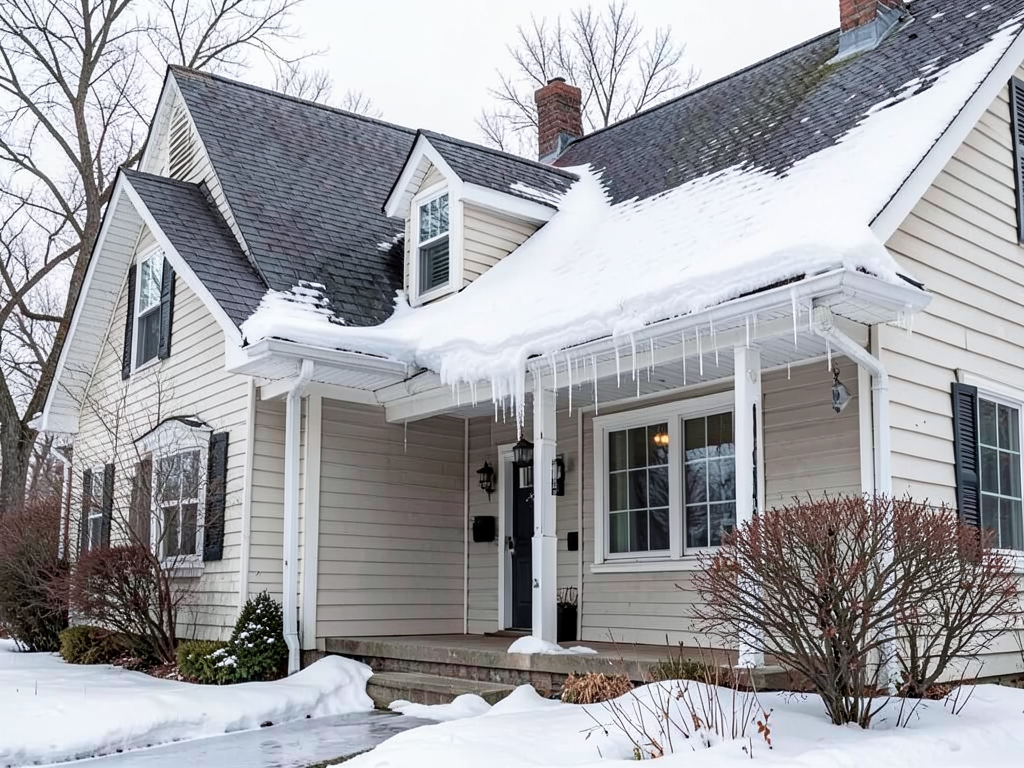
We start with a full roof inspection. We check every roof penetration, including vent pipes, chimney flashing, and skylights. We examine the valley flashing where two roof planes meet, because that is where debris accumulates and water backs up. We look for lifted shingles, cracked sealant, and deteriorated step flashing around dormers. We also inspect the soffit and fascia for water stains that indicate ice dam damage or clogged gutters forcing water under the drip edge.

Once we identify the entry point, we trace the water path inside your attic. We use moisture meters to map the extent of saturation in your insulation and sheathing. This tells us how much material needs to be removed and whether your roof decking has delaminated.

Then we fix it correctly. We remove damaged shingles, replace any rotted sheathing, install new underlayment, and properly integrate new flashing with the existing roof plane. We do not use caulk as a Band-Aid. We rebuild the waterproof barrier the way it was designed to function. A Plus Roofing Baltimore uses the same materials and methods for a small leak repair as we do for a full roof replacement, because anything less fails in two years.

What Happens When You Call Us About Ceiling Stains

Water Stains on Ceiling in Baltimore – Fast Diagnosis and Permanent Roof Repair Before Mold Takes Hold
01

Roof and Attic Inspection

We arrive within 24 hours and perform a complete exterior roof inspection to locate every potential water entry point. Then we enter your attic to trace the water path and measure moisture levels in your sheathing and insulation. You get photos of the damage and a written explanation of what failed and why. This takes about 90 minutes.
02

Leak Repair and Material Replacement

We remove damaged shingles and inspect the roof deck for soft spots or delamination. If the plywood sheathing is compromised, we cut it out and sister in new material. We install ice and water shield underlayment at the leak site, then integrate new flashing and shingles to match your existing roof. All penetrations are resealed with proper counterflashing, not caulk.
03

Interior Restoration Coordination

Once the roof is sealed, we coordinate with your contractor or insurance adjuster to address interior damage. Wet insulation must be removed. Stained drywall gets replaced. If mold is present, we refer you to a certified remediation company before any surfaces are covered. We provide documentation and photos for your insurance claim and verify the repair with a final moisture reading.

Why Baltimore Homeowners Call A Plus Roofing Baltimore First

You need a roofer who understands how water behaves on Baltimore roofs. Our weather is unpredictable. A sunny week in April can turn into three days of heavy rain. A mild winter can shift into a February freeze that cracks every poorly installed flashing joint in the city. If your roofer does not account for thermal expansion, ice loading, and wind-driven rain, the repair fails.

We have worked on every roof type in Baltimore. The steep-gabled Victorians in Bolton Hill. The low-slope colonials in Towson. The flat-roof rowhomes in Fells Point with parapet walls and internal drains. Each design has specific vulnerabilities. Valley flashing fails on complex rooflines. Parapet cap flashing separates when mortar joints crack. Skylight curbs leak when the sealant hardens and shrinks.

A Plus Roofing Baltimore knows where to look because we have fixed these problems hundreds of times. We do not guess. We do not patch over symptoms. We identify the failure point, remove the damaged materials, and rebuild the assembly to meet or exceed Maryland building code.

We also understand that most ceiling stains are discovered at the worst time. You are selling your home and the inspector flags it. Your tenant calls on a Sunday. You are hosting family for the holidays and a storm hits. We respond quickly because we know that water damage accelerates every day you wait. Mold grows. Wood rots. Repair costs double.

You get a roofer who shows up on time, explains what happened in plain language, and completes the work correctly the first time. No surprises. No excuses. Just a dry ceiling and a roof that works.

What to Expect When We Fix Your Ceiling Water Stains

Response Time and Scheduling

We schedule inspections within 24 hours of your call. If you have an active leak during a storm, we can tarp your roof the same day to stop further water intrusion. Most repairs are completed within three to five days once materials are onsite. If your roof needs structural work or extensive sheathing replacement, we give you a detailed timeline before we start. We do not leave your home exposed or wait weeks between phases.

Inspection and Diagnosis Process

You get a thorough exterior and interior inspection. We photograph every problem area, measure moisture levels with calibrated meters, and document the condition of your sheathing, underlayment, and flashing. You receive a written report that explains what failed, why it failed, and what needs to be repaired. If you are filing an insurance claim, we provide the documentation your adjuster needs. The inspection includes a fixed-price repair estimate with no hidden costs.

Quality of Repair Work

We use the same materials and installation methods for leak repairs as we do for full roof replacements. That means proper underlayment, manufacturer-approved flashing details, and shingles that match your existing roof. We do not use mismatched materials or shortcut the installation to save time. Every repair is inspected before we leave the site. You get a roof that looks seamless and performs correctly, not a visible patch that fails in two years.

Follow-Up and Documentation

Once the repair is complete, we provide photos of the finished work and a detailed invoice for your records. If mold remediation or interior repairs are needed, we coordinate with your contractor to ensure the timing is correct. We follow up after the next heavy rain to confirm the leak is resolved. All roof repairs include documentation that can be transferred to a new homeowner if you sell your property.

Frequently Asked Questions

You Have Questions,
We Have Answers

Is a water stain on a ceiling serious? +

Yes, water stains signal active or past water intrusion. In Baltimore, where freeze-thaw cycles and humid summers stress roofing systems, a stain means moisture bypassed your barriers. Even old stains matter because they show vulnerable spots where leaks can restart. Water damages insulation, rots framing, and feeds mold growth within 24 to 48 hours. The stain you see is surface evidence of deeper structural issues. Ignoring it risks electrical hazards, ceiling collapse, and expensive repairs. Get a professional inspection immediately to locate the source and assess damage extent before problems escalate.

How do you get rid of water stains on the ceiling? +

You cannot just remove the stain and call it fixed. First, stop the water source. For Baltimore homes, this often means inspecting roof flashing, attic ventilation, or upper-floor plumbing. Let the area dry completely, which takes days in our humid climate. Test moisture levels with a meter. Treat any mold with appropriate cleaners. Apply stain-blocking primer designed for water damage, then repaint with quality ceiling paint. If you skip source repair or proper drying, the stain returns and mold spreads behind the surface. Address the cause first, cosmetics second.

Why are there brown spots on my ceiling without a leak? +

Brown spots without active leaking often indicate past water intrusion that dried up or slow moisture migration. In Baltimore's older housing stock, this happens from roof damage that self-sealed temporarily, condensation from poor attic ventilation, or humidity wicking through insulation. The brown color comes from tannins in wood, rust, or dirt particles carried by water. Even without visible dripping, moisture compromised your ceiling materials. These spots often precede new leaks when weather changes. Inspect your attic, roof, and HVAC systems to find where moisture entered before structural damage worsens.

Why is there white water spots on my ceiling but no leak? +

White spots suggest mineral deposits left by evaporating water, common in Baltimore due to our hard water and fluctuating humidity. This happens when condensation forms on cold surfaces, particularly in poorly insulated attics during winter or around AC ducts in summer. The water evaporates but leaves calcium and mineral residue behind. While less alarming than brown stains, white spots still signal moisture problems. Check attic ventilation, insulation quality, and ductwork for gaps. Poor airflow in Baltimore's climate creates temperature differentials that cause persistent condensation, which eventually leads to mold and material breakdown.

What are signs of a serious ceiling issue? +

Watch for sagging or bulging areas, which indicate water-logged drywall ready to collapse. Cracks radiating from stains, peeling paint, and soft spots when pressed signal structural compromise. Visible mold growth, musty odors, or discoloration spreading quickly demand immediate action. In Baltimore's historic rowhomes, ceiling joists may span multiple units, so damage spreads laterally. Electrical fixtures near stains pose shock and fire risks. Stains appearing after rain or snow clearly link to roof penetrations. Multiple stains suggest systemic problems like failed flashing or deteriorated roofing underlayment needing comprehensive repair.

Should I call a plumber for a ceiling stain? +

Call a roofer first if stains appear after weather events or in top-floor rooms. Baltimore homes often show ceiling damage from compromised shingles, failed flashing around chimneys, or ice dam backup. Roofers diagnose exterior water entry points. Call a plumber if stains appear near bathrooms, under second-floor fixtures, or you hear running water. For multi-story rowhomes common in Baltimore, leaks can travel horizontally through shared walls before appearing on your ceiling. A roofer handles envelope failures while plumbers address supply lines, drains, and fixture leaks. Assess location first to choose correctly.

Can I just paint over a water stained ceiling? +

No. Painting over water stains without fixing the source guarantees failure. The stain bleeds through standard paint within weeks. More critically, you hide ongoing moisture damage that worsens behind the fresh paint. In Baltimore's humidity, trapped moisture feeds mold colonies and rots framing you cannot see. Your ceiling may look clean but structurally fail months later. You waste money on repeated painting while water compromises your home. Always identify and repair the water source, dry the area completely, treat mold, apply stain-blocking primer, then paint as the final cosmetic step.

Why am I getting wet spots on my ceiling? +

Wet spots mean active water intrusion happening now. Common Baltimore causes include roof leaks from storm damage, missing shingles, or deteriorated flashing around dormers and valleys. HVAC condensation leaks from clogged drain lines or poorly insulated ductwork create wet spots in summer. Bathroom exhaust fans venting into attics instead of outside trap moisture. Ice dams during winter thaws force water under shingles. Plumbing leaks from supply lines or drain pipes cause localized wet areas. The location and timing of wet spots help pinpoint the source. Address immediately before mold establishes.

How much does it cost to fix a wet spot in a ceiling? +

Repair costs vary widely based on damage extent and source. Simple drywall patching after fixing a minor roof leak runs a few hundred dollars. Extensive water damage requiring joist replacement, mold remediation, and roof repairs reaches several thousand. Baltimore's older homes often reveal hidden damage once ceilings open up, increasing costs. Factors include accessibility, materials needed, and whether you need roofing, plumbing, or both. Insurance may cover sudden damage but not deferred maintenance. Get multiple inspections to understand full scope before repairs begin. Delaying repairs always costs more as damage spreads.

What does brown stain on a ceiling mean? +

Brown stains indicate water carried organic material, rust, or dirt through your ceiling. The discoloration comes from tannins leaching from wet wood framing, oxidized metal fasteners or pipes, or sediment in the water itself. In Baltimore homes, brown stains often signal roof leaks where water contacted wood sheathing or attic framing before dripping onto drywall. Old galvanized plumbing contributes rust. Brown color confirms the water sat long enough to dissolve and transport material, meaning prolonged exposure. This increases mold risk and structural damage compared to clear water stains.

How Baltimore's Freeze-Thaw Cycles Cause Hidden Roof Damage and Ceiling Stains

Baltimore sits in a climate zone where winter temperatures swing above and below freezing multiple times per month. Snow melts during the day, water seeps under lifted shingles or through cracked flashing, and then it refreezes at night. Ice expands. Shingle tabs lift. Nail holes enlarge. Flashing separates from the roof deck. When spring rains arrive, water pours through these newly created gaps and you see brown spots on your ceiling. This freeze-thaw damage is invisible from the ground, which is why so many Baltimore homeowners are surprised when a small leak turns into a major problem.

A Plus Roofing Baltimore has repaired roofs across Baltimore City, Baltimore County, and surrounding areas for years. We understand the building codes, the common roof designs, and the specific failure points that affect homes in this region. When you hire a local roofer who has worked on hundreds of Baltimore roofs, you get someone who knows where to look, what materials hold up in this climate, and how to integrate a repair so it lasts. You also get a team that responds quickly, because we are based here and we understand that a leaking roof is not something you can ignore.
Roofing Services in The Baltimore Area

We are proud to be a locally owned and operated business committed to serving the entire Baltimore community and its surrounding counties. View our office location on the map and see the breadth of our service area. We encourage you to visit our facility or contact us directly to discuss your next roofing project.

Address:
A Plus Roofing Baltimore, 101 N Haven St, Baltimore, MD, 21224

Additional Services We Offer

Our news updates

Latest Articles & News from The Blogs

Upgrading Your Builder-Grade Roof in Severn Before It Starts Leaking Your Severn home's builder-grade roof has a ticking clock. Maryland's…

Upgrading Your Builder-Grade Roof in Severn Before It Starts Leaking

Upgrading Your Builder-Grade Roof in Severn Before It Starts Leaking Your Severn home's builder-grade roof has a ticking clock. Maryland's…

Restoring the Ornamental Roof Details on Victorian Homes in Abell and Waverly

Restoring the Ornamental Roof Details on Victorian Homes in Abell and Waverly Victorian homes in Baltimore's Abell and Waverly neighborhoods…

Replacing a Detached Garage Roof in Glen Burnie — Costs and Best Materials

Replacing a Detached Garage Roof in Glen Burnie — Costs and Best Materials Replacing a detached garage roof in Glen…

Contact Us

Water stains get worse every day you wait. Call A Plus Roofing Baltimore now at (443) 455-9099 for a fast inspection and a permanent repair. We respond within 24 hours and fix it right the first time.