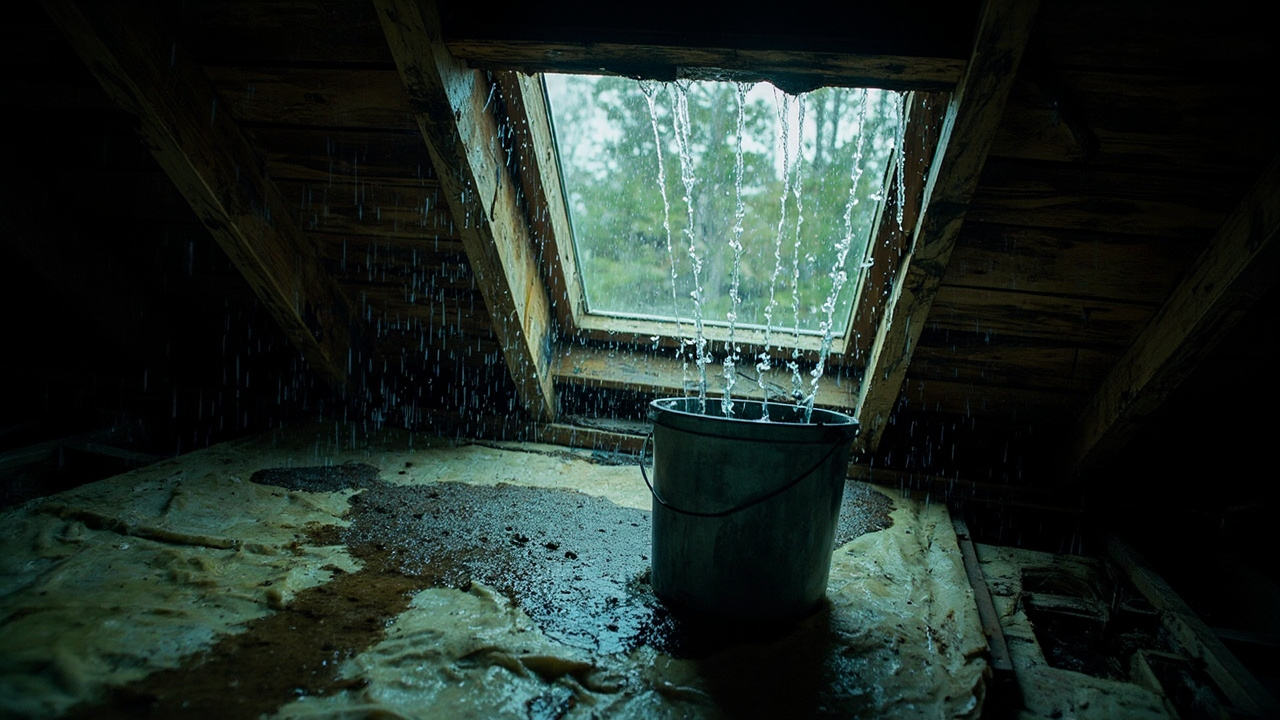
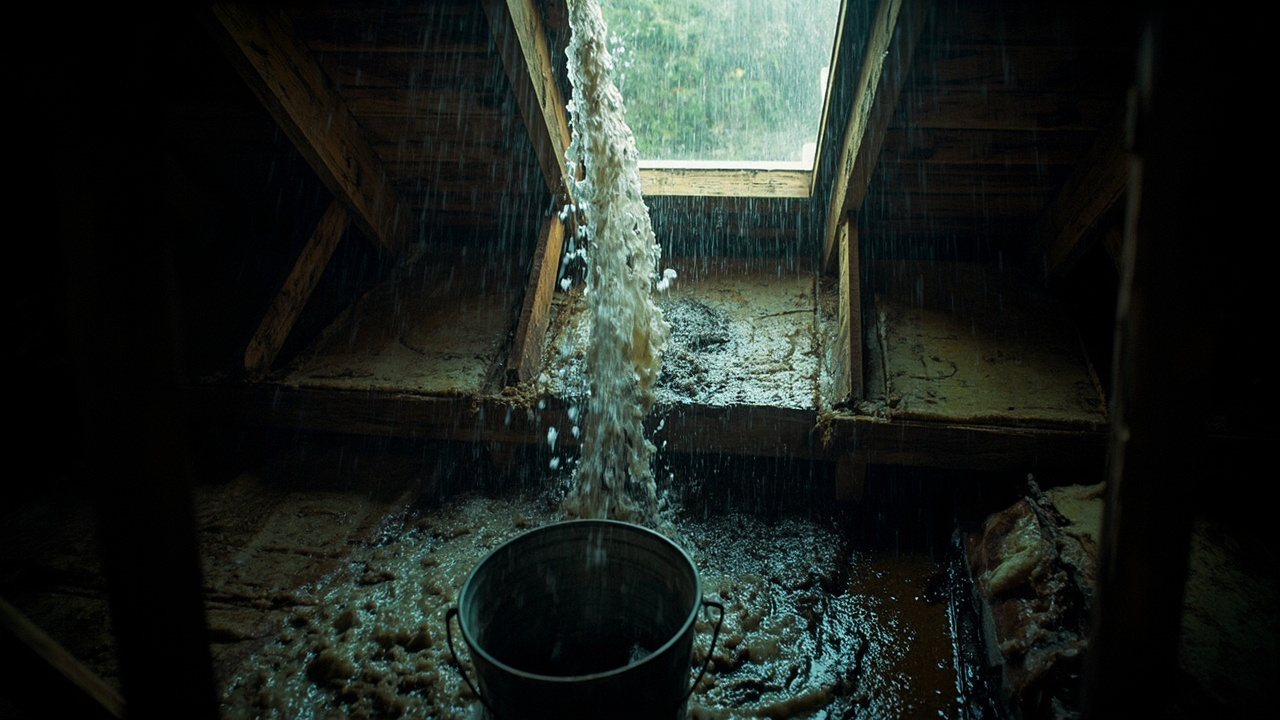
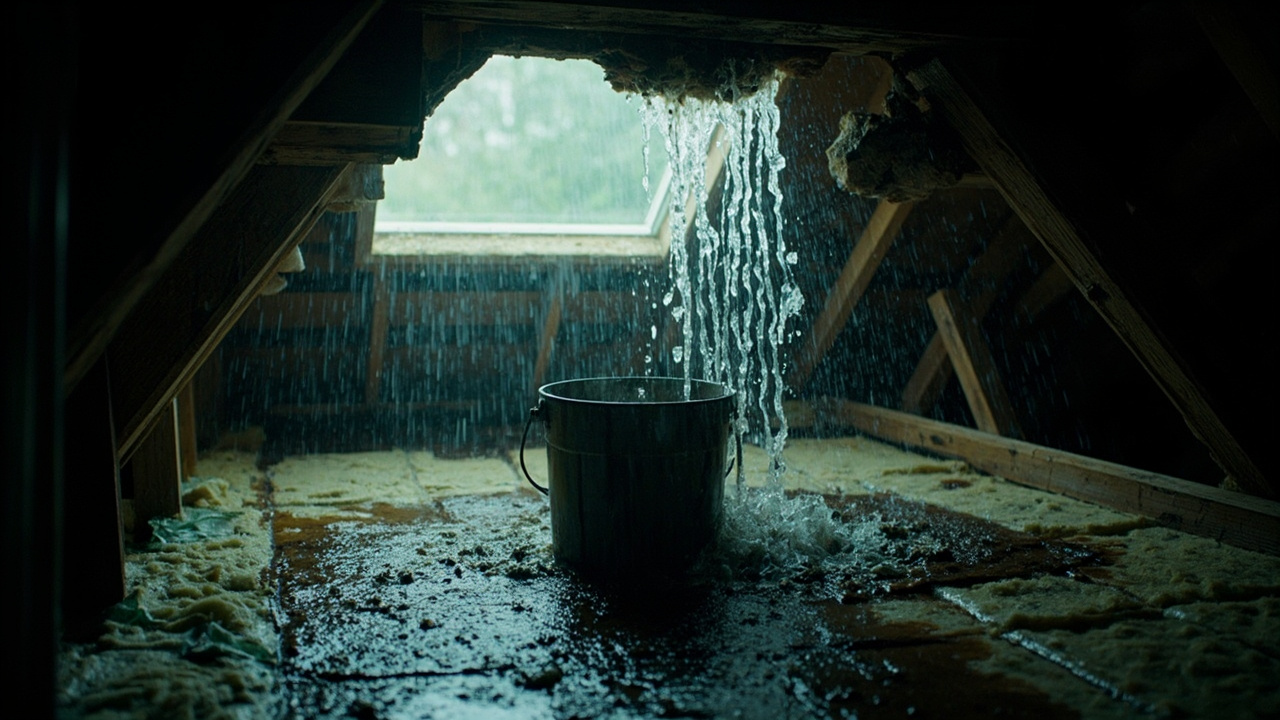
Baltimore's proximity to the Chesapeake Bay creates a microclimate that intensifies roof stress during storms. When low-pressure systems move up the bay, they generate wind-driven rain that strikes roofs at horizontal angles rather than falling vertically. This forces water under shingle edges and through ventilation openings that would normally shed water effectively. The bay also amplifies humidity levels before and after storms, keeping roof materials saturated longer and preventing proper drying. Neighborhoods east of downtown near the harbor see the most severe wind-driven rain impacts, while western areas like Catonsville experience rapid temperature drops that cause thermal shock to roofing materials.
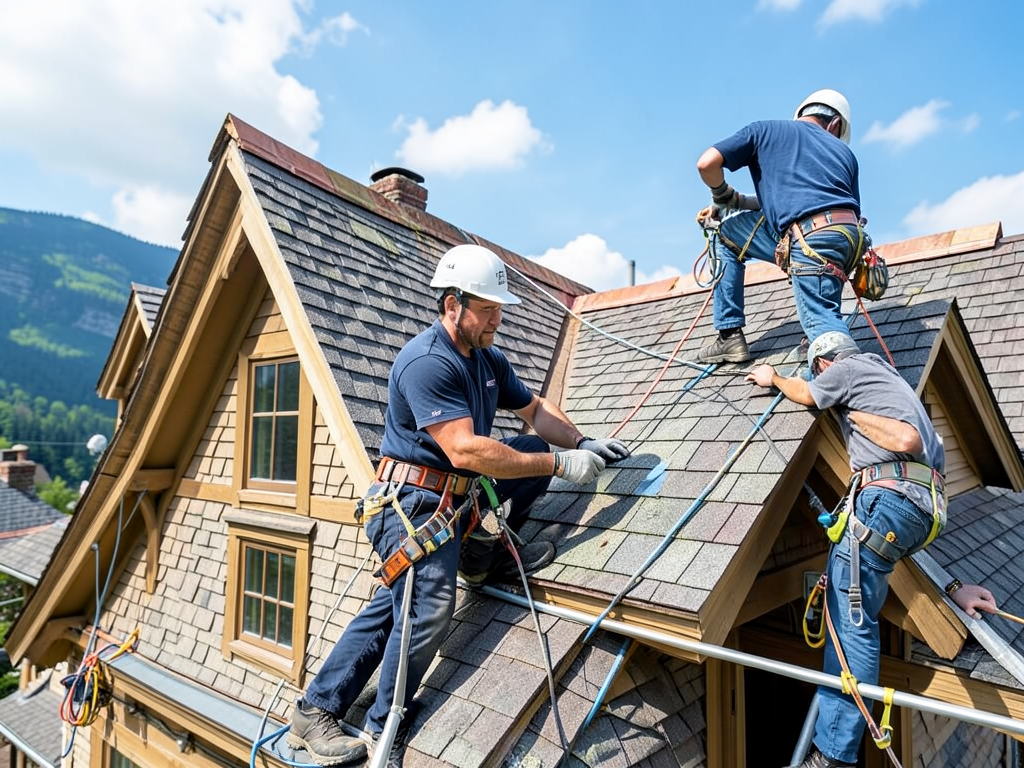
Baltimore homeowners benefit from working with roofers who understand the city's architectural history and building patterns. Many of our residential properties date to the early 1900s, built with construction techniques and materials that require specialized repair approaches. Historic districts like Bolton Hill and Mount Vernon have preservation requirements that dictate material choices and repair methods. A Plus Roofing Baltimore maintains relationships with local building inspectors and historic preservation officers, ensuring our emergency repairs and permanent restoration work meets all regulatory requirements while protecting your home's structural integrity and aesthetic character.