
Can You Actually Replace Your Roof During a Cold Baltimore Winter?
Replacing a roof in Baltimore during winter is absolutely possible when done correctly. The key is understanding Maryland’s specific climate challenges and following manufacturer guidelines for cold-weather installation. Asphalt shingles require special handling below 40 degrees and hand-sealing becomes necessary when thermal bonding won’t occur naturally. Flat Roof Repair for Baltimore Rowhouses — What Every Homeowner in Canton Needs to Know.
Baltimore’s humid continental climate creates unique conditions for winter roofing. The combination of freeze-thaw cycles heavy coastal storms and occasional nor’easters means timing and technique matter more than the calendar. Professional crews use winter-grade adhesives synthetic underlayment and specialized nail gun settings to ensure proper installation even when temperatures drop.
Maryland’s Winter Weather Challenges for Roofing
Baltimore winters average 30 to 40 degrees with humidity levels that stay above 60 percent. This creates condensation issues that don’t exist in drier northern climates. When shingles arrive at a job site they need 24 hours to acclimate to outdoor temperatures before installation begins.
Ice dam formation represents the biggest threat to Baltimore roofs. When snow melts on a warm roof deck and refreezes at the colder eaves it creates barriers that force water under shingles. The International Building Code requires ice and water shield extending at least 24 inches past the interior wall line in Climate Zone 4 where Baltimore sits. International Building Code requirements.
Snow load becomes critical when accumulation exceeds 20 pounds per square foot. Most Baltimore homes can handle 15 to 20 pounds but older structures built before modern codes may need reinforcement. A cubic foot of dry snow weighs about 7 pounds while wet snow can exceed 20 pounds per cubic foot.
Technical Requirements for Cold-Weather Shingle Installation
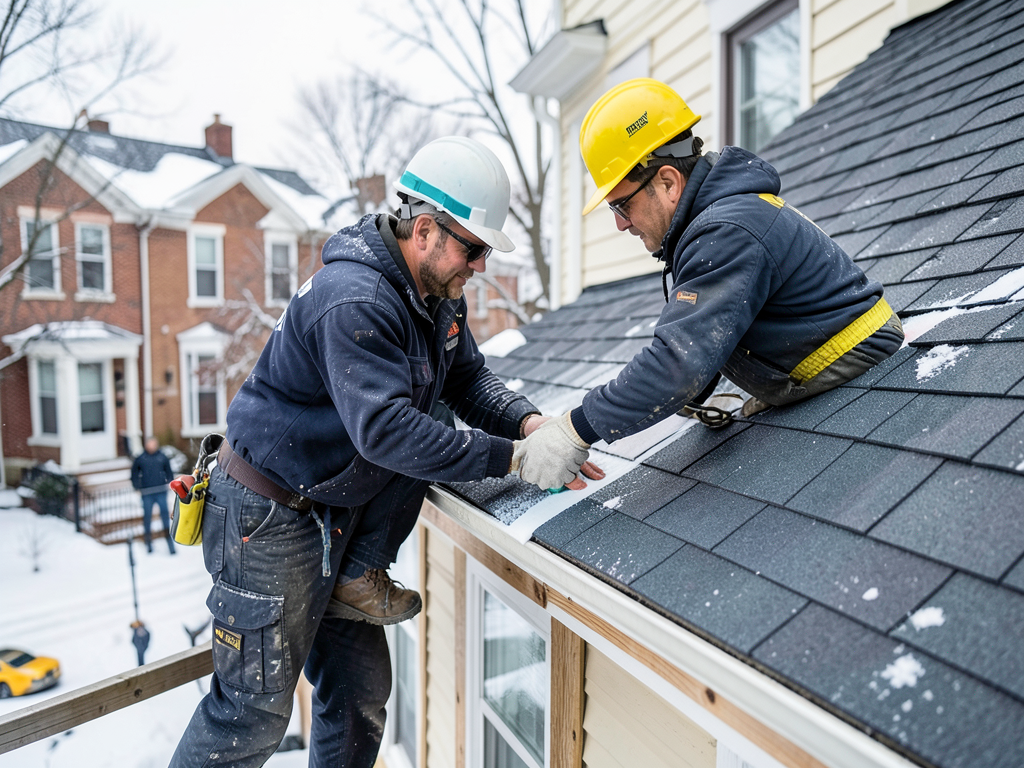
Asphalt shingles become brittle below 30 degrees and can crack during handling. Manufacturers like GAF and CertainTeed specify that hand-sealing is required when ambient temperatures stay below 40 degrees for 24 hours. This means applying roofing cement to each shingle tab individually.
The hand-sealing process adds about 30 percent to installation time but prevents wind uplift damage. Each shingle requires five quarter-sized spots of roofing cement placed strategically under the tabs. The cement must cure for 24 to 48 hours depending on humidity levels.
Nail gun pressure requires adjustment in cold weather. The air becomes denser and can drive nails too deep into brittle shingles. Most professional crews reduce operating pressure by 10 to 15 percent and increase the number of hits per nail from one to two.
Shingle storage becomes critical when temperatures drop below freezing. Stacks should be kept flat on the ground with a tarp covering them. Never store shingles on edge as they can develop permanent curves that cause installation problems.
Winter-Grade Materials and Underlayment Options
Synthetic underlayment outperforms traditional felt in freezing temperatures. Products like Typar and Titanium UDL can be installed in temperatures as low as 10 degrees without becoming brittle. They also provide better traction for workers on sloped roofs.
Ice and water shield application requires temperatures above 40 degrees for proper adhesion. In colder conditions crews use a primer specifically designed for cold-weather application. The shield must be rolled out carefully to avoid trapping air bubbles that can compromise the seal.
Starter strip shingles need special attention in winter. The adhesive strip on the back won’t activate until temperatures rise above 50 degrees. Crews apply a thin bead of roofing cement to ensure these critical edge pieces stay in place during winter storms.
Ventilation becomes even more important in winter installations. The temperature difference between the attic and exterior can create condensation on the underside of the roof deck. Proper ridge and soffit vents prevent this moisture buildup that leads to mold and rot.
Baltimore Building Code Requirements for Winter Roofing
The Baltimore City Code Section 8-4-102 requires all roofing work to meet current International Residential Code standards. For winter installations this means following manufacturer specifications for cold-weather application and using materials rated for local climate conditions.
Montgomery County and surrounding areas have adopted the 2021 International Energy Conservation Code. This requires minimum R-values for attic insulation that affect roof replacement projects. When upgrading a roof contractors must ensure the existing insulation meets current standards or recommend improvements. Industrial Roof Replacement.
Roof pitch requirements vary by neighborhood. Federal Hill and Canton rowhouses often have low-slope roofs requiring modified installation techniques. The code allows torch-down modified bitumen on slopes less than 2:12 but asphalt shingles require minimum 2:12 pitch with double underlayment. Why Your Federal Hill Flat Roof is Leaking and How to Fix It for Good.
Historic districts like Mount Vernon have additional requirements. Any visible roofing work must maintain the character of the neighborhood. This often means using materials that match the original installation even if they cost more than modern alternatives.
Emergency Winter Roof Repairs vs. Full Replacement
Not every winter roofing problem requires complete replacement. Small leaks around flashing or damaged shingles can be repaired without replacing the entire roof. The decision depends on the age of the existing roof and the extent of the damage.
Signs that indicate emergency repair is needed include active leaks water stains on ceilings or walls and missing shingles after a storm. These issues won’t wait for spring and can cause thousands in interior damage if left unaddressed.
Full replacement becomes necessary when the roof is beyond its expected lifespan typically 20 to 25 years for asphalt shingles. Other indicators include widespread curling buckling or missing shingles and multiple leak locations that suggest systemic failure.
Cost considerations often drive the repair versus replace decision. Emergency repairs in winter can cost 20 to 30 percent more than off-season work due to weather challenges and material handling requirements. However this premium is usually less than the cost of interior water damage from delayed repairs.
Winter Safety Protocols for Maryland Roofing Crews
Working on roofs in winter requires specialized safety equipment and protocols. Ice cleats on boots provide essential traction on frozen surfaces. Harnesses and fall protection systems become mandatory when surfaces are wet or icy.
Crews monitor weather forecasts continuously during winter projects. Work stops when snow accumulation exceeds one inch or when freezing rain is predicted. Most companies maintain indoor temperature thresholds around 25 degrees for comfort and safety.
Material handling changes significantly in cold weather. Shingles are carried in smaller stacks to prevent injury from dropping heavy bundles on icy surfaces. Ladders receive extra stabilization and are never placed on frozen ground that might shift.
Hydration remains important even in cold weather. Workers need warm liquids and regular breaks in heated areas to maintain body temperature and concentration. Fatigue increases accident risk especially when handling heavy materials on sloped surfaces.
Cost-Benefit Analysis of Winter Roof Replacement
Winter roofing can offer significant cost advantages. Many contractors reduce prices 10 to 15 percent during off-season months to keep crews working year-round. Material suppliers often provide similar discounts on inventory they need to move before spring.
Scheduling becomes much easier in winter. Spring and fall are peak seasons with wait times often exceeding four weeks. Winter projects can typically start within one to two weeks of signing a contract. This faster turnaround can be crucial for emergency situations.
The main cost disadvantage is the potential for weather delays. Snow ice or extreme cold can halt work for days at a time. Smart contractors build weather contingencies into winter project timelines often extending estimated completion by 30 to 50 percent.
Warranty considerations vary by manufacturer. Most major brands like GAF CertainTeed and Owens Corning honor warranties on winter installations when proper cold-weather techniques are followed. Some require additional documentation or inspections to validate the warranty.
Flat Roof Winter Installation in Baltimore Rowhouses
Baltimore’s rowhouse neighborhoods feature many flat or low-slope roofs requiring different winter installation techniques. Modified bitumen and single-ply membranes like TPO and PVC have specific temperature requirements that differ from asphalt shingles.
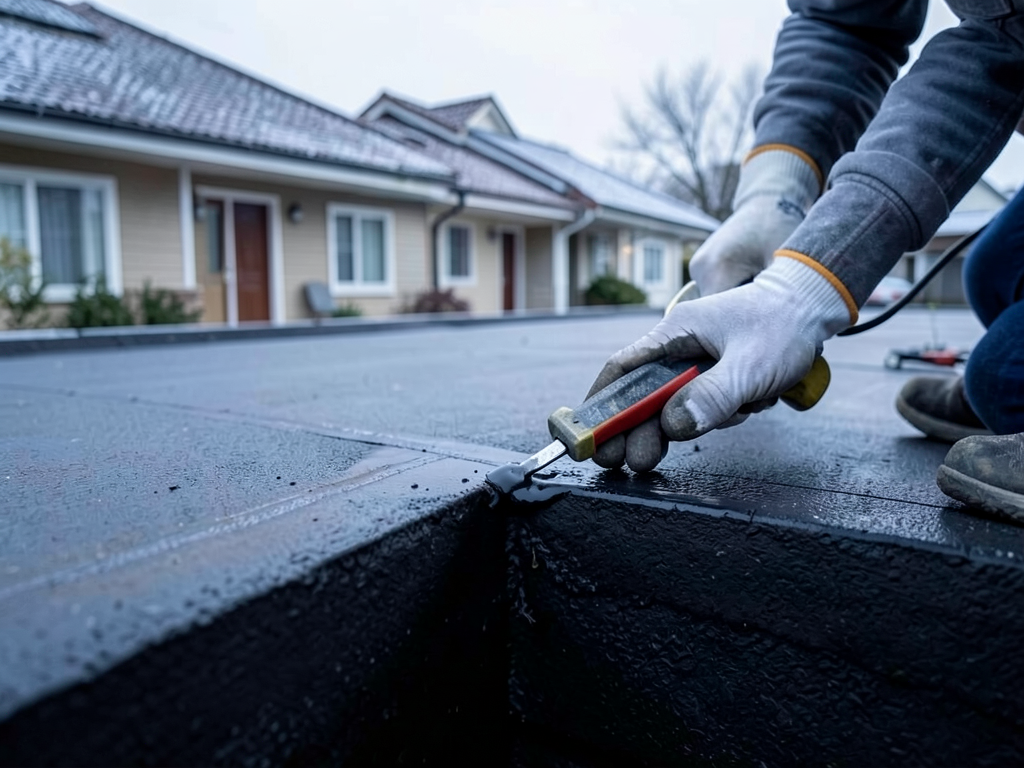
Modified bitumen installation requires surface temperatures above 40 degrees for proper adhesion. In colder conditions contractors use cold-process adhesives or heat-welded seams with specialized equipment. The material itself becomes less flexible below 20 degrees requiring careful handling.
TPO and PVC membranes can be installed in colder temperatures than modified bitumen. Heat-welded seams actually work better in cool dry conditions. However the white surface of these materials can create slip hazards when frost forms overnight.
Drainage becomes critical for flat roofs in winter. Baltimore’s heavy coastal storms can overwhelm inadequate drainage systems. Proper slope minimum 1/4 inch per foot and strategically placed drains prevent ponding that leads to leaks and structural damage.
Financing and Insurance Considerations for Winter Roofing
Many homeowners insurance policies cover roof replacement when damage results from covered perils like wind hail or fallen trees. Winter storms in Maryland often qualify but gradual wear and tear typically does not.
Insurance companies may require specific documentation for winter claims. This includes dated photographs of the damage weather reports showing storm conditions and professional inspection reports. Working with experienced contractors helps navigate this documentation process.
Financing options expand during winter months. Some contractors offer special off-season financing with reduced interest rates or extended payment terms. These promotions help homeowners manage the cost of necessary repairs without waiting for better weather.
Energy efficiency improvements may qualify for tax credits or rebates. The federal Energy Efficient Home Improvement Credit covers up to 30 percent of costs for certain roofing materials including reflective coatings and improved insulation. How Much a New Roof Costs in Towson (2026 Estimates).
Preventing Ice Dams and Winter Roof Damage
Ice dams form when heat escapes through the roof melting snow that refreezes at the colder eaves. Prevention starts with proper attic insulation and ventilation. The attic should be within 10 degrees of the outdoor temperature to minimize snow melt.
Attic insulation requirements in Maryland equal R-49 to R-60 depending on the specific location. Many older homes have only R-19 to R-30 requiring significant upgrades during roof replacement. This improvement pays for itself through reduced heating costs.. Read more about Managing Roof Maintenance Costs for Rental Properties in Station North and Greenmount West.
Ventilation systems must provide one square foot of net free area for every 300 square feet of attic floor space. This typically means continuous soffit vents and ridge vents or gable vents. Improper ventilation traps moisture that damages roof structures from the inside.
Heated cables can prevent ice dam formation on problem areas. These electric cables install along eaves in valleys and around chimneys. They activate when temperatures drop below freezing melting channels for water to drain safely.
When to Call for Emergency Winter Roof Service
Certain winter roof problems require immediate professional attention. Active leaks that are getting worse high winds that have removed multiple shingles and heavy snow loads that threaten structural integrity all qualify as emergencies. Getting Your Roof Inspected Before Buying a Home in Locust Point.
Emergency tarping provides temporary protection while permanent repairs are scheduled. Professional crews use heavy-duty tarps secured with battens or specialized anchor systems. This prevents further water intrusion and buys time for proper repairs.
Safety considerations prevent many homeowners from attempting emergency repairs themselves. Wet icy roofs create severe fall hazards. Professional crews have the equipment experience and insurance to work safely in these conditions.
Cost of emergency service varies by time of day and weather conditions. After-hours weekend and holiday calls typically cost 50 to 100 percent more than standard rates. However this premium is often less than the damage from delayed repairs.
Preparing Your Baltimore Home for Winter Roofing
Homeowners can take several steps to prepare for winter roof replacement. Clearing snow from driveways and walkways provides safe access for workers and their equipment. Moving vehicles away from the work area prevents damage from falling debris.
Interior preparation matters too. Removing wall decorations near the work area prevents damage from vibrations. Covering furniture in rooms directly below the roof provides protection from dust and debris that falls through attic spaces.
Communication with contractors should cover specific winter concerns. Ask about their cold-weather experience material handling procedures and weather contingency plans. Request references from previous winter projects to verify their expertise.
Understanding the timeline helps manage expectations. Winter projects often take longer than estimates due to weather delays. Contractors should provide realistic schedules that account for potential interruptions from snow ice or extreme cold.
Long-Term Benefits of Professional Winter Installation
Roofs installed during winter often perform better long-term when proper techniques are used. The cold weather allows crews to identify and fix ventilation issues that might remain hidden during warmer months. Ice and water shield installation provides superior protection against Baltimore’s coastal storms.
Material warranties remain fully valid when manufacturers’ cold-weather guidelines are followed. This includes proper nail placement hand-sealing when required and using winter-grade adhesives. Documentation of these procedures may be required for warranty validation.
Energy efficiency improvements made during winter installation provide immediate benefits. New insulation proper ventilation and reflective materials reduce heating costs throughout the winter months following installation.
Property value increases with a new roof regardless of installation season. However winter installations often come with better pricing making the return on investment even more attractive for homeowners planning to sell in the near future.
Frequently Asked Questions
Can you install a roof in Baltimore when it’s snowing?
Light snow accumulation under one inch can be cleared and work can continue with proper safety precautions. However most professional contractors stop work when accumulation exceeds one inch or when freezing rain is forecast. Safety remains the primary concern.
How cold is too cold for roof installation?
Most manufacturers recommend stopping work when temperatures fall below 25 degrees Fahrenheit. Below this threshold shingles become too brittle to handle safely and adhesives won’t cure properly even with additives. Some specialized materials can be installed in colder conditions but require specific techniques.
Does winter roofing void the warranty?
Warranties remain valid when proper cold-weather installation techniques are followed. This includes hand-sealing below 40 degrees using winter-grade materials and following manufacturer specifications. Documentation of these procedures may be required for warranty validation.
How much more does winter roofing cost?
Winter roofing often costs 10 to 15 percent less than peak season work due to off-season pricing and easier scheduling. However emergency repairs during severe weather can cost 50 to 100 percent more than standard rates. The total cost depends on specific circumstances and timing.
How long does a winter roof replacement take?
Standard residential roof replacements take three to five days in ideal conditions. Winter projects often require seven to ten days due to shorter daylight hours weather delays and the additional time needed for cold-weather techniques like hand-sealing.
Should I wait until spring to replace my roof?
Active leaks widespread damage or roofs older than 20 years should be addressed immediately regardless of season. Waiting until spring can result in thousands of dollars in interior damage. Minor issues or planned replacements can wait if budget and scheduling allow.
What permits are required for winter roofing in Baltimore?
Baltimore City and surrounding counties require building permits for roof replacements. These permits ensure work meets current building codes including specific requirements for ice and water shield ventilation and material specifications. Professional contractors typically handle permit acquisition.
Can I stay in my home during winter roof replacement?
Most homeowners remain in their homes during roof replacement. However noise from removal and installation can be significant. Winter weather may occasionally prevent workers from accessing the roof requiring temporary pauses in work. Contractors should communicate any access issues that affect your daily routine.
How do I know if my roof can handle another Baltimore winter?
Signs that indicate replacement may be needed include curling or buckling shingles missing granules visible from the ground and multiple leak locations. Age also matters most asphalt shingles need replacement after 20 to 25 years. Professional inspections can identify specific issues and recommend appropriate action.
What’s the best time of day for winter roofing work?
Crews typically start work between 9 and 10 AM during winter months allowing temperatures to rise above freezing. Work continues through mid-afternoon stopping around 3 to 4 PM before temperatures drop again. This schedule maximizes productive hours while maintaining safety.
Don’t let Baltimore’s winter weather catch you off guard. Whether you’re dealing with an active leak or planning a full replacement the right contractor can handle your project safely and effectively even in cold conditions. Professional winter roofing requires specialized knowledge materials and techniques that protect your investment and your home.
Call (443) 455-9099 today to schedule your winter roof inspection or emergency service. Our experienced crews understand Baltimore’s unique climate challenges and use proven cold-weather installation methods to ensure your new roof performs perfectly for decades to come. Don’t wait for the next storm to make the call.
Pick up the phone and call (443) 455-9099 before the next storm hits. Winter roofing emergencies don’t wait for business hours and neither should you. Our 24/7 emergency service means we’re always ready to protect your Baltimore home from water damage and winter weather threats. For more information, visit ASHRAE climate zone information.
You may also find this helpful. Upgrading from 3-Tab to Architectural Shingles in Dundalk — Is the Price Difference Worth It?.
{
“@context”: “https://schema.org”,
“@type”: “BlogPosting”,
“headline”: “Can You Actually Replace Your Roof During a Cold Baltimore Winter?”,
“description”: “Discover if winter roof replacement in Baltimore is possible. Learn about cold-weather installation techniques, local building codes, and when to call (443) 455-9099 for emergency service.”,
“wordCount”: 2840,
“datePublished”: “2026-04-28T15:08:00.000Z”,
“dateModified”: “2026-04-28T15:08:00.000Z”,
“inLanguage”: “en-US”,
“mainEntityOfPage”: {
“@type”: “WebPage”,
“@id”: “https://aplusroofingbaltimore.com”
},
“publisher”: {
“@type”: “LocalBusiness”,
“name”: “A Plus Roofing Baltimore”,
“url”: “https://aplusroofingbaltimore.com”
},
“author”: {
“@type”: “Organization”,
“name”: “A Plus Roofing Baltimore”,
“url”: “https://aplusroofingbaltimore.com”
},
“image”: {
“@type”: “ImageObject”,
“url”: “https://aplusroofingbaltimore.com/wp-content/uploads/2026/03/can-you-actually-replace-your-roof-during-a-cold-b-1.png”
}
}
{
“@context”: “https://schema.org”,
“@type”: “RoofingContractor”,
“name”: “A Plus Roofing Baltimore”,
“url”: “https://aplusroofingbaltimore.com”,
“address”: {
“@type”: “PostalAddress”,
“addressLocality”: “Baltimore”
},
“areaServed”: {
“@type”: “City”,
“name”: “Baltimore”
}
}
{
“@context”: “https://schema.org”,
“@type”: “FAQPage”,
“mainEntity”: [
{
“@type”: “Question”,
“name”: “Can you install a roof in Baltimore when it’s snowing?”,
“acceptedAnswer”: {
“@type”: “Answer”,
“text”: “Light snow accumulation under one inch can be cleared and work can continue with proper safety precautions. However most professional contractors stop work when accumulation exceeds one inch or when freezing rain is forecast. Safety remains the primary concern.”
}
},
{
“@type”: “Question”,
“name”: “How cold is too cold for roof installation?”,
“acceptedAnswer”: {
“@type”: “Answer”,
“text”: “Most manufacturers recommend stopping work when temperatures fall below 25 degrees Fahrenheit. Below this threshold shingles become too brittle to handle safely and adhesives won’t cure properly even with additives. Some specialized materials can be installed in colder conditions but require specific techniques.”
}
},
{
“@type”: “Question”,
“name”: “Does winter roofing void the warranty?”,
“acceptedAnswer”: {
“@type”: “Answer”,
“text”: “Warranties remain valid when proper cold-weather installation techniques are followed. This includes hand-sealing below 40 degrees using winter-grade materials and following manufacturer specifications. Documentation of these procedures may be required for warranty validation.”
}
},
{
“@type”: “Question”,
“name”: “How much more does winter roofing cost?”,
“acceptedAnswer”: {
“@type”: “Answer”,
“text”: “Winter roofing often costs 10 to 15 percent less than peak season work due to off-season pricing and easier scheduling. However emergency repairs during severe weather can cost 50 to 100 percent more than standard rates. The total cost depends on specific circumstances and timing.”
}
},
{
“@type”: “Question”,
“name”: “How long does a winter roof replacement take?”,
“acceptedAnswer”: {
“@type”: “Answer”,
“text”: “Standard residential roof replacements take three to five days in ideal conditions. Winter projects often require seven to ten days due to shorter daylight hours weather delays and the additional time needed for cold-weather techniques like hand-sealing.”
}
},
{
“@type”: “Question”,
“name”: “Should I wait until spring to replace my roof?”,
“acceptedAnswer”: {
“@type”: “Answer”,
“text”: “Active leaks widespread damage or roofs older than 20 years should be addressed immediately regardless of season. Waiting until spring can result in thousands of dollars in interior damage. Minor issues or planned replacements can wait if budget and scheduling allow.”
}
},
{
“@type”: “Question”,
“name”: “What permits are required for winter roofing in Baltimore?”,
“acceptedAnswer”: {
“@type”: “Answer”,
“text”: “Baltimore City and surrounding counties require building permits for roof replacements. These permits ensure work meets current building codes including specific requirements for ice and water shield ventilation and material specifications. Professional contractors typically handle permit acquisition.”
}
},
{
“@type”: “Question”,
“name”: “Can I stay in my home during winter roof replacement?”,
“acceptedAnswer”: {
“@type”: “Answer”,
“text”: “Most homeowners remain in their homes during roof replacement. However noise from removal and installation can be significant. Winter weather may occasionally prevent workers from accessing the roof requiring temporary pauses in work. Contractors should communicate any access issues that affect your daily routine.”
}
},
{
“@type”: “Question”,
“name”: “How do I know if my roof can handle another Baltimore winter?”,
“acceptedAnswer”: {
“@type”: “Answer”,
“text”: “Signs that indicate replacement may be needed include curling or buckling shingles missing granules visible from the ground and multiple leak locations. Age also matters most asphalt shingles need replacement after 20 to 25 years. Professional inspections can identify specific issues and recommend appropriate action.”
}
},
{
“@type”: “Question”,
“name”: “What’s the best time of day for winter roofing work?”,
“acceptedAnswer”: {
“@type”: “Answer”,
“text”: “Crews typically start work between 9 and 10 AM during winter months allowing temperatures to rise above freezing. Work continues through mid-afternoon stopping around 3 to 4 PM before temperatures drop again. This schedule maximizes productive hours while maintaining safety.”
}
}
]
}
{
“@context”: “https://schema.org”,
“@type”: “BreadcrumbList”,
“itemListElement”: [
{
“@type”: “ListItem”,
“position”: 1,
“name”: “Home”,
“item”: “https://aplusroofingbaltimore.com”
},
{
“@type”: “ListItem”,
“position”: 2,
“name”: “Blog”,
“item”: “https://aplusroofingbaltimore.com/blog”
},
{
“@type”: “ListItem”,
“position”: 3,
“name”: “Can You Actually Replace Your Roof During a Cold Baltimore Winter?”
}
]
}
{
“@context”: “https://schema.org”,
“@type”: “Service”,
“serviceType”: “Roofing”,
“provider”: {
“@type”: “LocalBusiness”,
“name”: “A Plus Roofing Baltimore”,
“url”: “https://aplusroofingbaltimore.com”
},
“areaServed”: {
“@type”: “City”,
“name”: “Baltimore”
},
“description”: “Discover if winter roof replacement in Baltimore is possible. Learn about cold-weather installation techniques, local building codes, and when to call (443) 455-9099 for emergency service.”
}