
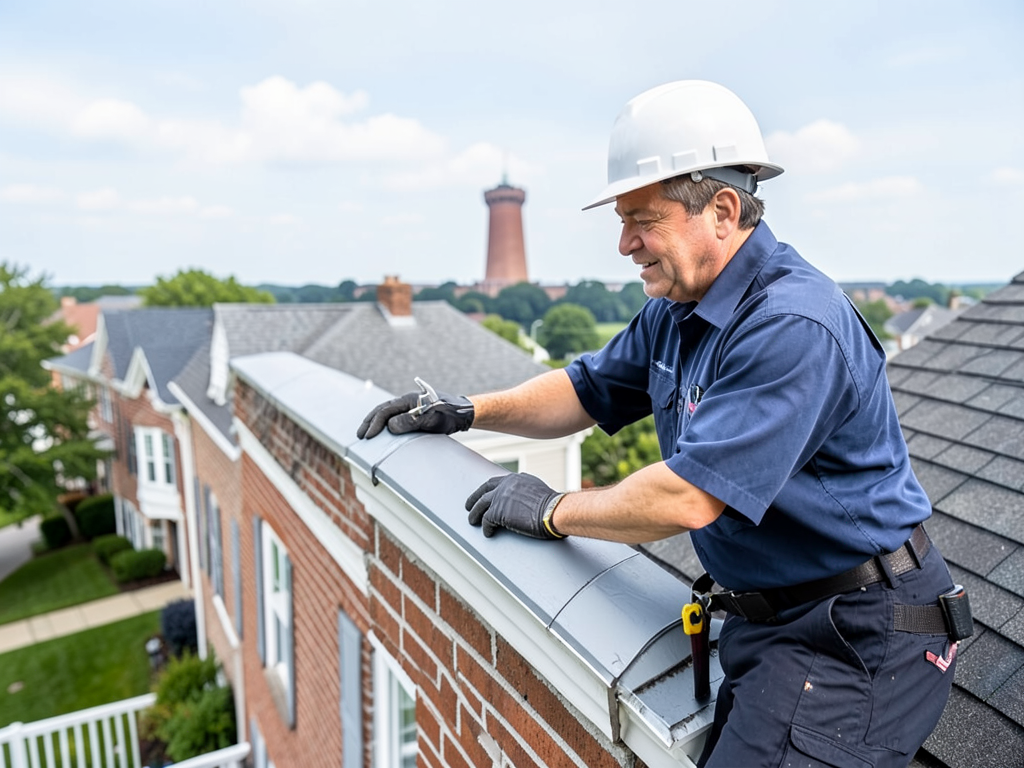
Getting Your Roof Inspected Before Buying a Home in Locust Point
Locust Point rowhomes built in the early 1900s often feature flat or low-slope roofs with modified bitumen or EPDM membranes. These materials handle Baltimore’s humid summers and occasional coastal storms but age differently than traditional pitched roofs. A professional roof inspection can reveal hidden problems that cost thousands to fix later. Our 21-point inspection process evaluates every aspect of your potential new roof from flashing to structural integrity giving you the confidence to move forward or walk away. Baltimore City Historic District Guidelines.
Before you sign on the dotted line you need to know exactly what’s overhead. A thorough roof inspection now can save you thousands later and give you negotiating leverage with sellers. Our experienced team knows exactly what to look for in these historic waterfront properties including parapet wall deterioration chimney flashing failures and drainage system problems common in the 21230 zip code.
Why Locust Point Homes Require Specialized Roof Inspections
Locust Point’s location near Fort McHenry and the Patapsco River creates specific roofing challenges you won’t find in other Baltimore neighborhoods. The combination of salt air high humidity and occasional storm surge means roofing materials face accelerated wear. Our inspectors look for corrosion patterns salt damage and moisture intrusion that generic inspectors might miss. Locust Point Community Association.
Historic rowhome construction in Locust Point typically involves flat roof systems with parapet walls. These designs require different inspection techniques than traditional pitched roofs. We examine parapet wall flashing conditions mortar joints in chimney stacks and the integrity of flat roof membranes that protect these century-old structures.
Storm damage patterns in South Baltimore differ from other areas due to the neighborhood’s proximity to water. High winds coming off the harbor can lift flashing and damage edge metal. Our inspection process includes checking for wind uplift damage and evaluating how well your potential new home’s roof withstood recent weather events.
Local building codes in Baltimore City affect what repairs are allowed and what permits are required. We stay current on these regulations so you understand any compliance issues before purchase. Some Locust Point streets fall under historic district guidelines which limit material choices and repair methods.
Our 21-Point Locust Point Roof Inspection Checklist
Our comprehensive inspection covers every component that could affect your investment. We start with exterior observations from the ground then move to close-up examination of critical areas. This systematic approach ensures nothing gets overlooked.
Roof surface condition assessment includes checking for blisters cracks or pooling water on flat membranes. We measure roof slope where applicable and document any visible damage. Flashing inspection examines all metal joints around chimneys vents and roof edges where leaks commonly develop.
Gutter and downspout evaluation checks for proper drainage and signs of overflow damage. We look for sagging sections separated joints and ensure downspouts direct water away from the foundation. Drainage issues in rowhomes can affect multiple properties so we document any shared system problems.
Interior inspection includes attic space examination where accessible. We look for water stains mold growth and proper ventilation. Structural assessment checks roof deck integrity joist conditions and any signs of sagging or settlement that could indicate serious problems.
Material identification confirms what type of roofing system exists and its expected remaining lifespan. We document manufacturer information when visible and note any previous repair attempts that might affect long-term performance.
Step-by-Step Roof Inspection Process
- Initial exterior walkaround to assess roof from ground level and identify obvious issues
- Close inspection of roof surface checking for cracks blisters or membrane deterioration
- Flashing and penetration examination around chimneys vents and roof edges
- Drainage system evaluation including gutters downspouts and internal roof drains
- Parapet wall inspection for cracks deterioration and proper flashing
- Attic or ceiling space examination for water stains mold or ventilation issues
- Structural assessment checking for sagging or movement in roof framing
- Material identification and age determination based on visible characteristics
- Documentation with photos of all findings and potential problem areas
- Moisture meter testing on suspicious areas to detect hidden water intrusion
- Screwdriver test on suspect areas to check for rot or deterioration
- Chimney and stack inspection for mortar joint deterioration
- Edge metal and coping cap inspection for corrosion or damage
- Internal drain inspection for clogs or deterioration
- Roof access point evaluation for proper sealing and security
- Previous repair assessment to identify patch work or temporary fixes
- Neighborhood comparison to understand typical roof conditions in area
- Compliance check with Baltimore City building codes and historic district rules
- Estimated remaining service life calculation based on current condition
- Detailed report preparation with findings recommendations and cost estimates
Diagnostic Tests We Perform
Our inspection includes specific diagnostic tests that reveal problems hidden from visual inspection. The moisture meter test helps us detect water intrusion in areas that look dry on the surface. We use a calibrated moisture meter to check suspect areas and document readings that indicate potential problems.
The screwdriver test provides immediate feedback on material condition. We press a screwdriver into suspect areas of wood decking or parapet walls. If the material feels soft or the screwdriver penetrates easily this indicates rot or severe deterioration that requires immediate attention.
We also perform a visual inspection of attic spaces when accessible. We look for water stains dark spots on wood members or visible mold growth. The presence of daylight through roof sheathing indicates holes or gaps that need repair. We check for proper ventilation and insulation levels that affect roof performance.
Comparison of Roof Types in Locust Point
| Roof Type | Typical Age | Expected Lifespan | Common Issues |
|---|---|---|---|
| Modified Bitumen | 15-25 years | 20-25 years | Blisters cracks ponding water |
| EPDM Rubber | 10-20 years | 25-30 years | Shrinkage seams separation UV damage |
| Torch-down Asphalt | 15-25 years | 20-25 years | Seam separation blistering UV degradation |
| Metal Roof | 20-30 years | 40-60 years | Corrosion fastener failure seam separation |
The Local Advantage Why Hire a Baltimore-Based Roofer
Local experience matters when inspecting Locust Point homes. Our team has worked on hundreds of rowhomes in the 21230 area understanding the specific failure patterns and common issues these structures develop. We know which streets have the oldest roofs and what problems typically appear first.
Baltimore’s building permit process affects roof inspections and repairs. We understand what documentation you’ll need for historic district properties and can advise on compliance requirements. This local knowledge helps you avoid surprises after purchase when repair costs might be higher due to permit requirements.
Our relationships with local suppliers and other tradespeople mean we can provide accurate repair estimates quickly. If our inspection reveals problems we can connect you with trusted contractors who understand Locust Point’s specific requirements and can work within historic district guidelines.
Emergency response capability matters in Baltimore’s climate. When storms damage roofs we’re already in the area ready to tarp and protect your investment. Our local presence means faster response times than out-of-town inspectors who might take days to arrive.
Schedule Your Inspection and Get a Detailed Report
Our inspection process takes 45 to 90 minutes depending on roof complexity and accessibility. We provide a written report within 24 hours including photos of all findings recommendations and estimated repair costs where applicable. This documentation helps you negotiate with sellers or plan for future maintenance.
Real estate transactions move quickly in Locust Point’s competitive market. We offer same-day inspections when available and can coordinate with your agent to ensure timely completion. Our reports include specific repair recommendations with cost ranges to help you make informed decisions.
We serve all of Locust Point including properties near Fort McHenry Under Armour headquarters and Latrobe Park. Our team understands the unique characteristics of homes on Hull Street Haubert Street and other historic rowhome corridors throughout the neighborhood.
Don’t let roofing problems derail your Locust Point home purchase. A thorough inspection now can save you thousands later and give you negotiating leverage with sellers. Our experienced team knows exactly what to look for in these historic waterfront properties.
Call (443) 455-9099 today to schedule your Locust Point roof inspection. We’ll provide the detailed assessment you need to buy with confidence in Baltimore’s most desirable historic neighborhood.
Frequently Asked Questions
How long does a roof inspection take in Locust Point?
A typical Locust Point roof inspection takes 45 to 90 minutes depending on the roof’s size complexity and accessibility. Historic rowhomes with flat roofs often require more detailed examination of parapet walls and drainage systems than standard inspections.
What specific issues do you look for in Locust Point rowhomes?
We check for parapet wall deterioration modified bitumen membrane condition flashing failures around chimneys and vents and drainage system problems common in 21230 zip code properties. Salt air exposure and historic construction methods create unique inspection requirements.
Should I get a roof inspection before buying any Locust Point home?
Yes. Most Locust Point homes are 80 to 100 years old with roofing systems that may be near the end of their service life. An inspection reveals hidden problems that could cost thousands to repair and provides negotiating leverage with sellers.
What does the moisture meter test show?
The moisture meter detects elevated moisture levels in roofing materials that indicate water intrusion. Readings above normal levels suggest leaks or condensation problems that need further investigation. This test helps identify problems before visible damage appears.
How does salt air affect Locust Point roofs?
Salt air accelerates corrosion of metal components including flashing fasteners and edge metal. It can also degrade certain roofing materials faster than inland properties. Our inspection specifically checks for salt damage patterns common in waterfront neighborhoods. For more information, visit ASTM D6878 Standard for Modified Bitumen Roofing.
{
“@context”: “https://schema.org”,
“@type”: “BlogPosting”,
“headline”: “Getting Your Roof Inspected Before Buying a Home in Locust Point”,
“description”: “Professional roof inspections for Locust Point rowhomes reveal hidden problems before you buy. Our 21-point inspection protects your investment in Baltimore’s historic waterfront.”,
“wordCount”: 1599,
“datePublished”: “2026-02-23T08:18:00.000Z”,
“dateModified”: “2026-02-23T08:18:00.000Z”,
“inLanguage”: “en-US”,
“mainEntityOfPage”: {
“@type”: “WebPage”,
“@id”: “https://aplusroofingbaltimore.com”
},
“publisher”: {
“@type”: “LocalBusiness”,
“name”: “A Plus Roofing Baltimore”,
“url”: “https://aplusroofingbaltimore.com”
},
“author”: {
“@type”: “Organization”,
“name”: “A Plus Roofing Baltimore”,
“url”: “https://aplusroofingbaltimore.com”
},
“image”: {
“@type”: “ImageObject”,
“url”: “https://aplusroofingbaltimore.com/wp-content/uploads/2026/03/getting-your-roof-inspected-before-buying-a-home-i-1.png”
}
}
{
“@context”: “https://schema.org”,
“@type”: “RoofingContractor”,
“name”: “A Plus Roofing Baltimore”,
“url”: “https://aplusroofingbaltimore.com”,
“address”: {
“@type”: “PostalAddress”,
“addressLocality”: “Baltimore”
},
“areaServed”: {
“@type”: “City”,
“name”: “Baltimore”
}
}
{
“@context”: “https://schema.org”,
“@type”: “FAQPage”,
“mainEntity”: [
{
“@type”: “Question”,
“name”: “How long does a roof inspection take in Locust Point?”,
“acceptedAnswer”: {
“@type”: “Answer”,
“text”: “A typical Locust Point roof inspection takes 45 to 90 minutes depending on the roof’s size complexity and accessibility. Historic rowhomes with flat roofs often require more detailed examination of parapet walls and drainage systems than standard inspections.”
}
},
{
“@type”: “Question”,
“name”: “What specific issues do you look for in Locust Point rowhomes?”,
“acceptedAnswer”: {
“@type”: “Answer”,
“text”: “We check for parapet wall deterioration modified bitumen membrane condition flashing failures around chimneys and vents and drainage system problems common in 21230 zip code properties. Salt air exposure and historic construction methods create unique inspection requirements.”
}
},
{
“@type”: “Question”,
“name”: “Should I get a roof inspection before buying any Locust Point home?”,
“acceptedAnswer”: {
“@type”: “Answer”,
“text”: “Yes. Most Locust Point homes are 80 to 100 years old with roofing systems that may be near the end of their service life. An inspection reveals hidden problems that could cost thousands to repair and provides negotiating leverage with sellers.”
}
},
{
“@type”: “Question”,
“name”: “What does the moisture meter test show?”,
“acceptedAnswer”: {
“@type”: “Answer”,
“text”: “The moisture meter detects elevated moisture levels in roofing materials that indicate water intrusion. Readings above normal levels suggest leaks or condensation problems that need further investigation. This test helps identify problems before visible damage appears.”
}
},
{
“@type”: “Question”,
“name”: “How does salt air affect Locust Point roofs?”,
“acceptedAnswer”: {
“@type”: “Answer”,
“text”: “Salt air accelerates corrosion of metal components including flashing fasteners and edge metal. It can also degrade certain roofing materials faster than inland properties. Our inspection specifically checks for salt damage patterns common in waterfront neighborhoods. For more information, visit ASTM D6878 Standard for Modified Bitumen Roofing.”
}
}
]
}
{
“@context”: “https://schema.org”,
“@type”: “BreadcrumbList”,
“itemListElement”: [
{
“@type”: “ListItem”,
“position”: 1,
“name”: “Home”,
“item”: “https://aplusroofingbaltimore.com”
},
{
“@type”: “ListItem”,
“position”: 2,
“name”: “Blog”,
“item”: “https://aplusroofingbaltimore.com/blog”
},
{
“@type”: “ListItem”,
“position”: 3,
“name”: “Getting Your Roof Inspected Before Buying a Home in Locust Point”
}
]
}
{
“@context”: “https://schema.org”,
“@type”: “Service”,
“serviceType”: “Roofing”,
“provider”: {
“@type”: “LocalBusiness”,
“name”: “A Plus Roofing Baltimore”,
“url”: “https://aplusroofingbaltimore.com”
},
“areaServed”: {
“@type”: “City”,
“name”: “Baltimore”
},
“description”: “Professional roof inspections for Locust Point rowhomes reveal hidden problems before you buy. Our 21-point inspection protects your investment in Baltimore’s historic waterfront.”
}