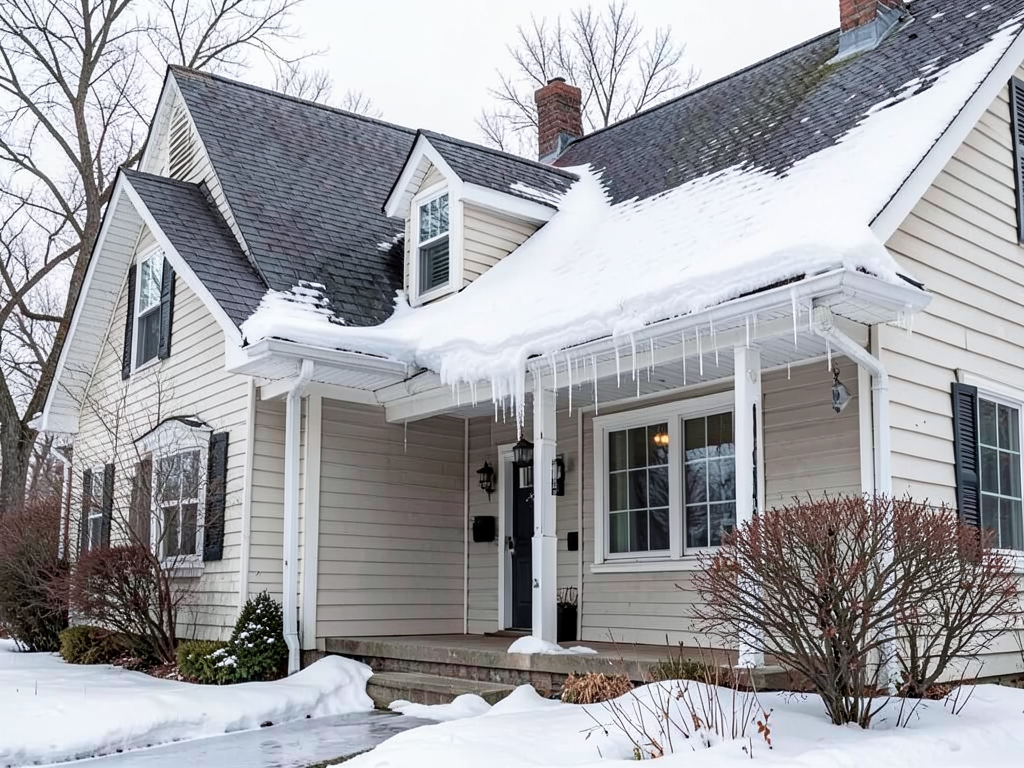
Baltimore sits at the northern end of the Chesapeake Bay, creating a humid microclimate that accelerates roof deterioration. Summer dew points regularly exceed 70 degrees, meaning the air holds maximum moisture. This humid air infiltrates attics through every gap and penetration. Without aggressive attic exhaust systems, moisture condenses on cold surfaces overnight, even during summer. The city's temperature swings compound the problem. A 40-degree day followed by a 70-degree day creates expansion and contraction cycles that open small gaps in roof penetrations, allowing more humid air inside. Baltimore roofs face moisture challenges year-round, not just during winter ice dam season.
We've worked with Baltimore's building inspection department on ventilation retrofits for over a decade. We know which neighborhoods require permits for ridge vent installations and which allow them as routine maintenance. Our crews understand local construction methods because we work here exclusively. We've vented everything from 1880s rowhomes in Bolton Hill to modern McMansions in Pikesville. That experience matters when you're engineering roof venting systems for buildings that weren't designed with modern ventilation in mind. You need a roofer who understands both current code requirements and historic building constraints. We solve ventilation problems other contractors walk away from.