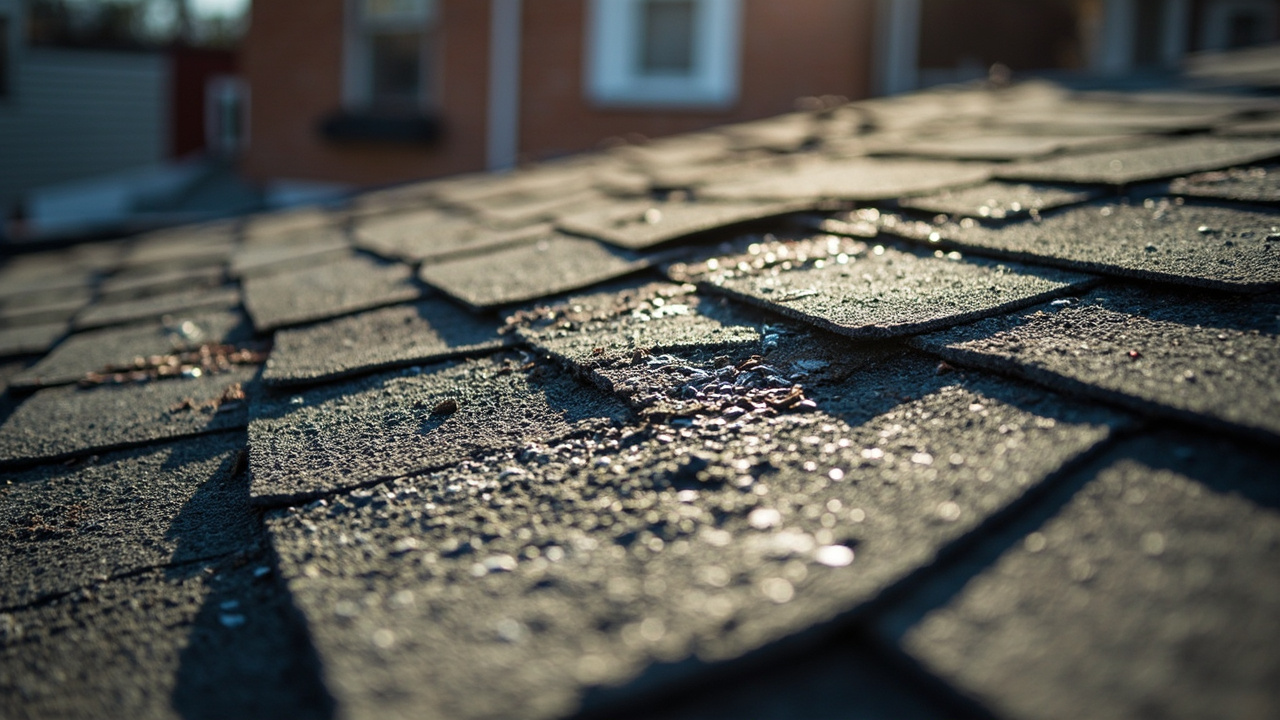
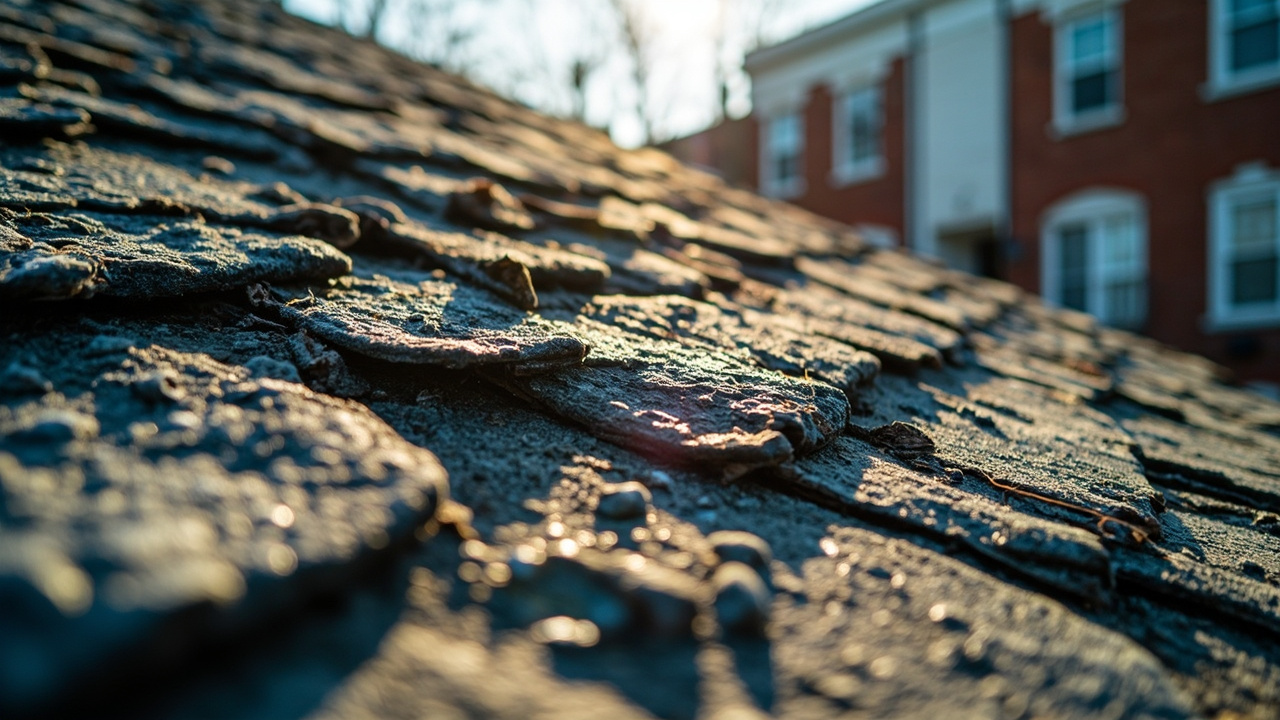
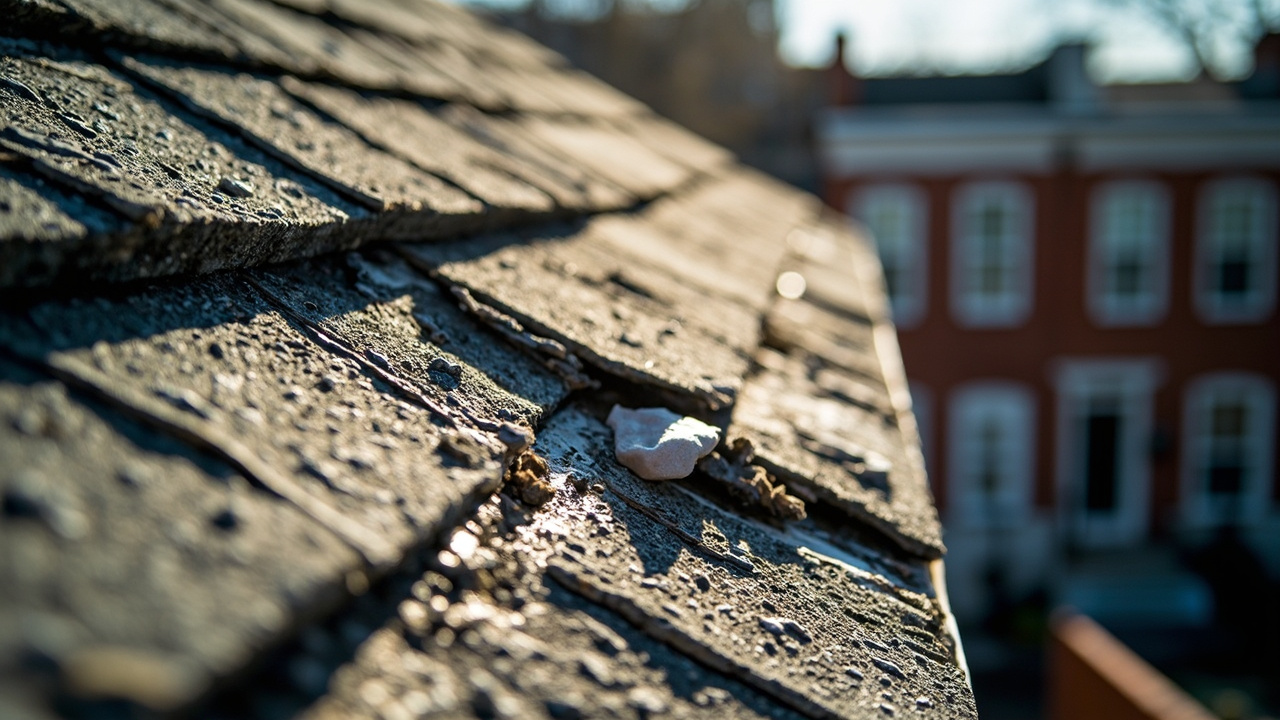
Baltimore's proximity to the Chesapeake Bay creates persistent humidity that never fully leaves the air, even on clear days. This constant moisture saturation means your roof shingles rarely dry completely between rain events. When moisture-laden shingles heat up under summer sun, the trapped water vapor expands and forms blisters between the asphalt layers. Neighborhoods closest to the harbor, from Locust Point to Fells Point, see accelerated blister formation because salt-laden air also breaks down the protective granules faster. Your roof ages differently here than it would in drier inland climates, which is why understanding local moisture dynamics matters when diagnosing and repairing roof blisters.
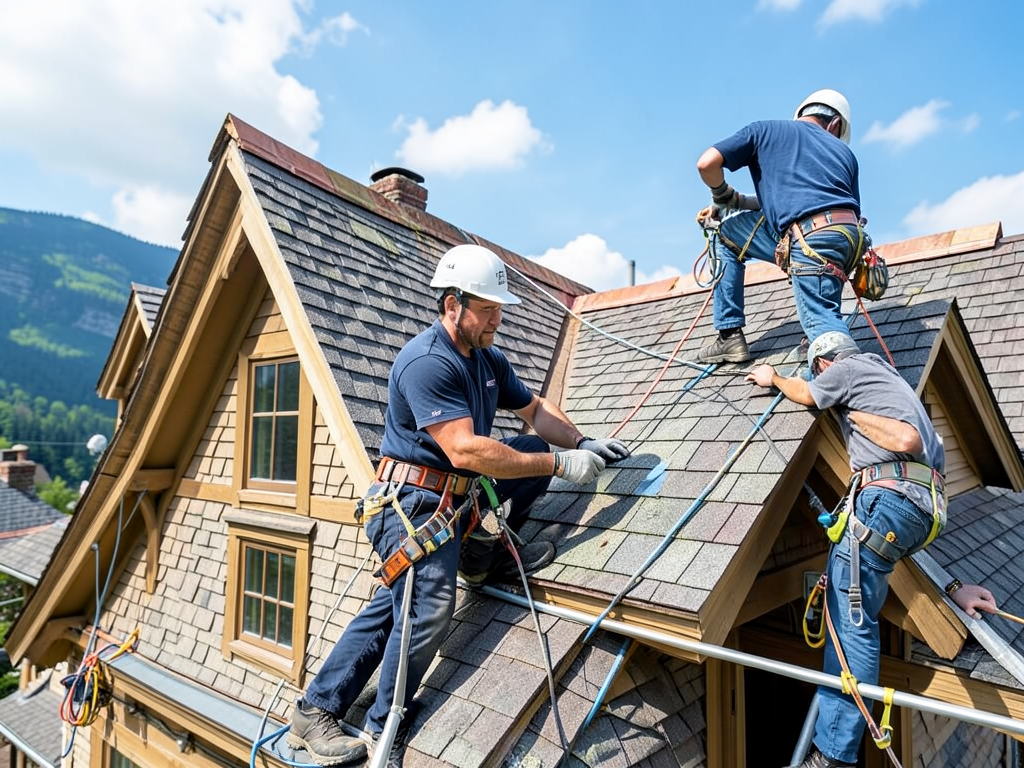
Baltimore enforces strict building codes for roof ventilation because the city recognizes how local humidity affects roof longevity. Any repair work must meet IRC ventilation requirements, which specify one square foot of ventilation for every 150 square feet of attic space when using balanced intake and exhaust. Many older Baltimore homes were built before these codes existed and suffer chronic moisture problems as a result. Working with a roofing team that understands local code requirements and knows how to retrofit modern ventilation into historic home designs protects your investment and ensures repairs pass inspection if you ever sell.