
How New Attic Insulation Can Actually Extend the Life of Your Towson Roof
Your Towson roof faces a unique combination of Maryland weather challenges. Hot, humid summers followed by freezing winters create a constant battle against moisture, ice dams, and thermal stress. What many homeowners don’t realize is that proper attic insulation acts as your roof’s first line of defense, protecting shingles, underlayment, and structural components from premature failure. How Much a New Roof Costs in Towson (2026 Estimates).
When your attic lacks adequate insulation, heat escapes through the roof in winter. This melts snow on the surface, which then refreezes at the eaves, creating ice dams that force water under shingles. In summer, poor insulation allows heat to penetrate the attic, baking shingles from below and accelerating deterioration. The science is clear: maintaining consistent attic temperatures through proper insulation can add years to your roof’s lifespan.
According to the U.S. Department of Energy, proper attic insulation can reduce heating and cooling costs by 15-20% annually. In Towson’s climate zone 4, where temperature swings are extreme, this protection becomes even more critical. Let’s examine how insulation works, what R-values you need, and why this investment pays dividends in roof longevity. U.S. Department of Energy insulation guidelines.
How Insulation Protects Your Roof from Towson’s Weather Extremes
Attic insulation serves as a thermal barrier that prevents heat transfer between your living space and the roof structure. In Towson’s climate, this barrier faces constant assault from both directions.. Read more about Identifying the Difference Between Attic Mold and Simple Roof Stains in Towson.
During winter months, heat naturally rises through your ceiling into the attic. Without proper insulation, this warm air melts snow on your roof surface. As melted water flows down to the colder eaves, it refreezes, creating ice dams. These ice formations can lift shingles, damage flashing, and allow water infiltration that rots roof decking from the inside out.
Summer presents the opposite problem. Maryland’s July and August temperatures often exceed 90°F. Without adequate insulation, this heat penetrates your attic, reaching temperatures of 150°F or higher. Asphalt shingles baked from below experience accelerated aging, losing their protective granules and becoming brittle. The constant expansion and contraction from these temperature extremes causes shingles to curl, crack, and fail prematurely.
Proper insulation maintains more consistent attic temperatures year-round. This stability reduces thermal cycling stress on roofing materials, prevents moisture condensation that leads to mold growth, and eliminates the freeze-thaw cycles that destroy roof structures in Towson’s winters.
Recommended R-Values for Towson Maryland Climate Zone 4
The International Energy Conservation Code (IECC) establishes specific insulation requirements based on climate zones. Towson falls within Climate Zone 4, which experiences both significant heating and cooling demands throughout the year.
For attic insulation in Zone 4, the IECC recommends R-values between R-49 and R-60. This translates to approximately 16-20 inches of fiberglass batt insulation or 6-8 inches of spray foam insulation. Many Towson homes, particularly those built before 2012, fall far short of these recommendations.
Here’s a comparison of common insulation types and their performance characteristics:
| Insulation Type | Recommended R-Value | Installation Depth | Cost per Square Foot | Best For |
|---|---|---|---|---|
| Blown-in Fiberglass | R-49 to R-60 | 16-20 inches | $1.50 – $2.50 | Existing attics, DIY |
| Blown-in Cellulose | R-49 to R-60 | 16-20 inches | $1.80 – $2.80 | Eco-friendly option |
| Spray Foam (Open-cell) | R-49 to R-60 | 6-8 inches | $2.50 – $3.50 | Air sealing, moisture control |
| Spray Foam (Closed-cell) | R-49 to R-60 | 5-7 inches | $3.50 – $4.50 | Structural support, vapor barrier |
Older Towson homes often have only R-19 to R-30 insulation, installed decades ago when energy codes were less stringent. This insufficient insulation allows excessive heat transfer, directly contributing to roof damage. A professional energy audit can determine your current insulation levels and identify areas where heat loss occurs.
The Maryland Energy Administration recommends that homeowners in Baltimore County achieve at least R-49 in their attics. This level of insulation not only protects your roof but also qualifies for various energy efficiency rebates and tax credits available through BGE and federal programs. BGE Smart Energy Savers Program rebates.
Ice Dam Prevention Through Proper Attic Insulation
Ice dams represent one of the most destructive forces your Towson roof faces each winter. These formations occur when heat escaping through your attic melts snow on the roof surface. The water flows down to the cold eaves, where it refreezes, creating a dam that traps additional meltwater.
Ice dams can cause thousands of dollars in damage. Water forced under shingles saturates roof decking, leaks into attics, damages ceilings and walls, and creates ideal conditions for mold growth. The weight of ice dams can also stress roof structures, potentially causing collapse in extreme cases.
Proper attic insulation prevents ice dams by maintaining uniform roof temperatures. When your attic stays cold, snow on the roof surface remains frozen, eliminating the melt-refreeze cycle. Combined with adequate attic ventilation, proper insulation keeps the entire roof surface at or near outdoor temperatures.. Read more about Solving Ventilation Challenges for Hip Roofs on Ranch Style Homes in Parkville.
During a typical Towson winter, temperatures fluctuate between 20°F and 40°F. These freeze-thaw cycles create ideal conditions for ice dam formation on poorly insulated homes. A properly insulated attic maintains temperatures within 5-10 degrees of outdoor conditions, preventing the temperature differential that causes ice dams.
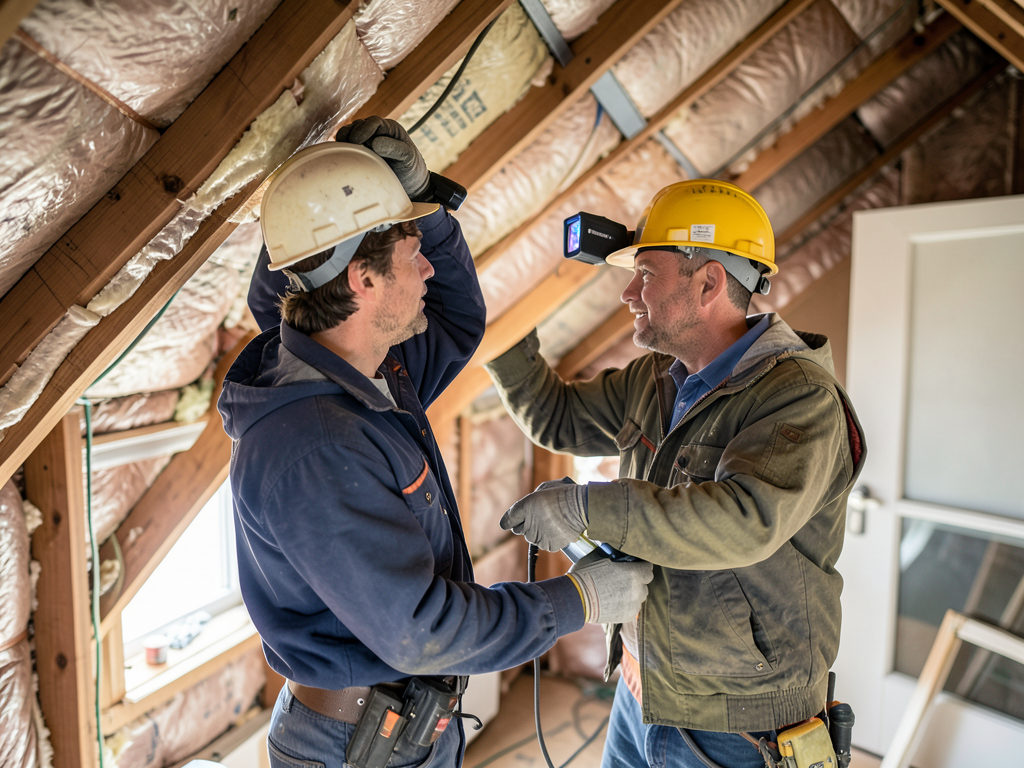
Professional roofers use thermal imaging cameras to identify heat loss patterns in attics. These diagnostic tools reveal exactly where insulation is insufficient, allowing targeted improvements that maximize energy efficiency and roof protection.
Summer Heat Protection for Towson Roofs
Maryland summers bring their own set of challenges for roof longevity. Towson experiences an average of 30 days per year with temperatures exceeding 90°F. Without proper attic insulation, these conditions can reduce shingle lifespan by 30-50%.
Heat damage occurs through several mechanisms. First, excessive attic temperatures cause asphalt shingles to become soft and pliable. This makes them vulnerable to wind damage and foot traffic. Second, the constant thermal cycling between hot days and cooler nights causes shingles to expand and contract, leading to cracking and granule loss.
Third, heat buildup in poorly ventilated attics can cause moisture to condense on the underside of roof decking. This moisture creates an environment conducive to mold growth, wood rot, and structural deterioration. The combination of heat and moisture accelerates the degradation of all roofing components.
Proper attic insulation maintains attic temperatures closer to outdoor conditions. Instead of reaching 150°F on a 95°F day, a well-insulated attic might only reach 100-110°F. This temperature reduction dramatically decreases thermal stress on roofing materials.
Radiant barriers installed in conjunction with insulation provide additional protection. These reflective materials, installed beneath roof rafters, reflect up to 97% of radiant heat away from the attic space. In Towson’s climate, radiant barriers can reduce attic temperatures by 20-30 degrees during peak summer conditions.
Local Rebates and Incentives for Attic Insulation in Baltimore County
Upgrading your attic insulation represents a significant investment, but numerous local and federal programs can offset these costs. Baltimore Gas and Electric (BGE) offers substantial rebates through their Smart Energy Savers Program for customers who improve their home’s energy efficiency. Flat Roof Repair for Baltimore Rowhouses — What Every Homeowner in Canton Needs to Know.
BGE rebates for attic insulation can cover up to 50% of material and installation costs, with maximum rebates ranging from $500 to $1,500 depending on the scope of work. To qualify, insulation must be installed by a BGE-approved contractor and meet specific R-value requirements.
The federal Energy Efficient Home Improvement Credit provides a 30% tax credit on insulation improvements, up to $1,200 annually. This credit applies to both material and labor costs for qualifying insulation upgrades. Maryland residents can combine this federal credit with BGE rebates for maximum savings. Why Your Federal Hill Flat Roof is Leaking and How to Fix It for Good.
Additional incentives may be available through the Maryland Energy Administration’s Home Energy Performance with ENERGY STAR program. This program offers rebates of up to $7,500 for comprehensive home energy improvements, including attic insulation upgrades.
Local utility rates in Baltimore County average 13-15 cents per kilowatt-hour, higher than the national average. This means energy efficiency improvements provide greater financial returns for Towson homeowners compared to many other regions. The combination of high utility costs and available incentives makes attic insulation upgrades particularly attractive in our area.
Case Study: Towson Home Energy Transformation
A recent project in the Rodgers Forge neighborhood demonstrates the impact of proper attic insulation on roof longevity. The 1960s colonial home had original R-19 fiberglass batts that had settled significantly over 50 years. The homeowners experienced recurring ice dam problems and noticed their 15-year-old roof showing premature aging.
During the energy audit, thermal imaging revealed significant heat loss through the attic. Temperature readings showed attic temperatures reaching 140°F on summer days and dropping to 45°F on winter nights, creating extreme thermal cycling conditions.
The solution involved removing the old insulation, air sealing all penetrations, and installing R-60 blown-in cellulose. Additional improvements included installing baffles for proper attic ventilation and adding a radiant barrier to the roof deck. Installing a Metal Roof in Columbia — Is It Worth the Investment?.
Results after one year showed attic temperatures stabilizing between 85-95°F in summer and 35-40°F in winter. The homeowners reported a 22% reduction in heating and cooling costs. Most importantly, their roof showed no signs of ice dam formation during the following winter, and the shingles maintained their granule coverage better than neighboring homes with similar age.
This project illustrates how proper insulation creates a protective environment for roofing materials, extending their functional lifespan while providing immediate energy savings.
Professional Installation vs. DIY Insulation
While DIY insulation installation might seem cost-effective, professional installation provides critical benefits for roof protection. Professional contractors understand the complex relationship between insulation, ventilation, and roofing systems.
Professional installation ensures proper air sealing around attic penetrations, including plumbing vents, electrical wiring, and recessed lighting. These gaps, often overlooked in DIY projects, allow significant heat transfer and can create moisture problems that damage both insulation and roofing structures.
Contractors also ensure proper attic ventilation is maintained. Adding insulation without maintaining clear soffit vents can create moisture problems that lead to roof deck rot and mold growth. Professionals install baffles that keep insulation away from soffit vents while maintaining the recommended ventilation rates.
Another critical factor is selecting the right insulation type for your specific roof structure. Cathedral ceilings, flat roofs, and traditional attic spaces each require different approaches. Spray foam insulation, while more expensive, provides superior air sealing and can be the best choice for certain roof configurations common in Towson’s older homes.
Professional contractors also understand local building codes and can ensure your insulation upgrade meets all Baltimore County requirements. They can coordinate with roofing contractors if you’re planning a roof replacement, ensuring both systems work together optimally. Industrial Roof Replacement.
Maintaining Your Insulated Attic for Maximum Roof Protection
Once you’ve invested in proper attic insulation, maintaining it ensures continued roof protection. Regular inspections help identify problems before they cause damage.
Check your attic annually for signs of moisture, including water stains on rafters, mold growth, or damp insulation. Moisture problems often indicate ventilation issues that need immediate attention to prevent roof damage.
Inspect insulation levels every few years, particularly in areas where settling occurs. Blown-in insulation can settle up to 20% over time, reducing its effectiveness. Top-off insulation as needed to maintain recommended R-values.
Ensure attic ventilation remains clear. Blocked soffit vents or damaged ridge vents can create moisture problems even with proper insulation. Keep insulation away from recessed lighting fixtures unless they’re rated for insulation contact.
Monitor your energy bills for unexpected increases, which might indicate insulation problems. A sudden 15-20% increase in heating or cooling costs often signals that insulation has become compromised or that new air leaks have developed.
Consider having a professional energy audit every 5-7 years. These audits use advanced diagnostic tools to identify developing problems and ensure your insulation continues providing optimal roof protection.
The Long-Term ROI of Attic Insulation for Towson Homeowners
Investing in proper attic insulation delivers returns through multiple channels. The most immediate benefit is reduced energy costs, typically providing 3-5 year payback periods in Baltimore County’s climate.
However, the extended roof lifespan represents the most significant long-term return. A roof that might last 15-20 years with poor insulation can easily reach 25-30 years with proper insulation and ventilation. This additional 10-15 years of service can represent $8,000-$15,000 in avoided replacement costs.
Insurance companies increasingly recognize the value of energy efficiency improvements. Some providers offer premium discounts for homes with documented energy efficiency upgrades, including proper attic insulation. These discounts can range from 5-15% annually.
Energy efficiency improvements also increase home resale value. According to the National Association of Realtors, energy efficiency upgrades typically return 70-80% of their cost in increased home value. In Towson’s competitive real estate market, this premium can be even higher.
Beyond financial returns, proper insulation improves home comfort by eliminating cold drafts in winter and hot spots in summer. This improved comfort quality of life benefit, while harder to quantify, represents a significant value for many homeowners.
When you consider the combined benefits of energy savings, extended roof life, increased home value, and improved comfort, proper attic insulation typically delivers 200-300% return on investment over a 15-year period.
Frequently Asked Questions
How do I know if my attic insulation needs replacement?
Signs include uneven insulation depth, moisture damage, pest infestations, or insulation older than 15-20 years. An energy audit can provide definitive assessment of your insulation’s effectiveness.
Can I add new insulation over old insulation?
Yes, in most cases you can add new insulation over existing material. However, remove any wet, moldy, or pest-damaged insulation first. Ensure proper ventilation is maintained and avoid blocking soffit vents.
What’s the difference between R-value and insulation thickness?
R-value measures resistance to heat flow, while thickness is just one factor affecting R-value. Different insulation materials provide different R-values per inch. For example, spray foam provides R-6 per inch while fiberglass provides R-3 per inch.
How long does attic insulation installation take?
Most residential attic insulation projects take 1-2 days. Professional installation includes proper air sealing, ventilation assessment, and cleanup. DIY projects typically take 2-3 times longer.
Will new insulation help with my high summer cooling bills?
Yes, proper attic insulation can reduce cooling costs by 15-25% in Towson’s climate. Combined with radiant barriers and proper ventilation, insulation keeps your attic cooler, reducing the heat load on your air conditioning system.
Protect Your Towson Roof with Professional Insulation Assessment
Your roof represents one of your home’s most significant investments. Proper attic insulation protects this investment by preventing the moisture, ice dams, and thermal stress that cause premature roof failure. In Towson’s challenging climate, this protection becomes essential rather than optional.
Don’t wait until you see water stains on your ceiling or notice your shingles curling prematurely. A professional insulation assessment can identify problems before they cause costly damage. Our team uses thermal imaging, moisture meters, and ventilation testing to provide comprehensive evaluation of your attic’s condition.
We understand Towson’s specific climate challenges and building code requirements. Our recommendations are tailored to your home’s construction, age, and energy efficiency goals. Whether you need a simple insulation top-off or a complete attic system upgrade, we provide solutions that protect your roof while maximizing energy savings.
Call (443) 455-9099 today to schedule your free attic insulation assessment. Our experts will evaluate your current insulation levels, identify heat loss patterns, and provide a detailed plan to extend your roof’s life while reducing your energy bills. Don’t let another Towson winter or summer damage your roof unnecessarily. Take action now to protect your home’s most important defense against the elements.
Pick up the phone and call (443) 455-9099 before the next storm hits. Your roof will thank you with years of additional service and thousands of dollars in avoided replacement costs.
{
“@context”: “https://schema.org”,
“@type”: “BlogPosting”,
“headline”: “How New Attic Insulation Can Actually Extend the Life of Your Towson Roof”,
“description”: “Discover how proper attic insulation in Towson prevents roof damage from ice dams, moisture, and thermal stress. Learn local R-values, rebates, and the science behind roof longevity.”,
“wordCount”: 2624,
“datePublished”: “2026-04-27T14:20:00.000Z”,
“dateModified”: “2026-04-27T14:20:00.000Z”,
“inLanguage”: “en-US”,
“mainEntityOfPage”: {
“@type”: “WebPage”,
“@id”: “https://aplusroofingbaltimore.com”
},
“publisher”: {
“@type”: “LocalBusiness”,
“name”: “A Plus Roofing Baltimore”,
“url”: “https://aplusroofingbaltimore.com”
},
“author”: {
“@type”: “Organization”,
“name”: “A Plus Roofing Baltimore”,
“url”: “https://aplusroofingbaltimore.com”
},
“image”: {
“@type”: “ImageObject”,
“url”: “https://aplusroofingbaltimore.com/wp-content/uploads/2026/03/how-new-attic-insulation-can-actually-extend-the-l-1.png”
}
}
{
“@context”: “https://schema.org”,
“@type”: “RoofingContractor”,
“name”: “A Plus Roofing Baltimore”,
“url”: “https://aplusroofingbaltimore.com”,
“address”: {
“@type”: “PostalAddress”,
“addressLocality”: “Baltimore”
},
“areaServed”: {
“@type”: “City”,
“name”: “Baltimore”
}
}
{
“@context”: “https://schema.org”,
“@type”: “FAQPage”,
“mainEntity”: [
{
“@type”: “Question”,
“name”: “How do I know if my attic insulation needs replacement?”,
“acceptedAnswer”: {
“@type”: “Answer”,
“text”: “Signs include uneven insulation depth, moisture damage, pest infestations, or insulation older than 15-20 years. An energy audit can provide definitive assessment of your insulation’s effectiveness.”
}
},
{
“@type”: “Question”,
“name”: “Can I add new insulation over old insulation?”,
“acceptedAnswer”: {
“@type”: “Answer”,
“text”: “Yes, in most cases you can add new insulation over existing material. However, remove any wet, moldy, or pest-damaged insulation first. Ensure proper ventilation is maintained and avoid blocking soffit vents.”
}
},
{
“@type”: “Question”,
“name”: “What’s the difference between R-value and insulation thickness?”,
“acceptedAnswer”: {
“@type”: “Answer”,
“text”: “R-value measures resistance to heat flow, while thickness is just one factor affecting R-value. Different insulation materials provide different R-values per inch. For example, spray foam provides R-6 per inch while fiberglass provides R-3 per inch.”
}
},
{
“@type”: “Question”,
“name”: “How long does attic insulation installation take?”,
“acceptedAnswer”: {
“@type”: “Answer”,
“text”: “Most residential attic insulation projects take 1-2 days. Professional installation includes proper air sealing, ventilation assessment, and cleanup. DIY projects typically take 2-3 times longer.”
}
},
{
“@type”: “Question”,
“name”: “Will new insulation help with my high summer cooling bills?”,
“acceptedAnswer”: {
“@type”: “Answer”,
“text”: “Yes, proper attic insulation can reduce cooling costs by 15-25% in Towson’s climate. Combined with radiant barriers and proper ventilation, insulation keeps your attic cooler, reducing the heat load on your air conditioning system.”
}
}
]
}
{
“@context”: “https://schema.org”,
“@type”: “BreadcrumbList”,
“itemListElement”: [
{
“@type”: “ListItem”,
“position”: 1,
“name”: “Home”,
“item”: “https://aplusroofingbaltimore.com”
},
{
“@type”: “ListItem”,
“position”: 2,
“name”: “Blog”,
“item”: “https://aplusroofingbaltimore.com/blog”
},
{
“@type”: “ListItem”,
“position”: 3,
“name”: “How New Attic Insulation Can Actually Extend the Life of Your Towson Roof”
}
]
}
{
“@context”: “https://schema.org”,
“@type”: “Service”,
“serviceType”: “Roofing”,
“provider”: {
“@type”: “LocalBusiness”,
“name”: “A Plus Roofing Baltimore”,
“url”: “https://aplusroofingbaltimore.com”
},
“areaServed”: {
“@type”: “City”,
“name”: “Baltimore”
},
“description”: “Discover how proper attic insulation in Towson prevents roof damage from ice dams, moisture, and thermal stress. Learn local R-values, rebates, and the science behind roof longevity.”
}