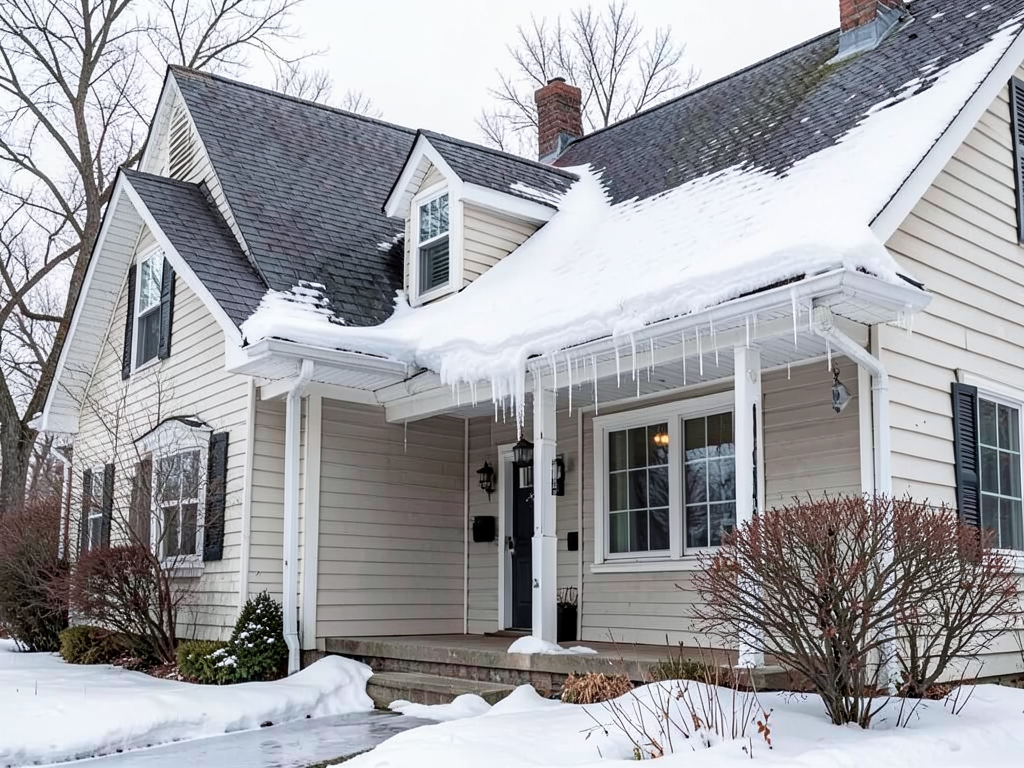
Baltimore's winter temperature swings create the worst possible environment for rubber roof seals. A typical January week sees overnight lows in the teens and afternoon highs in the mid-40s. Water seeps into microscopic cracks in the neoprene gasket during the day, freezes solid at night, and expands with enough force to widen the crack. This cycle repeats dozens of times each season. The rubber hardens, loses elasticity, and splits along the pipe collar. Homes near the Inner Harbor experience additional stress from salt air, which accelerates rubber degradation. A pipe boot that lasts 25 years in a dry climate fails in 15 years here.
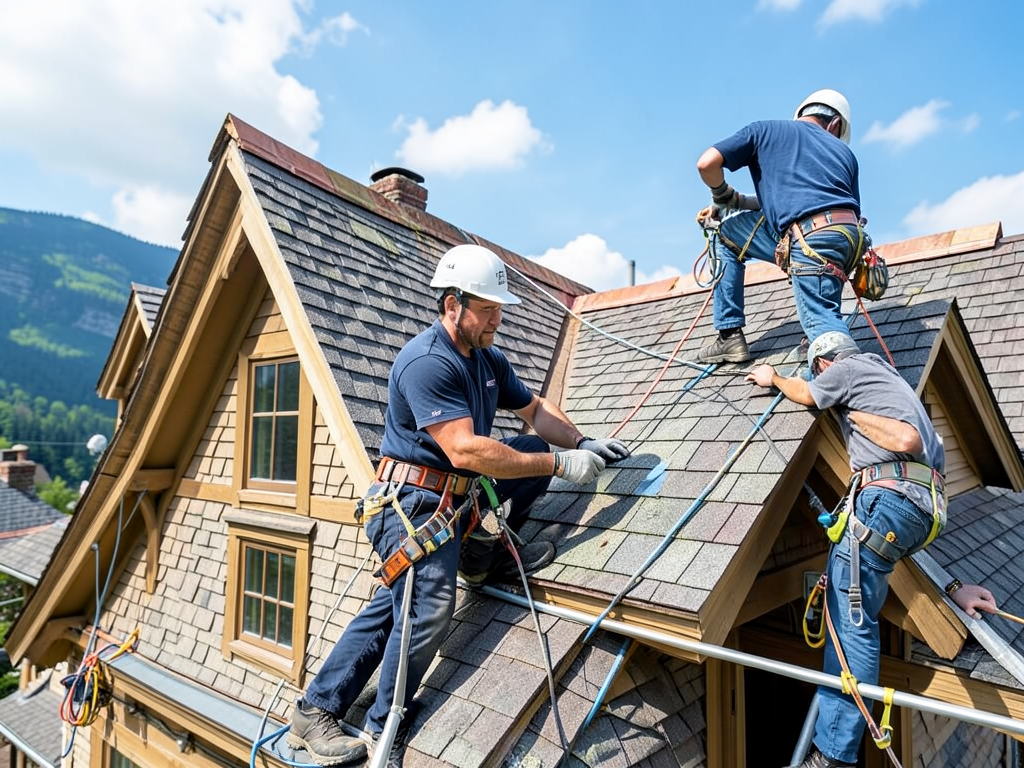
A Plus Roofing Baltimore understands the specific failure patterns of pipe boots on Baltimore row homes, where shared roof decking and limited attic access complicate repairs. We have worked with the historic preservation requirements in neighborhoods like Bolton Hill and Mount Vernon, where slate and tile roofs require specialized flashing techniques. Our crews are familiar with Baltimore City building code Section R903 requirements for roof penetrations and flashing details. We carry the specific boot types needed for the mixed roof styles common here: rubber membrane roofs in Canton, architectural shingles in Towson, and flat built-up roofs in Pigtown.