menu

Roof Flashing Leaking in Baltimore – Expert Diagnosis and Permanent Repair

Stop water intrusion at the source with precise flashing repair and replacement from A Plus Roofing Baltimore, specialists in diagnosing and fixing the most common cause of roof leaks in Baltimore homes.

Slider Image 1
Slider Image 2
Slider Image 3
Slider Image 4
Slider Image 5
Slider Image 7
Slider Image 8
Slider Image 9
Slider Image 10
Slider Image 11

Why Flashing Fails on Baltimore Roofs

You notice water stains on your ceiling near the chimney or where the roof meets the wall. The problem is not your shingles. It is your flashing.

Baltimore's weather cycles destroy flashing faster than most homeowners realize. The freeze-thaw pattern from December through March causes metal to expand and contract repeatedly. This movement loosens nails, cracks sealant, and opens gaps where water enters. Add in the high humidity summers, and you get accelerated rust on galvanized steel flashing that was installed 15 years ago.

Leaky roof flashing shows up in predictable places. Chimneys, skylights, dormers, and roof valleys all rely on metal flashing to redirect water. When damaged roof flashing develops even a hairline crack, water finds its way into your attic. You might not see the leak immediately. The water travels along rafters and joists before dripping onto insulation or drywall.

Flashing seal failure happens when the roofing cement or caulk that bonds metal to shingle deteriorates. Baltimore's UV exposure during summer breaks down these sealants within 10 to 12 years. Rusted roof flashing becomes brittle and tears away from fasteners during high winds, which Baltimore experiences during spring storm fronts and occasional tropical systems moving up the Chesapeake Bay.

Loose roof flashing creates an entry point for more than water. Squirrels and raccoons pry up weakened flashing to access your attic, causing additional damage. The longer you wait, the more expensive the repair becomes as water rots the roof decking underneath.

Why Flashing Fails on Baltimore Roofs
How We Fix Flashing Leaks the Right Way

How We Fix Flashing Leaks the Right Way

Most roofers slap caulk on damaged flashing and call it fixed. That repair fails within six months. We remove the compromised flashing completely and address the underlying issue.

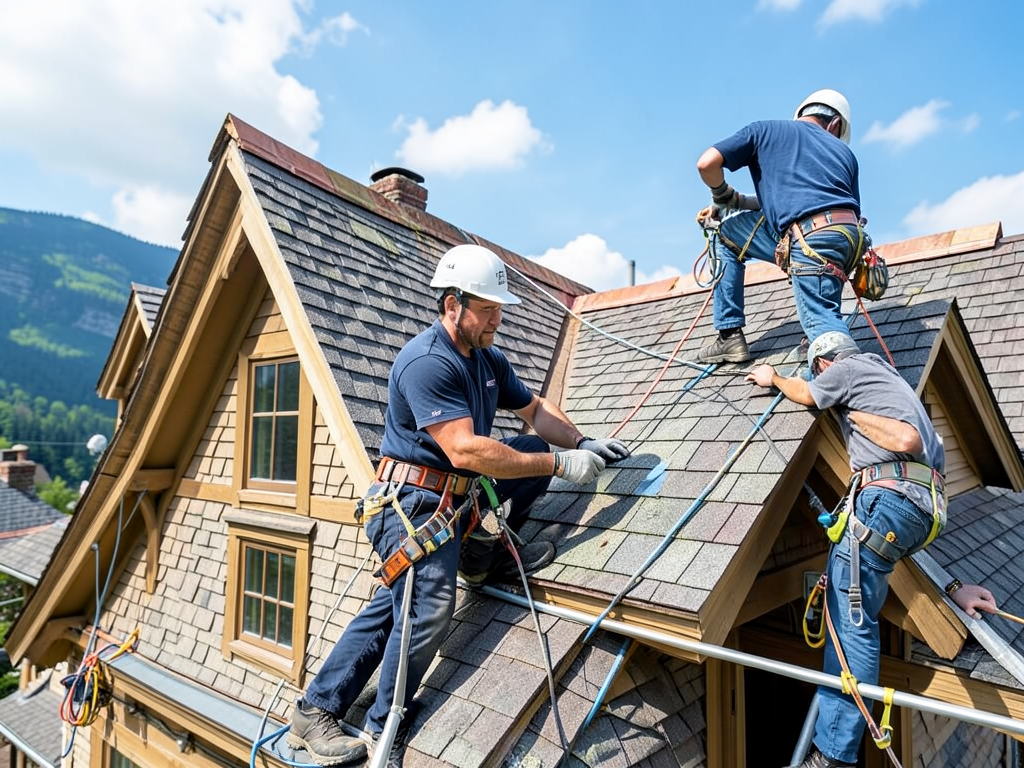
Our process starts with identifying why the flashing failed. Was it improper installation? Material degradation? Structural movement? We remove shingles around the flashing zone to expose the entire assembly. This reveals hidden damage that surface inspections miss.

For chimney flashing, we install a two-part system: step flashing that weaves between shingle courses and counter flashing that embeds into the chimney mortar joints. We cut a reglet groove into the mortar, insert the counter flashing, and seal it with polyurethane caulk rated for metal-to-masonry applications. This creates a watertight transition that handles thermal expansion.

Valley flashing replacement requires precision. We use ice and water shield underlayment as a secondary barrier, then install pre-bent valley metal that extends at least eight inches under the shingles on both sides. The metal must be thick enough to resist foot traffic during future maintenance without denting.

Skylight flashing demands manufacturer-specific components. We do not use generic flashing kits. Each skylight brand requires exact measurements and specific installation sequences. The head flashing overlaps the side flashing, which overlaps the sill flashing. This shingle-style overlap pattern ensures water cannot reverse direction and enter the roof assembly.

We replace corroded fasteners with stainless steel screws and seal every penetration with butyl tape before applying the final sealant bead. This redundancy prevents single-point failures.

What Happens During Your Flashing Repair

Roof Flashing Leaking in Baltimore – Expert Diagnosis and Permanent Repair
01

Leak Source Identification

We trace the water stains back to their origin point using moisture meters and thermal imaging when necessary. Flashing leaks rarely appear directly below the failure point. Water travels along roof decking and structural members before becoming visible. We locate the exact flashing section that failed, whether at a chimney, dormer, or valley intersection. This diagnostic precision prevents unnecessary tear-off and focuses repair efforts where they matter.
02

Flashing Removal and Replacement

We carefully remove the surrounding shingles without damaging salvageable materials, then extract the failed flashing and inspect the roof decking for rot or deterioration. If the decking shows water damage, we replace those sections before installing new flashing. We fabricate custom flashing pieces on-site when standard components do not fit your roof geometry. All new flashing gets bedded in roofing cement and mechanically fastened according to manufacturer specifications and Baltimore building code requirements.
03

Seal and Integration

The final phase integrates the new flashing seamlessly with your existing roof system. We reinstall shingles using the proper overlap sequence, ensuring each course sheds water away from the flashing. Every exposed nail gets sealed. Every seam gets inspected. We test the repair by running water over the area and checking the attic for moisture penetration. You get documentation of the work completed, including photos of the failed flashing and the finished installation for your records.

Why Baltimore Homeowners Choose A Plus Roofing

Flashing repair looks simple until you do it wrong. The difference between a five-year patch and a 20-year repair comes down to understanding how water moves and how materials react to Baltimore's climate.

We work on Baltimore roofs every day. We know that homes in Roland Park have slate roofs with copper flashing that requires different techniques than the architectural shingles and aluminum flashing common in Towson. We understand that Historic District properties in Federal Hill require repair methods that preserve the original roof appearance while meeting current code.

Baltimore's building codes require specific flashing details around roof penetrations. We stay current with those requirements because we pull permits for major repairs and work with city inspectors regularly. This matters when you sell your home. Unpermitted roof work creates title issues and reduces your negotiating position.

Our crews recognize the signs of previous amateur repairs. We have torn off dozens of roofs where homeowners paid for flashing fixes that made the problem worse. Silicone caulk smeared over rusted flashing. Roof cement applied so thick it dams water instead of shedding it. Step flashing installed backwards so water runs under the shingles instead of over them.

We fix these mistakes permanently. Our material choices reflect Baltimore's weather patterns. We use copper flashing for chimneys on high-end homes because it outlasts the roof itself. We use painted steel for standard applications because it provides decades of service at reasonable cost. We avoid galvanized steel in coastal-influenced areas near the Inner Harbor because salt air accelerates corrosion.

You also get straight answers about whether you need complete flashing replacement or targeted repair. We do not upsell unnecessary work.

What to Expect When You Call

Response Time and Scheduling

We schedule inspections within 48 hours of your call. If you have active water intrusion, we can often arrive same-day to assess the damage and install temporary protection. Our inspection takes 45 to 60 minutes depending on roof complexity and accessibility. We photograph the problem areas and provide a written estimate before leaving. Most flashing repairs take one to two days to complete, weather permitting. We do not start tear-off if rain is forecast within 24 hours because exposed roof decking cannot get wet.

The Inspection Process

Our inspector examines every flashing location on your roof, not just the area where you see leaks. Flashing problems cluster in specific patterns. If your chimney flashing failed, your skylight flashing likely needs attention too. We check the attic for water stains, measure moisture content in the roof decking, and evaluate the condition of surrounding shingles. You receive a detailed report explaining what failed, why it failed, and what repair method we recommend. We differentiate between emergency repairs that must happen immediately and maintenance items you can schedule later.

Repair Quality and Materials

We use professional-grade materials that match or exceed the quality of your original roof installation. Flashing metal comes from manufacturers who supply commercial roofing contractors, not big-box retail outlets. Sealants carry 20-year ratings for adhesion and flexibility. We match shingle colors from your existing roof when we replace courses around the flashing. The repair blends invisibly with the surrounding roof. You will not see mismatched patches or obvious color differences. The work passes inspection because we follow code requirements for fastener spacing, overlap dimensions, and material specifications.

Workmanship and Follow-Up

We warranty our labor separately from material warranties. If the flashing we installed develops a leak due to installation error, we return and fix it at no charge. This does not cover damage from fallen tree limbs or other external events. We provide maintenance recommendations based on your roof age and condition. Most flashing installations should be inspected every three to five years to catch minor sealant deterioration before it becomes a leak. We offer annual roof inspection services that include flashing condition assessment as part of preventive maintenance.

Frequently Asked Questions

You Have Questions,
We Have Answers

How to repair a roof leak at flashing? +

Start by identifying the exact leak source. Remove damaged shingles around the flashing, then pry up the old flashing carefully. Clean the surface completely and inspect for rot or deck damage. Install new step flashing or valley flashing, overlapping each piece properly. Seal edges with roofing cement, then replace shingles. Baltimore's freeze-thaw cycles make proper sealing critical. For chimney or vent pipe flashing, counterflashing must integrate correctly with base flashing. If you see rust or corrosion on metal flashing, replacement beats patching. This repair demands precision. Poor flashing work causes repeat leaks within months.

Why is my roof leaking under flashing? +

Flashing leaks when water bypasses the protective barrier at roof intersections. Common causes include deteriorated sealant, rusted metal, improper installation, or missing pieces. Baltimore homes face harsh winter weather that cracks sealant and corrodes galvanized steel flashing. Freeze-thaw cycles lift shingles away from step flashing. Wind-driven rain from coastal storms finds gaps around chimneys or skylights. Sometimes roofers omit kickout flashing at wall ends, directing water behind siding. Age matters too. Flashing older than 20 years often fails before the shingles do. You need professional diagnosis to pinpoint the exact failure point.

Are roofers responsible for flashing? +

Yes. Licensed roofers handle all flashing installation and repair as part of roof work. Flashing is not a separate trade. Any reputable contractor includes proper flashing in their scope when installing or repairing your roof. This covers chimney flashing, valley flashing, vent pipe boots, and wall intersections. If your roofer tries to exclude flashing or charge extra for basic installation, that signals inexperience. Baltimore building codes require specific flashing methods at certain transitions. A qualified roofer knows these requirements and integrates flashing seamlessly into the roofing system. Workmanship on flashing directly affects your roof warranty coverage.

Can I fix roof flashing myself? +

You can attempt small repairs like resealing loose flashing edges or replacing a cracked vent boot. Buy roofing cement and a caulk gun. Clean the area, apply sealant, and smooth it down. However, most flashing leaks require removal of shingles, proper underlayment work, and precise metal bending. Baltimore's weather demands professional-grade installation. Mistakes cause bigger leaks and void insurance claims. If you see rust, gaps wider than a quarter inch, or water stains on interior walls, call a professional. Improper flashing repair often costs more to fix later than hiring a roofer initially. Safety matters too. Roof work is dangerous.

Does flex seal work on roof flashing? +

Flex Seal provides temporary help but not a permanent fix. It works for emergency patching during a storm when you need to stop active dripping. Apply it to clean, dry flashing as a short-term seal. Baltimore's temperature swings cause Flex Seal to crack and peel within months. It does not replace proper flashing repair. The product cannot bond well to rusty or corroded metal. Water finds gaps around the edges eventually. Use Flex Seal to buy time until a roofer arrives, not as your final solution. Professional repairs with metal flashing and roofing cement last decades. Flex Seal lasts one season at best.

Does homeowners insurance cover flashing repair? +

Coverage depends on the damage cause. If a storm, falling tree, or sudden event damages your flashing, most policies cover repair costs minus your deductible. Normal wear and tear gets denied. Gradual deterioration from age or lack of maintenance is your responsibility. Document everything with photos showing storm damage or specific incident dates. Baltimore insurers scrutinize roof claims closely. Get a professional inspection report stating the cause. Some policies exclude flashing if your roof exceeds a certain age. Review your policy exclusions before filing. Never assume coverage. Many homeowners pay out of pocket for flashing repairs on older roofs.

Is it expensive to fix roof flashing? +

Small repairs cost a few hundred dollars. Complete flashing replacement around a chimney or along a valley runs higher, depending on accessibility and materials. Copper flashing costs more than aluminum or galvanized steel but lasts 50 years. Labor drives most of the expense. Roofers must remove shingles, install new flashing correctly, then reinstall roofing materials. Baltimore row homes with shared walls need careful flashing between properties, adding complexity. Emergency repairs during active leaks cost more than scheduled work. Expect higher prices if your roof has multiple stories or steep pitch. Get written estimates from local contractors before committing.

Is it normal for a roof to leak in heavy rain? +

No. A functioning roof should never leak, even during heavy downpours or Baltimore's intense summer thunderstorms. Leaks during rain indicate compromised flashing, damaged shingles, or inadequate underlayment. Wind-driven rain exposes weak points that light rain misses. If water appears only during storms, you have a penetration issue at a roof transition. Check around chimneys, skylights, and valleys first. Many homeowners ignore small leaks until they cause ceiling damage or mold growth. Address leaks immediately. Water infiltration worsens quickly. What starts as minor dripping becomes structural rot within months. Your roof exists to keep water out completely, regardless of weather intensity.

Can I put new flashing over old flashing? +

Never layer flashing. Remove old flashing completely before installing new material. Stacking flashing creates a raised surface that prevents proper shingle sealing. Water pools between layers and accelerates corrosion. Building inspectors in Baltimore County flag double-layered flashing as improper installation. The old flashing may hide rot or deck damage you need to address. Proper flashing sits flat against the roof deck with shingles overlapping correctly. Shortcuts create expensive callbacks. Each flashing piece must integrate with adjacent pieces in a specific sequence. Reusing corroded or bent flashing guarantees failure. Strip everything down to the deck and start fresh. Quality work takes time.

What is the lifespan of roof flashing? +

Galvanized steel flashing lasts 15 to 25 years before rust compromises integrity. Aluminum flashing reaches 20 to 30 years with proper installation. Copper flashing exceeds 50 years and often outlasts the roof itself. Baltimore's humidity and salt air from the Chesapeake Bay accelerate metal corrosion. Painted flashing lasts longer than bare metal. Expect shorter lifespans on south-facing slopes with intense sun exposure. Vent pipe boots made from rubber fail faster, typically needing replacement every 10 to 15 years. Inspect flashing whenever you replace shingles. If your flashing shows rust, dents, or separation, replace it regardless of age.

How Baltimore's Freeze-Thaw Cycles Destroy Roof Flashing

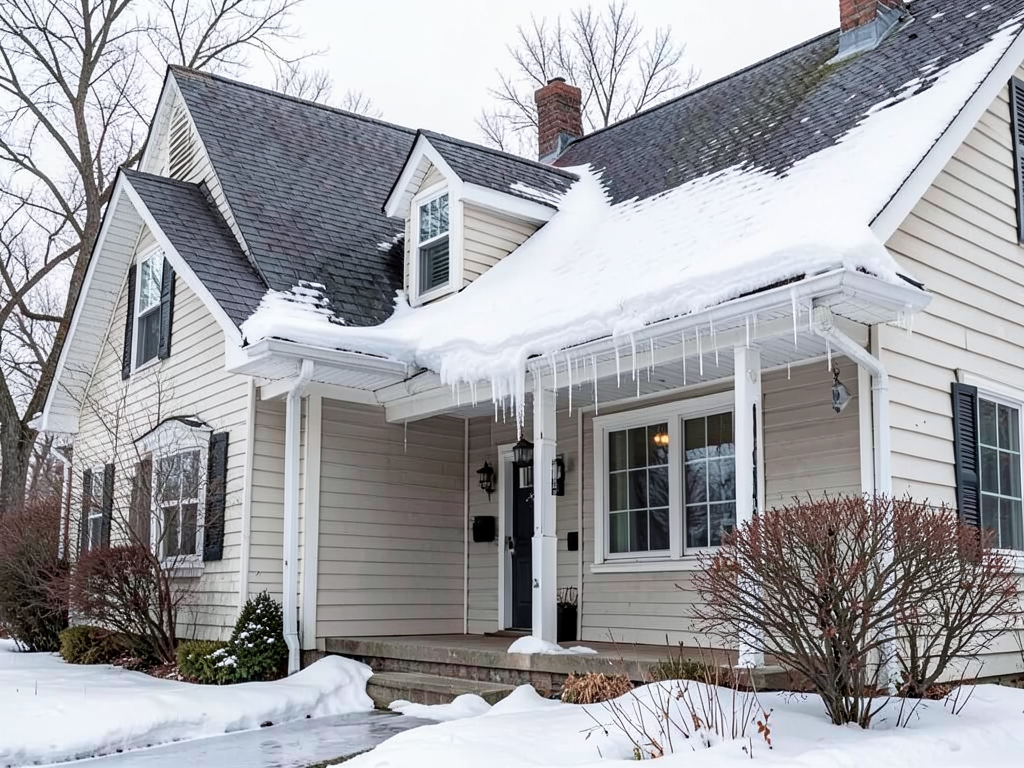
Baltimore experiences 30 to 40 freeze-thaw cycles each winter. Water seeps under flashing edges during the day when temperatures climb above freezing. That water freezes overnight, expanding with enough force to lift nails and crack sealant. This cycle repeats throughout January and February, progressively loosening flashing until it fails completely. The problem intensifies on north-facing roof sections that stay frozen longer and south-facing sections that thaw faster. Homes near the harbor see additional stress from salt-laden moisture that accelerates metal corrosion once protective coatings crack from thermal cycling.

A Plus Roofing Baltimore has repaired flashing on every roof style common to the area. We work with the historic clay tile roofs in Guilford, the slate roofs in Mount Washington, and the standing seam metal roofs appearing in new construction throughout Baltimore County. We understand how these different roof systems integrate with flashing and what installation techniques each requires. Our familiarity with local building inspectors and permit processes ensures your repair meets code requirements, which matters if you plan to sell your home or file an insurance claim for storm damage.
Roofing Services in The Baltimore Area

We are proud to be a locally owned and operated business committed to serving the entire Baltimore community and its surrounding counties. View our office location on the map and see the breadth of our service area. We encourage you to visit our facility or contact us directly to discuss your next roofing project.

Address:
A Plus Roofing Baltimore, 101 N Haven St, Baltimore, MD, 21224

Additional Services We Offer

Our news updates

Latest Articles & News from The Blogs

Upgrading Your Builder-Grade Roof in Severn Before It Starts Leaking Your Severn home's builder-grade roof has a ticking clock. Maryland's…

Upgrading Your Builder-Grade Roof in Severn Before It Starts Leaking

Upgrading Your Builder-Grade Roof in Severn Before It Starts Leaking Your Severn home's builder-grade roof has a ticking clock. Maryland's…

Restoring the Ornamental Roof Details on Victorian Homes in Abell and Waverly

Restoring the Ornamental Roof Details on Victorian Homes in Abell and Waverly Victorian homes in Baltimore's Abell and Waverly neighborhoods…

Replacing a Detached Garage Roof in Glen Burnie — Costs and Best Materials

Replacing a Detached Garage Roof in Glen Burnie — Costs and Best Materials Replacing a detached garage roof in Glen…

Contact Us

Water damage spreads fast once flashing fails. Call A Plus Roofing Baltimore at (443) 455-9099 for a professional inspection. We identify the exact failure point and provide a written estimate the same day. Schedule your inspection now.