
Why Steep Gabled Roofs in Mount Washington Require Special Safety Equipment and Labor
Steep gabled roofs in Mount Washington demand specialized safety equipment and trained labor because Baltimore’s hilly terrain creates unique roofing challenges. The 4:12 to 12:12 pitch ratios common in Mount Washington’s Victorian and Colonial homes require fall protection systems, specialized scaffolding, and experienced crews who understand how to work safely on high-angle surfaces. Flat Roof Repair for Baltimore Rowhouses — What Every Homeowner in Canton Needs to Know.
Homeowners in this historic Baltimore neighborhood face steeper slopes than typical suburban homes, with some roofs exceeding 45-degree angles. These extreme pitches create dangerous working conditions that standard roofing crews cannot safely handle without proper equipment and training. Weekend Roofing Service.
The combination of Mount Washington’s elevation changes, mature tree coverage, and historic architecture means roofing contractors must use specialized equipment like roof jacks, safety harnesses, and debris netting to protect both workers and property. This specialized approach directly impacts labor costs and project timelines. How Much a New Roof Costs in Towson (2026 Estimates).
Understanding Steep-Slope Roofing Challenges in Mount Washington
Mount Washington sits on Baltimore’s northwest edge where the terrain rises dramatically toward the Jones Falls valley. This elevation creates ideal conditions for steep-slope roofing but also presents significant safety hazards that require specialized solutions.
The neighborhood’s historic homes, built primarily between 1890 and 1940, feature architectural styles that demand steep pitches for proper water drainage and aesthetic appeal. Victorian-era builders understood that steeper slopes prevent water pooling and ice dam formation, but they didn’t have to comply with modern safety regulations.
Today’s roofing contractors must balance preserving these historic rooflines while meeting OSHA fall protection requirements and Maryland building codes. This creates a complex work environment where traditional roofing methods simply won’t work. OSHA Fall Protection Standards.
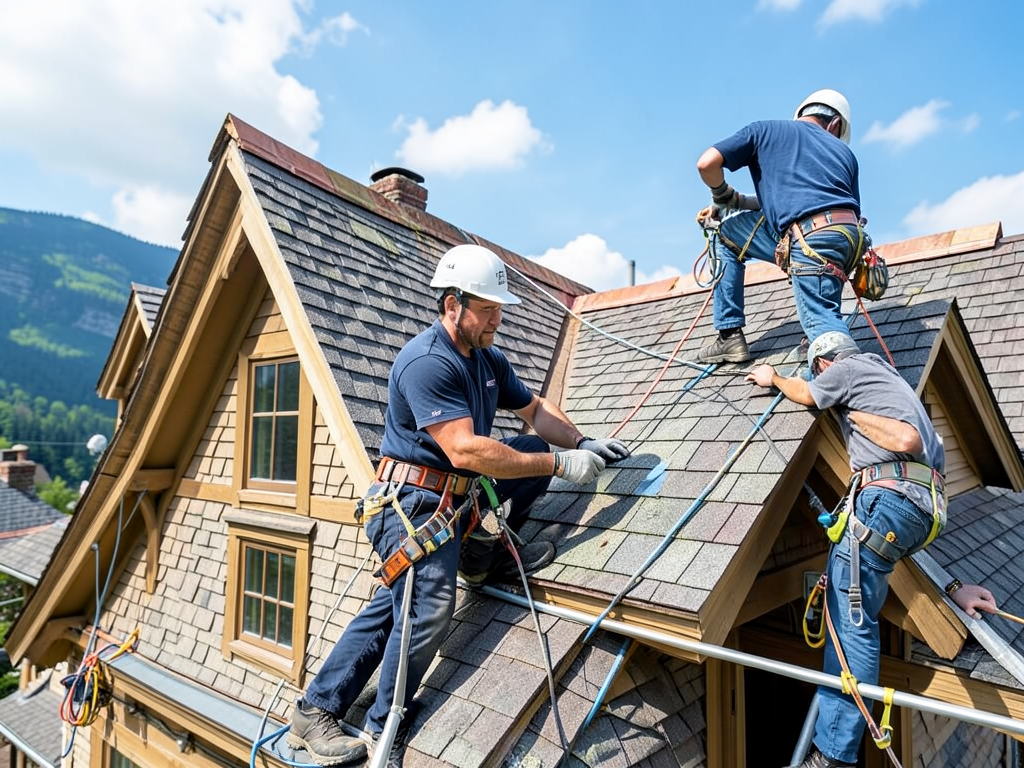
Diagram showing fall protection anchor points on a 10:12 pitch roof with roof jacks and safety harness systems.
Essential Safety Equipment for Steep-Slope Roofing
Working on steep gabled roofs requires equipment that goes far beyond standard roofing tools. The most critical piece is the full-body safety harness system, which must be rated for fall arrest and include shock-absorbing lanyards.
Roof jacks serve as the foundation for safe steep-slope work. These adjustable brackets create stable platforms on pitches exceeding 6:12, allowing workers to move safely while maintaining three points of contact. Each jack must be properly spaced according to manufacturer specifications and local building codes.
Debris netting protects both workers and landscaping below. Mount Washington’s mature trees and ornamental gardens make this protection essential, as falling materials can cause significant damage to property and injury to people below.. Read more about Restoring the Ornamental Roof Details on Victorian Homes in Abell and Waverly.
Specialized scaffolding systems provide additional working platforms for larger projects. These systems must be engineered for the specific roof pitch and weight loads, with proper tie-off points to prevent movement during work.
High-traction footwear with proper tread patterns prevents slips on steep surfaces. Workers need boots designed specifically for roofing applications, not standard work boots that can become dangerously slick on angled surfaces.
Maryland Building Code Requirements for Steep-Slope Work
Maryland’s building codes, specifically the 2021 International Residential Code with Maryland amendments, require specific safety measures for roofs exceeding 4:12 pitch. Section R905.10 mandates that workers on steep-slope roofs must use fall protection systems when working above 6 feet. Maryland Home Improvement Commission.
The Maryland Home Improvement Commission (MHIC) requires all roofing contractors to maintain proper licensing and insurance for steep-slope work. License #XXXXX demonstrates compliance with state safety standards and building code requirements.
Baltimore County, which includes Mount Washington, has additional requirements for historic districts. The Baltimore County Historic Preservation Commission requires that any roof replacement maintain the original pitch and architectural character while meeting modern safety standards. Industrial Roof Replacement.
Local permitting requirements in Mount Washington often include specific conditions for steep-slope work, such as noise restrictions due to the neighborhood’s residential character and requirements for protecting adjacent properties during construction.. Read more about Protecting Your Sidewalk with Snow Guards for Metal Roofs in Westminster.
Labor Requirements and Specialized Training
Steep-slope roofing requires crews with specific certifications and experience. OSHA requires fall protection training every two years, but steep-slope work demands additional specialized training in harness use, anchor point selection, and emergency rescue procedures.
Crews must understand how to work in teams on steep surfaces, with designated spotters and communication protocols. The physical demands of steep-slope work mean crews need higher fitness levels and greater stamina than standard roofing teams.
Experience with specific materials matters significantly. Slate, tile, and architectural shingles each require different installation techniques on steep slopes. Workers must understand how these materials behave under various conditions and how to prevent damage during installation.
Weather considerations become more critical on steep slopes. Wind speeds that might be manageable on a flat roof can become dangerous on steep pitches, requiring crews to monitor conditions continuously and be prepared to stop work if conditions deteriorate.
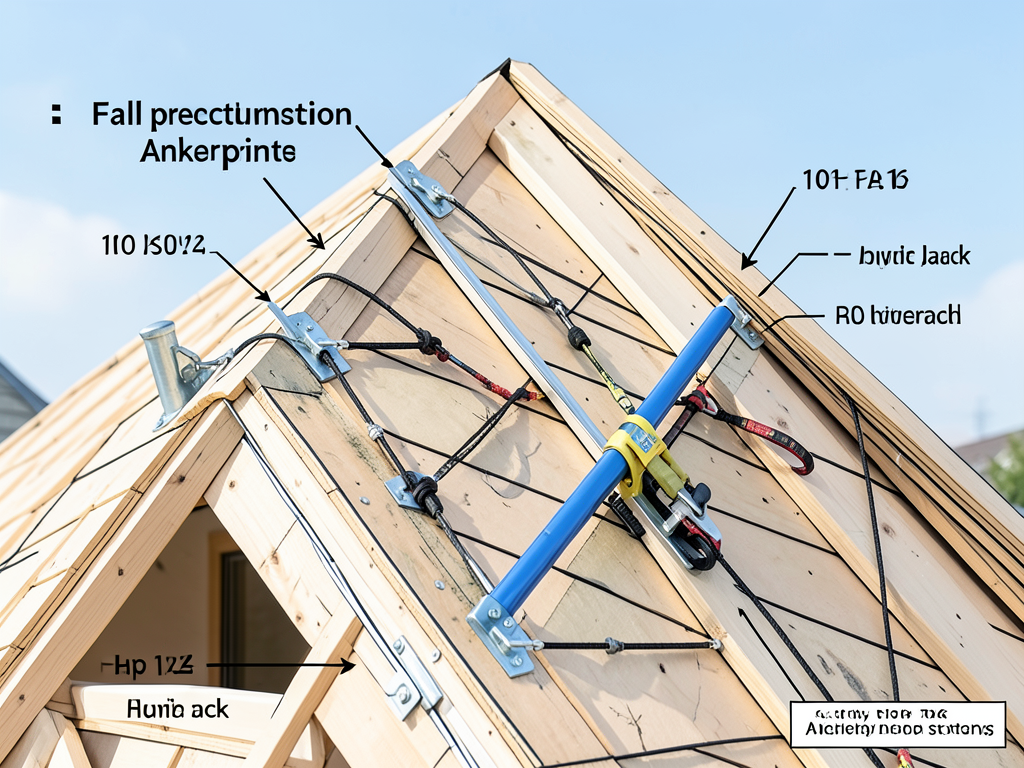
Photo of a roofing crew using proper fall protection equipment on a steep Victorian roof in Mount Washington, showing harness systems and roof jacks in use.
Material Considerations for Steep-Slope Roofs
Not all roofing materials work well on steep slopes. The weight, installation method, and weather resistance of each material must be evaluated for the specific pitch and climate conditions in Mount Washington.
Architectural asphalt shingles remain the most common choice for steep-slope residential roofs in Baltimore. These shingles offer good durability, reasonable cost, and proper installation methods for pitches up to 12:12. However, they require specific underlayment and fastening patterns for steep applications.
Slate roofing, common in Mount Washington’s historic homes, requires specialized installation techniques on steep slopes. Each slate must be properly secured to prevent wind uplift, and the roof must be designed to handle the additional weight of this premium material.
Synthetic slate and composite materials offer alternatives that provide the historic look without the weight concerns. These materials install more quickly on steep slopes but still require proper fastening and underlayment systems.
Metal roofing systems work exceptionally well on steep slopes, offering excellent water shedding and wind resistance. Standing seam metal roofs require specific installation techniques for steep applications, including proper clip spacing and thermal movement allowances. Installing a Metal Roof in Columbia — Is It Worth the Investment?.
Cost Factors for Steep-Slope Roofing Projects
Steep-slope roofing projects in Mount Washington typically cost 30-50% more than comparable standard-pitch roofs. This premium reflects the additional safety equipment, specialized labor, and slower installation speeds required for safe steep-slope work.
Labor costs increase significantly because steep-slope work requires more workers per crew and longer installation times. A crew that might install 100 squares of roofing per day on a standard pitch might only complete 40-50 squares on steep slopes.
Equipment costs include specialized scaffolding, safety systems, and protective materials that must be rented or purchased for each project. These costs are passed through to homeowners but are essential for safe, code-compliant work.
Insurance premiums for steep-slope work are higher due to increased risk, and these costs factor into project pricing. Contractors must maintain specific liability coverage for fall protection and high-angle work.
Permit fees in Baltimore County often include additional inspections for steep-slope work, adding to project costs but ensuring compliance with local building codes and safety standards.
Case Study: Historic Mount Washington Home Roof Replacement
A recent project on Thornhill Road demonstrates the complexity of steep-slope work in Mount Washington. The 1920s Colonial home featured a 10:12 pitch with multiple dormers and a complex valley system.
The project required a six-person crew with specialized steep-slope experience, full fall protection systems for each worker, and custom scaffolding designed for the specific roof geometry. The crew spent two days setting up safety systems before beginning material removal.
Material selection focused on architectural shingles rated for high-wind conditions, with additional underlayment in valley areas and enhanced flashing details around dormers. The project took seven days total, compared to three to four days for a similar-sized standard-pitch roof.
The final cost reflected the specialized nature of the work, coming in at approximately 45% above standard roofing prices. However, the homeowner received a roof system designed to last 25-30 years with proper maintenance, protecting their significant investment in the historic property.
Weather Considerations for Steep-Slope Work in Baltimore
Baltimore’s climate creates specific challenges for steep-slope roofing. Summer heat can make roof surfaces dangerously hot, while winter conditions can create ice formation that makes steep slopes extremely hazardous.
Spring and fall typically offer the best conditions for steep-slope work, with moderate temperatures and lower precipitation levels. However, these seasons also bring higher demand for roofing services, requiring careful scheduling to ensure availability of specialized crews.
Wind considerations become critical on steep slopes. Baltimore experiences frequent wind events, particularly in spring and fall, that can make steep-slope work dangerous. Contractors must monitor weather forecasts continuously and be prepared to halt work if conditions deteriorate.
Rain presents immediate hazards on steep slopes, as wet surfaces become extremely slippery. Most steep-slope projects include contingency plans for weather delays, with crews able to quickly secure partially completed work if unexpected storms develop.
Choosing the Right Contractor for Steep-Slope Work
Not all roofing contractors have the expertise and equipment for steep-slope work. Homeowners should verify specific experience with steep-slope projects, proper licensing and insurance for high-angle work, and availability of specialized safety equipment.
References from similar projects in Mount Washington or other historic Baltimore neighborhoods provide valuable insight into a contractor’s capabilities. Ask specifically about steep-slope experience and request photos of completed projects.
Insurance verification should include confirmation of coverage for fall protection and high-angle work. Standard roofing insurance may not cover the additional risks associated with steep-slope projects.
Permitting expertise matters significantly in Mount Washington, where historic district requirements can complicate roofing projects. Contractors should understand local requirements and be able to navigate the permitting process efficiently.
Communication throughout the project becomes more critical on steep-slope work due to the increased complexity and potential for weather delays. Choose contractors who provide detailed project timelines and maintain regular communication about progress and any issues that arise.
Maintenance Considerations for Steep-Slope Roofs
Steep-slope roofs generally require less maintenance than flat roofs, but the maintenance that is required must be performed by professionals with steep-slope experience. DIY maintenance on steep roofs is extremely dangerous and should never be attempted.
Annual inspections should focus on flashing details, particularly around chimneys, dormers, and valleys where steep slopes create additional stress on roofing materials. These areas require careful examination to prevent water infiltration.
Gutter maintenance becomes more critical on steep slopes, as the increased water velocity can overwhelm standard gutter systems. Proper sizing and installation of gutters and downspouts prevents water damage to the home’s foundation and landscaping.
Tree management around steep-slope homes requires special attention. Overhanging branches can damage roofing materials during storms, and falling leaves can accumulate in valley areas, creating water damming issues.
Ventilation considerations become more important on steep slopes, as the increased attic space and air volume require proper airflow to prevent moisture buildup and extend roof life.
Frequently Asked Questions
How much more does steep-slope roofing cost compared to standard roofs?
Steep-slope roofing typically costs 30-50% more than standard-pitch roofs due to specialized equipment, additional safety requirements, and slower installation speeds. The exact premium depends on roof complexity, material selection, and specific safety requirements.
Can any roofing contractor work on steep slopes?
No, steep-slope work requires specialized training, equipment, and insurance. Contractors must have OSHA fall protection certification, experience with steep-slope materials, and proper licensing for high-angle work. Always verify specific steep-slope experience before hiring.
How long does a steep-slope roof replacement take?
Steep-slope projects typically take 50-75% longer than standard-pitch roofs of similar size. A crew might need 7-10 days for a steep-slope replacement that would take 3-4 days on a standard roof, depending on weather and project complexity.
Protect Your Mount Washington Home with Expert Steep-Slope Roofing
Steep gabled roofs in Mount Washington require specialized knowledge, equipment, and safety protocols that only experienced contractors can provide. The combination of Baltimore’s historic architecture, challenging terrain, and strict building codes means homeowners need professionals who understand these unique requirements.. Read more about Restoring the Unique Mansard Roofs of Bolton Hill Historic District.
Don’t risk your home or safety with contractors who lack steep-slope experience. The additional cost of specialized work provides peace of mind and ensures your roof will protect your home for decades to come.
Call (443) 455-9099 today to schedule your steep-slope roof inspection or replacement consultation. Our experienced crews have the training, equipment, and insurance to handle even the most challenging Mount Washington roofing projects safely and professionally.
Pick up the phone and call (443) 455-9099 before the next storm hits. Your steep-slope roof deserves expert care from contractors who understand Baltimore’s unique roofing challenges.
You may also find this helpful. DaVinci Roofscapes vs Natural Slate for Historic Homes in Lutherville.
{
“@context”: “https://schema.org”,
“@type”: “BlogPosting”,
“headline”: “Why Steep Gabled Roofs in Mount Washington Require Special Safety Equipment and Labor”,
“description”: “Steep gabled roofs in Mount Washington demand specialized safety gear and trained crews. Learn why these historic Baltimore homes require extra care and equipment.”,
“wordCount”: 2105,
“datePublished”: “2026-06-10T11:30:00.000Z”,
“dateModified”: “2026-06-10T11:30:00.000Z”,
“inLanguage”: “en-US”,
“mainEntityOfPage”: {
“@type”: “WebPage”,
“@id”: “https://aplusroofingbaltimore.com”
},
“publisher”: {
“@type”: “LocalBusiness”,
“name”: “A Plus Roofing Baltimore”,
“url”: “https://aplusroofingbaltimore.com”
},
“author”: {
“@type”: “Organization”,
“name”: “A Plus Roofing Baltimore”,
“url”: “https://aplusroofingbaltimore.com”
},
“image”: {
“@type”: “ImageObject”,
“url”: “https://aplusroofingbaltimore.com/wp-content/uploads/2026/03/why-steep-gabled-roofs-in-mount-washington-require-1.png”
}
}
{
“@context”: “https://schema.org”,
“@type”: “RoofingContractor”,
“name”: “A Plus Roofing Baltimore”,
“url”: “https://aplusroofingbaltimore.com”,
“address”: {
“@type”: “PostalAddress”,
“addressLocality”: “Baltimore”
},
“areaServed”: {
“@type”: “City”,
“name”: “Baltimore”
}
}
{
“@context”: “https://schema.org”,
“@type”: “FAQPage”,
“mainEntity”: [
{
“@type”: “Question”,
“name”: “How much more does steep-slope roofing cost compared to standard roofs?”,
“acceptedAnswer”: {
“@type”: “Answer”,
“text”: “Steep-slope roofing typically costs 30-50% more than standard-pitch roofs due to specialized equipment, additional safety requirements, and slower installation speeds. The exact premium depends on roof complexity, material selection, and specific safety requirements.”
}
},
{
“@type”: “Question”,
“name”: “Can any roofing contractor work on steep slopes?”,
“acceptedAnswer”: {
“@type”: “Answer”,
“text”: “No, steep-slope work requires specialized training, equipment, and insurance. Contractors must have OSHA fall protection certification, experience with steep-slope materials, and proper licensing for high-angle work. Always verify specific steep-slope experience before hiring.”
}
},
{
“@type”: “Question”,
“name”: “How long does a steep-slope roof replacement take?”,
“acceptedAnswer”: {
“@type”: “Answer”,
“text”: “Steep-slope projects typically take 50-75% longer than standard-pitch roofs of similar size. A crew might need 7-10 days for a steep-slope replacement that would take 3-4 days on a standard roof, depending on weather and project complexity.”
}
}
]
}
{
“@context”: “https://schema.org”,
“@type”: “BreadcrumbList”,
“itemListElement”: [
{
“@type”: “ListItem”,
“position”: 1,
“name”: “Home”,
“item”: “https://aplusroofingbaltimore.com”
},
{
“@type”: “ListItem”,
“position”: 2,
“name”: “Blog”,
“item”: “https://aplusroofingbaltimore.com/blog”
},
{
“@type”: “ListItem”,
“position”: 3,
“name”: “Why Steep Gabled Roofs in Mount Washington Require Special Safety Equipment and Labor”
}
]
}
{
“@context”: “https://schema.org”,
“@type”: “Service”,
“serviceType”: “Roofing”,
“provider”: {
“@type”: “LocalBusiness”,
“name”: “A Plus Roofing Baltimore”,
“url”: “https://aplusroofingbaltimore.com”
},
“areaServed”: {
“@type”: “City”,
“name”: “Baltimore”
},
“description”: “Steep gabled roofs in Mount Washington demand specialized safety gear and trained crews. Learn why these historic Baltimore homes require extra care and equipment.”
}