
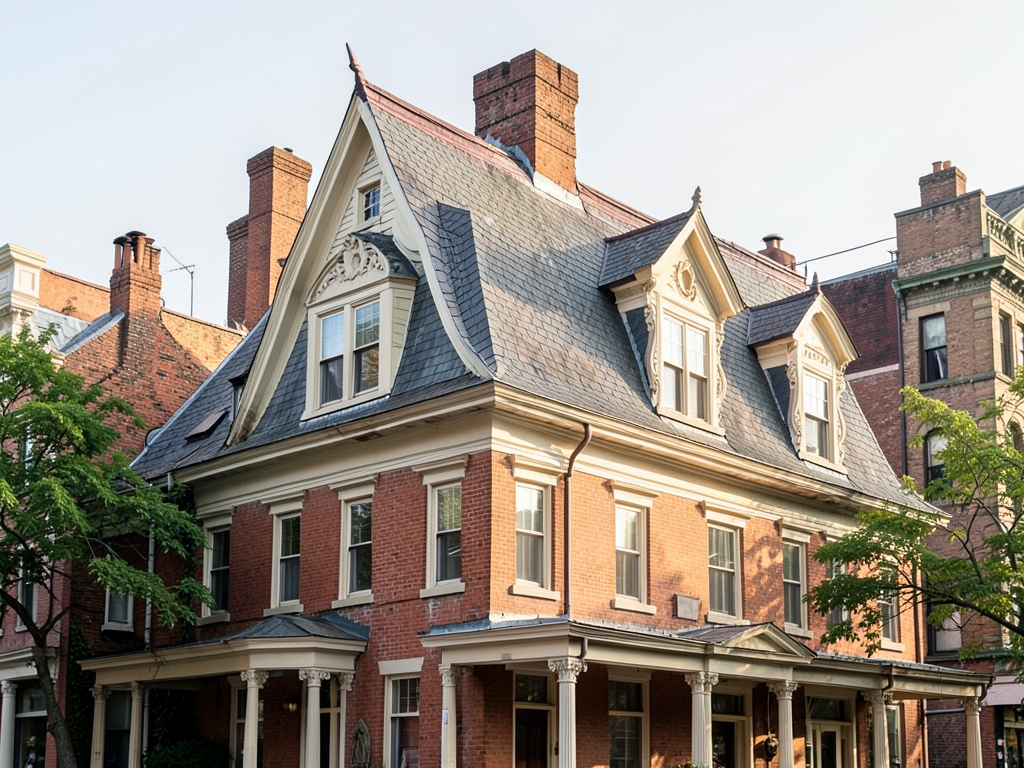
Restoring the Unique Mansard Roofs of Bolton Hill Historic District
The mansard roofs that crown many of Bolton Hill’s historic Victorian homes are architectural treasures that require specialized knowledge and careful preservation techniques. These distinctive dual-pitched roofs with their steep lower slopes and decorative dormers are not just beautiful but also complex systems that demand expert attention when restoration becomes necessary.
Located just northwest of Baltimore’s downtown, Bolton Hill’s historic district contains one of the city’s finest collections of late 19th-century architecture. The neighborhood’s mansard roofs face unique challenges from Baltimore’s humid subtropical climate, including moisture damage, ice dam formation, and the deterioration of original materials. Understanding these specific challenges is essential for any restoration project in this landmark district. Baltimore City Commission for Historical and Architectural Preservation.
Understanding Baltimore’s Mansard Roof Architecture
Mansard roofs in Bolton Hill typically feature a steep lower slope of 70 degrees or more and a much shallower upper slope. This distinctive profile creates additional living space in the attic while providing the decorative flourish characteristic of Second Empire and Italianate Victorian architecture. The lower slope often incorporates elaborate dormer windows with pediments, arches, or decorative surrounds that add to the roof’s visual complexity.
The construction of these historic roofs presents specific diagnostic challenges. During a typical inspection, our technicians use moisture meters at multiple depths to detect water infiltration that may not be visible from the surface. The steep pitch and multiple valleys create numerous potential failure points where water can penetrate the roofing system. We also examine the structural integrity of the underlying framework, as many of these roofs are over 100 years old and may have experienced gradual deterioration. Weekend Roofing Service.
Common issues we encounter in Bolton Hill mansard roofs include:
- Flashing deterioration at dormer windows and valleys
- Ice dam formation during winter freeze-thaw cycles
- Water damage to the decorative wooden elements
- Structural sagging in the lower slope due to age
- Improper previous repairs that don’t match historical specifications
Each of these issues requires a specific diagnostic approach and restoration technique that respects both the architectural integrity and the building’s historical significance.
Navigating Baltimore’s Historic Preservation Requirements
Restoring a mansard roof in Bolton Hill requires compliance with the Baltimore City Commission for Historical and Architectural Preservation (CHAP) guidelines. These regulations ensure that any exterior modifications maintain the historical character of the district while incorporating modern weatherproofing and structural improvements. Flat Roof Repair for Baltimore Rowhouses — What Every Homeowner in Canton Needs to Know.
The CHAP review process typically requires detailed drawings and material specifications before any work can begin. Our team has extensive experience preparing these submissions and coordinating with CHAP staff to ensure approvals proceed smoothly. We understand the specific requirements for mansard roofs, including the need to match original materials, maintain historical color schemes, and preserve decorative elements.
For mansard roofs, CHAP guidelines specifically address:
- Material authenticity for replacement shingles or tiles
- Preservation of original dormer window configurations
- Restoration of decorative brackets and cornices
- Integration of modern waterproofing without visible alterations
- Maintenance of historical drainage patterns
Working within these constraints requires both technical expertise and a deep understanding of historical architecture. Our team includes specialists who have completed CHAP-approved projects throughout Baltimore’s historic districts.. Read more about What Baltimore City Homeowners Need to Know About Roofing Permits and Inspections.
Material Options for Mansard Roof Restoration
Selecting the appropriate materials for mansard roof restoration involves balancing historical accuracy, durability, and cost considerations. The original materials used in Bolton Hill’s mansard roofs were typically wood shingles, slate, or metal, each with distinct maintenance requirements and lifespans. Installing a Metal Roof in Columbia — Is It Worth the Investment?.
Wood shingles remain a popular choice for historical accuracy but require significant maintenance in Baltimore’s humid climate. They typically last 20-30 years with proper care but are susceptible to moisture damage and insect infestation. Modern pressure-treated wood shingles offer improved durability while maintaining the traditional appearance.
Slate provides exceptional longevity, often lasting 75-100 years or more. The natural stone resists Baltimore’s weather extremes and maintains its appearance over decades. However, slate is heavy and requires a strong underlying structure, which may need reinforcement in older homes. The cost is also significantly higher than other options.
Modern synthetic materials have emerged as alternatives that can mimic the appearance of traditional materials while offering improved performance. Synthetic slate and composite shingles can match the visual characteristics of natural materials while providing better impact resistance and lighter weight. These materials often carry 40-50 year warranties and can be more cost-effective than natural slate.
The following comparison table outlines the key characteristics of each material option:
| Material Type | Lifespan (years) | Cost per Square | Historical Accuracy | Maintenance Requirements |
|---|---|---|---|---|
| Natural Slate | 75-100+ | $$$-$$$$ | Excellent | Low |
| Wood Shingles | 20-30 | $$-$$$ | Excellent | High |
| Synthetic Slate | 40-50 | $$$-$$$$ | Good | Very Low |
| Composite Shingles | 30-40 | $$-$$$ | Fair | Low |
The choice of material significantly impacts both the restoration timeline and the long-term maintenance requirements. We work with each homeowner to determine the best option based on their specific roof condition, budget constraints, and preservation goals.
Our Specialized Mansard Roof Restoration Process
Our restoration process for mansard roofs in Bolton Hill follows a systematic approach that ensures both structural integrity and historical preservation. We begin with a comprehensive assessment that includes detailed photography, moisture mapping, and structural evaluation. This diagnostic phase identifies all areas requiring attention and helps us develop an accurate restoration plan.
The restoration process typically follows these steps:
- Initial Assessment and Documentation
We conduct a thorough inspection using thermal imaging to detect moisture intrusion, drone photography for complete roof documentation, and structural analysis to identify any underlying issues. This phase includes creating detailed measurements and material specifications.
- CHAP Application and Approval
We prepare comprehensive documentation including historical research, material samples, and restoration plans for CHAP review. Our experience with this process helps ensure approvals are obtained efficiently.
- Structural Preparation
Before installing new roofing materials, we address any structural issues including replacing rotted decking, reinforcing rafters, and ensuring proper ventilation. This step is critical for the longevity of the restoration.. Read more about The Best Way to Handle Roof Ventilation for Rowhouses with No Overhangs.
- Material Installation
We install new roofing materials following manufacturer specifications and historical patterns. This includes proper flashing installation at dormers, valleys, and chimneys to prevent future water infiltration.
- Finishing and Detailing
The final phase involves installing decorative elements, ensuring proper drainage, and conducting a comprehensive quality inspection. We also provide maintenance guidance to homeowners.
Throughout the process, we maintain strict adherence to both building codes and historical preservation standards. Our team includes craftsmen with specific experience in historical restoration techniques, ensuring that all work meets the highest standards of quality and authenticity.
Common Mansard Roof Problems in Baltimore’s Climate
Baltimore’s climate creates specific challenges for mansard roofs that require targeted solutions. The combination of high humidity, frequent rainfall, and occasional severe storms can accelerate deterioration of roofing materials and underlying structures.
Ice dam formation represents one of the most significant winter hazards for mansard roofs. When snow melts on the upper, warmer portion of the roof and refreezes at the colder eaves, it creates ice dams that force water under shingles and into the home. Our restoration process includes installing proper ice and water shields and ensuring adequate attic ventilation to minimize this risk.
Moisture infiltration through flashing joints is another common issue. The complex geometry of mansard roofs creates numerous joints where flashing must be installed. Over time, these joints can deteriorate, especially in Baltimore’s humid environment. We use modern flashing techniques and materials that provide superior protection while maintaining the historical appearance.
Dormer window leaks often develop due to improper sealing or deteriorated flashing. The intersection between the dormer wall and the roof surface creates a vulnerable point that requires careful attention during restoration. We use specialized techniques to ensure these critical areas remain watertight for decades.
Structural issues may develop over time as the original framing members age. The steep pitch of mansard roofs places significant loads on the underlying structure, and any deterioration can lead to sagging or failure. Our restoration process includes structural assessment and reinforcement when necessary to ensure the roof’s long-term stability.
The following diagnostic techniques help identify these common problems:
- Infrared scanning to detect moisture patterns
- Core sampling to assess material condition
- Load testing of structural members
- Flashing integrity testing using specialized equipment
- Ventilation assessment to identify moisture issues
These diagnostic tools allow us to identify problems before they become severe and develop targeted restoration strategies.
Cost Factors and Investment Considerations
Restoring a mansard roof in Bolton Hill represents a significant investment, but one that preserves both the home’s value and its historical character. The cost varies considerably based on the roof’s condition, the chosen materials, and the extent of restoration required.
Several factors influence the overall cost:
- Roof size and complexity of the mansard design
- Extent of structural repairs needed
- Material selection and quality
- CHAP approval requirements and documentation
- Accessibility and staging requirements
- Seasonal timing and weather considerations
While specific pricing is difficult to provide without a detailed assessment, restoration projects typically range from $15,000 to $75,000 or more for larger, more complex roofs. The investment often pays dividends through increased property value, improved energy efficiency, and the preservation of a historical landmark.
Many homeowners find that the restoration cost is offset by:
- Increased property values in historic districts
- Reduced energy costs through improved insulation
- Elimination of ongoing leak repairs and water damage
- Potential tax benefits for historical preservation
- Enhanced curb appeal and neighborhood character
We provide detailed cost estimates that break down each component of the restoration, allowing homeowners to make informed decisions about their investment. Our estimates include all necessary permits, materials, labor, and warranty coverage.
Maintenance Guidelines for Mansard Roof Longevity
Proper maintenance extends the life of a restored mansard roof and prevents costly repairs. Baltimore’s climate requires specific maintenance practices that address the unique challenges of mansard roofs.
Annual inspections should focus on:
- Checking flashing joints for signs of separation or deterioration
- Examining dormer window seals and surrounds
- Cleaning gutters and downspouts to ensure proper drainage
- Inspecting the roof surface for damaged or missing shingles
- Checking attic ventilation for proper airflow
Seasonal maintenance should include:
- Spring: Cleaning debris from roof valleys and checking for winter damage
- Summer: Inspecting for heat-related issues and ensuring proper ventilation
- Fall: Clearing leaves and preparing for winter weather
- Winter: Monitoring for ice dam formation and addressing snow accumulation
Professional maintenance every 3-5 years should include:
- Comprehensive roof inspection with moisture testing
- Flashing and seal evaluation
- Cleaning of roof surfaces and removal of biological growth
- Minor repairs to prevent escalation of issues
- Documentation of roof condition for insurance purposes
Following these maintenance guidelines helps protect your investment and ensures your mansard roof continues to enhance your home’s beauty and value for decades to come.
Frequently Asked Questions
How long does a mansard roof restoration typically take?
Most mansard roof restorations in Bolton Hill take between 2-4 weeks, depending on the roof’s size, complexity, and weather conditions. The CHAP approval process can add 2-6 weeks before work begins.
Can I stay in my home during the restoration?
Yes, most homeowners remain in their homes during restoration. However, there will be noise and some disruption. We work to minimize inconvenience and maintain safe access to your home throughout the project.
Will my restored mansard roof look exactly like the original?
Our goal is to restore your roof to its original appearance while incorporating modern improvements. We match original materials, colors, and patterns as closely as possible while ensuring superior weather protection and durability.
What permits are required for mansard roof restoration in Bolton Hill?
Restoration requires both standard building permits and CHAP approval for any visible exterior work. We handle all permit applications and coordinate with city officials throughout the process.
How do I know if my mansard roof needs restoration versus repair?
Extensive water damage, multiple active leaks, structural sagging, or original materials reaching the end of their lifespan typically indicate restoration is needed. We provide honest assessments to help you make the right decision.
Does mansard roof restoration qualify for any tax benefits?
Historical preservation work may qualify for federal and state tax credits. We can provide documentation for tax purposes and recommend consulting with a tax professional about available benefits. Why Your Federal Hill Flat Roof is Leaking and How to Fix It for Good.
[IMAGE_PLACEHOVER_1]
Diagram showing the dual-pitch structure of a mansard roof with labeled components including the steep lower slope, shallow upper slope, dormer windows, and decorative elements typical of Bolton Hill Victorian homes.
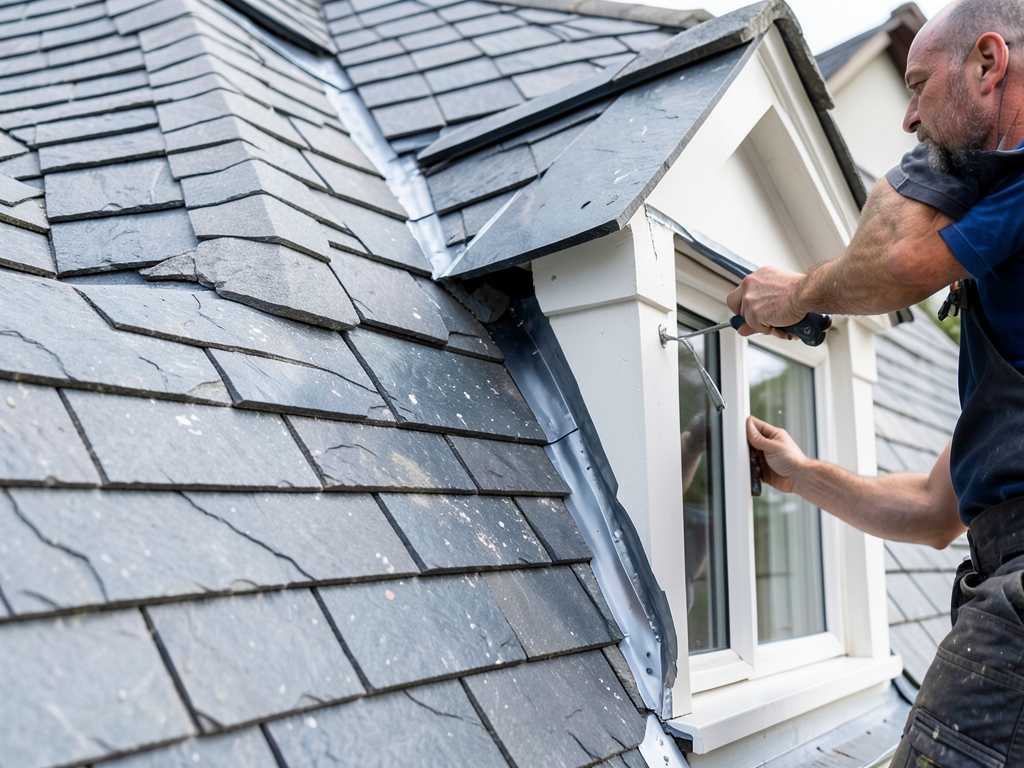
Before and after comparison of a mansard roof restoration in Bolton Hill, showing the replacement of deteriorated wood shingles with historically accurate materials while maintaining the original architectural details. Industrial Roof Replacement.
Close-up detail of dormer window flashing installation on a mansard roof, demonstrating the specialized techniques used to ensure watertight seals while preserving historical appearance.
Protecting Baltimore’s Architectural Heritage
The mansard roofs of Bolton Hill represent more than just building components; they are integral parts of Baltimore’s architectural heritage. Each restoration project we complete helps preserve this unique character for future generations while providing homeowners with roofs that offer superior protection and performance.
Our commitment to historical accuracy, combined with modern restoration techniques, ensures that each mansard roof we restore maintains its original beauty while meeting contemporary standards for durability and energy efficiency. We understand that these roofs are not just structures but pieces of living history that deserve careful preservation.
If you own a home in Bolton Hill with a mansard roof that needs attention, don’t wait until minor issues become major problems. The sooner we can assess your roof’s condition, the more options we can provide for restoration that fits your budget and preservation goals.
Call (443) 455-9099 today to schedule your comprehensive mansard roof assessment. Our specialists will evaluate your roof’s condition, discuss restoration options, and provide a detailed plan that preserves your home’s historical character while ensuring years of reliable protection.
Pick up the phone and call (443) 455-9099 before the next storm hits. Your mansard roof deserves expert care from professionals who understand both the technical requirements and the historical significance of these architectural treasures. For more information, visit National Park Service Preservation Brief on Roofing for Historic Buildings.
{
“@context”: “https://schema.org”,
“@type”: “BlogPosting”,
“headline”: “Restoring the Unique Mansard Roofs of Bolton Hill Historic District”,
“description”: “Expert mansard roof restoration in Baltimore’s historic Bolton Hill district. Learn about preservation requirements, material options, and specialized repair techniques for these iconic Victorian roofs.”,
“wordCount”: 2360,
“datePublished”: “2026-05-21T06:40:00.000Z”,
“dateModified”: “2026-05-21T06:40:00.000Z”,
“inLanguage”: “en-US”,
“mainEntityOfPage”: {
“@type”: “WebPage”,
“@id”: “https://aplusroofingbaltimore.com”
},
“publisher”: {
“@type”: “LocalBusiness”,
“name”: “A Plus Roofing Baltimore”,
“url”: “https://aplusroofingbaltimore.com”
},
“author”: {
“@type”: “Organization”,
“name”: “A Plus Roofing Baltimore”,
“url”: “https://aplusroofingbaltimore.com”
},
“image”: {
“@type”: “ImageObject”,
“url”: “https://aplusroofingbaltimore.com/wp-content/uploads/2026/03/restoring-the-unique-mansard-roofs-of-bolton-hill-1.png”
}
}
{
“@context”: “https://schema.org”,
“@type”: “RoofingContractor”,
“name”: “A Plus Roofing Baltimore”,
“url”: “https://aplusroofingbaltimore.com”,
“address”: {
“@type”: “PostalAddress”,
“addressLocality”: “Baltimore”
},
“areaServed”: {
“@type”: “City”,
“name”: “Baltimore”
}
}
{
“@context”: “https://schema.org”,
“@type”: “FAQPage”,
“mainEntity”: [
{
“@type”: “Question”,
“name”: “How long does a mansard roof restoration typically take?”,
“acceptedAnswer”: {
“@type”: “Answer”,
“text”: “Most mansard roof restorations in Bolton Hill take between 2-4 weeks, depending on the roof’s size, complexity, and weather conditions. The CHAP approval process can add 2-6 weeks before work begins.”
}
},
{
“@type”: “Question”,
“name”: “Can I stay in my home during the restoration?”,
“acceptedAnswer”: {
“@type”: “Answer”,
“text”: “Yes, most homeowners remain in their homes during restoration. However, there will be noise and some disruption. We work to minimize inconvenience and maintain safe access to your home throughout the project.”
}
},
{
“@type”: “Question”,
“name”: “Will my restored mansard roof look exactly like the original?”,
“acceptedAnswer”: {
“@type”: “Answer”,
“text”: “Our goal is to restore your roof to its original appearance while incorporating modern improvements. We match original materials, colors, and patterns as closely as possible while ensuring superior weather protection and durability.”
}
},
{
“@type”: “Question”,
“name”: “What permits are required for mansard roof restoration in Bolton Hill?”,
“acceptedAnswer”: {
“@type”: “Answer”,
“text”: “Restoration requires both standard building permits and CHAP approval for any visible exterior work. We handle all permit applications and coordinate with city officials throughout the process.”
}
},
{
“@type”: “Question”,
“name”: “How do I know if my mansard roof needs restoration versus repair?”,
“acceptedAnswer”: {
“@type”: “Answer”,
“text”: “Extensive water damage, multiple active leaks, structural sagging, or original materials reaching the end of their lifespan typically indicate restoration is needed. We provide honest assessments to help you make the right decision.”
}
},
{
“@type”: “Question”,
“name”: “Does mansard roof restoration qualify for any tax benefits?”,
“acceptedAnswer”: {
“@type”: “Answer”,
“text”: “Historical preservation work may qualify for federal and state tax credits. We can provide documentation for tax purposes and recommend consulting with a tax professional about available benefits. Why Your Federal Hill Flat Roof is Leaking and How to Fix It for Good.”
}
}
]
}
{
“@context”: “https://schema.org”,
“@type”: “HowTo”,
“name”: “Mansard Roof Restoration Process”,
“step”: [
{
“@type”: “HowToStep”,
“position”: 1,
“name”: “Initial Assessment and Documentation”,
“text”: “We conduct a thorough inspection using thermal imaging to detect moisture intrusion, drone photography for complete roof documentation, and structural analysis to identify any underlying issues. This phase includes creating detailed measurements and material specifications.”
},
{
“@type”: “HowToStep”,
“position”: 2,
“name”: “CHAP Application and Approval”,
“text”: “We prepare comprehensive documentation including historical research, material samples, and restoration plans for CHAP review. Our experience with this process helps ensure approvals are obtained efficiently.”
},
{
“@type”: “HowToStep”,
“position”: 3,
“name”: “Structural Preparation”,
“text”: “Before installing new roofing materials, we address any structural issues including replacing rotted decking, reinforcing rafters, and ensuring proper ventilation. This step is critical for the longevity of the restoration.”
},
{
“@type”: “HowToStep”,
“position”: 4,
“name”: “Material Installation”,
“text”: “We install new roofing materials following manufacturer specifications and historical patterns. This includes proper flashing installation at dormers, valleys, and chimneys to prevent future water infiltration.”
},
{
“@type”: “HowToStep”,
“position”: 5,
“name”: “Finishing and Detailing”,
“text”: “The final phase involves installing decorative elements, ensuring proper drainage, and conducting a comprehensive quality inspection. We also provide maintenance guidance to homeowners.”
}
],
“image”: “https://aplusroofingbaltimore.com/wp-content/uploads/2026/03/restoring-the-unique-mansard-roofs-of-bolton-hill-1.png”
}
{
“@context”: “https://schema.org”,
“@type”: “BreadcrumbList”,
“itemListElement”: [
{
“@type”: “ListItem”,
“position”: 1,
“name”: “Home”,
“item”: “https://aplusroofingbaltimore.com”
},
{
“@type”: “ListItem”,
“position”: 2,
“name”: “Blog”,
“item”: “https://aplusroofingbaltimore.com/blog”
},
{
“@type”: “ListItem”,
“position”: 3,
“name”: “Restoring the Unique Mansard Roofs of Bolton Hill Historic District”
}
]
}
{
“@context”: “https://schema.org”,
“@type”: “Service”,
“serviceType”: “Roofing”,
“provider”: {
“@type”: “LocalBusiness”,
“name”: “A Plus Roofing Baltimore”,
“url”: “https://aplusroofingbaltimore.com”
},
“areaServed”: {
“@type”: “City”,
“name”: “Baltimore”
},
“description”: “Expert mansard roof restoration in Baltimore’s historic Bolton Hill district. Learn about preservation requirements, material options, and specialized repair techniques for these iconic Victorian roofs.”
}