menu

Condensation & Moisture Issues in Baltimore – Expert Diagnosis & Permanent Fixes

Baltimore homes face unique moisture challenges from Chesapeake Bay humidity and temperature swings. We diagnose condensation and moisture issues at the source and deliver lasting repairs that protect your investment.

Slider Image 1
Slider Image 2
Slider Image 3
Slider Image 4
Slider Image 5
Slider Image 7
Slider Image 8
Slider Image 9
Slider Image 10
Slider Image 11

Why Baltimore Roofs Trap Moisture Year-Round

Baltimore sits between the humid Chesapeake Bay and the Appalachian foothills. This geography creates the perfect storm for roof sweating and attic moisture buildup. Winter brings freeze-thaw cycles that stress roof membranes. Spring and summer deliver humid air that collides with cool attic spaces. Fall temperature swings repeat the cycle.

You might notice water stains on your ceiling in Canton or Fells Point. Maybe you see mold patches in your attic in Mount Vernon or Hampden. These symptoms point to roof space condensation that most homeowners miss until damage spreads.

Baltimore's historic rowhomes and older construction amplify the problem. Many attics lack proper ventilation. Original roof decking was installed without vapor barriers. Heat from your living space rises and meets cold roof surfaces in winter. The result is trapped moisture in roof assemblies that breeds mold, rots wood, and destroys insulation.

The problem gets worse in neighborhoods near the harbor. Salty air accelerates corrosion on metal components. High humidity increases the dew point. Your attic becomes a condensation factory.

Roof dampness does not fix itself. Every day you wait, moisture penetrates deeper into structural wood. Insulation loses R-value. Energy bills climb. Health risks multiply as mold spores spread through HVAC systems.

The first step is understanding what causes condensation in your specific home. Temperature differential, air leaks, ventilation failures, and insulation gaps all contribute. Baltimore's climate makes these issues worse than they would be in drier regions.

Why Baltimore Roofs Trap Moisture Year-Round
How We Solve Moisture Problems at the Source

How We Solve Moisture Problems at the Source

Most contractors slap a coat of paint over water stains and call it fixed. That approach fails because it ignores the physics of moisture movement.

We start with thermal imaging to map temperature differentials across your roof deck and attic floor. Cold spots reveal where warm air escapes and condenses. Moisture meters measure water content in wood framing and sheathing. We calculate dew points based on Baltimore's seasonal humidity ranges.

Next we trace air pathways. Recessed lighting, plumbing penetrations, and unsealed top plates leak warm air into attic spaces. These leaks carry moisture vapor that condenses on cold surfaces. We pressurize your home with a blower door to find every gap.

Ventilation assessment comes next. We measure intake and exhaust capacity. Many Baltimore homes have blocked soffit vents or inadequate ridge venting. Poor airflow traps humid air. We calculate the net free ventilation area your roof assembly requires based on attic square footage.

The solution combines air sealing, insulation upgrades, and ventilation balancing. We seal air leaks with fire-rated foam and caulk. We install baffles to maintain airflow channels between rafters. We add intake vents at soffits and exhaust vents at the ridge. This creates continuous airflow that removes moisture before condensation occurs.

For severe cases, we install vapor barriers on the warm side of insulation. We upgrade attic insulation to maintain consistent temperatures. We may add mechanical ventilation if passive systems prove insufficient.

The goal is simple. Keep warm, humid air out of your attic. Ventilate away any moisture that does enter. Maintain roof deck temperatures above the dew point. This eliminates condensation permanently.

Your Moisture Elimination Process

Condensation & Moisture Issues in Baltimore – Expert Diagnosis & Permanent Fixes
01

Comprehensive Moisture Audit

We inspect your attic, roof deck, and living spaces with thermal cameras and moisture meters. This diagnostic phase maps exactly where condensation forms and identifies contributing factors like inadequate ventilation, air leaks, or insulation failures. You receive documentation showing moisture levels, temperature patterns, and problem areas with photographic evidence.
02

Targeted Remediation Work

We execute repairs based on diagnostic findings. This includes air sealing penetrations, installing ventilation baffles, upgrading attic insulation, adding intake and exhaust vents, and treating affected wood with antimicrobial solutions. We replace damaged sheathing if moisture has compromised structural integrity. Every intervention targets root causes rather than surface symptoms.
03

Verification and Prevention Plan

After remediation, we re-test moisture levels and airflow patterns to confirm the problem is resolved. You receive a maintenance plan outlining seasonal inspections and ventilation checks. We document baseline conditions so future moisture intrusion can be detected early. This verification ensures your investment delivers lasting protection against Baltimore's humidity challenges.

Why Baltimore Homeowners Choose A Plus Roofing Baltimore

Baltimore's building codes and climate demand specialized knowledge. We understand how moisture behaves in rowhomes with shared party walls. We know which historic districts require specific repair approaches. We work within Baltimore City code requirements for ventilation ratios and fire-rated materials.

Our experience with local architecture matters. Federal Hill brownstones have different moisture patterns than Guilford colonials. Hampden bungalows face unique challenges compared to Towson split-levels. We have solved condensation problems in every neighborhood from Locust Point to Pikesville.

We use diagnostic tools that reveal hidden problems. Thermal imaging shows temperature patterns invisible to the naked eye. Moisture meters quantify water content in building materials. Blower door testing measures air leakage rates. This equipment investment separates professional diagnosis from guesswork.

Our solutions balance building science with practical construction. We understand vapor permeability, R-values, and psychrometric charts. We also know how to install vents without violating roof warranties or compromising weather resistance. Theory means nothing without proper execution.

We stock materials suited to Baltimore's climate. Ventilation products designed for hot, dry climates fail here. We use intake vents that resist wind-driven rain. We install exhaust vents sized for high humidity loads. We choose insulation products with appropriate vapor retarders.

A Plus Roofing Baltimore focuses exclusively on roofing and attic systems. We do not spread thin across multiple trades. This specialization means we stay current on moisture control techniques, ventilation standards, and insulation technologies. Your roof is not a side project for us.

You receive written documentation of all findings, repairs, and recommendations. This record protects your home's value and provides guidance for future maintenance.

What to Expect Working with Us

Diagnostic Timeline

Initial moisture audits typically require two to three hours depending on home size and attic accessibility. We schedule inspections within three business days of your call. You receive a detailed diagnostic report within 48 hours showing moisture readings, thermal images, and specific problem areas. Repair scheduling depends on scope but most moisture remediation projects start within one week. Emergency situations involving active leaks receive priority response.

The Inspection Process

Our moisture audit begins with an interview about symptoms you have noticed. We examine interior spaces for water stains, mold growth, or musty odors. We then inspect the attic, measuring temperature, humidity, and moisture content in wood framing. Thermal imaging identifies air leaks and cold spots. We assess ventilation capacity and insulation condition. You accompany us through the process and we explain findings in real time.

Long-Term Results

Properly executed moisture control delivers dry attics year-round. You will notice lower energy bills as insulation performs correctly. Indoor air quality improves as mold sources disappear. Structural wood remains stable without rot progression. Roof membranes last longer without moisture stress. The solutions we install address root causes, preventing recurrence. Most homeowners report complete elimination of visible condensation, water stains, and musty odors within the first season.

Post-Repair Support

We provide a detailed maintenance schedule outlining seasonal inspection points. This includes checking ventilation openings for blockages, monitoring attic humidity levels during humid months, and verifying insulation remains properly positioned. We offer annual inspection services to catch potential issues before they become problems. You receive our direct contact information for questions about moisture patterns or unusual conditions. Our goal is equipping you to maintain the dry, healthy attic our repairs create.

Frequently Asked Questions

You Have Questions,
We Have Answers

How do you fix excessive condensation? +

Fix excessive condensation by improving ventilation first. Install exhaust fans in bathrooms and kitchens, and run them during and after showers or cooking. Check your attic ventilation, especially in Baltimore's humid summers when warm air meets cooler surfaces. Seal air leaks around windows and doors. Reduce indoor humidity by venting clothes dryers outside and fixing plumbing leaks. In crawl spaces, install vapor barriers over exposed soil. If your HVAC system lacks proper airflow, have a professional inspect ductwork. During winter, keep your thermostat consistent to prevent temperature swings that cause condensation on cold surfaces.

What are signs of excessive condensation? +

Watch for water droplets forming on windows, especially during Baltimore's cold mornings. You will see foggy glass that does not clear, wet windowsills, or water pooling on frames. Check walls and ceilings for damp spots, peeling paint, or bubbling wallpaper. Musty odors signal trapped moisture in hidden areas like wall cavities or attics. Black mold grows in corners, around window frames, or on bathroom ceilings. Metal fixtures and pipes may show rust or corrosion. In severe cases, wood trim swells or warps. Baltimore homes often show condensation on basement walls during humid summer months.

How to solve moisture problems in a house? +

Start by identifying the source. Check for roof leaks, failed flashing, or damaged gutters that let water penetrate. Inspect your basement for foundation cracks or poor grading that directs water toward the house. Install a dehumidifier in damp areas like basements or crawl spaces. Improve attic ventilation with ridge vents or soffit vents to prevent trapped moisture. Fix plumbing leaks immediately. Redirect downspouts at least six feet from your foundation. In Baltimore's clay-heavy soil, proper drainage matters because water does not absorb quickly. Seal basement walls with waterproofing compound and ensure sump pumps work correctly.

How to know if it's condensation or a leak? +

Condensation forms on cold surfaces when warm, humid air contacts them. It appears as uniform wetness across windows or pipes. A leak shows isolated wet spots, staining, or drips that worsen during rain. Check the pattern. Condensation disappears when you improve ventilation or reduce humidity. Leaks persist regardless of indoor conditions. In Baltimore homes, condensation typically appears during temperature extremes, while leaks follow storms. Touch the wet area. Condensation feels cool and evaporates quickly. Leak water may feel warmer and leaves mineral stains or discoloration. Check your attic during rain to confirm roof leaks versus condensation.

Why is my house getting so much condensation? +

Your house traps humid air without adequate ventilation. Baltimore's humid climate makes this worse, especially in summer when outdoor humidity exceeds 70 percent. Poor attic ventilation lets warm air accumulate and condense on cooler surfaces. Cooking, showering, and laundry add moisture that needs to escape. Oversized HVAC systems cycle too quickly and fail to dehumidify properly. Air leaks in your building envelope let humid outdoor air infiltrate. Crawl spaces without vapor barriers release ground moisture into your home. Basements in older Baltimore homes often lack proper drainage or waterproofing, creating constant moisture sources.

Can moisture in walls be fixed? +

Yes, but the fix depends on the cause. First, stop the moisture source. Repair roof leaks, fix failed flashing, or improve exterior drainage. Remove wet insulation and drywall if mold is present. Let wall cavities dry completely using fans and dehumidifiers. In Baltimore's humid climate, this takes weeks. Install a vapor barrier on the warm side of walls during repairs. Check for plumbing leaks inside walls. If condensation caused the problem, improve ventilation and reduce indoor humidity. Serious water damage may require professional remediation. Never seal moisture inside walls. It will rot framing and breed mold.

Does condensation mean my house is too cold? +

Not always. Condensation happens when warm, humid air hits cold surfaces. Yes, cold windows or walls increase condensation risk during Baltimore winters. But high indoor humidity is the main culprit. You could have adequate heating and still see condensation if your home lacks ventilation or has moisture sources like leaks or poor crawl space sealing. Raising your thermostat helps by warming surfaces above the dew point, but it wastes energy if you do not fix the humidity problem. Check your indoor humidity. It should stay between 30 and 50 percent. Address ventilation and moisture sources first.

Will a dehumidifier get rid of condensation? +

A dehumidifier helps control condensation by removing moisture from the air, but it does not fix the root cause. It works best in basements, crawl spaces, and rooms without adequate ventilation. In Baltimore's humid summers, a dehumidifier reduces indoor humidity below the outdoor level, preventing condensation on cold surfaces like pipes or walls. Empty the reservoir daily or connect a drain hose. Dehumidifiers cost money to run and do not solve ventilation problems, air leaks, or moisture intrusion from outside. Use one as part of a complete strategy that includes fixing leaks, improving airflow, and sealing your building envelope.

What causes too much moisture in a house? +

Everyday activities create moisture. Showers, cooking, and laundry release water vapor. Unvented clothes dryers pump humid air indoors. Plumbing leaks add constant moisture. In Baltimore, crawl spaces without vapor barriers let ground moisture evaporate into your home. Poor attic ventilation traps humid air. Failed gutters or downspouts direct water toward your foundation, where it seeps through cracks. Oversized HVAC systems cycle too fast to dehumidify properly. Air leaks in walls or around windows let humid outdoor air infiltrate. Basements in older homes often lack waterproofing. Too many indoor plants or aquariums also increase humidity levels.

What absorbs moisture quickly? +

Desiccants like silica gel, calcium chloride, or activated charcoal absorb moisture quickly in small spaces like closets or cabinets. For larger areas, a dehumidifier works faster and more effectively. Baking soda absorbs moisture and odors in confined spaces. Cat litter works in basements or garages short-term. For serious moisture problems common in Baltimore basements, these are temporary fixes. You need mechanical dehumidification or ventilation improvements. In emergencies, fans and open windows help if outdoor humidity is lower than indoors. Address the moisture source first. Absorbents treat symptoms but do not solve leaks, poor drainage, or ventilation failures.

How Chesapeake Bay Humidity Creates Chronic Roof Condensation in Baltimore

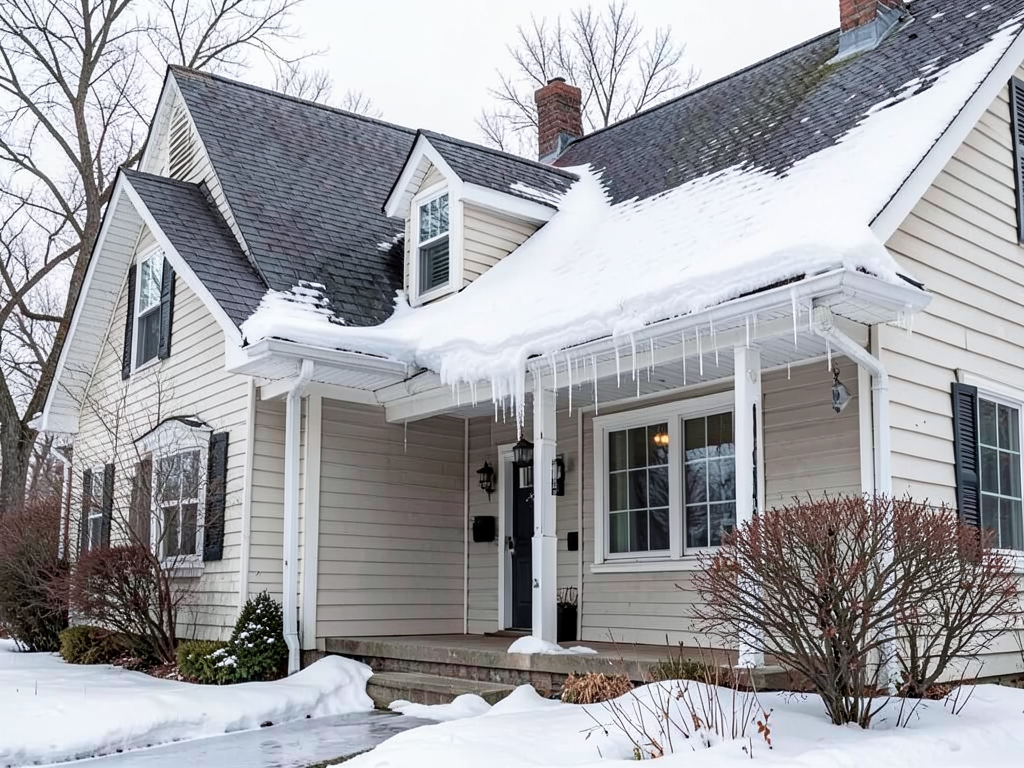
Baltimore's proximity to the Chesapeake Bay drives outdoor humidity levels 15 to 20 percent higher than inland cities. Summer dew points frequently exceed 70 degrees. This humid air infiltrates homes through openings and ventilation systems. When it contacts cool attic surfaces in air-conditioned homes, condensation forms instantly. Winter creates the opposite problem. Heated indoor air rises into cold attics where moisture vapor condenses on freezing roof decks. These seasonal swings create year-round condensation risk absent in drier climates.

Baltimore City building codes mandate specific ventilation ratios to combat moisture issues. Properties in historic districts face additional constraints on exterior modifications. We navigate these regulations daily, securing necessary approvals for ventilation improvements while respecting architectural guidelines. Our familiarity with Baltimore City permitting processes and inspector expectations prevents delays. Local building supply relationships ensure we source code-compliant materials quickly. This neighborhood-level knowledge matters when solving moisture problems in century-old construction.
Roofing Services in The Baltimore Area

We are proud to be a locally owned and operated business committed to serving the entire Baltimore community and its surrounding counties. View our office location on the map and see the breadth of our service area. We encourage you to visit our facility or contact us directly to discuss your next roofing project.

Address:
A Plus Roofing Baltimore, 101 N Haven St, Baltimore, MD, 21224

Additional Services We Offer

Our news updates

Latest Articles & News from The Blogs

Upgrading Your Builder-Grade Roof in Severn Before It Starts Leaking Your Severn home's builder-grade roof has a ticking clock. Maryland's…

Upgrading Your Builder-Grade Roof in Severn Before It Starts Leaking

Upgrading Your Builder-Grade Roof in Severn Before It Starts Leaking Your Severn home's builder-grade roof has a ticking clock. Maryland's…

Restoring the Ornamental Roof Details on Victorian Homes in Abell and Waverly

Restoring the Ornamental Roof Details on Victorian Homes in Abell and Waverly Victorian homes in Baltimore's Abell and Waverly neighborhoods…

Replacing a Detached Garage Roof in Glen Burnie — Costs and Best Materials

Replacing a Detached Garage Roof in Glen Burnie — Costs and Best Materials Replacing a detached garage roof in Glen…

Contact Us

Every day you wait, moisture damage spreads. Call (443) 455-9099 now for a comprehensive moisture audit. We will identify exactly what causes condensation in your home and provide a clear solution. Baltimore homeowners trust us to solve moisture problems permanently.