


College Park sits in Prince George's County where humid subtropical climate creates perfect conditions for roof damage. Summer thunderstorms bring heavy rain and wind gusts that tear shingles and expose underlayment. Winter freeze-thaw cycles cause ice dams along gutters, forcing water under flashing and into attics. The proximity to the Anacostia River watershed means higher humidity year-round, accelerating algae growth and wood rot in roof decking.
Homes near the University of Maryland and surrounding neighborhoods like Old Town, Lakeland, and Hollywood feature a mix of aging architecture from the 1930s through 1970s. Many original roofs have outlived their 20-year lifespan, and Maryland's temperature swings from below freezing to 95 degrees stress aging materials. The state requires wind resistance ratings for new installations due to severe weather patterns, and local building codes mandate proper ventilation to prevent moisture buildup in attics.
Properties along Paint Branch Creek and near Greenbelt Park face additional challenges from tree coverage. Overhanging branches drop debris that clogs gutters and traps moisture, while fallen limbs during storms cause immediate structural damage. Every neighborhood from Berwyn to Branchville experiences these conditions, making professional roof inspection and maintenance critical for protecting your investment.
A Plus Roofing Baltimore built its reputation responding to roofing emergencies across Prince George's County. We understand that when you call about a leak, you need someone who answers the phone and shows up prepared. Our crews carry emergency tarping materials, leak detection equipment, and common repair supplies on every truck. We do not schedule you three weeks out when water is dripping into your living room.
Maryland's climate demands specific roofing knowledge. We know which shingle manufacturers perform best in humid conditions. We understand proper attic ventilation requirements for this region. We install ice and water shield in valleys where freeze-thaw damage occurs. Our team holds Maryland Home Improvement Commission licenses and carries full liability insurance, meeting state requirements that protect you from liability.
The difference shows in our approach. Other companies send salespeople to quote replacements when a repair would work fine. We give you honest assessments because we want your business for the next roof problem too. When we say a repair will last five years, it does. When we recommend replacement, you need it.
We serve College Park full-time, not as an occasional stop between Baltimore jobs. Our proximity means faster response when storms hit multiple neighborhoods simultaneously. We know the permitting process at the College Park building department. We work with local suppliers who stock materials quickly. This is not about being friendly. This is about getting your roof fixed correctly before more damage occurs.

When storms damage your roof at 2 AM, you need immediate help. We dispatch crews around the clock for emergency tarping and leak containment. Our rapid response prevents water damage from spreading to ceilings, insulation, and personal belongings. We secure your home first, then assess repair needs in daylight.

We follow International Residential Code requirements and Maryland amendments for wind resistance and moisture management. Our installations include proper underlayment, starter strip placement, and fastener patterns that meet county inspection standards. Your roof passes inspection the first time because we know what inspectors check.
Not every problem needs a full replacement. We provide accurate assessments that separate necessary work from optional upgrades. When repairs make financial sense, we explain exactly what we will fix and how long it will last. When replacement is smarter, we show you why with photos and clear explanations.
We work exclusively in this region, giving us deep knowledge of local weather patterns, common architectural styles, and building department requirements. Our familiarity with College Park neighborhoods means we understand the specific challenges your home faces and the solutions that work best in this climate.
A Plus Roofing Baltimore handles every roofing need from emergency leak repair to complete system replacement. Maryland weather creates distinct damage patterns depending on your roof's age, material, and exposure. We categorize our services around the three situations College Park homeowners face most often.
Storm damage requires immediate response. Wind lifts shingles, hail creates dents and cracks, and falling branches puncture roof decking. Our emergency services stop active leaks and prevent further interior damage while we develop repair plans. Aging roofs need strategic maintenance and eventual replacement. We help you maximize remaining lifespan with targeted repairs, then handle full replacement when the time comes. Installation quality matters because Maryland's climate punishes shortcuts. Our new roof installations follow manufacturer specifications and exceed code minimums for underlayment, ventilation, and fastening.
Each service category addresses specific customer needs. Storm victims need fast action to protect their homes. Homeowners with aging roofs need honest guidance on repair versus replacement timing. New construction and full replacement customers need installations that will survive decades of Maryland weather. We match our approach to your situation, providing the right solution rather than upselling services you do not need.
When storms damage your roof, water enters your home fast. We provide 24/7 emergency tarping, temporary leak patching, and damage containment to stop interior destruction. Our crews assess damage extent, secure vulnerable areas, and develop repair plans. We work directly with insurance adjusters to document storm damage and ensure proper coverage. Emergency services include wind damage repair, hail impact assessment, tree damage removal, and immediate leak detection.
Full roof replacement involves complete tear-off, deck inspection and repair, new underlayment installation, and shingle application following manufacturer specifications. We install proper ventilation systems, ice and water shield in vulnerable areas, and drip edge that meets Maryland code requirements. Our installations include multi-year warranties covering both materials and workmanship. We handle permits, inspections, and debris removal, delivering a finished roof that protects your home for decades.
Not every aging roof needs immediate replacement. We provide targeted repairs that add years to your roof's life when structural integrity remains sound. Services include shingle replacement in damaged sections, flashing repair around chimneys and vents, gutter system maintenance, and attic ventilation improvements. Regular inspection catches small problems before they become expensive disasters. We give honest assessments about whether repairs make financial sense or if replacement is the smarter investment.
Prince George's County's climate and aging housing stock create predictable roof problems. Understanding these issues helps you catch damage early, when repairs cost less and prevent interior damage. College Park homes face four major roofing challenges that occur repeatedly across neighborhoods from Hollywood to Lakeland.
Weather causes most acute damage. Summer storms bring wind gusts that exceed shingle wind ratings, especially on older roofs where sealant has degraded. Heavy rain overwhelms gutters clogged with leaves from the area's mature trees, forcing water under shingles and into fascia boards. Winter ice dams form when poor attic insulation allows heat to melt snow, which refreezes at roof edges and backs water under flashing.
Age-related deterioration affects neighborhoods with original 1940s through 1970s construction. Asphalt shingles rated for 20 years begin failing around year 15 in Maryland's temperature extremes. Granule loss exposes the mat to UV damage, brittleness develops, and shingles crack or curl. Many College Park homes still have original roofs that should have been replaced a decade ago.
These problems compound when ignored. A small leak becomes rotted decking. Missing shingles expose underlayment to sun damage. Understanding what threatens your roof helps you act before emergency repairs become necessary.
High winds during thunderstorms lift shingle edges and tear them completely off, especially on older roofs where sealant has failed. Missing shingles expose underlayment to rain and UV damage. Each storm season brings new damage that requires immediate repair to prevent water infiltration. Wind damage often affects multiple homes in the same neighborhood simultaneously.
Poor attic insulation allows heat to escape through your roof, melting snow that refreezes at the cold eaves. Ice dams trap water behind them, forcing it under shingles and through roof decking into your attic. This problem worsens each winter as insulation settles and attic ventilation becomes inadequate. Water stains on ceilings near exterior walls signal ice dam damage.
Asphalt shingles lose protective granules over time, exposing the underlying mat to sun damage. Maryland's temperature swings accelerate this process, causing shingles to become brittle and crack. Curling edges and visible wear patterns indicate your roof approaches the end of its functional life. Deteriorated shingles leak during rain and allow wind to cause further damage.
Metal flashing around chimneys, vents, and skylights deteriorates faster than shingles. Sealant cracks, metal corrodes, and gaps develop where water enters. Flashing problems cause localized leaks that damage attic insulation and ceiling drywall. These leaks often go unnoticed until water stains appear, by which time significant damage has occurred to underlying structures.
Roofing work disrupts your life. Crews on your roof make noise. Debris falls into your yard. Materials get delivered early in the morning. We cannot eliminate these inconveniences, but we can make the process predictable and minimize surprises.
You will know exactly what happens at each stage. We communicate before crews arrive, during the work, and after completion. We protect your property with tarps and magnetic sweepers that collect nails. We follow a systematic approach that keeps projects on schedule despite weather delays.
Most customers care about three things: will you show up when promised, will the work be done correctly, and will the cleanup be thorough. We focus on these fundamentals because they matter more than promises about being the best or most trusted. You want competent work done professionally. That is what we deliver.
The typical College Park roof replacement takes two to four days depending on size and complexity. Repairs often finish in hours. We provide realistic timelines based on your specific project, not optimistic estimates designed to win your business. When weather delays work, we communicate immediately and reschedule. Your project stays on track because we plan properly and follow through.
We explain what we will do, when crews will arrive, and how long each phase takes. You receive updates when plans change due to weather or unexpected damage discovered during work. Our project managers answer questions directly without technical jargon. You understand what is happening on your roof because we communicate in plain language about the work, timeline, and any issues that arise.
Our installation teams follow manufacturer specifications exactly because shortcuts cause callbacks. We do not rush through projects to start the next job. Each crew member understands their role and the quality standards required. Supervision happens on site, not from an office. We catch mistakes immediately and correct them before they become your problem. The crew that starts your job finishes it.
We use magnetic rollers to collect nails from your yard and driveway. Debris goes into dump trailers immediately, not piled in your yard overnight. After installation, we inspect every penetration, flashing detail, and shingle alignment. You walk the property with us to verify cleanup and ask questions about the finished work. We do not leave until you are satisfied with the results.
We eliminate confusion from roofing projects with a clear three-step process. You know what happens next because we follow the same system for every customer.
We examine your roof from the attic, exterior, and surface. Photos document damage and problem areas. Our assessment separates immediate needs from future concerns, giving you a clear picture of your roof's condition. You receive a written estimate that details required work, materials we will use, and timeline for completion. Emergency situations get prioritized for same-day or next-day repair depending on damage severity and weather conditions.
Crews arrive when scheduled with all materials and equipment. For replacements, we tear off old shingles, inspect and repair decking, install new underlayment and drip edge, then apply shingles following manufacturer patterns. Repairs involve removing damaged sections, replacing any compromised decking or flashing, and integrating new materials with existing roof. We protect your landscaping with tarps and maintain a clean work area throughout the project.
After installation, we conduct a detailed inspection of all work. Cleanup includes magnetic sweeping for nails, removal of all debris, and inspection of surrounding property. You receive warranty documentation covering both materials and workmanship. We walk you through maintenance recommendations that extend your roof's lifespan. Final payment occurs only after you verify satisfaction with the completed work and cleanup.
Maryland follows International Residential Code with state amendments specific to our climate and wind exposure. Prince George's County requires permits for roof replacement and structural repairs, though emergency tarping falls under exemptions. Building inspectors verify proper installation during final inspection, checking underlayment coverage, fastener placement, ventilation adequacy, and flashing details.
Wind resistance requirements matter in this region. Shingles must meet ASTM D3161 Class F standards for wind resistance, with proper fastening patterns that include six nails per shingle in high-wind areas. Underlayment must be ASTM D226 Type II felt or synthetic equivalent, installed with proper overlap and fastening. Ice and water shield is required in valleys and along eaves extending at least 24 inches inside the exterior wall line.
Ventilation codes mandate specific intake and exhaust ratios to prevent moisture buildup. Inadequate attic ventilation causes premature shingle failure, ice dams, and wood rot. Maryland's humid climate makes proper ventilation critical, yet many older College Park homes lack sufficient soffit vents and ridge ventilation. During replacement, we upgrade ventilation to meet current standards.
Flashing requirements specify materials and installation methods around chimneys, skylights, and wall intersections. Step flashing must be woven with shingles, counter-flashing embedded in masonry, and valley flashing properly underlaid. These details prevent the leaks that occur years after installation when improper methods allow water infiltration. Our crews follow these specifications exactly because inspectors check them and because proper installation prevents callbacks.
Prince George's County enforces IRC requirements for wind resistance, underlayment specifications, and ventilation standards. We obtain required permits and ensure installations pass inspection on the first attempt. Our knowledge of local code requirements means your roof meets all legal standards and insurance requirements for wind damage coverage.
Roof size, pitch steepness, number of penetrations, and decking condition determine project scope. Material choice affects longevity and appearance. Architectural shingles last longer than three-tab but cost more upfront. Multiple layers of old roofing increase tear-off labor. These variables create price ranges, making accurate assessment essential before quoting.
Average College Park roof replacement takes two to four days depending on size and complexity. Weather delays are common during Maryland's wet seasons. Emergency repairs often finish same-day. Complex projects involving structural repairs or multiple roof planes take longer. We provide accurate timelines based on your specific situation, not optimistic estimates.
Manufacturer warranties cover material defects. Our workmanship warranty covers installation quality. Both matter when problems occur years later. We carry full liability insurance and Maryland Home Improvement Commission licensing, protecting you from contractor liability. Always verify licensing and insurance before allowing roof work to begin.
Educational video explaining roofing challenges specific to College Park, Maryland homes. Covers storm damage repair, aging shingle replacement, ice dam prevention, and proper installation standards for Maryland climate. Details wind resistance requirements, ventilation codes, and flashing methods that prevent leaks. Demonstrates how to identify roof problems early and understand when repair versus replacement makes financial sense for homeowners in Prince George's County.
A Plus Roofing Baltimore serves all College Park neighborhoods and adjacent communities throughout Prince George's County. Our central location provides quick response times whether you live in Old Town near the University of Maryland, the tree-lined streets of Lakeland, or the established homes of Hollywood and Berwyn. We know these neighborhoods because we work in them regularly, understanding the specific roofing challenges each area faces.
Properties near Paint Branch and along Indian Creek deal with heavy tree coverage that drops debris and creates shade conditions promoting algae growth. Homes in Berwyn and North College Park feature older construction with original roofs that frequently need replacement. The Calvert Hills area includes mid-century homes where ventilation upgrades prevent moisture problems common in that era's construction methods.
We extend service throughout the Route 1 corridor from Beltsville south through Greenbelt and Riverdale Park. Homes near the Beltway in Branchville face highway noise but also benefit from quick access for our crews. The areas around M Square and the University of Maryland Research Park include both residential and mixed-use properties requiring different roofing approaches. Commercial properties need flat roof expertise while nearby single-family homes need pitched roof specialists.
Our familiarity with Prince George's County building department procedures streamlines permit acquisition regardless of your location. We know which neighborhoods require historical review and where standard permits apply. This local knowledge saves time during project planning and prevents delays during installation. Whether your home sits near Greenbelt Park or along Branchville Road, we understand your area's building requirements and architectural characteristics.
East College Park and West College Park present different challenges based on housing age and architectural styles. Properties near Rhode Island Avenue face different wind exposure than homes sheltered in interior neighborhoods. We account for these variables when recommending materials and installation methods. Your roof solution matches your specific location's demands, not a generic approach applied everywhere.
New roof pricing in College Park varies based on home size, material choice, and project complexity. A typical residential roof replacement involves multiple factors like removal of old materials, structural repairs, and installation quality. Asphalt shingles tend to be more budget-friendly, while metal and slate options require higher investment. Roof pitch, number of stories, and architectural features like chimneys affect labor requirements. Get written estimates from three local contractors to compare scope and value. Most companies offer financing options to make your project manageable.
College Park's humid subtropical climate demands moisture-resistant roofing materials. Architectural asphalt shingles with algae-resistant granules perform well and resist black streaks common in humid areas. Metal roofing excels at shedding water and resists mold growth. Clay and concrete tiles offer excellent durability in humid conditions. TPO and EPDM membranes work well for flat roofs. Look for products rated for high wind resistance, as College Park experiences occasional severe storms. Proper ventilation and underlayment are equally important to prevent moisture damage in your attic space.
Most College Park roof replacements take three to five days for average-sized homes. Single-story homes with simple designs finish faster, often in two to three days. Two-story homes or complex architectural features extend the timeline to five to seven days. Weather delays affect scheduling, particularly during spring and summer thunderstorm season. Your contractor removes old materials on day one, inspects and repairs decking on day two, and installs new roofing over the following days. Larger homes or slate installations require one to two weeks.
New roof pricing in College Park varies based on home size, material choice, and project complexity. A typical residential roof replacement involves multiple factors like removal of old materials, structural repairs, and installation quality. Asphalt shingles tend to be more budget-friendly, while metal and slate options require higher investment. Roof pitch, number of stories, and architectural features like chimneys affect labor requirements. Get written estimates from three local contractors to compare scope and value. Most companies offer financing options to make your project manageable.
College Park's humid subtropical climate demands moisture-resistant roofing materials. Architectural asphalt shingles with algae-resistant granules perform well and resist black streaks common in humid areas. Metal roofing excels at shedding water and resists mold growth. Clay and concrete tiles offer excellent durability in humid conditions. TPO and EPDM membranes work well for flat roofs. Look for products rated for high wind resistance, as College Park experiences occasional severe storms. Proper ventilation and underlayment are equally important to prevent moisture damage in your attic space.
Most College Park roof replacements take three to five days for average-sized homes. Single-story homes with simple designs finish faster, often in two to three days. Two-story homes or complex architectural features extend the timeline to five to seven days. Weather delays affect scheduling, particularly during spring and summer thunderstorm season. Your contractor removes old materials on day one, inspects and repairs decking on day two, and installs new roofing over the following days. Larger homes or slate installations require one to two weeks.
Yes, you need a building permit for roof replacement in College Park. The city requires permits to ensure work meets Maryland building codes and safety standards. Your roofing contractor typically handles permit applications as part of their service. The process involves submitting plans, paying permit fees, and scheduling inspections. Inspectors verify proper installation and code compliance before approving the project. Skipping permits risks fines and complications when selling your home. Simple repairs like replacing a few shingles typically do not require permits.
Several signs indicate whether repair or replacement makes sense. Missing or cracked shingles, minor leaks, and isolated damage typically need repairs. Widespread granule loss, curling shingles across multiple roof sections, and sagging areas require replacement. Roofs over 20 years old with recurring issues are better replaced than patched. Check your attic for daylight through boards, water stains, or mold growth. Get a professional inspection to assess structural integrity and remaining lifespan. Replacing now prevents interior damage and higher costs later.
Finding qualified roofing contractors in College Park requires research. Check the Maryland Home Improvement Commission database to verify contractor credentials. Request proof of current general liability coverage and workers compensation before signing contracts. Read reviews on Google, Yelp, and the Better Business Bureau. Ask for local references from recent College Park projects. Established companies with physical Maryland addresses demonstrate stability. Professional associations like the National Roofing Contractors Association indicate industry commitment. Always get multiple bids and compare scope, materials, and contractor experience.
College Park roofers work during winter, though conditions affect scheduling. Temperatures above 40 degrees Fahrenheit allow proper asphalt shingle installation, as adhesive strips need warmth to seal. Metal roofing installs year-round since it does not rely on temperature-sensitive adhesives. Contractors avoid working during snow, ice, or heavy rain. Winter projects often have shorter wait times and flexible scheduling. Roofers use special installation techniques and cold-weather materials when needed. Emergency repairs happen regardless of season. Plan ahead for winter projects and expect potential weather delays.
Inspect your College Park roof twice yearly, in spring and fall. Spring inspections identify winter damage from ice, wind, and heavy rain. Fall inspections prepare your roof for upcoming cold weather. Check after severe storms, high winds, or hail events. Look for missing shingles, damaged flashing, clogged gutters, and debris buildup. Examine your attic for leaks, moisture, or ventilation problems. Professional inspections every three to five years catch issues you might miss. Document your roof condition with photos for maintenance records and future reference.
Homeowners policies typically cover sudden, accidental roof damage from storms, fire, or falling trees. Wind and hail damage are common covered perils in College Park. Your policy likely excludes damage from poor maintenance, wear and tear, or age-related deterioration. Review your policy for actual cash value versus replacement cost coverage. Deductibles apply to claims. Document damage with photos immediately after storms. File claims promptly and keep repair estimates. Older roofs face depreciation reductions in payouts. Contact your agent to understand your specific coverage terms.
Asphalt shingle roofs in College Park last 15 to 25 years on average. Three-tab shingles typically last 15 to 20 years, while architectural shingles reach 20 to 25 years. Maryland's humid climate, temperature fluctuations, and storm exposure affect longevity. Proper attic ventilation extends shingle life by reducing heat and moisture damage. South-facing slopes wear faster from sun exposure. Quality installation and regular maintenance add years to your roof. Trees dropping debris or causing shade and moisture retention reduce lifespan. Premium shingles with stronger warranties perform better long-term.
Yes, you need a building permit for roof replacement in College Park. The city requires permits to ensure work meets Maryland building codes and safety standards. Your roofing contractor typically handles permit applications as part of their service. The process involves submitting plans, paying permit fees, and scheduling inspections. Inspectors verify proper installation and code compliance before approving the project. Skipping permits risks fines and complications when selling your home. Simple repairs like replacing a few shingles typically do not require permits.
Several signs indicate whether repair or replacement makes sense. Missing or cracked shingles, minor leaks, and isolated damage typically need repairs. Widespread granule loss, curling shingles across multiple roof sections, and sagging areas require replacement. Roofs over 20 years old with recurring issues are better replaced than patched. Check your attic for daylight through boards, water stains, or mold growth. Get a professional inspection to assess structural integrity and remaining lifespan. Replacing now prevents interior damage and higher costs later.
Finding qualified roofing contractors in College Park requires research. Check the Maryland Home Improvement Commission database to verify contractor credentials. Request proof of current general liability coverage and workers compensation before signing contracts. Read reviews on Google, Yelp, and the Better Business Bureau. Ask for local references from recent College Park projects. Established companies with physical Maryland addresses demonstrate stability. Professional associations like the National Roofing Contractors Association indicate industry commitment. Always get multiple bids and compare scope, materials, and contractor experience.
College Park roofers work during winter, though conditions affect scheduling. Temperatures above 40 degrees Fahrenheit allow proper asphalt shingle installation, as adhesive strips need warmth to seal. Metal roofing installs year-round since it does not rely on temperature-sensitive adhesives. Contractors avoid working during snow, ice, or heavy rain. Winter projects often have shorter wait times and flexible scheduling. Roofers use special installation techniques and cold-weather materials when needed. Emergency repairs happen regardless of season. Plan ahead for winter projects and expect potential weather delays.
Inspect your College Park roof twice yearly, in spring and fall. Spring inspections identify winter damage from ice, wind, and heavy rain. Fall inspections prepare your roof for upcoming cold weather. Check after severe storms, high winds, or hail events. Look for missing shingles, damaged flashing, clogged gutters, and debris buildup. Examine your attic for leaks, moisture, or ventilation problems. Professional inspections every three to five years catch issues you might miss. Document your roof condition with photos for maintenance records and future reference.
Homeowners policies typically cover sudden, accidental roof damage from storms, fire, or falling trees. Wind and hail damage are common covered perils in College Park. Your policy likely excludes damage from poor maintenance, wear and tear, or age-related deterioration. Review your policy for actual cash value versus replacement cost coverage. Deductibles apply to claims. Document damage with photos immediately after storms. File claims promptly and keep repair estimates. Older roofs face depreciation reductions in payouts. Contact your agent to understand your specific coverage terms.
Asphalt shingle roofs in College Park last 15 to 25 years on average. Three-tab shingles typically last 15 to 20 years, while architectural shingles reach 20 to 25 years. Maryland's humid climate, temperature fluctuations, and storm exposure affect longevity. Proper attic ventilation extends shingle life by reducing heat and moisture damage. South-facing slopes wear faster from sun exposure. Quality installation and regular maintenance add years to your roof. Trees dropping debris or causing shade and moisture retention reduce lifespan. Premium shingles with stronger warranties perform better long-term.
We are proud to be a locally owned and operated business committed to serving the entire Baltimore community and its surrounding counties. View our office location on the map and see the breadth of our service area. We encourage you to visit our facility or contact us directly to discuss your next roofing project.
Address:
College Park, MD, 20742
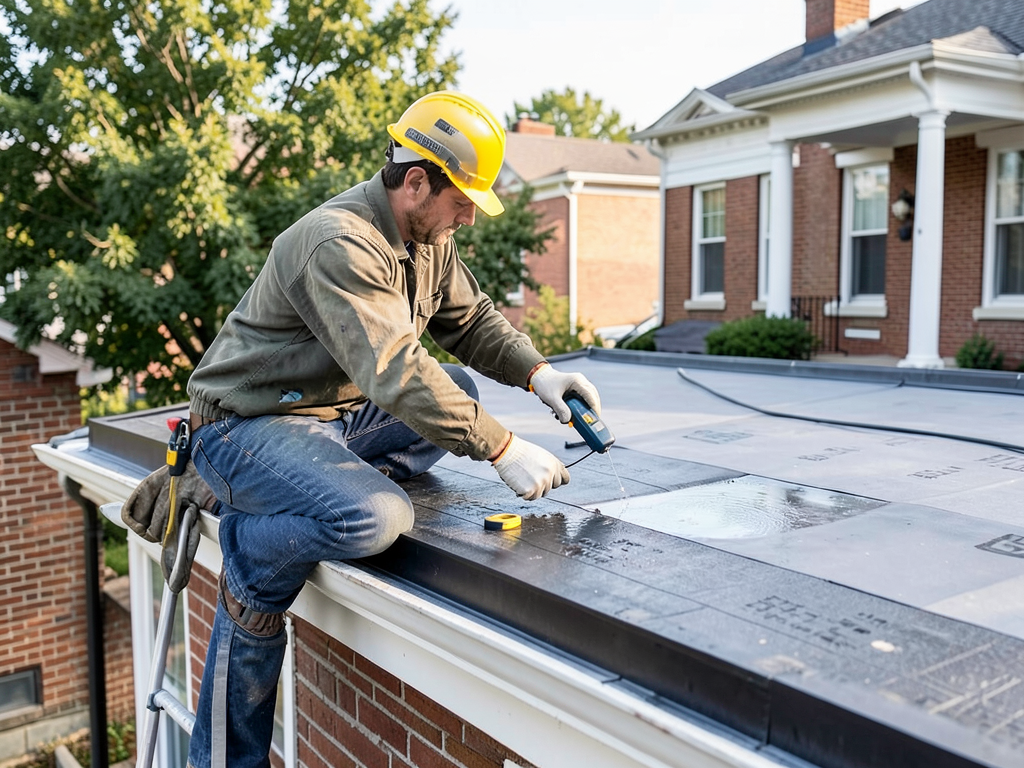
Why the Lowest Roofing Bid Often Ends Up Costing More for Homeowners in Nottingham Getting multiple roofing bids feels smart until you realize the lowest number might hide thousands in future costs. In Nottingham, where…
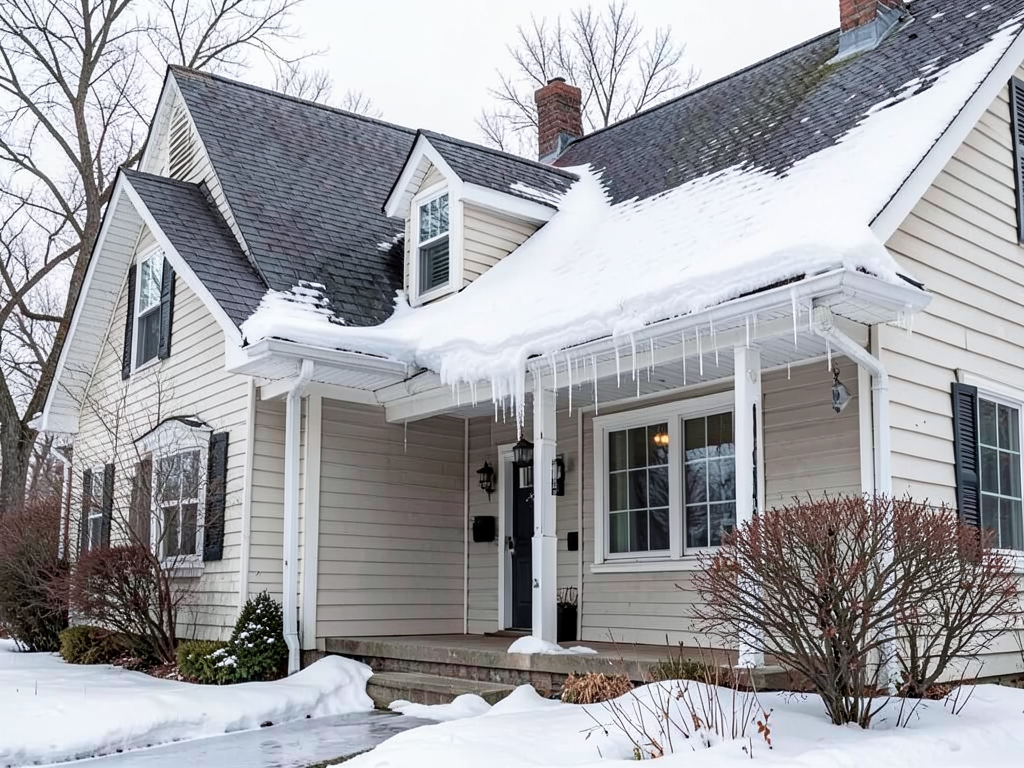
Comparing Manufacturer vs Workmanship Warranties for New Roofs in Parkville Parkville homeowners face tough choices…
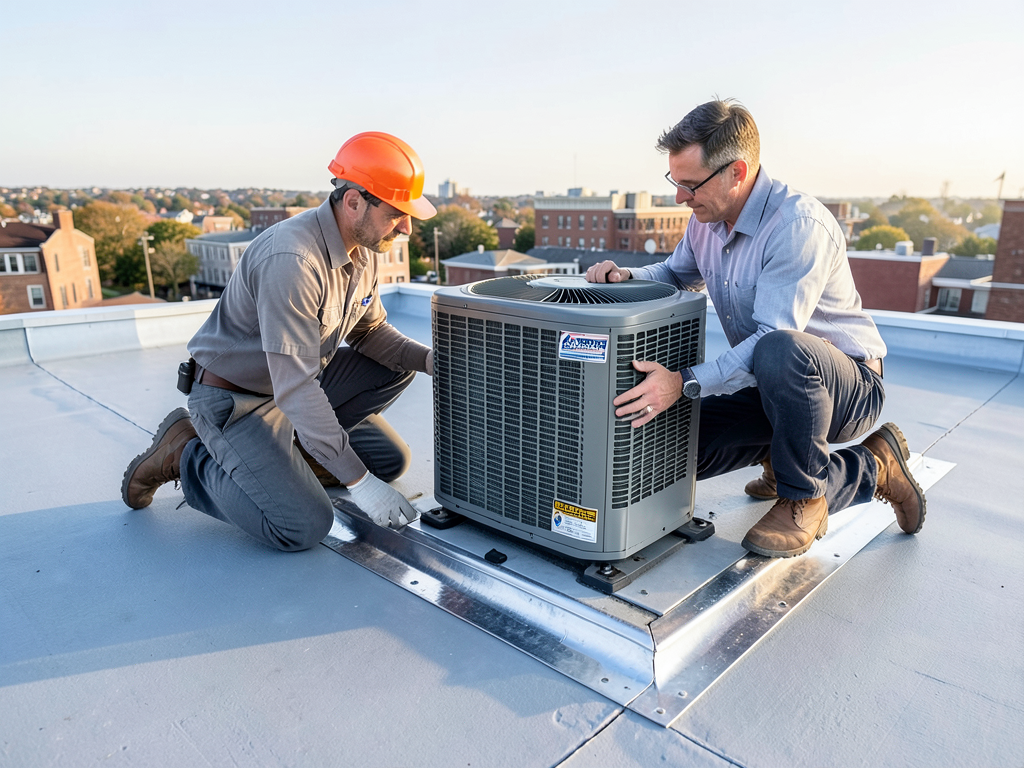
Your rooftop AC unit could be silently destroying your Federal Hill flat roof. The heavy…
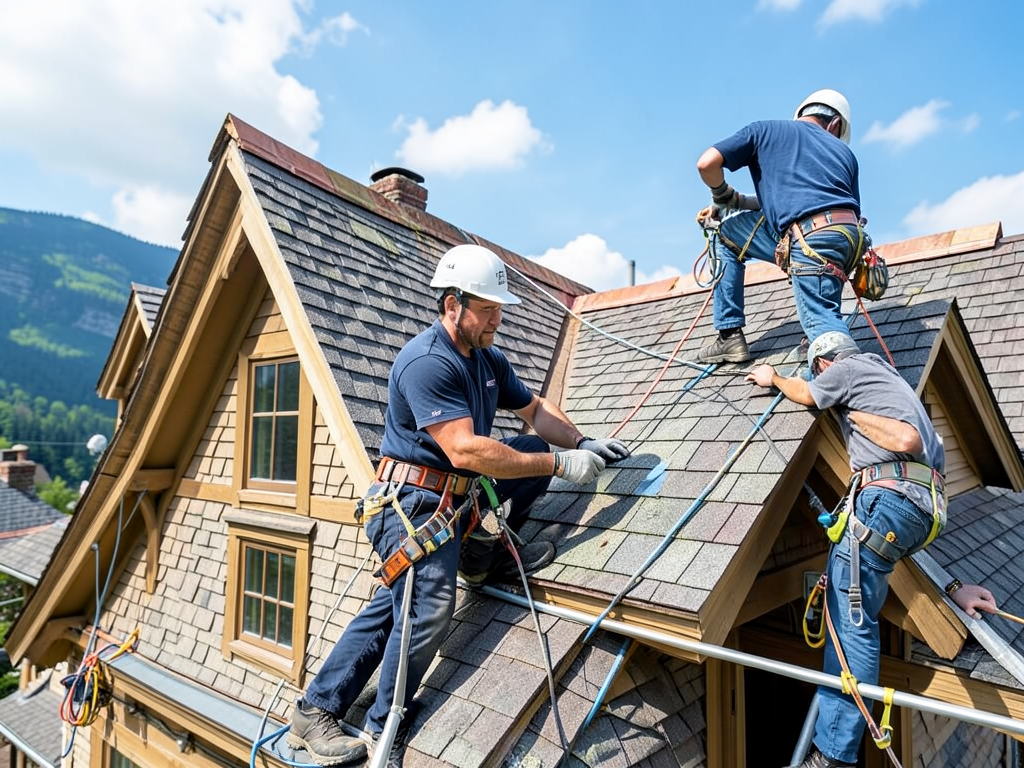
Why Steep Gabled Roofs in Mount Washington Require Special Safety Equipment and Labor Steep gabled…
Leaks spread fast in Maryland weather. Call A Plus Roofing Baltimore at (443) 455-9099 right now. We provide same-day emergency service throughout College Park. Get your roof inspected, repaired, or replaced by professionals who understand this climate. Do not wait for more damage.