
Can Your Fells Point Flat Roof Handle a New Rooftop Deck?
Your Fells Point rowhome’s flat roof might look sturdy but adding a rooftop deck is more than just bolting down some boards. The aging timber joists in these 100-year-old homes were never designed to hold the weight of people, furniture, and outdoor kitchens. Before you fall in love with sunset views over the harbor you need to know if your roof can actually support the load.
Local building codes and Baltimore City’s Department of Housing & Community Development (DHCD) require a structural engineer’s assessment for any deck over 100 square feet. The engineer will calculate your roof’s live load capacity which typically ranges from 20 to 40 pounds per square foot in older rowhomes. That might sound like a lot until you realize a 10×12 foot deck with furniture and a few guests can easily weigh 3,000 pounds or more. Baltimore City Department of Housing & Community Development.
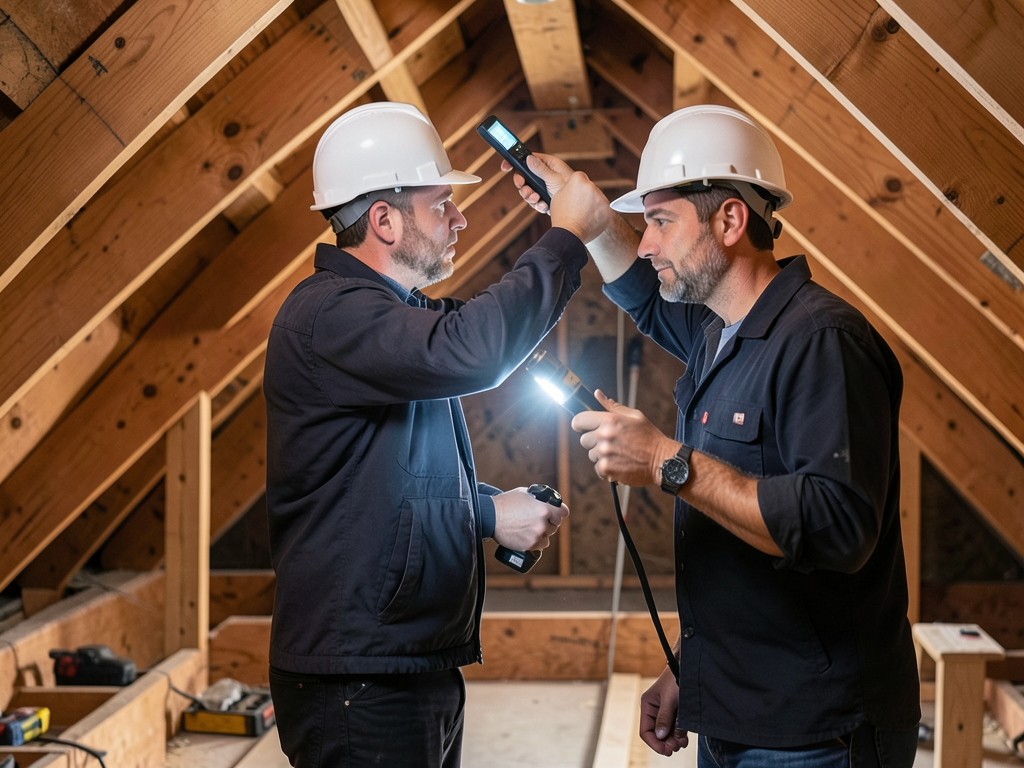
Why Fells Point Rowhomes Present Unique Challenges
Fells Point’s historic district contains some of Baltimore’s oldest urban housing stock. Most buildings here were constructed between 1790 and 1840 using timber balloon framing with no modern load-bearing calculations. The flat roofs you see today are often original tar-and-gravel systems layered over decades of patches. Flat Roof Repair for Baltimore Rowhouses — What Every Homeowner in Canton Needs to Know.
These roofs typically have 2×6 or 2×8 joists spanning 12 to 16 feet between party walls. Modern building codes require joists for rooftop decks to be at least 2×10 at 16-inch centers for spans over 10 feet. That means most Fells Point roofs need complete structural reinforcement before a deck can be safely installed.
The neighborhood’s proximity to the Inner Harbor also creates unique waterproofing challenges. Salt air accelerates membrane degradation and the freeze-thaw cycles common to Baltimore’s climate cause expansion and contraction that can crack even new roofing materials. Weekend Roofing Service.
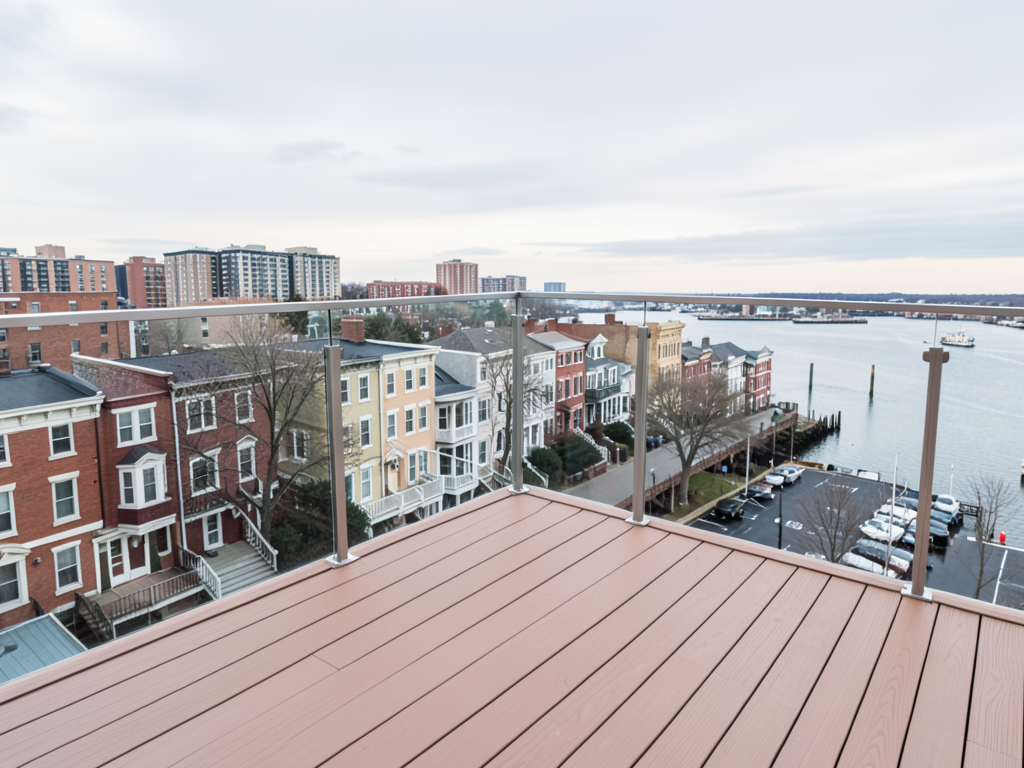
Structural Assessment Process for Rooftop Decks
Before any contractor starts building you need a professional structural assessment. This process typically takes 2 to 3 days and costs between $800 and $1,500. The engineer will inspect your attic space to measure existing joist size, spacing, and span. They’ll also check for signs of rot, termite damage, or previous modifications that might compromise structural integrity. How Much a New Roof Costs in Towson (2026 Estimates).
The assessment includes calculating your roof’s current live load capacity using the American Society of Civil Engineers (ASCE) 7-16 standard. For Fells Point rowhomes built before 1950 the engineer will likely recommend upgrading to meet modern IBC (International Building Code) requirements which mandate 40 psf minimum for residential decks. American Society of Civil Engineers (ASCE).
If your joists need reinforcement the options include sistering new lumber alongside existing members, installing steel flitch plates, or adding intermediate support walls. Each solution affects your interior ceiling height and may require permits from both DHCD and the Baltimore City Historic Commission if you’re in the historic district. Installing a Metal Roof in Columbia — Is It Worth the Investment?.
- Initial Inspection
Engineer measures existing joists, checks for damage, and evaluates current load capacity using moisture meters and visual inspection tools.
- Load Calculations
ASCE 7-16 standards determine if existing structure meets IBC requirements for live loads of 40 psf minimum.
- Reinforcement Planning
Options include sistering lumber, steel flitch plates, or adding support walls based on structural findings.
- Permit Acquisition
DHCD and potentially the Historic Commission review plans before any construction begins.
Waterproofing Systems for Rooftop Decks
Adding a deck creates multiple penetration points where water can enter your home. Every post, railing, and fastener becomes a potential leak source. The waterproofing system must be completely integrated with your deck structure from day one.
Modern flat roof membranes include TPO (thermoplastic polyolefin), EPDM (ethylene propylene diene monomer), and PVC (polyvinyl chloride). Each material has different properties that affect deck installation. TPO offers excellent UV resistance and heat-welded seams but requires specialized installation. EPDM provides superior flexibility in cold weather but has fewer color options. PVC combines durability with chemical resistance but costs more than other options.
For rooftop decks the membrane must extend at least 12 inches up all vertical surfaces and be protected by a drainage layer. A floating deck system allows the membrane to move independently of the deck boards preventing tears from thermal expansion. The drainage layer typically consists of plastic pedestals or adjustable supports that create an air gap beneath the deck.
| Membrane Type | Lifespan (Years) | Cost per Sq Ft | Best For |
|---|---|---|---|
| TPO | 25-30 | $5.50-7.00 | High-traffic decks with UV exposure |
| EPDM | 20-25 | $4.00-5.50 | Cold climates and flexible applications |
| PVC | 25-30 | $6.50-8.00 | Chemical exposure and saltwater environments |
Baltimore City Permitting Requirements
Baltimore City’s e-permits system requires separate approvals for structural work, roofing modifications, and deck construction. The process typically takes 4 to 6 weeks from submission to approval. You’ll need detailed drawings showing joist reinforcement plans, membrane specifications, and railing heights that comply with Baltimore City Code Section 4-301 which requires 42-inch minimum railing height.
Historic district properties face additional scrutiny from the Commission for Historical & Architectural Preservation (CHAP). They review designs to ensure new decks don’t alter the building’s historic character. This often means hidden support structures and materials that match the neighborhood’s architectural palette.
Fire codes also affect deck design. Baltimore City Fire Code requires a 3-foot setback from parapet walls and non-combustible materials within 24 inches of any wall. This impacts railing choices and under-deck storage options.
Material Selection for Mid-Atlantic Climate
Baltimore’s climate creates unique material challenges. Summer humidity levels often exceed 85% causing untreated wood to swell and composite materials to retain heat. Winter brings freeze-thaw cycles that can crack concrete and pop deck fasteners.
Pressure-treated lumber remains the most economical choice at $3 to $5 per square foot installed. However, it requires annual maintenance and typically lasts 15 to 20 years in Baltimore’s climate. The chemicals used in treatment can also corrode standard fasteners requiring stainless steel or hot-dipped galvanized hardware.
Composite decking from brands like Trex, Azek, and TimberTech costs $8 to $12 per square foot but offers 25 to 30 year warranties. These materials resist moisture and insects but can get uncomfortably hot in direct summer sun. Some manufacturers now offer cooling technology that reduces surface temperature by up to 20 degrees.
Ipe (Brazilian walnut) provides the most durable natural option at $15 to $20 per square foot. This tropical hardwood naturally resists rot and insects without chemical treatments. The downside is its high cost and the need for specialized tools to cut and fasten it properly.
Cost Factors and Return on Investment
A basic rooftop deck in Fells Point costs between $25,000 and $45,000 for a 200 square foot space. This includes structural reinforcement, new membrane, deck boards, railings, and permits. High-end installations with outdoor kitchens, pergolas, or premium materials can exceed $75,000.
Structural reinforcement typically accounts for 40% of total costs. A membrane replacement adds another 20% while permits and engineering fees consume 10% to 15%. The remaining budget covers deck materials, railings, stairs, and labor. Industrial Roof Replacement.
Real estate data from the Baltimore Metropolitan Council shows rooftop decks increase property values by $15 to $25 per square foot in Fells Point. However, the actual return depends on your specific location, the quality of construction, and current market conditions. Homes within walking distance of Broadway Market or the waterfront see the highest premiums.
Frequently Asked Questions
Can I install a rooftop deck without structural reinforcement?
No. Baltimore City code requires decks to support 40 psf minimum live load. Most Fells Point rowhomes need joist reinforcement to meet this requirement. Installing without proper structure creates safety hazards and could result in city fines or forced removal.
How long does the permitting process take in Baltimore?
Standard permits take 4 to 6 weeks through the e-permits system. Historic district properties may require an additional 2 to 3 weeks for CHAP review. Complex projects involving structural changes can extend to 8 to 10 weeks total.
Can I put a hot tub on my rooftop deck?
A standard 6-person hot tub weighs approximately 4,000 pounds when filled. This exceeds typical rooftop load capacities and requires separate structural engineering. Most Fells Point roofs need major reinforcement including steel beams to support a hot tub safely.
What happens if my deck causes a leak?
Water damage from deck installations can cost $10,000 to $30,000 to repair if not caught immediately. Always hire contractors who provide waterproofing warranties and inspect the membrane annually. Look for signs like water stains on ceilings below or musty odors in upper floors.
Do I need a licensed contractor for rooftop deck installation?
Yes. Maryland law requires MHIC (Maryland Home Improvement Commission) licensed contractors for any deck work over $500. Additionally, structural modifications require a licensed professional engineer’s stamp on all drawings submitted for permits.
Call (443) 455-9099 today to schedule your structural assessment. Our team has completed over 50 rooftop deck projects in Fells Point and knows exactly what your historic rowhome needs to support your outdoor living dreams safely.
{
“@context”: “https://schema.org”,
“@type”: “BlogPosting”,
“headline”: “Can Your Fells Point Flat Roof Handle a New Rooftop Deck?”,
“description”: “Thinking about a rooftop deck in Fells Point? Learn the structural, permitting, and waterproofing requirements for Baltimore rowhomes before you start construction.”,
“wordCount”: 1519,
“datePublished”: “2026-03-12T12:43:00.000Z”,
“dateModified”: “2026-03-12T12:43:00.000Z”,
“inLanguage”: “en-US”,
“mainEntityOfPage”: {
“@type”: “WebPage”,
“@id”: “https://aplusroofingbaltimore.com”
},
“publisher”: {
“@type”: “LocalBusiness”,
“name”: “A Plus Roofing Baltimore”,
“url”: “https://aplusroofingbaltimore.com”
},
“author”: {
“@type”: “Organization”,
“name”: “A Plus Roofing Baltimore”,
“url”: “https://aplusroofingbaltimore.com”
},
“image”: {
“@type”: “ImageObject”,
“url”: “https://aplusroofingbaltimore.com/wp-content/uploads/2026/03/can-your-fells-point-flat-roof-handle-a-new-roofto-1.png”
}
}
{
“@context”: “https://schema.org”,
“@type”: “RoofingContractor”,
“name”: “A Plus Roofing Baltimore”,
“url”: “https://aplusroofingbaltimore.com”,
“address”: {
“@type”: “PostalAddress”,
“addressLocality”: “Baltimore”
},
“areaServed”: {
“@type”: “City”,
“name”: “Baltimore”
}
}
{
“@context”: “https://schema.org”,
“@type”: “FAQPage”,
“mainEntity”: [
{
“@type”: “Question”,
“name”: “Can I install a rooftop deck without structural reinforcement?”,
“acceptedAnswer”: {
“@type”: “Answer”,
“text”: “No. Baltimore City code requires decks to support 40 psf minimum live load. Most Fells Point rowhomes need joist reinforcement to meet this requirement. Installing without proper structure creates safety hazards and could result in city fines or forced removal.”
}
},
{
“@type”: “Question”,
“name”: “How long does the permitting process take in Baltimore?”,
“acceptedAnswer”: {
“@type”: “Answer”,
“text”: “Standard permits take 4 to 6 weeks through the e-permits system. Historic district properties may require an additional 2 to 3 weeks for CHAP review. Complex projects involving structural changes can extend to 8 to 10 weeks total.”
}
},
{
“@type”: “Question”,
“name”: “Can I put a hot tub on my rooftop deck?”,
“acceptedAnswer”: {
“@type”: “Answer”,
“text”: “A standard 6-person hot tub weighs approximately 4,000 pounds when filled. This exceeds typical rooftop load capacities and requires separate structural engineering. Most Fells Point roofs need major reinforcement including steel beams to support a hot tub safely.”
}
},
{
“@type”: “Question”,
“name”: “What happens if my deck causes a leak?”,
“acceptedAnswer”: {
“@type”: “Answer”,
“text”: “Water damage from deck installations can cost $10,000 to $30,000 to repair if not caught immediately. Always hire contractors who provide waterproofing warranties and inspect the membrane annually. Look for signs like water stains on ceilings below or musty odors in upper floors.”
}
},
{
“@type”: “Question”,
“name”: “Do I need a licensed contractor for rooftop deck installation?”,
“acceptedAnswer”: {
“@type”: “Answer”,
“text”: “Yes. Maryland law requires MHIC (Maryland Home Improvement Commission) licensed contractors for any deck work over $500. Additionally, structural modifications require a licensed professional engineer’s stamp on all drawings submitted for permits.”
}
}
]
}
{
“@context”: “https://schema.org”,
“@type”: “HowTo”,
“name”: “Structural Assessment Process”,
“step”: [
{
“@type”: “HowToStep”,
“position”: 1,
“name”: “Initial Inspection”,
“text”: “Engineer measures existing joists, checks for damage, and evaluates current load capacity using moisture meters and visual inspection tools.”
},
{
“@type”: “HowToStep”,
“position”: 2,
“name”: “Load Calculations”,
“text”: “ASCE 7-16 standards determine if existing structure meets IBC requirements for live loads of 40 psf minimum.”
},
{
“@type”: “HowToStep”,
“position”: 3,
“name”: “Reinforcement Planning”,
“text”: “Options include sistering lumber, steel flitch plates, or adding support walls based on structural findings.”
},
{
“@type”: “HowToStep”,
“position”: 4,
“name”: “Permit Acquisition”,
“text”: “DHCD and potentially the Historic Commission review plans before any construction begins.”
}
],
“image”: “https://aplusroofingbaltimore.com/wp-content/uploads/2026/03/can-your-fells-point-flat-roof-handle-a-new-roofto-1.png”
}
{
“@context”: “https://schema.org”,
“@type”: “BreadcrumbList”,
“itemListElement”: [
{
“@type”: “ListItem”,
“position”: 1,
“name”: “Home”,
“item”: “https://aplusroofingbaltimore.com”
},
{
“@type”: “ListItem”,
“position”: 2,
“name”: “Blog”,
“item”: “https://aplusroofingbaltimore.com/blog”
},
{
“@type”: “ListItem”,
“position”: 3,
“name”: “Can Your Fells Point Flat Roof Handle a New Rooftop Deck?”
}
]
}
{
“@context”: “https://schema.org”,
“@type”: “Service”,
“serviceType”: “Roofing”,
“provider”: {
“@type”: “LocalBusiness”,
“name”: “A Plus Roofing Baltimore”,
“url”: “https://aplusroofingbaltimore.com”
},
“areaServed”: {
“@type”: “City”,
“name”: “Baltimore”
},
“description”: “Thinking about a rooftop deck in Fells Point? Learn the structural, permitting, and waterproofing requirements for Baltimore rowhomes before you start construction.”
}