
Why DIY Roof Patches Often Fail for Homeowners in Essex
Roof leaks in Essex often start small. A missing shingle here, a cracked sealant there. Homeowners in this blue-collar Baltimore suburb frequently try to patch these issues themselves. The problem is that Essex’s weather, building codes, and roofing materials create failure patterns that most DIYers never see coming. This guide explains why those quick fixes rarely last and what actually works. Flat Roof Repair for Baltimore Rowhouses — What Every Homeowner in Canton Needs to Know.
Essex Weather Punishes Poor Repairs
Essex sits in a unique climate zone where heavy summer humidity meets harsh winter freeze-thaw cycles. A patch that holds in July can fail by December when temperatures drop below freezing. The repeated expansion and contraction of roofing materials creates stress points that cheap sealants cannot handle. Add in the occasional nor’easter pushing 50+ mph winds off the Chesapeake Bay, and a weekend patch job becomes a liability. Weekend Roofing Service.
The Hidden Cost of Cutting Corners
Homeowners often think they’re saving money by buying a tube of roofing cement and slapping it over a leak. What they don’t realize is that water damage spreads quickly. A small leak can soak attic insulation, rot roof decking, and create mold growth within weeks. What started as a $50 repair can turn into a $5,000 structural repair if the underlying issue isn’t properly diagnosed and fixed. EPA lead-safe renovation requirements.
Common DIY Mistakes That Lead to Failure
Most DIY roof patches fail for predictable reasons. Homeowners often use the wrong materials for their specific roof type. An asphalt shingle patch on a flat EPDM roof creates a weak seam that water exploits. Another common error is poor surface preparation. Roofing materials need clean, dry surfaces to bond properly. Applying sealant over dirt, algae, or standing water guarantees failure.
The Nailing Zone Mistake
Shingle installation requires precise nailing patterns. The “nailing zone” is a specific area on each shingle where nails must penetrate the roof deck. Nailing too high leaves shingles vulnerable to wind uplift. Nailing too low can crack the shingle and create water entry points. Most DIYers can’t see these zones without experience, leading to shingles that look fine but fail within months.
Ignoring Baltimore County Building Codes
Baltimore County requires permits for most roofing repairs over a certain size. Essex homes, many built in the 1960s and 1970s, often need specific flashing details around chimneys and vents that code books mandate. DIYers rarely know these requirements. Even worse, improper repairs can void manufacturer warranties and create liability if the home sells.
Why Essex Homes Are Especially Vulnerable
Essex developed rapidly after World War II, creating neighborhoods with similar construction patterns. Many homes have 4:12 pitch roofs with asphalt shingles that are now 20+ years old. The plywood decking in these homes often shows signs of water damage that isn’t visible from the ground. A DIY patch on a compromised deck is like putting a band-aid on a broken bone.
The Ventilation Factor Most DIYers Miss
Proper attic ventilation prevents heat and moisture buildup that destroys shingles from the inside out. Essex homes often have inadequate soffit vents or blocked ridge vents. When homeowners patch the exterior without addressing ventilation, they trap heat and moisture in the attic. This causes shingles to curl, buckle, and fail prematurely, making the DIY repair pointless.
Material Mismatch Problems
Roofing materials age and weather differently. A replacement shingle from 2026 won’t match a 15-year-old shingle in color, texture, or flexibility. Even if the patch stops the leak, it creates an eyesore that reduces home value. Professional roofers maintain material libraries and know how to blend repairs seamlessly. Industrial Roof Replacement.
The Safety Factor You Can’t Ignore
Roof work carries serious injury risks. Essex homes often have steep pitches and limited access. A fall from a second-story roof can cause permanent injury or death. Professional roofers use fall protection equipment, proper footwear, and safety protocols that DIYers rarely consider. The cost of a hospital visit far exceeds the cost of professional repair.
When a Patch Is Actually the Wrong Solution
Some roof problems can’t be patched effectively. Widespread shingle deterioration, structural sagging, or extensive water damage require full replacement. DIYers often patch these areas repeatedly, wasting money while the underlying problem worsens. A professional inspection can determine whether repair or replacement is the cost-effective choice.
The Professional Advantage
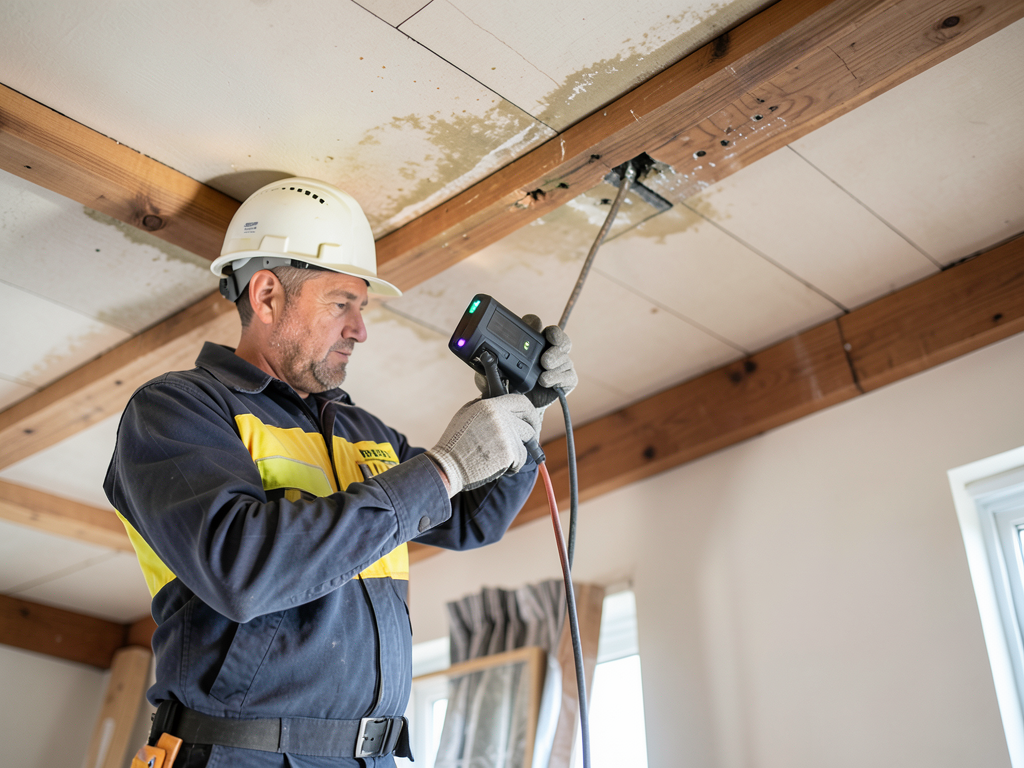
Professional roofers bring tools and expertise that DIYers lack. Thermal imaging cameras can detect moisture in walls and ceilings. Moisture meters verify if decking is salvageable. Professionals also carry insurance that protects homeowners if something goes wrong. These advantages mean the repair works the first time and lasts for years.
Cost Comparison: DIY vs Professional
| Repair Type | DIY Cost Range | Professional Cost Range | Expected Lifespan |
|---|---|---|---|
| Small Shingle Patch | $30 – $100 | $150 – $300 | 6-12 months vs 5-10 years |
| Flashing Repair | $50 – $150 | $200 – $500 | 3-6 months vs 15-20 years |
| Leak Detection | $0 (guessing) | $100 – $300 | Hours vs Accurate diagnosis |
Local Building Code Requirements
Baltimore County requires roofing permits for repairs affecting more than 100 square feet or involving structural changes. Essex homes must comply with Maryland DLLR regulations for contractor licensing. The county also mandates specific underlayment requirements in high-wind zones. DIYers working without permits face fines and must tear out non-compliant work. Maryland Home Improvement Commission licensing.
The Insurance Implications
Home insurance policies often require professional repairs for claims to be valid. DIY patches that fail can lead to denied claims for resulting water damage. Insurance companies may also raise premiums if they discover unpermitted work. Professional repairs come with documentation that satisfies insurance requirements.
Environmental Factors in Essex
Essex’s proximity to the Chesapeake Bay creates unique challenges. Salt air accelerates metal corrosion on flashing and fasteners. High humidity promotes algae and moss growth that retains moisture against shingles. Professional roofers in Essex know which materials resist these local conditions and how to prepare surfaces accordingly. Installing a Metal Roof in Columbia — Is It Worth the Investment?.
Diagnostic Tools Professionals Use
Professional roofers don’t guess where leaks originate. They use moisture meters to detect water in decking, infrared cameras to find temperature differences indicating moisture, and drones to inspect steep or dangerous areas safely. These tools eliminate the trial-and-error approach that DIYers often resort to.
Why Warranties Matter
Manufacturer warranties require professional installation for validity. DIY repairs void these warranties, leaving homeowners responsible for future failures. Professional roofers also provide their own workmanship warranties, giving homeowners protection if repairs fail prematurely. This warranty coverage represents real value that DIY savings can’t match.
The Time Factor
DIY roof repairs often take multiple weekends as homeowners learn through trial and error. Professional roofers complete most repairs in a single day. During this time, your home remains vulnerable to weather damage. The opportunity cost of DIY time, plus the risk of incomplete repairs, often exceeds professional service costs. How Much a New Roof Costs in Towson (2026 Estimates).
Quality Materials Make the Difference
Professional roofers access commercial-grade materials that outperform big-box store products. These materials cost more but provide superior adhesion, flexibility, and weather resistance. Professionals also know which brands perform best in Essex’s specific climate conditions, something product labels rarely disclose.
Long-Term Cost Analysis
A failed DIY patch often leads to repeated repairs as the same problem recurs. Each attempt costs money and allows water damage to worsen. Professional repairs address root causes, preventing the cycle of repeated failures. Over five years, professional repair often costs less than multiple DIY attempts.
Local Expertise Matters
Essex roofers understand local building patterns, common failure points, and effective repair techniques for homes in this area. They know which neighborhoods have older roofs prone to specific problems and which materials withstand local weather best. This local knowledge translates to more effective, longer-lasting repairs.
Emergency Response Capabilities
Professional roofers offer emergency services for active leaks that DIYers can’t match. When a storm damages your roof at midnight, waiting until morning often means thousands in additional water damage. Professional roofers have the equipment, materials, and experience to provide temporary protection immediately.
The Bottom Line for Essex Homeowners
DIY roof patches in Essex often fail because they address symptoms rather than causes. The combination of local weather, building codes, and material requirements creates failure patterns that require professional diagnosis and repair. While DIY might seem cheaper initially, the long-term costs of repeated failures, water damage, and code violations make professional repair the smarter investment.
Frequently Asked Questions
Can I patch my own roof if I’m careful?
Being careful helps but doesn’t overcome the technical knowledge gap. Professional roofers spend years learning proper techniques, material selection, and code requirements. Without this expertise, even careful DIY repairs often fail prematurely or create new problems.
How much does a professional roof patch cost in Essex?
Professional roof patch costs in Essex typically range from $150 to $500 depending on the repair complexity, roof pitch, and materials needed. This includes proper surface preparation, code-compliant materials, and workmanship warranty coverage.
What’s the biggest mistake DIYers make with roof repairs?
The biggest mistake is misdiagnosing the leak source. Water can travel along rafters and appear far from the actual entry point. DIYers often patch visible damage while the real problem continues, leading to repeated failures and extensive water damage.
Ready to Fix Your Roof Right?
Don’t let another storm turn your DIY patch into a major repair. Call (443) 455-9099 today to schedule a professional roof inspection. Our Essex roofing experts will diagnose the real problem and provide a lasting solution that protects your home for years to come.
Call (443) 455-9099 now before the next rain reveals your patch job failed. Professional repair costs less than you think when you factor in the cost of repeated DIY failures and water damage repairs.
{
“@context”: “https://schema.org”,
“@type”: “BlogPosting”,
“headline”: “Why DIY Roof Patches Often Fail for Homeowners in Essex”,
“description”: “Learn why DIY roof patches fail in Essex homes. Discover common mistakes, Baltimore weather risks, and when to call a professional roofer for lasting repairs.”,
“wordCount”: 1644,
“datePublished”: “2026-03-25T15:52:00.000Z”,
“dateModified”: “2026-03-25T15:52:00.000Z”,
“inLanguage”: “en-US”,
“mainEntityOfPage”: {
“@type”: “WebPage”,
“@id”: “https://aplusroofingbaltimore.com”
},
“publisher”: {
“@type”: “LocalBusiness”,
“name”: “A Plus Roofing Baltimore”,
“url”: “https://aplusroofingbaltimore.com”
},
“author”: {
“@type”: “Organization”,
“name”: “A Plus Roofing Baltimore”,
“url”: “https://aplusroofingbaltimore.com”
},
“image”: {
“@type”: “ImageObject”,
“url”: “https://aplusroofingbaltimore.com/wp-content/uploads/2026/03/why-diy-roof-patches-often-fail-for-homeowners-in-1.png”
}
}
{
“@context”: “https://schema.org”,
“@type”: “RoofingContractor”,
“name”: “A Plus Roofing Baltimore”,
“url”: “https://aplusroofingbaltimore.com”,
“address”: {
“@type”: “PostalAddress”,
“addressLocality”: “Baltimore”
},
“areaServed”: {
“@type”: “City”,
“name”: “Baltimore”
}
}
{
“@context”: “https://schema.org”,
“@type”: “FAQPage”,
“mainEntity”: [
{
“@type”: “Question”,
“name”: “Can I patch my own roof if I’m careful?”,
“acceptedAnswer”: {
“@type”: “Answer”,
“text”: “Being careful helps but doesn’t overcome the technical knowledge gap. Professional roofers spend years learning proper techniques, material selection, and code requirements. Without this expertise, even careful DIY repairs often fail prematurely or create new problems.”
}
},
{
“@type”: “Question”,
“name”: “How much does a professional roof patch cost in Essex?”,
“acceptedAnswer”: {
“@type”: “Answer”,
“text”: “Professional roof patch costs in Essex typically range from $150 to $500 depending on the repair complexity, roof pitch, and materials needed. This includes proper surface preparation, code-compliant materials, and workmanship warranty coverage.”
}
},
{
“@type”: “Question”,
“name”: “What’s the biggest mistake DIYers make with roof repairs?”,
“acceptedAnswer”: {
“@type”: “Answer”,
“text”: “The biggest mistake is misdiagnosing the leak source. Water can travel along rafters and appear far from the actual entry point. DIYers often patch visible damage while the real problem continues, leading to repeated failures and extensive water damage.”
}
},
{
“@type”: “Question”,
“name”: “Ready to Fix Your Roof Right?”,
“acceptedAnswer”: {
“@type”: “Answer”,
“text”: “Don’t let another storm turn your DIY patch into a major repair. Call (443) 455-9099 today to schedule a professional roof inspection. Our Essex roofing experts will diagnose the real problem and provide a lasting solution that protects your home for years to come.”
}
}
]
}
{
“@context”: “https://schema.org”,
“@type”: “BreadcrumbList”,
“itemListElement”: [
{
“@type”: “ListItem”,
“position”: 1,
“name”: “Home”,
“item”: “https://aplusroofingbaltimore.com”
},
{
“@type”: “ListItem”,
“position”: 2,
“name”: “Blog”,
“item”: “https://aplusroofingbaltimore.com/blog”
},
{
“@type”: “ListItem”,
“position”: 3,
“name”: “Why DIY Roof Patches Often Fail for Homeowners in Essex”
}
]
}
{
“@context”: “https://schema.org”,
“@type”: “Service”,
“serviceType”: “Roofing”,
“provider”: {
“@type”: “LocalBusiness”,
“name”: “A Plus Roofing Baltimore”,
“url”: “https://aplusroofingbaltimore.com”
},
“areaServed”: {
“@type”: “City”,
“name”: “Baltimore”
},
“description”: “Learn why DIY roof patches fail in Essex homes. Discover common mistakes, Baltimore weather risks, and when to call a professional roofer for lasting repairs.”
}