
Protecting Your Middle River Home from High Wind and Salt Spray Damage
Living along the Chesapeake Bay means enjoying spectacular waterfront views in Middle River, but your home faces unique environmental challenges. Salt spray from the bay accelerates metal corrosion while high winds create uplift pressure that can damage roofing materials. Understanding these threats helps you make informed decisions about protecting your investment. Installing a Metal Roof in Columbia — Is It Worth the Investment?.
The Chesapeake Bay region experiences sustained winds averaging 10-15 mph with gusts exceeding 40 mph during storms. These conditions create uplift forces on your roof that can tear off shingles or pull apart seams on flat roofs. Salt spray deposits chlorides on surfaces that accelerate oxidation and corrosion of metal components, including flashing, fasteners, and even some roofing materials. Metal Retrofit Roofing.
Middle River homes require specialized roofing solutions designed to withstand both the mechanical stress of high winds and the chemical attack from salt exposure. Standard roofing materials that work well inland often fail prematurely in waterfront environments. The combination of moisture, salt, and wind creates a perfect storm of conditions that can reduce roof lifespan by 30-50% without proper protection.
Local building codes recognize these challenges. The Baltimore County Code requires Class D roofing materials in wind zones near the bay, with specific uplift resistance ratings based on your property’s exact location. Properties within 1,000 feet of the water must meet higher standards than those further inland. Flat Roof Repair for Baltimore Rowhouses — What Every Homeowner in Canton Needs to Know.
Understanding Salt Spray and Wind Damage Patterns
Salt spray damage follows predictable patterns based on wind direction and your home’s orientation to the water. Homes facing southeast toward the bay typically experience the most severe exposure, while those shielded by other structures or natural features may have reduced risk. The distance from the waterline also matters significantly.
Wind uplift creates suction forces that can literally pull roofing materials off your home. The physics work differently than you might expect – wind flowing over your roof creates negative pressure on the leeward side, while positive pressure builds on the windward side. This differential force can exceed 30 pounds per square foot during severe storms.
Moisture management becomes critical in waterfront environments. High humidity levels in Middle River create ideal conditions for algae and mold growth on roofing surfaces. Gloeocapsa magma, a blue-green algae common in coastal areas, leaves dark streaks that not only look unsightly but can degrade roofing materials over time.
The freeze-thaw cycle adds another layer of complexity. When temperatures drop below freezing, any moisture trapped in roofing materials expands, creating internal pressure that can crack shingles or split seams. This cycle repeats throughout winter months, gradually weakening your roof’s integrity.
Recommended Materials for Chesapeake Bay Waterfront Homes
Material selection becomes crucial when protecting your Middle River home. Some materials excel in salt spray resistance while others provide superior wind uplift protection. The best solutions often combine multiple protective features.
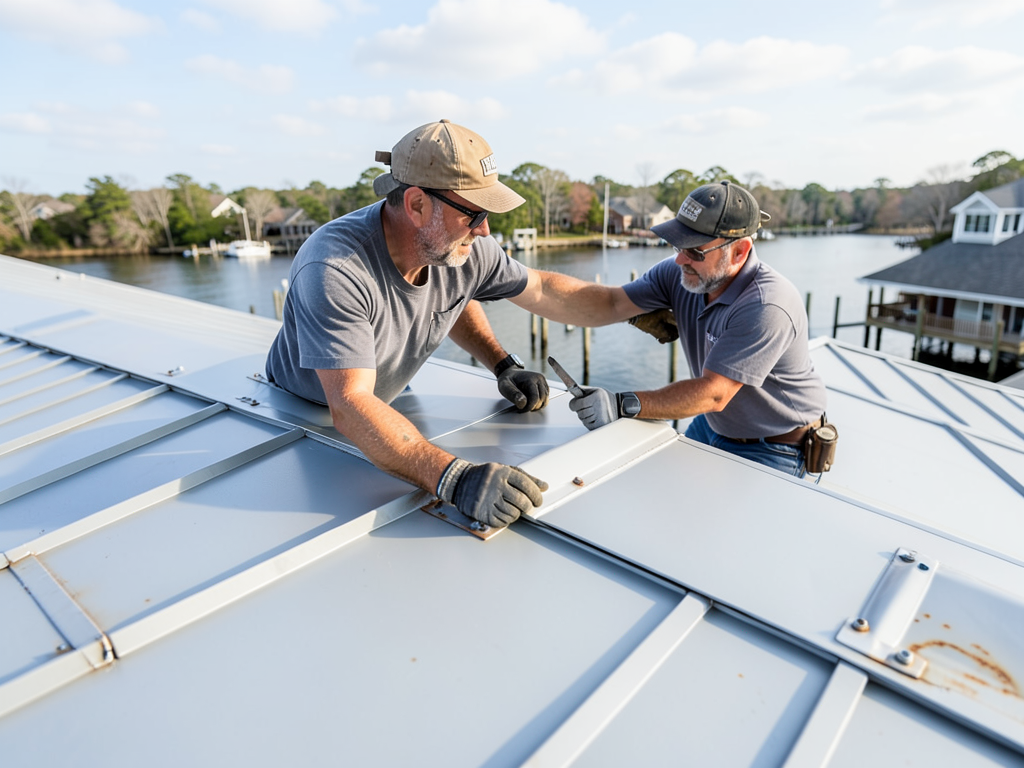
Standing seam metal roofing offers exceptional performance in waterfront environments. Aluminum panels resist corrosion naturally, while galvanized steel with specialized coatings provides excellent wind uplift resistance. The interlocking panel design creates a continuous surface that wind cannot penetrate easily.
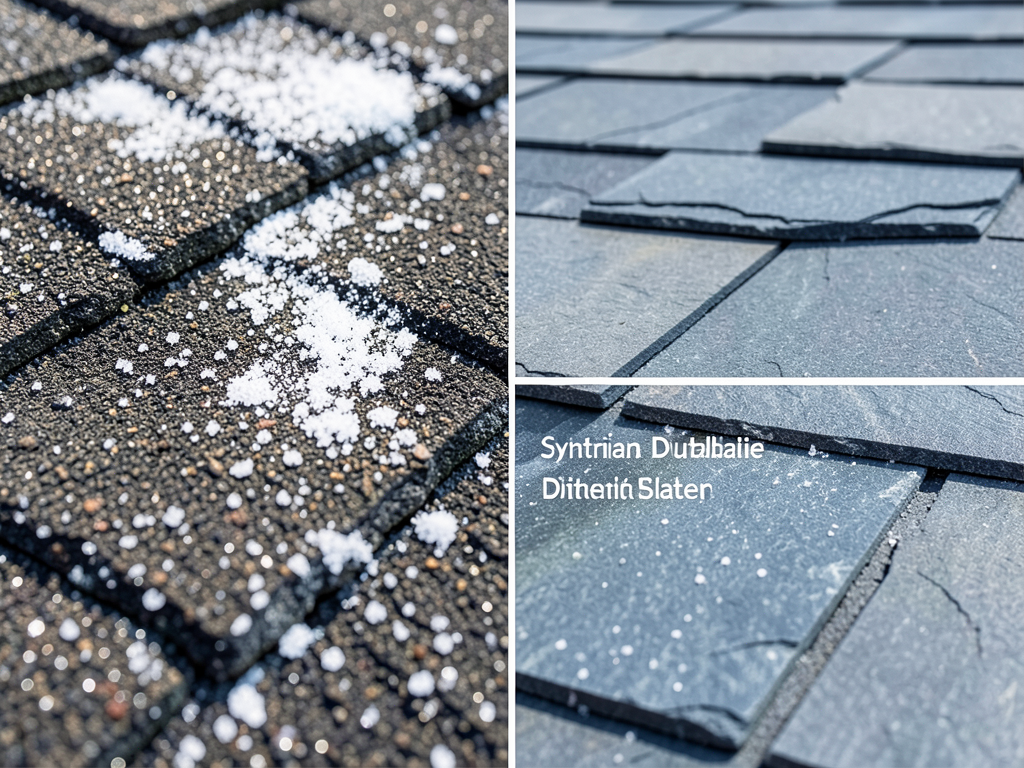
Synthetic slate and shake products provide the aesthetic appeal of natural materials with enhanced durability. These polymer-based products resist salt spray damage and maintain their color longer than organic materials. Many synthetic options carry Class A fire ratings and can withstand winds up to 110 mph.
For flat roof applications common in rowhomes, TPO and PVC membranes offer superior resistance to salt exposure and high winds. These single-ply membranes create a seamless barrier that prevents water infiltration. The white reflective surface also helps reduce cooling costs during hot Maryland summers. How Much a New Roof Costs in Towson (2026 Estimates).
High-wind rated asphalt shingles provide a cost-effective solution when properly installed. Look for products with ASTM D3161 Class F certification, which indicates wind resistance up to 110 mph. The key lies in using enhanced fastening patterns and specialized underlayments designed for waterfront conditions. ASTM D3161 wind resistance standards.
Installation Techniques for Maximum Protection
Material quality matters, but installation technique determines real-world performance. Waterfront roofing requires specific methods that exceed standard practices. The difference between a roof that lasts 15 years versus 30 years often comes down to installation details.
Fastener selection becomes critical in salt spray environments. Standard galvanized fasteners corrode within 5-7 years near the bay. Stainless steel or specially coated fasteners provide the corrosion resistance needed for long-term performance. Each fastener should be sealed with compatible sealant to prevent water intrusion.
Underlayment choices significantly impact roof performance. Traditional felt paper deteriorates quickly in high-moisture environments. Synthetic underlayments with polymer backing resist moisture absorption and provide better protection during the vulnerable period between old roof removal and new installation.
Flashing details require special attention in waterfront applications. All roof penetrations – vents, chimneys, skylights – need enhanced flashing systems. Step flashing should overlap by at least 4 inches, and counter-flashing should extend a minimum of 2 inches into masonry joints.
Ventilation strategies must account for both moisture control and wind pressure. Proper intake and exhaust ventilation prevents moisture buildup while maintaining balanced air pressure across the roof surface. This balance reduces the risk of wind uplift failure.
Middle River’s Unique Climate Considerations
Middle River experiences specific climate patterns that affect roofing performance. The area’s proximity to the bay moderates temperatures but increases humidity levels. Summer heat combined with high moisture content creates conditions that accelerate material degradation.
Winter brings freeze-thaw cycles that stress roofing materials. When daytime temperatures rise above freezing but nighttime temperatures drop below, any moisture in cracks or seams expands and contracts repeatedly. This cycle can split wood shakes, crack asphalt shingles, and separate membrane seams. EPA sustainable construction guidelines.
Summer thunderstorms generate the most severe wind conditions. These localized storms can produce wind gusts exceeding 60 mph, creating uplift forces that test even well-installed roofing systems. The combination of wind and driving rain can force water under improperly sealed materials.
Fall brings falling leaves and debris that can clog gutters and create moisture traps on roof surfaces. Standing water accelerates material deterioration and provides breeding grounds for algae and moss. Regular cleaning becomes essential for maintaining roof health.
Maintenance Schedule for Waterfront Properties
Proactive maintenance significantly extends roof life in challenging environments. Waterfront properties require more frequent inspections than inland homes due to the accelerated wear from salt and moisture exposure. A structured maintenance program prevents minor issues from becoming major problems.
Quarterly inspections should focus on different aspects of roof performance. Spring inspections check for winter damage and prepare for summer storms. Summer inspections look for algae growth and ventilation issues. Fall inspections clear debris and prepare for winter conditions. Winter inspections monitor for ice dam formation and snow load issues.
Gutter maintenance becomes critical in waterfront environments. Salt spray deposits fine particles that can accumulate in gutters and downspouts. These deposits combine with organic debris to create blockages that prevent proper drainage. Clean gutters at least twice per year, with additional cleanings after major storms.
Metal component inspection should occur annually. Check all flashing, fasteners, and exposed metal for signs of corrosion. Early detection allows for spot treatment before corrosion spreads. Pay special attention to areas where different metals contact each other, as galvanic corrosion can accelerate deterioration.
Sealant inspection and replacement should follow a regular schedule. Most roofing sealants degrade within 5-7 years, especially in high-moisture environments. Check all sealed joints annually and plan complete sealant replacement every 5 years to prevent water infiltration. Industrial Roof Replacement.
Cost Considerations for Waterfront Roofing
Investing in proper waterfront roofing requires understanding the cost factors involved. While initial costs may exceed standard roofing installations, the extended lifespan and reduced maintenance needs often provide better long-term value.
Material costs vary significantly based on performance characteristics. Basic high-wind rated asphalt shingles start around $4-6 per square foot installed, while premium synthetic slate or standing seam metal roofing can cost $12-20 per square foot. The price difference reflects the enhanced durability and specialized features.
Labor costs increase for waterfront installations due to the specialized techniques required. Installers must account for salt spray protection, enhanced fastening patterns, and moisture management systems. Expect labor rates to run 15-25% higher than standard roofing installations.
Long-term cost analysis should include maintenance expenses and expected lifespan. A $15,000 roof lasting 30 years costs $500 annually, while a $8,000 roof lasting 15 years costs $533 annually. The premium materials often provide better lifetime value despite higher upfront costs.
Insurance considerations may offset some costs. Many insurance companies offer premium discounts for roofs meeting specific wind and impact resistance standards. Check with your provider about potential savings for enhanced roofing systems.
Emergency Response for Storm Damage
Even with proper installation and maintenance, severe storms can cause unexpected damage. Having an emergency response plan protects your home from secondary damage like water infiltration and mold growth.
Immediate tarping becomes essential when roof damage occurs. Temporary protection prevents water from entering your home and causing interior damage. Keep heavy-duty tarps and appropriate fasteners on hand for quick deployment during emergencies.
Document all damage thoroughly for insurance purposes. Take clear photos of all affected areas before any temporary repairs. Note the date and time of damage occurrence, as this information helps with insurance claims and may be required for permit applications.
Emergency repair priorities should focus on preventing water infiltration first. Missing shingles or damaged flashing that exposes the underlayment requires immediate attention. Cosmetic damage can wait until permanent repairs are scheduled.
Professional assessment should occur within 24-48 hours of storm damage. Some damage may not be visible from the ground but can cause significant problems if left unrepaired. A thorough inspection identifies all issues and prevents future complications.
Frequently Asked Questions
How often should I inspect my waterfront roof?
Waterfront properties need quarterly inspections due to salt spray and high humidity exposure. Check for algae growth, corrosion, and wind damage each season. Annual professional inspections catch issues you might miss.
What’s the best roofing material for Chesapeake Bay homes?
Standing seam metal roofing provides the best combination of salt spray resistance and wind uplift protection. Aluminum offers natural corrosion resistance, while galvanized steel with specialized coatings provides superior wind performance.
How much does waterfront roofing cost compared to standard roofing?
Waterfront roofing typically costs 20-40% more due to specialized materials and installation techniques. However, the extended lifespan and reduced maintenance often provide better long-term value despite higher upfront costs.
Can I install standard roofing materials near the water?
While standard materials can be used, they typically fail 30-50% faster in waterfront environments. The salt spray and high winds create conditions that standard materials aren’t designed to withstand long-term.
What maintenance schedule should I follow?
Follow a quarterly inspection schedule with annual professional assessments. Clean gutters twice yearly, inspect metal components annually, and plan complete sealant replacement every 5 years to prevent water infiltration.
Call (443) 455-9099 today to schedule your waterfront roof inspection. Our specialists understand the unique challenges Middle River homes face and can recommend solutions that protect your investment for decades to come.
Don’t wait for the next storm to discover your roof isn’t ready for Chesapeake Bay conditions. Pick up the phone and call (443) 455-9099 before minor issues become major problems. Your waterfront home deserves specialized protection that only experienced local contractors can provide.
{
“@context”: “https://schema.org”,
“@type”: “BlogPosting”,
“headline”: “Protecting Your Middle River Home from High Wind and Salt Spray Damage”,
“description”: “Learn how to safeguard your Middle River waterfront property from Chesapeake Bay’s harsh salt spray and high winds with specialized roofing materials and expert installation.”,
“wordCount”: 1917,
“datePublished”: “2026-03-21T12:18:00.000Z”,
“dateModified”: “2026-03-21T12:18:00.000Z”,
“inLanguage”: “en-US”,
“mainEntityOfPage”: {
“@type”: “WebPage”,
“@id”: “https://aplusroofingbaltimore.com”
},
“publisher”: {
“@type”: “LocalBusiness”,
“name”: “A Plus Roofing Baltimore”,
“url”: “https://aplusroofingbaltimore.com”
},
“author”: {
“@type”: “Organization”,
“name”: “A Plus Roofing Baltimore”,
“url”: “https://aplusroofingbaltimore.com”
},
“image”: {
“@type”: “ImageObject”,
“url”: “https://aplusroofingbaltimore.com/wp-content/uploads/2026/03/protecting-your-middle-river-home-from-high-wind-a-1.png”
}
}
{
“@context”: “https://schema.org”,
“@type”: “RoofingContractor”,
“name”: “A Plus Roofing Baltimore”,
“url”: “https://aplusroofingbaltimore.com”,
“address”: {
“@type”: “PostalAddress”,
“addressLocality”: “Baltimore”
},
“areaServed”: {
“@type”: “City”,
“name”: “Baltimore”
}
}
{
“@context”: “https://schema.org”,
“@type”: “FAQPage”,
“mainEntity”: [
{
“@type”: “Question”,
“name”: “How often should I inspect my waterfront roof?”,
“acceptedAnswer”: {
“@type”: “Answer”,
“text”: “Waterfront properties need quarterly inspections due to salt spray and high humidity exposure. Check for algae growth, corrosion, and wind damage each season. Annual professional inspections catch issues you might miss.”
}
},
{
“@type”: “Question”,
“name”: “What’s the best roofing material for Chesapeake Bay homes?”,
“acceptedAnswer”: {
“@type”: “Answer”,
“text”: “Standing seam metal roofing provides the best combination of salt spray resistance and wind uplift protection. Aluminum offers natural corrosion resistance, while galvanized steel with specialized coatings provides superior wind performance.”
}
},
{
“@type”: “Question”,
“name”: “How much does waterfront roofing cost compared to standard roofing?”,
“acceptedAnswer”: {
“@type”: “Answer”,
“text”: “Waterfront roofing typically costs 20-40% more due to specialized materials and installation techniques. However, the extended lifespan and reduced maintenance often provide better long-term value despite higher upfront costs.”
}
},
{
“@type”: “Question”,
“name”: “Can I install standard roofing materials near the water?”,
“acceptedAnswer”: {
“@type”: “Answer”,
“text”: “While standard materials can be used, they typically fail 30-50% faster in waterfront environments. The salt spray and high winds create conditions that standard materials aren’t designed to withstand long-term.”
}
},
{
“@type”: “Question”,
“name”: “What maintenance schedule should I follow?”,
“acceptedAnswer”: {
“@type”: “Answer”,
“text”: “Follow a quarterly inspection schedule with annual professional assessments. Clean gutters twice yearly, inspect metal components annually, and plan complete sealant replacement every 5 years to prevent water infiltration.”
}
}
]
}
{
“@context”: “https://schema.org”,
“@type”: “BreadcrumbList”,
“itemListElement”: [
{
“@type”: “ListItem”,
“position”: 1,
“name”: “Home”,
“item”: “https://aplusroofingbaltimore.com”
},
{
“@type”: “ListItem”,
“position”: 2,
“name”: “Blog”,
“item”: “https://aplusroofingbaltimore.com/blog”
},
{
“@type”: “ListItem”,
“position”: 3,
“name”: “Protecting Your Middle River Home from High Wind and Salt Spray Damage”
}
]
}
{
“@context”: “https://schema.org”,
“@type”: “Service”,
“serviceType”: “Roofing”,
“provider”: {
“@type”: “LocalBusiness”,
“name”: “A Plus Roofing Baltimore”,
“url”: “https://aplusroofingbaltimore.com”
},
“areaServed”: {
“@type”: “City”,
“name”: “Baltimore”
},
“description”: “Learn how to safeguard your Middle River waterfront property from Chesapeake Bay’s harsh salt spray and high winds with specialized roofing materials and expert installation.”
}