
Why Your White Marsh Roof Has Ugly Black Streaks (and How to Get Rid of Them)
Those dark streaks running down your roof are not dirt or mold. They are caused by a specific type of cyanobacteria called Gloeocapsa magma that thrives in Baltimore’s humid climate. This microscopic organism feeds on the limestone filler in your asphalt shingles and creates those unsightly black streaks that make your home look older than it is.
The problem is especially common in White Marsh because the area’s proximity to the Chesapeake Bay creates perfect conditions for algae growth. Hot summers combined with high humidity allow the bacteria to spread rapidly across roof surfaces. Once established, these streaks trap heat and moisture, potentially shortening your roof’s lifespan by several years.
The good news is that these black streaks are purely cosmetic and do not indicate structural damage. However, they do signal that your roof is under stress from moisture retention and UV absorption. Understanding what causes them and how to safely remove them can save you thousands in premature replacement costs. How Much a New Roof Costs in Towson (2026 Estimates).
What Are the Black Streaks on My Roof Shingles?
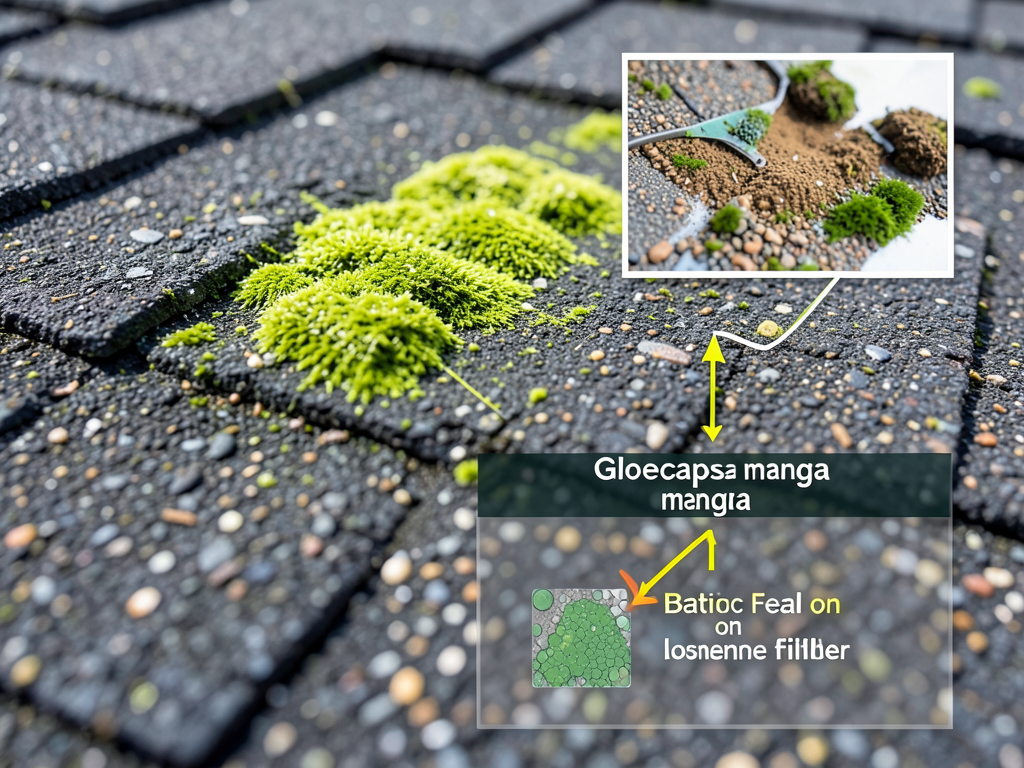
Black streaks on asphalt shingles are caused by Gloeocapsa magma, a photosynthetic bacteria that arrived in the United States about 25 years ago. These microorganisms feed on the calcium carbonate in limestone-based asphalt shingles, which became common after manufacturers switched from organic felt to fiberglass-based products.
The bacteria spread through airborne spores that land on your roof and begin multiplying in warm, moist conditions. As they grow, they produce a dark pigmented sheath that protects them from UV radiation. This dark coating is what creates the characteristic black streaks that flow downward from the roof’s peak.
Unlike moss or lichen, which are plants that can physically lift shingles, Gloeocapsa magma does not have roots or stems. It simply coats the surface of your shingles, creating a thin but visible layer of discoloration. The streaks typically appear darker on north-facing slopes because these areas retain moisture longer and receive less direct sunlight.
Is Roof Algae Dangerous to Your Home?
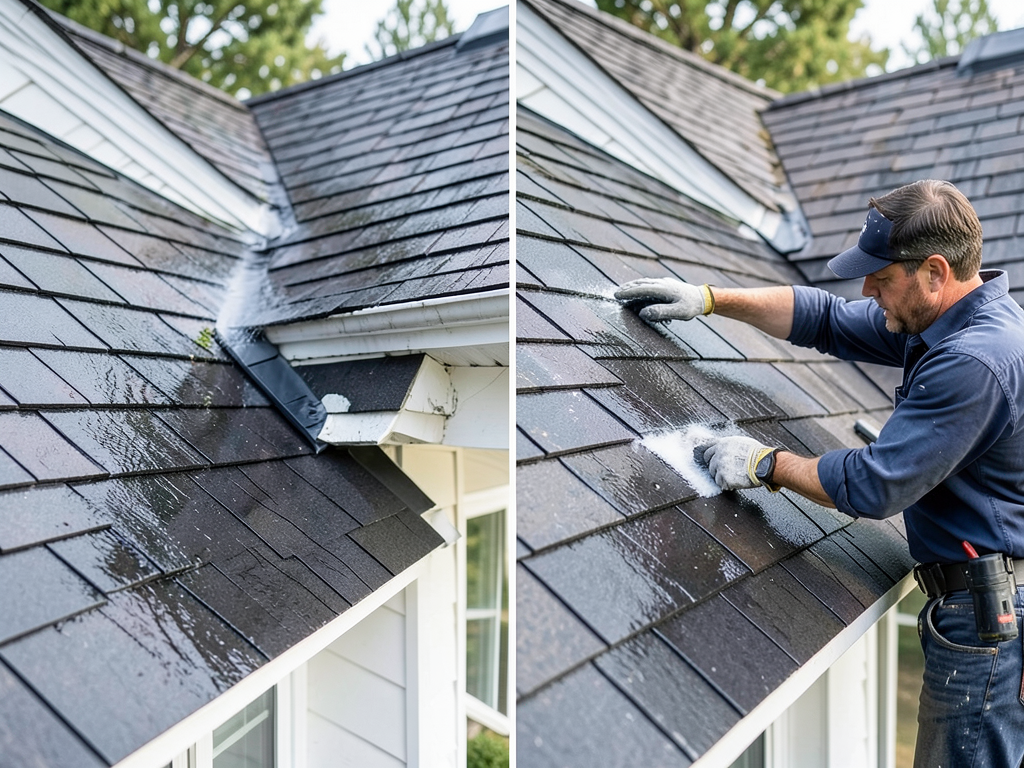
While black algae streaks look alarming, they are not structurally dangerous to your home. The bacteria do not eat through shingles or compromise the roof’s waterproofing. However, they do create several problems that affect your home’s performance and value.
The dark pigmentation absorbs more heat than clean shingles, raising your roof’s surface temperature by 10 to 15 degrees. This increased heat transfers into your attic space, forcing your air conditioning system to work harder during summer months. Studies show that algae-covered roofs can increase cooling costs by up to 10 percent.
The algae also trap moisture against the shingle surface, creating a slightly damp environment that can accelerate the aging of asphalt. While this does not cause immediate failure, it can reduce your roof’s expected lifespan from 25 years to as little as 18 to 20 years in severe cases.
From a property value perspective, black streaks significantly impact curb appeal. In White Marsh’s competitive real estate market, a stained roof can make your home appear older and less well-maintained. Real estate professionals estimate that visible roof staining can reduce a home’s perceived value by 1 to 3 percent.
Why Baltimore Homes are Prone to Roof Staining
Baltimore’s climate creates ideal conditions for algae growth. The region receives an average of 42 inches of rainfall annually, with particularly high humidity levels during summer months. White Marsh specifically experiences microclimatic effects from its proximity to both the Chesapeake Bay and the Gunpowder River, creating pockets of elevated moisture. Flat Roof Repair for Baltimore Rowhouses — What Every Homeowner in Canton Needs to Know.
The freeze-thaw cycles common in Maryland winters also contribute to the problem. When water freezes in microscopic cracks on your roof, it expands and creates tiny openings where algae spores can take hold. These cycles are especially pronounced in older neighborhoods of White Marsh where many homes were built in the 1980s and 1990s.
Local building codes in Baltimore County require specific ventilation standards for new construction, but many older homes in White Marsh were built before these requirements. Poor attic ventilation allows heat and moisture to build up under the roof deck, creating conditions that promote algae growth on the shingle surface above.
The prevalence of deciduous trees in White Marsh neighborhoods also contributes to the problem. Tree shade keeps roof surfaces cooler and wetter for longer periods, while falling leaves and twigs provide organic material that feeds microorganisms. Homes near wooded areas or with heavy tree cover often experience more severe algae growth.
Professional Cleaning vs. Roof Replacement: Which Do You Need?
Most homeowners with black streaks do not need a new roof. Professional cleaning can restore your roof’s appearance at a fraction of replacement cost. The key is choosing the right cleaning method, as improper techniques can damage your shingles and void manufacturer warranties. Industrial Roof Replacement.
Soft washing is the industry standard for algae removal. This method uses low-pressure application of specialized cleaning solutions, typically containing sodium hypochlorite and surfactants. The solution kills the algae at the cellular level without damaging shingle granules. A professional soft wash for a typical White Marsh home costs between $350 and $600.
Pressure washing, despite seeming like a logical solution, is actually harmful to asphalt shingles. High-pressure water can strip away the protective mineral granules that shield your shingles from UV damage. This not only shortens your roof’s life but may also void your warranty. Maryland building codes specifically warn against high-pressure cleaning of asphalt roofing.
Roof replacement becomes necessary only when you have multiple layers of shingles, significant granule loss, or physical damage beyond staining. A full replacement for a typical White Marsh home ranges from $8,000 to $15,000, making cleaning the obvious choice for purely cosmetic issues.
The decision often comes down to age. If your roof is less than 15 years old and the only issue is black streaking, cleaning is almost always the better investment. If your roof is approaching 20 years and shows signs of wear beyond staining, replacement might be more cost-effective long-term.
How to Prevent Black Streaks from Returning
After cleaning your roof, several preventative measures can help keep algae from returning. The most effective solution is installing copper or zinc strips near the roof peak. When rainwater flows over these metal strips, it carries trace amounts of metal ions down the roof surface. These ions create an environment where algae cannot survive. Installing a Metal Roof in Columbia — Is It Worth the Investment?.
Installation of metal strips costs approximately $200 to $400 and can keep your roof algae-free for 5 to 7 years. The strips work continuously without maintenance and are particularly effective in White Marsh’s rainy climate where water flow is consistent throughout the year. Metal Retrofit Roofing.
Another preventative option is upgrading to algae-resistant shingles when replacement becomes necessary. These shingles contain copper or zinc granules embedded in the asphalt, providing continuous protection against algae growth. While they cost about 10 percent more than standard shingles, they can eliminate the need for future cleaning.
Simple maintenance also helps prevent algae return. Keeping your roof clear of debris, trimming overhanging tree branches to increase sun exposure, and ensuring proper attic ventilation all create conditions less favorable for algae growth. Baltimore County building codes require minimum ventilation standards that, when properly implemented, help prevent moisture buildup.
Annual roof inspections can catch algae problems early before they become widespread. A professional inspection costs around $150 and includes checking for not just algae but also damaged shingles, flashing issues, and ventilation problems that could contribute to moisture retention.
Request a Local Roof Inspection in Baltimore
Black streaks on your roof deserve professional attention, but not every situation requires immediate action. A qualified roofing contractor can assess whether cleaning, preventative treatment, or replacement is your best option based on your roof’s age, condition, and your long-term plans for the property.
In White Marsh and surrounding Baltimore County areas, local building codes require roofing contractors to be licensed through the Maryland Home Improvement Commission. This ensures they understand regional weather patterns, proper installation techniques, and safety requirements specific to our area’s climate challenges.
Professional roof cleaning typically takes 2 to 4 hours for an average home and includes protecting your landscaping, using proper cleaning solutions, and ensuring all runoff is contained. The results are immediate and dramatic, often making a 15-year-old roof look nearly new again.
Don’t let cosmetic issues force you into an expensive replacement. Call (443) 455-9099 today to schedule your inspection and get honest recommendations about your roof’s condition. Our team understands Baltimore’s unique climate challenges and can provide solutions that protect both your investment and your home’s appearance.
Frequently Asked Questions
Will black streaks damage my roof?
Black streaks themselves do not cause structural damage to shingles. However, they can reduce your roof’s lifespan by 5 to 7 years by trapping heat and moisture, which accelerates the aging of asphalt materials.
How long does professional roof cleaning take?
Most residential roof cleaning jobs in White Marsh take between 2 to 4 hours. The cleaning solution needs to sit on the roof for 15 to 20 minutes to kill the algae, followed by a gentle rinse that does not damage shingles.
Can I clean the algae myself?
While DIY cleaning is possible, it carries significant risks. Walking on a roof is dangerous, and using the wrong cleaning solutions or pressure can damage shingles and void warranties. Professional cleaning ensures safe, effective results without risking personal injury or property damage.
How much does roof cleaning cost in Baltimore?
Professional roof cleaning for a typical single-story home in White Marsh ranges from $350 to $600. Larger homes or those with steep pitches may cost more. This is significantly less expensive than the $8,000 to $15,000 cost of premature roof replacement.
How can I prevent algae from coming back?
Installing copper or zinc strips near your roof peak provides the most effective long-term prevention. These metal strips cost $200 to $400 and can keep your roof algae-free for 5 to 7 years by releasing ions that prevent algae growth during rainfall. For more information, visit EPA lead safety guidelines. For more information, visit International Association of Certified Home Inspectors.
{
“@context”: “https://schema.org”,
“@type”: “BlogPosting”,
“headline”: “Why Your White Marsh Roof Has Ugly Black Streaks (and How to Get Rid of Them)”,
“description”: “Black streaks on your White Marsh roof are caused by algae. Learn why Baltimore’s humidity makes roofs vulnerable and discover safe removal methods that protect your shingles.”,
“wordCount”: 1728,
“datePublished”: “2026-03-28T13:15:00.000Z”,
“dateModified”: “2026-03-28T13:15:00.000Z”,
“inLanguage”: “en-US”,
“mainEntityOfPage”: {
“@type”: “WebPage”,
“@id”: “https://aplusroofingbaltimore.com”
},
“publisher”: {
“@type”: “LocalBusiness”,
“name”: “A Plus Roofing Baltimore”,
“url”: “https://aplusroofingbaltimore.com”
},
“author”: {
“@type”: “Organization”,
“name”: “A Plus Roofing Baltimore”,
“url”: “https://aplusroofingbaltimore.com”
},
“image”: {
“@type”: “ImageObject”,
“url”: “https://aplusroofingbaltimore.com/wp-content/uploads/2026/03/why-your-white-marsh-roof-has-ugly-black-streaks-a-1.png”
}
}
{
“@context”: “https://schema.org”,
“@type”: “RoofingContractor”,
“name”: “A Plus Roofing Baltimore”,
“url”: “https://aplusroofingbaltimore.com”,
“address”: {
“@type”: “PostalAddress”,
“addressLocality”: “Baltimore”
},
“areaServed”: {
“@type”: “City”,
“name”: “Baltimore”
}
}
{
“@context”: “https://schema.org”,
“@type”: “FAQPage”,
“mainEntity”: [
{
“@type”: “Question”,
“name”: “What Are the Black Streaks on My Roof Shingles?”,
“acceptedAnswer”: {
“@type”: “Answer”,
“text”: “Black streaks on asphalt shingles are caused by Gloeocapsa magma, a photosynthetic bacteria that arrived in the United States about 25 years ago. These microorganisms feed on the calcium carbonate in limestone-based asphalt shingles, which became common after manufacturers switched from organic felt to fiberglass-based products.”
}
},
{
“@type”: “Question”,
“name”: “Is Roof Algae Dangerous to Your Home?”,
“acceptedAnswer”: {
“@type”: “Answer”,
“text”: “While black algae streaks look alarming, they are not structurally dangerous to your home. The bacteria do not eat through shingles or compromise the roof’s waterproofing. However, they do create several problems that affect your home’s performance and value.”
}
},
{
“@type”: “Question”,
“name”: “Professional Cleaning vs. Roof Replacement: Which Do You Need?”,
“acceptedAnswer”: {
“@type”: “Answer”,
“text”: “Most homeowners with black streaks do not need a new roof. Professional cleaning can restore your roof’s appearance at a fraction of replacement cost. The key is choosing the right cleaning method, as improper techniques can damage your shingles and void manufacturer warranties. Industrial Roof Replacement.”
}
},
{
“@type”: “Question”,
“name”: “Will black streaks damage my roof?”,
“acceptedAnswer”: {
“@type”: “Answer”,
“text”: “Black streaks themselves do not cause structural damage to shingles. However, they can reduce your roof’s lifespan by 5 to 7 years by trapping heat and moisture, which accelerates the aging of asphalt materials.”
}
},
{
“@type”: “Question”,
“name”: “How long does professional roof cleaning take?”,
“acceptedAnswer”: {
“@type”: “Answer”,
“text”: “Most residential roof cleaning jobs in White Marsh take between 2 to 4 hours. The cleaning solution needs to sit on the roof for 15 to 20 minutes to kill the algae, followed by a gentle rinse that does not damage shingles.”
}
},
{
“@type”: “Question”,
“name”: “Can I clean the algae myself?”,
“acceptedAnswer”: {
“@type”: “Answer”,
“text”: “While DIY cleaning is possible, it carries significant risks. Walking on a roof is dangerous, and using the wrong cleaning solutions or pressure can damage shingles and void warranties. Professional cleaning ensures safe, effective results without risking personal injury or property damage.”
}
},
{
“@type”: “Question”,
“name”: “How much does roof cleaning cost in Baltimore?”,
“acceptedAnswer”: {
“@type”: “Answer”,
“text”: “Professional roof cleaning for a typical single-story home in White Marsh ranges from $350 to $600. Larger homes or those with steep pitches may cost more. This is significantly less expensive than the $8,000 to $15,000 cost of premature roof replacement.”
}
}
]
}
{
“@context”: “https://schema.org”,
“@type”: “BreadcrumbList”,
“itemListElement”: [
{
“@type”: “ListItem”,
“position”: 1,
“name”: “Home”,
“item”: “https://aplusroofingbaltimore.com”
},
{
“@type”: “ListItem”,
“position”: 2,
“name”: “Blog”,
“item”: “https://aplusroofingbaltimore.com/blog”
},
{
“@type”: “ListItem”,
“position”: 3,
“name”: “Why Your White Marsh Roof Has Ugly Black Streaks (and How to Get Rid of Them)”
}
]
}
{
“@context”: “https://schema.org”,
“@type”: “Service”,
“serviceType”: “Roofing”,
“provider”: {
“@type”: “LocalBusiness”,
“name”: “A Plus Roofing Baltimore”,
“url”: “https://aplusroofingbaltimore.com”
},
“areaServed”: {
“@type”: “City”,
“name”: “Baltimore”
},
“description”: “Black streaks on your White Marsh roof are caused by algae. Learn why Baltimore’s humidity makes roofs vulnerable and discover safe removal methods that protect your shingles.”
}