
Protecting Your Cockeysville Roof from Overhanging Tree Branches and Falling Limbs
Living in Cockeysville means enjoying mature trees and lush canopies but those same trees can threaten your roof during Maryland’s storms. Heavy branches overhanging your shingles collect leaves that trap moisture breed moss and can snap under snow or wind loads. This guide covers proven prevention strategies specific to Baltimore’s climate and local tree species so you can protect your home before the next storm hits. Baltimore County Code of Ordinances.
Why Cockeysville Homes Face Unique Tree-Related Roof Risks
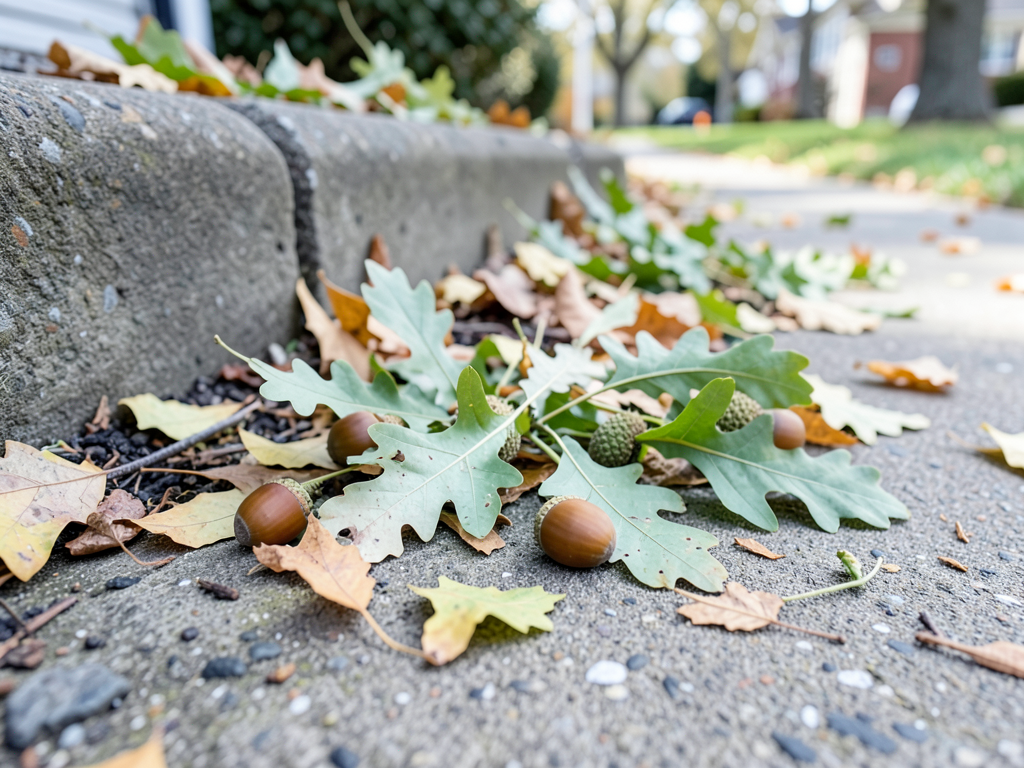
Cockeysville sits in Baltimore County where mature White Oaks and Silver Maples are common. These hardwoods grow quickly and their limbs can extend over rooftops creating constant debris fall. Maryland’s humid summers and wet winters mean leaves and twigs stay damp longer accelerating moss and algae growth on shingles. When heavy wet snow or Nor’easter winds hit weakened branches can break and crash onto your roof deck causing immediate structural damage. Maryland Forest Conservation Act.
Local building codes in Baltimore County require a minimum 10-foot clearance between large tree limbs and any structure to reduce fire risk and prevent roof damage. This “10-foot rule” is not just advice; it is part of the Maryland Forest Conservation Act guidelines for residential properties. Ignoring it can lead to costly emergency repairs and potential insurance claim denials if neglect is proven. Flat Roof Repair for Baltimore Rowhouses — What Every Homeowner in Canton Needs to Know.
5 Proactive Steps to Prevent Tree-Related Roof Damage
Taking these steps now can save you thousands in emergency repairs later. Each measure addresses a specific failure point in the tree-to-roof relationship.
- Maintain 10-Foot Branch Clearance
Trim all limbs back at least 10 feet from your roof edge. This prevents leaf buildup and reduces the chance of branches falling on shingles during storms. Use clean cuts to promote healthy tree healing.
- Clean Gutters Quarterly
Clogged gutters overflow and send water under shingles causing rot and ice damming in winter. Remove leaves sticks and seed pods from White Oak and Maple trees that clog drains quickly.
- Install Gutter Guards
Mesh or perforated guards block large debris while letting water flow. This reduces maintenance and prevents overflow damage to fascia and soffits.
- Inspect Trees Annually for Disease
Look for dead limbs fungal growth or leaning trunks. A certified arborist can spot internal rot that makes branches prone to breaking.
- Schedule Professional Pruning
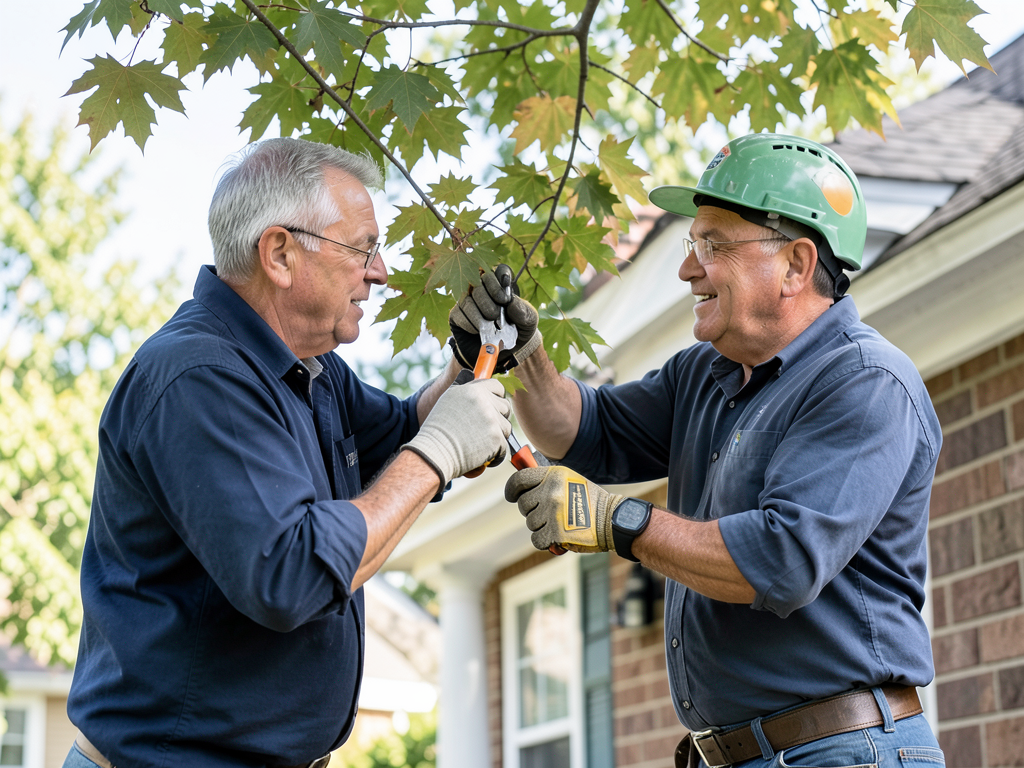
DIY trimming risks injury and improper cuts. A licensed tree service follows ANSI A300 pruning standards to keep trees healthy and safe near your home.
Identifying Warning Signs Before the Storm
Knowing what to look for can help you act before damage occurs. These visual cues indicate a tree that may fail in high winds or under snow load.
- Dead or hanging branches especially large ones over your roofline
- Cracks in the trunk or major limbs that suggest structural weakness
- Root uplift or soil heaving near the base indicating instability
- Excessive leaf loss out of season signaling disease or pest damage
- Mushrooms or fungal growth on the trunk or roots
If you see any of these signs call a certified arborist immediately. Early removal of hazardous limbs can prevent roof punctures and water intrusion.
The Cost of Prevention vs. The Cost of Repair
Tree trimming and gutter maintenance cost far less than emergency roof replacement. Here is a quick comparison of typical costs in the Baltimore area. How Much a New Roof Costs in Towson (2026 Estimates).
| Service | Average Cost (Baltimore) | Potential Damage if Ignored |
|---|---|---|
| Annual tree inspection | $150-$300 | Roof deck puncture $2,000-$8,000 |
| Professional pruning (10 trees) | $500-$1,200 | Gutter replacement $1,200-$2,500 |
| Gutter guard installation | $1,000-$2,500 | Interior water damage $5,000-$15,000 |
Preventing damage costs about 10% of what emergency repairs run. Plus you avoid the hassle of tarping your roof during a storm and filing insurance claims.
Insurance and Liability in Maryland
Maryland homeowners insurance typically covers sudden accidental tree damage but may deny claims if the tree was visibly diseased or dead before the storm. This is called “negligence.” If you ignored obvious warning signs and a limb falls your insurer could refuse payment.
Maryland law also holds property owners responsible for maintaining trees on their land. If a dead branch from your tree damages a neighbor’s home you could be liable for repairs. Keeping up with pruning and inspections protects you from lawsuits and claim denials.
Document your tree maintenance with photos and service receipts. This paper trail proves due diligence if a dispute arises after a storm.
Post-Storm Roof Inspection Checklist
After a heavy storm inspect your roof for damage. Use binoculars from the ground if you cannot safely climb. Look for these signs:
- Missing or curled shingles from impact or wind uplift
- Granule loss in gutters indicating shingle wear
- Dented or cracked flashing around chimneys and vents
- Branches or debris on the roof that could trap moisture
- Water stains on ceilings or walls inside your home
If you find any damage call a licensed roofing contractor immediately. Quick tarping can prevent interior water damage while you arrange permanent repairs. Weekend Roofing Service.
Call (443) 455-9099 for a Free Roof and Tree Risk Assessment
Don’t wait for the next storm to find out your roof is vulnerable. Call (443) 455-9099 today to schedule a free inspection. Our team will check your shingles flashing and gutters and identify any overhanging branches that threaten your home. We serve Cockeysville and all of Baltimore County with fast reliable service backed by years of local experience.
Pick up the phone and call (443) 455-9099 before the next storm hits. Protect your home and your peace of mind with a single call.
Frequently Asked Questions
How close can tree branches be to my roof?
Building codes recommend at least 10 feet of clearance to prevent damage and reduce fire risk.
Can I trim trees myself or should I hire a professional?
Small branches can be trimmed DIY but large limbs near your roof should be handled by a certified arborist to avoid injury and property damage.
Will my insurance cover tree damage to my roof?
Most policies cover sudden accidental damage but may deny claims if the tree was visibly diseased or dead before the storm.
How often should I clean my gutters in Cockeysville?
Clean gutters at least twice a year in spring and fall. If you have many trees consider quarterly cleaning.
What are the signs of a hazardous tree?
Look for dead branches cracks in the trunk fungal growth or leaning trunks. These indicate a higher risk of failure. For more information, visit International Society of Arboriculture.
{
“@context”: “https://schema.org”,
“@type”: “BlogPosting”,
“headline”: “Protecting Your Cockeysville Roof from Overhanging Tree Branches and Falling Limbs”,
“description”: “Learn how to protect your Cockeysville roof from tree damage with local codes, species-specific pruning, and early warning signs for Maryland’s climate.”,
“wordCount”: 1104,
“datePublished”: “2026-03-29T06:12:00.000Z”,
“dateModified”: “2026-03-29T06:12:00.000Z”,
“inLanguage”: “en-US”,
“mainEntityOfPage”: {
“@type”: “WebPage”,
“@id”: “https://aplusroofingbaltimore.com”
},
“publisher”: {
“@type”: “LocalBusiness”,
“name”: “A Plus Roofing Baltimore”,
“url”: “https://aplusroofingbaltimore.com”
},
“author”: {
“@type”: “Organization”,
“name”: “A Plus Roofing Baltimore”,
“url”: “https://aplusroofingbaltimore.com”
},
“image”: {
“@type”: “ImageObject”,
“url”: “https://aplusroofingbaltimore.com/wp-content/uploads/2026/03/protecting-your-cockeysville-roof-from-overhanging-1.png”
}
}
{
“@context”: “https://schema.org”,
“@type”: “RoofingContractor”,
“name”: “A Plus Roofing Baltimore”,
“url”: “https://aplusroofingbaltimore.com”,
“address”: {
“@type”: “PostalAddress”,
“addressLocality”: “Baltimore”
},
“areaServed”: {
“@type”: “City”,
“name”: “Baltimore”
}
}
{
“@context”: “https://schema.org”,
“@type”: “FAQPage”,
“mainEntity”: [
{
“@type”: “Question”,
“name”: “How close can tree branches be to my roof?”,
“acceptedAnswer”: {
“@type”: “Answer”,
“text”: “Building codes recommend at least 10 feet of clearance to prevent damage and reduce fire risk.”
}
},
{
“@type”: “Question”,
“name”: “Can I trim trees myself or should I hire a professional?”,
“acceptedAnswer”: {
“@type”: “Answer”,
“text”: “Small branches can be trimmed DIY but large limbs near your roof should be handled by a certified arborist to avoid injury and property damage.”
}
},
{
“@type”: “Question”,
“name”: “Will my insurance cover tree damage to my roof?”,
“acceptedAnswer”: {
“@type”: “Answer”,
“text”: “Most policies cover sudden accidental damage but may deny claims if the tree was visibly diseased or dead before the storm.”
}
},
{
“@type”: “Question”,
“name”: “How often should I clean my gutters in Cockeysville?”,
“acceptedAnswer”: {
“@type”: “Answer”,
“text”: “Clean gutters at least twice a year in spring and fall. If you have many trees consider quarterly cleaning.”
}
},
{
“@type”: “Question”,
“name”: “What are the signs of a hazardous tree?”,
“acceptedAnswer”: {
“@type”: “Answer”,
“text”: “Look for dead branches cracks in the trunk fungal growth or leaning trunks. These indicate a higher risk of failure. For more information, visit International Society of Arboriculture.”
}
}
]
}
{
“@context”: “https://schema.org”,
“@type”: “HowTo”,
“name”: “How to Prevent Tree Damage to Your Roof”,
“step”: [
{
“@type”: “HowToStep”,
“position”: 1,
“name”: “Maintain 10-Foot Branch Clearance”,
“text”: “Trim all limbs back at least 10 feet from your roof edge. This prevents leaf buildup and reduces the chance of branches falling on shingles during storms. Use clean cuts to promote healthy tree healing.”
},
{
“@type”: “HowToStep”,
“position”: 2,
“name”: “Clean Gutters Quarterly”,
“text”: “Clogged gutters overflow and send water under shingles causing rot and ice damming in winter. Remove leaves sticks and seed pods from White Oak and Maple trees that clog drains quickly.”
},
{
“@type”: “HowToStep”,
“position”: 3,
“name”: “Install Gutter Guards”,
“text”: “Mesh or perforated guards block large debris while letting water flow. This reduces maintenance and prevents overflow damage to fascia and soffits.”
},
{
“@type”: “HowToStep”,
“position”: 4,
“name”: “Inspect Trees Annually for Disease”,
“text”: “Look for dead limbs fungal growth or leaning trunks. A certified arborist can spot internal rot that makes branches prone to breaking.”
},
{
“@type”: “HowToStep”,
“position”: 5,
“name”: “Schedule Professional Pruning”,
“text”: “DIY trimming risks injury and improper cuts. A licensed tree service follows ANSI A300 pruning standards to keep trees healthy and safe near your home.”
}
],
“image”: “https://aplusroofingbaltimore.com/wp-content/uploads/2026/03/protecting-your-cockeysville-roof-from-overhanging-1.png”
}
{
“@context”: “https://schema.org”,
“@type”: “BreadcrumbList”,
“itemListElement”: [
{
“@type”: “ListItem”,
“position”: 1,
“name”: “Home”,
“item”: “https://aplusroofingbaltimore.com”
},
{
“@type”: “ListItem”,
“position”: 2,
“name”: “Blog”,
“item”: “https://aplusroofingbaltimore.com/blog”
},
{
“@type”: “ListItem”,
“position”: 3,
“name”: “Protecting Your Cockeysville Roof from Overhanging Tree Branches and Falling Limbs”
}
]
}
{
“@context”: “https://schema.org”,
“@type”: “Service”,
“serviceType”: “Roofing”,
“provider”: {
“@type”: “LocalBusiness”,
“name”: “A Plus Roofing Baltimore”,
“url”: “https://aplusroofingbaltimore.com”
},
“areaServed”: {
“@type”: “City”,
“name”: “Baltimore”
},
“description”: “Learn how to protect your Cockeysville roof from tree damage with local codes, species-specific pruning, and early warning signs for Maryland’s climate.”
}