
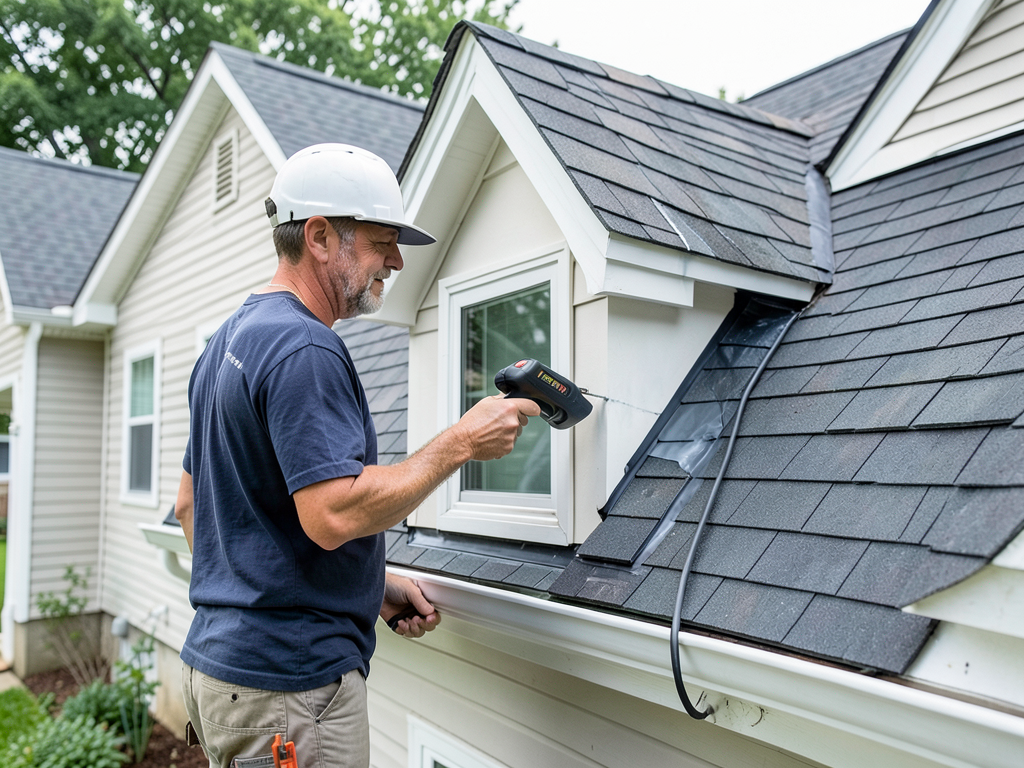
Fixing Common Dormer Roof Leaks in Lauraville and Hamilton
If you own a Cape Cod or bungalow-style home in Lauraville or Hamilton, you already know dormers are beautiful architectural features that can become major headache sources when they leak. These roof projections create dozens of vulnerable joints where water can sneak in, especially during Baltimore’s heavy rain seasons and freeze-thaw cycles. The good news is most dormer leaks follow predictable patterns, and a trained eye can spot and fix them before they cause serious damage. Flat Roof Repair for Baltimore Rowhouses — What Every Homeowner in Canton Needs to Know.
Water typically enters through failed step flashing, deteriorated window sills, or clogged valleys where dormers meet the main roof. Left unchecked, these small breaches can rot structural wood, damage interior walls, and create mold problems that spread throughout your home. This guide breaks down the most common leak sources in Baltimore’s historic and suburban homes and shows you what a proper repair looks like from inspection to final sealing. EPA insulation recommendations.
Why Baltimore Dormers Leak More Than Other Roof Areas
Dormers are essentially small houses built into your roof, and each joint between the dormer wall and main roof creates a potential water entry point. In Baltimore’s humid climate, these areas face constant moisture exposure, thermal expansion, and freeze-thaw stress that gradually breaks down even quality installations. The step flashing that should channel water away from these joints often fails first, especially on older homes where original flashing has corroded or shifted.
Window integration adds another layer of complexity. Many Baltimore dormers use wood window casings that absorb moisture over decades, causing them to swell, crack, and pull away from the siding. This creates gaps where wind-driven rain can penetrate directly into wall cavities. Combined with Baltimore’s frequent coastal storms, these vulnerabilities make dormers the most common leak source in many local homes.
Ice damming poses a unique threat in northern Baltimore County suburbs like Hamilton, where winter temperatures fluctuate around freezing. Snow melts on warm roof surfaces, then refreezes at dormer valleys, creating ice dams that force water under shingles. The International Residential Code requires ice and water shield in these areas, but many older installations lack this protection. International Residential Code roofing requirements.
Common Dormer Leak Sources and Warning Signs
Understanding where leaks typically occur helps you catch problems early. Here are the most frequent failure points in Baltimore-area dormers:
- Visual Inspection from Ground Level
Look for missing or curled shingles around dormer edges, rust stains on siding, or peeling paint on window casings. These surface signs often indicate deeper water intrusion.
- Interior Water Stain Mapping
Check ceilings and walls directly below dormers for water stains, bubbling paint, or musty odors. The location of interior damage helps pinpoint the leak source on the exterior.
- Moisture Meter Testing
Using a moisture meter on dormer walls and roof decking reveals hidden water damage that isn’t visible to the naked eye. Readings above 15% moisture content indicate active leaks.
- Flashing Integrity Check
Examine step flashing for gaps, rust, or separation from both the roof and dormer wall. Even small gaps allow significant water entry during storms.
Window sill deterioration represents another major failure point. Many Baltimore homes built before 1980 used untreated wood sills that have now rotted completely. You can test this by pressing a screwdriver into the sill edge – if it sinks easily, the wood has lost structural integrity and needs replacement. Industrial Roof Replacement.
Valley clogs from leaves and debris create slow leaks that worsen over time. Baltimore’s mature tree canopy means many dormers sit under heavy leaf fall areas. When valleys fill with debris, water backs up and finds paths under shingles, especially during heavy rain events common to the Chesapeake Bay region.
Repair Process for Baltimore Dormer Leaks
Proper dormer repair requires systematic removal of damaged materials and installation of new waterproofing components. Here’s the process a professional roofing team follows: Weekend Roofing Service.
- Complete Area Isolation
Protect surrounding landscaping and interior spaces with tarps and plastic sheeting. Dormer work generates debris that can damage plants and create interior messes.
- Damaged Material Removal
Carefully remove shingles, flashing, and underlayment around the leak area. This reveals the extent of water damage to decking and structural members.
- Structural Assessment
Inspect roof decking and dormer framing for rot or structural compromise. Maryland building codes require replacement of any wood with moisture content above 19%.
- Ice and Water Shield Installation
Apply self-adhering ice and water shield at least 24 inches past the interior wall line, as required by the International Residential Code in snow-prone areas.
- New Flashing Installation
Install new step flashing that extends at least 4 inches up the dormer wall and 6 inches onto the roof plane. Each piece must overlap the previous by at least 2 inches.
- Window Sill Repair or Replacement
Replace rotted sills with pressure-treated lumber or PVC composite that resists moisture absorption. Install proper flashing integration with the new sill.
- Final Waterproofing
Install new underlayment and matching shingles, ensuring all edges are properly sealed and integrated with existing roofing.
The key to lasting repairs is proper integration between roofing and siding materials. Many Baltimore dormers have vinyl or fiber cement siding that expands and contracts differently than roofing materials. Professional installers use flexible sealants and properly overlapped flashing to accommodate these movement differences.
Cost Factors for Dormer Repairs in Baltimore
Dormer repair costs vary significantly based on damage extent and repair complexity. Simple flashing repairs might cost $500-800, while complete dormer rebuilds with structural repairs can exceed $5,000. Several factors influence your final price: How Much a New Roof Costs in Towson (2026 Estimates).
| Factor | Impact on Cost | Typical Range |
|---|---|---|
| Access difficulty | Steep roofs or limited staging areas increase labor time | $200-600 |
| Structural damage | Rotted framing requires carpentry work beyond roofing | $1,000-3,000 |
| Material matching | Finding exact shingle or siding matches can be challenging | $300-800 |
| Historic district requirements | CHAP compliance may require specific materials or methods | $400-1,200 |
| Ice and water shield upgrade | Adding this protection to older installations increases materials cost | $500-1,500 |
Homes in Baltimore’s historic districts face additional requirements. The Commission for Historical and Architectural Preservation (CHAP) often mandates specific materials or repair methods to maintain neighborhood character. These requirements can add time and cost but ensure your repairs meet preservation standards.
Preventing Future Dormer Leaks
Prevention costs far less than emergency repairs. Here are maintenance steps that protect your dormers:
- Annual Inspection Schedule
Check dormers each spring and fall for cracked caulking, missing shingles, or rust spots on flashing. Early detection prevents major damage.
- Valley Cleaning
Remove leaves and debris from dormer valleys every fall. Consider installing metal valley guards in areas with heavy tree cover. Installing a Metal Roof in Columbia — Is It Worth the Investment?.
- Caulking Maintenance
Replace exterior caulking every 5-7 years, or sooner if you notice cracking or separation. Use high-quality polyurethane caulk designed for exterior use.
- Gutter System Check
Ensure downspouts direct water away from dormer foundations. Overflowing gutters can direct water toward vulnerable roof-wall junctions.
Ice dam prevention requires specific strategies in Baltimore’s climate. Proper attic insulation and ventilation keep roof surfaces cold, preventing the freeze-thaw cycles that create ice dams. The EPA recommends R-38 to R-60 insulation in Maryland attics, depending on your specific location within the state.
Choosing the Right Contractor for Dormer Repairs
Dormer repairs require specialized knowledge that many general roofers lack. Look for contractors with specific dormer repair experience and proper licensing. In Maryland, all roofing contractors must hold a Home Improvement Commission license and carry appropriate insurance coverage.
Ask potential contractors about their dormer-specific experience. A qualified professional should discuss step flashing techniques, window integration methods, and ice dam prevention strategies without hesitation. Request photos of completed dormer repairs, particularly those similar to your home’s architecture.
Local experience matters significantly. Baltimore’s unique weather patterns, historic housing stock, and specific building code requirements mean out-of-town contractors often miss critical details. A contractor familiar with Lauraville and Hamilton neighborhoods understands the common architectural styles and typical failure patterns in these areas.
Frequently Asked Questions
How can I tell if my dormer leak is serious?
Active water stains on interior walls, visible mold growth, or soft spots on exterior siding indicate serious leaks requiring immediate attention. Even small leaks can cause major structural damage within months.
Will my homeowner’s insurance cover dormer repairs?
Most policies cover sudden damage from storms but exclude gradual deterioration from lack of maintenance. Document the damage with photos and contact your insurance company promptly if you suspect a covered event.
How long do dormer repairs typically take?
Simple flashing repairs take 1-2 days. Complete dormer rebuilds requiring structural work may take 3-5 days depending on weather and material availability.
Should I replace my entire roof if I have dormer leaks?
Not necessarily. Many dormer leaks are isolated issues that don’t require full roof replacement. A thorough inspection will determine if repairs suffice or if broader replacement makes more sense.
What’s the best time of year for dormer repairs in Baltimore?
Spring and fall offer ideal conditions, though emergency repairs happen year-round. Summer heat can make working conditions difficult, while winter cold affects material adhesion and curing times.
Call (443) 455-9099 Today to Stop Dormer Leaks
Don’t let a small dormer leak become a major structural problem. Our Baltimore-based team specializes in dormer repairs for Lauraville, Hamilton, and surrounding neighborhoods. We understand the unique challenges these beautiful older homes face and provide lasting solutions backed by our satisfaction guarantee.
Pick up the phone and call (443) 455-9099 before the next storm hits. We’ll inspect your dormers, identify problem areas, and provide a clear plan to keep your home dry and protected for years to come.
Emergency Service Available – We respond to active leaks within 24 hours throughout the Baltimore metro area. Don’t wait until water damage spreads through your walls and ceilings.
{
“@context”: “https://schema.org”,
“@type”: “BlogPosting”,
“headline”: “Fixing Common Dormer Roof Leaks in Lauraville and Hamilton”,
“description”: “Dormer roof leaks in Lauraville and Hamilton homes? Learn how to fix step-flashing failures, window sill rot, and ice damming with expert Baltimore roofing solutions.”,
“wordCount”: 1653,
“datePublished”: “2026-03-23T11:42:00.000Z”,
“dateModified”: “2026-03-23T11:42:00.000Z”,
“inLanguage”: “en-US”,
“mainEntityOfPage”: {
“@type”: “WebPage”,
“@id”: “https://aplusroofingbaltimore.com”
},
“publisher”: {
“@type”: “LocalBusiness”,
“name”: “A Plus Roofing Baltimore”,
“url”: “https://aplusroofingbaltimore.com”
},
“author”: {
“@type”: “Organization”,
“name”: “A Plus Roofing Baltimore”,
“url”: “https://aplusroofingbaltimore.com”
},
“image”: {
“@type”: “ImageObject”,
“url”: “https://aplusroofingbaltimore.com/wp-content/uploads/2026/03/fixing-common-dormer-roof-leaks-in-lauraville-and-1.png”
}
}
{
“@context”: “https://schema.org”,
“@type”: “RoofingContractor”,
“name”: “A Plus Roofing Baltimore”,
“url”: “https://aplusroofingbaltimore.com”,
“address”: {
“@type”: “PostalAddress”,
“addressLocality”: “Baltimore”
},
“areaServed”: {
“@type”: “City”,
“name”: “Baltimore”
}
}
{
“@context”: “https://schema.org”,
“@type”: “FAQPage”,
“mainEntity”: [
{
“@type”: “Question”,
“name”: “How can I tell if my dormer leak is serious?”,
“acceptedAnswer”: {
“@type”: “Answer”,
“text”: “Active water stains on interior walls, visible mold growth, or soft spots on exterior siding indicate serious leaks requiring immediate attention. Even small leaks can cause major structural damage within months.”
}
},
{
“@type”: “Question”,
“name”: “Will my homeowner’s insurance cover dormer repairs?”,
“acceptedAnswer”: {
“@type”: “Answer”,
“text”: “Most policies cover sudden damage from storms but exclude gradual deterioration from lack of maintenance. Document the damage with photos and contact your insurance company promptly if you suspect a covered event.”
}
},
{
“@type”: “Question”,
“name”: “How long do dormer repairs typically take?”,
“acceptedAnswer”: {
“@type”: “Answer”,
“text”: “Simple flashing repairs take 1-2 days. Complete dormer rebuilds requiring structural work may take 3-5 days depending on weather and material availability.”
}
},
{
“@type”: “Question”,
“name”: “Should I replace my entire roof if I have dormer leaks?”,
“acceptedAnswer”: {
“@type”: “Answer”,
“text”: “Not necessarily. Many dormer leaks are isolated issues that don’t require full roof replacement. A thorough inspection will determine if repairs suffice or if broader replacement makes more sense.”
}
},
{
“@type”: “Question”,
“name”: “What’s the best time of year for dormer repairs in Baltimore?”,
“acceptedAnswer”: {
“@type”: “Answer”,
“text”: “Spring and fall offer ideal conditions, though emergency repairs happen year-round. Summer heat can make working conditions difficult, while winter cold affects material adhesion and curing times.”
}
}
]
}
{
“@context”: “https://schema.org”,
“@type”: “HowTo”,
“name”: “Dormer Leak Diagnostic Process”,
“step”: [
{
“@type”: “HowToStep”,
“position”: 1,
“name”: “Visual Inspection from Ground Level”,
“text”: “Look for missing or curled shingles around dormer edges, rust stains on siding, or peeling paint on window casings. These surface signs often indicate deeper water intrusion.”
},
{
“@type”: “HowToStep”,
“position”: 2,
“name”: “Interior Water Stain Mapping”,
“text”: “Check ceilings and walls directly below dormers for water stains, bubbling paint, or musty odors. The location of interior damage helps pinpoint the leak source on the exterior.”
},
{
“@type”: “HowToStep”,
“position”: 3,
“name”: “Moisture Meter Testing”,
“text”: “Using a moisture meter on dormer walls and roof decking reveals hidden water damage that isn’t visible to the naked eye. Readings above 15% moisture content indicate active leaks.”
},
{
“@type”: “HowToStep”,
“position”: 4,
“name”: “Flashing Integrity Check”,
“text”: “Examine step flashing for gaps, rust, or separation from both the roof and dormer wall. Even small gaps allow significant water entry during storms.”
}
],
“image”: “https://aplusroofingbaltimore.com/wp-content/uploads/2026/03/fixing-common-dormer-roof-leaks-in-lauraville-and-1.png”
}
{
“@context”: “https://schema.org”,
“@type”: “BreadcrumbList”,
“itemListElement”: [
{
“@type”: “ListItem”,
“position”: 1,
“name”: “Home”,
“item”: “https://aplusroofingbaltimore.com”
},
{
“@type”: “ListItem”,
“position”: 2,
“name”: “Blog”,
“item”: “https://aplusroofingbaltimore.com/blog”
},
{
“@type”: “ListItem”,
“position”: 3,
“name”: “Fixing Common Dormer Roof Leaks in Lauraville and Hamilton”
}
]
}
{
“@context”: “https://schema.org”,
“@type”: “Service”,
“serviceType”: “Roofing”,
“provider”: {
“@type”: “LocalBusiness”,
“name”: “A Plus Roofing Baltimore”,
“url”: “https://aplusroofingbaltimore.com”
},
“areaServed”: {
“@type”: “City”,
“name”: “Baltimore”
},
“description”: “Dormer roof leaks in Lauraville and Hamilton homes? Learn how to fix step-flashing failures, window sill rot, and ice damming with expert Baltimore roofing solutions.”
}