
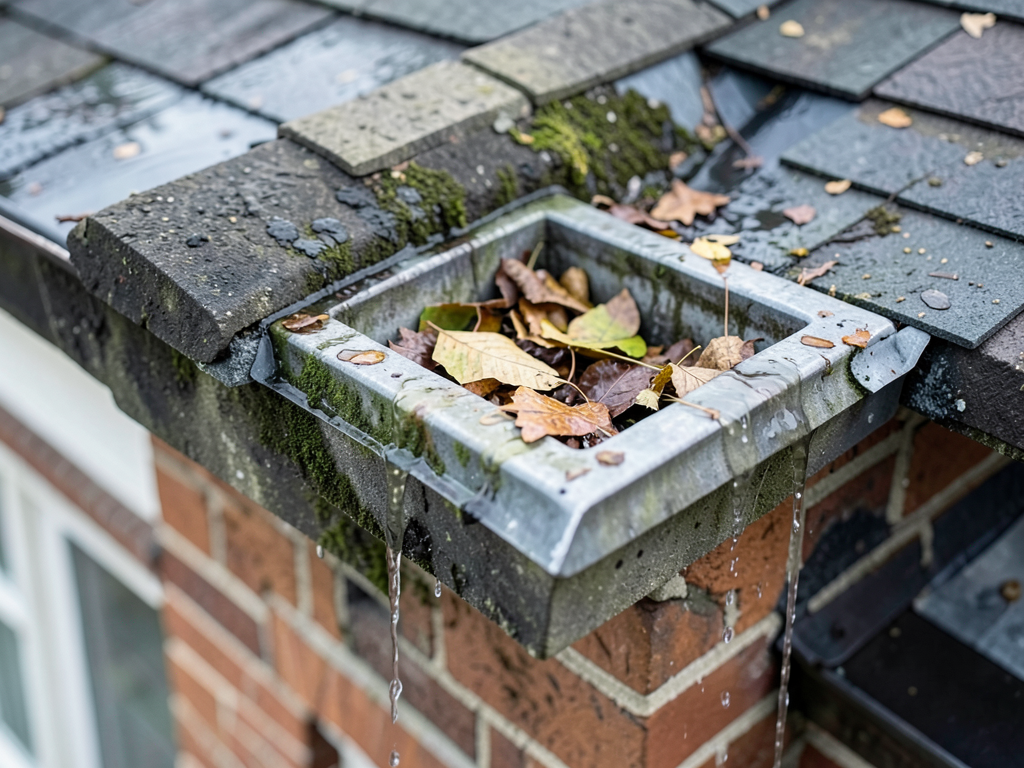
Why Clogged Scuppers are Secretly Rotting Your Rowhouse Roof in Fells Point
Water pooling on your flat rowhouse roof might not seem like an urgent problem until you discover the slow damage it causes. In Fells Point, clogged scuppers trap rainwater against your parapet walls and let moisture seep into your roof deck. Over time this leads to wood rot, mold growth, and expensive structural repairs that often go unnoticed until it is too late. Flat Roof Repair for Baltimore Rowhouses — What Every Homeowner in Canton Needs to Know.
Scuppers are the small openings or channels that allow water to drain from your roof to the downspouts. When leaves, debris, or even bird nests block these passages, water backs up and sits on your roof surface. In Baltimore’s humid climate, that standing water accelerates deterioration of your roofing materials and creates the perfect environment for rot to spread beneath your shingles or membrane. Baltimore’s Commission for Historical and Architectural Preservation.
Understanding how your rowhouse drainage system works and why scuppers matter can save you thousands in repair costs. This guide explains what causes clogs, how to spot early warning signs, and what steps to take before your roof deck suffers permanent damage. How Much a New Roof Costs in Towson (2026 Estimates).
How Scuppers Work on Baltimore Rowhouses
Rowhouses in Fells Point typically feature flat or low-slope roofs with parapet walls along the edges. Unlike sloped roofs that use gutters, these buildings rely on scuppers cut through the parapet to direct water off the roof. The water flows through the scupper opening into a downspout that carries it to the ground or a storm drain.
Most scuppers measure about four to six inches wide and sit just above the roof surface. They connect to internal downspouts that run inside the parapet wall or along the exterior. This design keeps the drainage system hidden from view but also makes it harder to spot when problems develop.
Baltimore Building Code Section 1105 requires that roof drains and scuppers be sized to handle expected rainfall loads. For Fells Point, where historic buildings often have smaller drainage openings, even light debris can overwhelm the system during a heavy storm. When scuppers cannot keep up with water flow, ponding begins and the damage cycle starts.
Proper scupper maintenance includes keeping the openings clear and checking that the connected downspouts remain free of blockages. Without this upkeep, even a brand new roof can fail within a few years due to trapped moisture.
Signs Your Scuppers Are Clogged
Water stains on your interior ceilings or walls often mean your roof drainage system has failed. In rowhouses, clogged scuppers cause water to back up under roofing materials and seep into the structure. You might notice damp spots appearing after rainstorms or see paint bubbling near the top of your walls.
Another warning sign is water overflowing from the scupper openings during rainfall. Instead of flowing down the downspout, water spills over the parapet wall and runs down the side of your building. This overflow can damage your brick facade and create slippery conditions on your marble steps.
You can check your roof for standing water by looking for puddles that remain more than forty-eight hours after rain stops. On a properly draining roof, water should flow to the scuppers and exit within hours. Persistent ponding indicates that debris or structural sagging is blocking water movement.
Listen for unusual sounds during rainstorms. If you hear water gurgling or splashing inside your walls, your downspouts might be partially blocked. This sound means water is struggling to drain and could be backing up into your roof assembly.
Exterior signs include green algae or moss growing on your roof surface. These organisms thrive in constantly moist environments and indicate that water is not draining properly. The moisture they retain accelerates roof deterioration and creates slippery walking surfaces.
Why Fells Point Rowhouses Are Especially Vulnerable
Fells Point’s historic district features many buildings constructed in the early 1800s with original drainage systems still in place. These older scuppers often have smaller openings than modern standards require. Combined with Baltimore’s heavy rainfall patterns, this creates a perfect storm for drainage failures.
The neighborhood’s mature trees drop leaves and twigs that easily find their way onto flat roofs. In autumn, this organic debris accumulates rapidly and can completely block narrow scupper openings within days. The problem worsens during nor’easters when wind drives debris against your parapet walls.
Many Fells Point rowhouses share common parapet walls with neighboring buildings. If your neighbor’s scuppers are clogged, water can back up onto your roof through the shared drainage system. This interconnected design means that maintaining your own drainage is not always enough to prevent problems.
The area’s proximity to the harbor creates additional moisture challenges. Salt air accelerates corrosion of metal scupper components and downspout connections. Over time, this corrosion creates gaps that allow water to seep behind your roofing materials where it cannot dry out. Installing a Metal Roof in Columbia — Is It Worth the Investment?.
Historic preservation regulations in Fells Point can make drainage upgrades complicated. The Commission for Historical and Architectural Preservation requires that any modifications maintain the building’s historic character. This means you cannot simply install larger modern scuppers without proper approval and design consideration.
The Hidden Damage Clogged Scuppers Cause
When water sits on your roof for extended periods, it breaks down roofing materials from the bottom up. On built-up roofs or modified bitumen systems common in Baltimore, trapped moisture causes the adhesive layers to separate. This delamination creates soft spots that eventually collapse under foot traffic.
Wood roof decks absorb moisture through the bottom surface when drainage fails. The trapped water causes the plywood or plank decking to swell, warp, and eventually rot. Once rot sets in, the structural integrity of your entire roof system becomes compromised.
Moisture trapped beneath roofing materials creates ideal conditions for mold growth. Many Baltimore rowhouses have limited attic ventilation, which means mold spores can spread throughout your home’s interior. Black mold exposure poses serious health risks and requires professional remediation.
Ice dam formation becomes a major problem in winter when clogged scuppers prevent proper drainage. Water that cannot escape freezes in the drainage channels, creating dams that force melting snow under your roofing materials. This freeze-thaw cycle causes cracking and splitting of membranes.
The weight of standing water also stresses your roof structure. A single inch of water across a ten-by-ten foot area weighs over five hundred pounds. When this weight concentrates around blocked scuppers, it can cause rafters to sag and walls to bow outward over time.
Professional Scupper Inspection and Repair Process
A thorough scupper inspection starts with checking the visible openings for debris and damage. Technicians use specialized tools to measure the exact dimensions of your scuppers and compare them to current building code requirements. This diagnostic step reveals whether your drainage system meets modern capacity standards.
Next, inspectors examine the connected downspouts using drain cameras. These waterproof cameras travel through the pipes to identify blockages, cracks, or separations that are not visible from the surface. The camera footage shows exactly where problems exist and how severe they are.
Roof surface evaluation includes checking for ponding areas, membrane damage, and signs of previous water infiltration. Technicians use moisture meters to detect hidden dampness in your roof deck that could indicate long-term drainage problems.
Repair options range from simple cleaning to complete system replacement. For minor clogs, high-pressure water jetting clears debris without damaging historic materials. More extensive damage might require installing larger scupper openings or adding secondary drainage paths. Industrial Roof Replacement.
Historic district compliance requires working with preservation experts to ensure repairs maintain your building’s character. This might mean using custom-fabricated scupper components that match the original design while providing improved functionality.
Maintenance Schedule to Prevent Scupper Clogs
Seasonal maintenance prevents most scupper problems before they start. In spring, remove winter debris and check for damage from ice dams. Summer inspections should focus on vegetation growth and membrane condition. Fall maintenance is critical for removing leaves before they cause blockages.
Quarterly cleaning schedule works well for most Fells Point rowhouses. This means clearing debris from scupper openings and checking downspouts every three months. Properties with heavy tree coverage might need monthly inspections during autumn months.
Professional cleaning uses specialized tools that avoid damaging historic materials. Technicians use soft brushes, low-pressure water, and vacuum systems designed for roofing applications. This approach removes debris without harming the surrounding masonry or roofing materials.
Installing protective screens over scupper openings can reduce maintenance frequency. These screens catch debris while allowing water to pass through. However, screens require their own maintenance to prevent them from becoming clogged.
Documenting your maintenance activities helps track patterns and identify recurring problems. Keep records of when you clean your scuppers, what debris you find, and any repairs you make. This information proves valuable for planning future maintenance and identifying chronic issues.
When to Upgrade Your Drainage System
Age is a primary factor in deciding whether to upgrade your scupper system. Most historic scuppers installed before 1950 do not meet current drainage capacity requirements. If your system is over seventy years old, replacement often proves more cost-effective than repeated repairs.
Recurring problems signal that your current system cannot handle your building’s needs. If you experience multiple clogs per year despite regular maintenance, your scuppers might be too small or poorly positioned for your roof’s layout.
Roof replacement projects provide the perfect opportunity to upgrade drainage. When you replace your roofing materials, you can install larger scuppers and improve the overall drainage design. This comprehensive approach addresses both the symptoms and causes of water problems.
Energy efficiency improvements sometimes require drainage upgrades. Adding insulation to your roof changes how water moves across the surface. Your existing scuppers might need repositioning or resizing to work effectively with the new roof assembly.
Property use changes can also trigger drainage upgrades. Converting a residential space to commercial use increases roof load and water volume. Your original scuppers might not handle the additional stress from increased occupancy or equipment.
Cost Factors for Scupper Repairs and Upgrades
Simple scupper cleaning typically costs between two hundred and five hundred dollars depending on roof accessibility and debris volume. This service includes removing all visible blockages and testing water flow through the system.
Minor repairs like patching small cracks or replacing damaged downspout sections run three hundred to eight hundred dollars. These repairs address specific failures without requiring complete system replacement.
Complete scupper replacement for a standard rowhouse ranges from fifteen hundred to four thousand dollars. This price includes removing the old components, installing new scuppers sized to current codes, and connecting them to properly sloped downspouts.
Historic district requirements can increase costs by twenty to fifty percent. Custom-fabricated components, preservation consultant fees, and additional permitting all add to the total expense. However, these requirements protect your building’s historic character and property value.
Emergency repairs after water damage cost significantly more than planned maintenance. Water infiltration repairs might include replacing damaged roof decking, repairing interior water damage, and addressing mold issues. These combined repairs often exceed ten thousand dollars.
Comparing Drainage Solutions for Rowhouses
| Solution | Cost Range | Best For | Historic Compliance |
|---|---|---|---|
| Standard Scuppers | 1,500 – 3,000 | Basic maintenance | Often approved |
| Oversized Scuppers | 2,500 – 4,500 | Heavy rainfall areas | Requires approval |
| Internal Drains | 3,000 – 6,000 | Major renovations | Usually approved |
| French Drain System | 4,000 – 8,000 | Severe water issues | Rarely approved |
Preventing Future Scupper Problems
Regular roof inspections catch problems before they cause damage. Schedule professional inspections twice yearly to check your scuppers, roof surface, and interior for signs of water infiltration. These inspections cost less than emergency repairs and prevent most major issues.
Tree management around your property reduces debris on your roof. Keep branches trimmed back from your roof edge and remove trees that drop excessive leaves or needles. This simple step can cut your maintenance needs in half.
Install water sensors near your interior walls to detect moisture early. These battery-powered devices sound an alarm when they detect water, giving you time to address problems before they cause major damage. Place sensors in corners and near previous leak locations.
Educate your tenants or family members about roof drainage importance. Make sure everyone knows to report water stains or unusual sounds immediately. Quick reporting allows for fast intervention before minor issues become major repairs.
Maintain detailed records of all roof work, including cleaning dates, repairs, and inspections. These records help you track maintenance patterns and provide valuable information for future buyers or insurance claims.
Emergency Response for Clogged Scuppers
When you discover a clogged scupper during a storm, immediate action can prevent interior damage. Use a wet-dry vacuum to remove standing water from your roof surface. This reduces weight stress and prevents water from finding new entry points.
Clear visible debris from scupper openings using a plastic scoop or brush. Avoid metal tools that could damage historic materials. If water is actively overflowing, create temporary diversion channels using plastic sheeting to direct water away from vulnerable areas. Metal Retrofit Roofing.
Document the damage with photos and videos as soon as conditions allow. This documentation proves valuable for insurance claims and helps contractors understand the full scope of the problem. Include date stamps on all images.
Contact a roofing professional immediately after the storm passes. Emergency services cost more but can prevent thousands in water damage repairs. Many companies offer 24/7 emergency response for situations like this.
Consider temporary tarping if damage is severe or rain is forecast. Professional tarping secures waterproof covering over the affected area until permanent repairs can be made. This service typically costs five hundred to fifteen hundred dollars depending on roof size and complexity.
Frequently Asked Questions
How often should I clean my rowhouse scuppers?
Clean your scuppers at least twice yearly, in spring and fall. Properties with heavy tree coverage may need quarterly cleaning. Regular maintenance prevents clogs and extends your roof’s lifespan.
Can I clean scuppers myself or should I hire a professional?
You can clean accessible scuppers yourself using soft brushes and low-pressure water. However, professionals have proper safety equipment and can inspect for hidden damage. For historic buildings, professional service ensures compliance with preservation standards.
What building codes apply to scupper repairs in Fells Point?
Baltimore Building Code Section 1105 governs roof drainage requirements. Historic district work must also comply with CHAP guidelines. A Plus Roofing Baltimore handles all permitting and compliance for your repairs.
How much does scupper replacement cost in Baltimore?
Standard scupper replacement costs 1,500 to 3,000 dollars. Historic district work may cost 20-50% more due to custom components and permitting requirements. Emergency repairs cost significantly more than planned replacements.
What are signs my scuppers need replacement?
Signs include recurring clogs despite cleaning, visible cracks or rust, water overflow during light rain, and interior water stains. If your system is over 50 years old, replacement often proves more cost-effective than repeated repairs.
Take Action Before Water Damage Costs You Thousands
Clogged scuppers are silently destroying your rowhouse roof right now. Every day you wait increases the risk of wood rot, mold growth, and structural damage that could cost you thousands in repairs. The humid Baltimore climate makes these problems worse and faster than in other regions.
A Plus Roofing Baltimore has served Fells Point and surrounding neighborhoods for over 15 years. Our technicians understand the unique challenges of historic rowhouse drainage systems and work within CHAP guidelines to protect your building’s character while solving your water problems.
Don’t let another rainstorm cause more damage. Call (443) 455-9099 today to schedule your professional scupper inspection. We offer emergency services and can often provide same-day evaluations for urgent situations. Your roof’s health affects your entire home’s structure and your family’s safety.
Pick up the phone and call (443) 455-9099 before the next storm hits. Early intervention costs far less than emergency repairs after water has already damaged your home’s interior and structure. For more information, visit International Building Code Section 1105 on Roof Drainage.
{
“@context”: “https://schema.org”,
“@type”: “BlogPosting”,
“headline”: “Why Clogged Scuppers are Secretly Rotting Your Rowhouse Roof in Fells Point”,
“description”: “Clogged scuppers trap water on your Fells Point rowhouse roof causing hidden rot. Learn the signs, risks, and how A Plus Roofing Baltimore can help.”,
“wordCount”: 2681,
“datePublished”: “2026-05-16T11:40:00.000Z”,
“dateModified”: “2026-05-16T11:40:00.000Z”,
“inLanguage”: “en-US”,
“mainEntityOfPage”: {
“@type”: “WebPage”,
“@id”: “https://aplusroofingbaltimore.com”
},
“publisher”: {
“@type”: “LocalBusiness”,
“name”: “A Plus Roofing Baltimore”,
“url”: “https://aplusroofingbaltimore.com”
},
“author”: {
“@type”: “Organization”,
“name”: “A Plus Roofing Baltimore”,
“url”: “https://aplusroofingbaltimore.com”
},
“image”: {
“@type”: “ImageObject”,
“url”: “https://aplusroofingbaltimore.com/wp-content/uploads/2026/03/why-clogged-scuppers-are-secretly-rotting-your-row-1.png”
}
}
{
“@context”: “https://schema.org”,
“@type”: “RoofingContractor”,
“name”: “A Plus Roofing Baltimore”,
“url”: “https://aplusroofingbaltimore.com”,
“address”: {
“@type”: “PostalAddress”,
“addressLocality”: “Baltimore”
},
“areaServed”: {
“@type”: “City”,
“name”: “Baltimore”
}
}
{
“@context”: “https://schema.org”,
“@type”: “FAQPage”,
“mainEntity”: [
{
“@type”: “Question”,
“name”: “How often should I clean my rowhouse scuppers?”,
“acceptedAnswer”: {
“@type”: “Answer”,
“text”: “Clean your scuppers at least twice yearly, in spring and fall. Properties with heavy tree coverage may need quarterly cleaning. Regular maintenance prevents clogs and extends your roof’s lifespan.”
}
},
{
“@type”: “Question”,
“name”: “Can I clean scuppers myself or should I hire a professional?”,
“acceptedAnswer”: {
“@type”: “Answer”,
“text”: “You can clean accessible scuppers yourself using soft brushes and low-pressure water. However, professionals have proper safety equipment and can inspect for hidden damage. For historic buildings, professional service ensures compliance with preservation standards.”
}
},
{
“@type”: “Question”,
“name”: “What building codes apply to scupper repairs in Fells Point?”,
“acceptedAnswer”: {
“@type”: “Answer”,
“text”: “Baltimore Building Code Section 1105 governs roof drainage requirements. Historic district work must also comply with CHAP guidelines. A Plus Roofing Baltimore handles all permitting and compliance for your repairs.”
}
},
{
“@type”: “Question”,
“name”: “How much does scupper replacement cost in Baltimore?”,
“acceptedAnswer”: {
“@type”: “Answer”,
“text”: “Standard scupper replacement costs 1,500 to 3,000 dollars. Historic district work may cost 20-50% more due to custom components and permitting requirements. Emergency repairs cost significantly more than planned replacements.”
}
},
{
“@type”: “Question”,
“name”: “What are signs my scuppers need replacement?”,
“acceptedAnswer”: {
“@type”: “Answer”,
“text”: “Signs include recurring clogs despite cleaning, visible cracks or rust, water overflow during light rain, and interior water stains. If your system is over 50 years old, replacement often proves more cost-effective than repeated repairs.”
}
}
]
}
{
“@context”: “https://schema.org”,
“@type”: “BreadcrumbList”,
“itemListElement”: [
{
“@type”: “ListItem”,
“position”: 1,
“name”: “Home”,
“item”: “https://aplusroofingbaltimore.com”
},
{
“@type”: “ListItem”,
“position”: 2,
“name”: “Blog”,
“item”: “https://aplusroofingbaltimore.com/blog”
},
{
“@type”: “ListItem”,
“position”: 3,
“name”: “Why Clogged Scuppers are Secretly Rotting Your Rowhouse Roof in Fells Point”
}
]
}
{
“@context”: “https://schema.org”,
“@type”: “Service”,
“serviceType”: “Roofing”,
“provider”: {
“@type”: “LocalBusiness”,
“name”: “A Plus Roofing Baltimore”,
“url”: “https://aplusroofingbaltimore.com”
},
“areaServed”: {
“@type”: “City”,
“name”: “Baltimore”
},
“description”: “Clogged scuppers trap water on your Fells Point rowhouse roof causing hidden rot. Learn the signs, risks, and how A Plus Roofing Baltimore can help.”
}