
Choosing Roofing Materials That Won’t Corrode on Bowleys Quarters Waterfront Properties
The salty air from the Chesapeake Bay eats through standard roofing materials in just a few years. Homeowners in Bowleys Quarters watch their roofs develop rust streaks and corrosion spots long before the warranty expires. This guide breaks down which materials actually survive the harsh coastal environment and why cheaper options cost more in the long run.
Why Bowleys Quarters Roofs Corrode Faster Than Inland Properties
Living near water sounds peaceful until you see what salt spray does to your roof. The Chesapeake Bay creates a perfect storm of corrosion factors that destroy standard roofing materials.
Salt particles travel miles inland on ocean breezes. These microscopic crystals settle on your roof and absorb moisture from the humid Maryland air. When morning dew forms, the salt dissolves and creates a mildly acidic solution that eats through protective coatings.
The problem gets worse near water. Bowleys Quarters sits directly on the bay’s edge, so salt concentration on roofs here runs 3-4 times higher than properties just a few miles inland. Combine that with Maryland’s 70%+ average humidity and you get constant moisture that never fully dries.
Industrial pollution from Baltimore’s port adds another layer of corrosion. Sulfur compounds in the air mix with salt and moisture to create sulfuric acid on your roof surface. This chemical cocktail breaks down standard galvanized coatings in months instead of years. Flat Roof Repair for Baltimore Rowhouses — What Every Homeowner in Canton Needs to Know.
Temperature swings along the coast accelerate the damage. Hot summer days followed by cool bay breezes cause metal to expand and contract repeatedly. This movement cracks protective finishes and creates entry points for moisture. Installing a Metal Roof in Columbia — Is It Worth the Investment?.
Material Comparison: What Actually Survives Coastal Conditions
Not all roofing materials handle salt air the same way. Here’s how the top options stack up in real coastal conditions.
| Material | Corrosion Resistance | Lifespan in Bowleys Quarters | Initial Cost |
|---|---|---|---|
| Aluminum | Excellent | 40-50 years | $$ |
| Copper | Excellent | 60-100 years | $$$ |
| Galvalume Steel | Good | 25-35 years | $$ |
| Standard Galvanized Steel | Poor | 10-15 years | $ |
Aluminum forms a natural oxide layer that actually gets stronger when exposed to salt air. This self-healing barrier prevents further corrosion. The material also expands and contracts less than steel, reducing stress on fasteners and seams.
Copper develops a protective green patina when exposed to salt air and moisture. This layer stops further corrosion completely. While expensive upfront, copper roofs in coastal areas often outlast the buildings they cover.. Read more about Why Real Wood Shakes Often Fail in Bel Air (And the Best Synthetic Alternatives).
Galvalume steel uses a zinc-aluminum coating that provides better protection than standard galvanized steel. The aluminum content helps resist salt spray, but the zinc still corrodes over time in harsh coastal conditions.
Standard galvanized steel fails quickly in Bowleys Quarters. The zinc coating corrodes within 5-7 years, exposing the steel underneath to rapid rust formation. You’ll see rust stains running down your walls within a decade.
Coating Systems That Actually Work
The base material matters, but the coating system determines real-world performance. Here are the finishes that survive Maryland’s coastal conditions.
Kynar 500 fluoropolymer coatings provide the best protection for colored metal roofs. This two-coat system includes a primer and a finish coat baked onto the metal. The fluoropolymer chemistry resists UV damage, salt corrosion, and chemical pollutants. Metal Retrofit Roofing.
SMP (silicone-modified polyester) coatings cost less but fail faster in coastal areas. They chalk and fade within 8-10 years near the bay. The salt air breaks down the polyester resin, leaving the metal vulnerable.
Anodized aluminum creates a hard oxide layer through an electrochemical process. This finish penetrates the metal surface rather than just coating it. Anodized aluminum withstands decades of salt spray without peeling or chipping.
Painted copper requires special consideration. Standard paints don’t adhere well to copper’s smooth surface. You need specifically formulated copper paints or you’ll watch the finish peel within a year.
Fasteners and Flashing: The Weak Points Most People Miss
Even the best roofing material fails if you use the wrong fasteners. Salt air destroys standard steel screws and nails within months.
Stainless steel fasteners cost more but survive coastal conditions. Grade 304 stainless works for most applications, but Grade 316 offers better salt resistance for properties directly on the water.
Aluminum fasteners work with aluminum roofing but create galvanic corrosion when mixed with steel. Never use aluminum screws on steel panels or vice versa.
Copper flashing lasts forever but creates galvanic corrosion with aluminum roofing. Use either all-copper or all-aluminum systems to avoid this problem.
Rubber washers on fasteners deteriorate in UV and salt exposure. Replace them every 5-7 years or choose fasteners with EPDM washers rated for coastal use.
Installation Techniques That Prevent Early Failure
Material choice matters less than installation quality in coastal areas. Poor installation creates failure points that no material can overcome.
Overlap seams need extra sealing in coastal areas. Standard sealant breaks down in salt air within 3-4 years. Use marine-grade sealant specifically formulated for saltwater exposure.
Fastener spacing matters more near the coast. High winds common in Bowleys Quarters create uplift forces that pull standard fasteners loose. Increase fastener spacing by 20-30% compared to inland installations.
Ventilation becomes critical in humid coastal areas. Trapped moisture under the roof deck creates condensation that corrodes the underside of panels. Install ridge vents and ensure soffit ventilation meets or exceeds code requirements.
Flashing details need extra attention. Salt air finds its way into the smallest gaps. Use continuous flashing instead of step flashing where possible, and seal all joints with marine-grade products.
Maintenance Schedule for Coastal Roofs
Even corrosion-resistant materials need maintenance in Bowleys Quarters. A regular inspection schedule prevents minor issues from becoming major problems.
- Quarterly Visual Inspection
Check for loose fasteners, damaged sealant, and debris accumulation. Pay special attention to areas where different materials meet.
- Annual Professional Inspection
A qualified roofer should inspect flashing details, fastener tightness, and coating condition. Look for early signs of corrosion before they become visible from the ground.
- Bi-Annual Cleaning
Remove leaves, pine needles, and other debris that trap moisture against the roof surface. Pay special attention to valleys and around penetrations.
- Sealant Inspection
Check all sealant joints every two years. Salt air breaks down standard sealants faster than inland areas. Replace any cracked or peeling sealant immediately.
Cleaning your roof isn’t just cosmetic in coastal areas. Salt buildup creates corrosion hot spots. Rinse your roof with fresh water every 6-12 months to remove salt deposits.
Pay special attention to areas around chimneys, vents, and skylights. These penetrations create turbulence that concentrates salt spray. The sealant around these features typically fails first.
Cost Analysis: Why Cheaper Materials Cost More Long-Term
The initial price difference between standard and corrosion-resistant materials looks significant. But when you factor in replacement costs and maintenance, the picture changes completely. How Much a New Roof Costs in Towson (2026 Estimates).
Standard galvanized steel roofing costs $3-4 per square foot installed. It typically needs replacement after 12-15 years in Bowleys Quarters. Over 40 years, you’ll replace it 2-3 times. Industrial Roof Replacement.
Aluminum roofing costs $7-9 per square foot installed. It lasts 40-50 years with minimal maintenance. The total cost over 40 years runs about 30% less than repeatedly replacing galvanized steel.
Copper roofing costs $15-20 per square foot installed. While the upfront cost shocks most homeowners, copper often outlasts the building itself. Some copper roofs in Baltimore’s historic districts are over 100 years old and still functional.
Factor in maintenance costs too. Galvanized steel needs frequent repairs and eventual complete replacement. Aluminum needs occasional fastener replacement and sealant maintenance. Copper needs almost no maintenance beyond debris removal.
Local Building Code Requirements
Baltimore County requires specific standards for coastal roofing installations. The Baltimore County Building Code Section 15-10 mandates Class A fire ratings for all new roof installations.
Coastal properties must meet additional wind uplift requirements. The code requires uplift testing per ASTM E1592 for properties within one mile of the Chesapeake Bay shoreline. Most Bowleys Quarters homes fall into this category. ASTM E1592 wind uplift testing.
Flashing requirements get stricter near water. The code mandates continuous flashing at all roof penetrations for properties in flood zones. This prevents water intrusion during storm surges that occasionally affect low-lying coastal areas.
Permit requirements include engineering calculations for wind loads. Standard tables don’t account for the higher wind speeds common in coastal areas. A licensed engineer must certify that your roof assembly meets the increased requirements.
Energy Efficiency Considerations
Roof color affects more than appearance in coastal areas. Light colors reflect heat, while dark colors absorb it. This matters more in Maryland’s climate than you might expect.
White or light-colored metal roofs can reduce cooling costs by 20-30% in summer. The reflective surface bounces solar radiation back into the atmosphere instead of heating your attic.
Special cool-roof coatings go beyond simple color. These products use reflective pigments that maintain their reflectivity longer than standard paint. They cost more upfront but provide better long-term energy savings.
Ventilation impacts energy efficiency significantly. Poor ventilation traps heat in summer and moisture in winter. Both conditions increase your HVAC costs and create conditions favorable to corrosion.
Insurance Implications
Your choice of roofing material affects more than just durability. Insurance companies factor material selection into your premiums and coverage terms.
Impact-resistant roofing materials often qualify for insurance discounts. Class 4 impact-rated metal roofs can reduce premiums by 5-10% in some areas. This rating matters more as severe storms become more common.
Corrosion warranties affect claims history. If you install standard materials in a coastal area, insurance companies note the higher failure rate. This can impact future premium increases or coverage terms.
Some insurers require specific materials for properties in high-risk coastal areas. They may mandate Class A fire ratings, impact resistance, or specific wind ratings based on your location relative to the water.
Document your material choices and installation quality. If you need to file a claim, having proof of proper materials and installation helps ensure coverage approval.
Environmental Impact
Your roofing choice affects more than just your wallet. Different materials have varying environmental footprints throughout their lifecycle.
Aluminum production requires significant energy input, but the material is highly recyclable. Most aluminum roofing contains 25-30% recycled content. At the end of its life, aluminum roofing is nearly 100% recyclable.
Copper mining has significant environmental impacts, but copper’s extreme longevity offsets this somewhat. A copper roof that lasts 100+ years produces less waste than replacing asphalt shingles 4-5 times.
Steel production creates less environmental impact than aluminum but more than copper. The zinc coating on galvanized steel contains small amounts of lead and other heavy metals that can leach into the environment as the coating fails.
Coating systems contain various chemicals that affect environmental impact. Kynar 500 coatings contain no volatile organic compounds (VOCs) after curing, making them more environmentally friendly than many alternatives.
Making the Right Choice for Your Property
Choosing the right roofing material involves balancing several factors unique to your situation.
Budget constraints matter, but don’t let short-term savings drive your decision. The cheapest option often costs more over time when you factor in replacement and maintenance costs.
Property style influences material selection. Historic properties in Bowleys Quarters may have HOA or historic district requirements that limit your options. Some areas require materials that match the neighborhood character.
Expected ownership duration affects the economics. If you plan to sell within 5-7 years, the premium for corrosion-resistant materials may not pay off. If you’re staying long-term, the investment makes more sense.
Local microclimate variations matter even within Bowleys Quarters. Properties directly on the water face harsher conditions than those a few blocks inland. Your specific location affects which materials make sense.
Professional installation quality outweighs material selection in many cases. Even the best material fails if installed poorly. Choose a contractor with specific experience in coastal roofing installations.
Frequently Asked Questions
How long should a roof last in Bowleys Quarters?
Standard asphalt shingles last 15-20 years in coastal areas. Metal roofs with proper corrosion protection last 40-50 years. Copper roofs can last over 100 years in the right conditions.
Can I use regular galvanized steel near the water?
You can, but expect to replace it in 10-15 years. The salt air accelerates corrosion significantly. Most homeowners regret choosing the cheaper option when they face early replacement costs.
What’s the best color for coastal roofing?
Light colors reflect heat and resist UV damage better than dark colors. White, light gray, and tan work well. Some homeowners choose colors that complement their home’s exterior while still providing good reflectivity.
How much more do corrosion-resistant materials cost?
Aluminum costs 2-3 times more than standard steel upfront. Copper costs 5-7 times more. However, when you factor in replacement costs over time, the premium materials often cost less long-term.
Do I need special permits for coastal roofing?
Yes. Baltimore County requires additional permits for properties near the Chesapeake Bay. You’ll need engineering calculations for wind loads and may need to meet additional requirements for flood zones.
How often should I inspect my coastal roof?
Inspect it quarterly visually and have a professional inspection annually. Coastal roofs face more severe conditions than inland properties, so catching problems early prevents expensive repairs.
Can I install the roof myself to save money?
DIY installation voids most warranties and often violates local building codes. Coastal roofing requires specific techniques and materials that most homeowners don’t know. The risks outweigh the potential savings.
What maintenance do coastal roofs need?
Rinse the roof with fresh water every 6-12 months to remove salt buildup. Clean debris from valleys and around penetrations quarterly. Check and replace sealant every 2-3 years. Inspect fasteners annually.
Will my insurance cover corrosion damage?
Standard policies cover sudden damage but not gradual corrosion. If you install materials rated for coastal use, you’ll have better coverage options. Document your material choices and maintenance to support any claims.
How do I know if my current roof is corroding?
Look for rust stains running down walls, bubbling or peeling paint, loose fasteners, and damaged sealant. White powdery deposits on metal surfaces indicate advanced corrosion. If you see these signs, call a professional immediately.
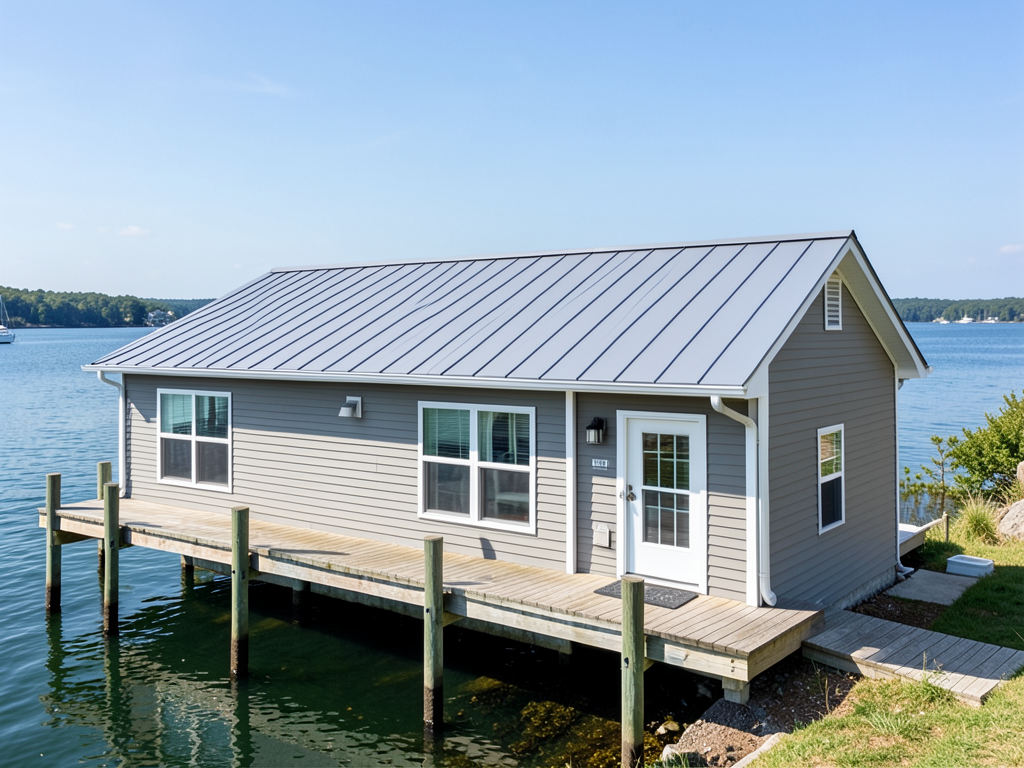
Diagram showing how salt spray affects different roofing materials over time. The image illustrates the progression from new installation through various stages of corrosion for standard galvanized steel versus aluminum and copper options.
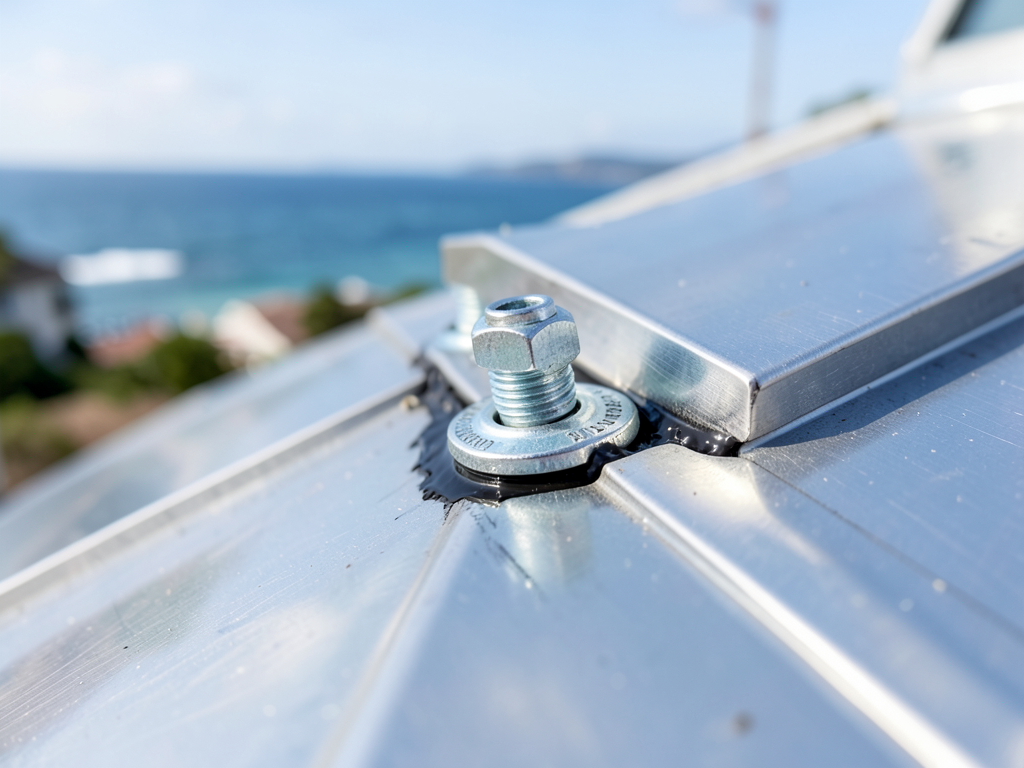
Close-up photo of stainless steel fasteners used in coastal roofing installations. The image shows the specific fastener types, rubber washer condition, and proper spacing that prevents corrosion in salt air environments.
Before and after comparison of a Bowleys Quarters roof replacement. The left side shows a 12-year-old galvanized steel roof with rust stains and failed sealant. The right side shows the new aluminum installation with proper flashing and marine-grade sealant.
Ready to Protect Your Home from Coastal Corrosion?
Don’t wait until rust stains appear on your walls. The salty air is already working on your roof. Call (443) 455-9099 today to schedule a free coastal roofing inspection. We’ll show you exactly which materials will protect your investment for decades, not just years.
Pick up the phone and call (443) 455-9099 before the next storm hits. Your roof protects everything you own. Make sure it’s built to handle the harsh coastal conditions Bowleys Quarters throws at it.
You may also find this helpful. Protecting Your Sidewalk with Snow Guards for Metal Roofs in Westminster.
{
“@context”: “https://schema.org”,
“@type”: “BlogPosting”,
“headline”: “Choosing Roofing Materials That Won’t Corrode on Bowleys Quarters Waterfront Properties”,
“description”: “Find corrosion-resistant roofing materials for Bowleys Quarters waterfront homes. Compare aluminum, copper, and treated steel options that withstand Chesapeake Bay salt air.”,
“wordCount”: 2557,
“datePublished”: “2026-06-04T06:36:00.000Z”,
“dateModified”: “2026-06-04T06:36:00.000Z”,
“inLanguage”: “en-US”,
“mainEntityOfPage”: {
“@type”: “WebPage”,
“@id”: “https://aplusroofingbaltimore.com”
},
“publisher”: {
“@type”: “LocalBusiness”,
“name”: “A Plus Roofing Baltimore”,
“url”: “https://aplusroofingbaltimore.com”
},
“author”: {
“@type”: “Organization”,
“name”: “A Plus Roofing Baltimore”,
“url”: “https://aplusroofingbaltimore.com”
},
“image”: {
“@type”: “ImageObject”,
“url”: “https://aplusroofingbaltimore.com/wp-content/uploads/2026/03/choosing-roofing-materials-that-won-t-corrode-on-b-1.png”
}
}
{
“@context”: “https://schema.org”,
“@type”: “RoofingContractor”,
“name”: “A Plus Roofing Baltimore”,
“url”: “https://aplusroofingbaltimore.com”,
“address”: {
“@type”: “PostalAddress”,
“addressLocality”: “Baltimore”
},
“areaServed”: {
“@type”: “City”,
“name”: “Baltimore”
}
}
{
“@context”: “https://schema.org”,
“@type”: “FAQPage”,
“mainEntity”: [
{
“@type”: “Question”,
“name”: “How long should a roof last in Bowleys Quarters?”,
“acceptedAnswer”: {
“@type”: “Answer”,
“text”: “Standard asphalt shingles last 15-20 years in coastal areas. Metal roofs with proper corrosion protection last 40-50 years. Copper roofs can last over 100 years in the right conditions.”
}
},
{
“@type”: “Question”,
“name”: “Can I use regular galvanized steel near the water?”,
“acceptedAnswer”: {
“@type”: “Answer”,
“text”: “You can, but expect to replace it in 10-15 years. The salt air accelerates corrosion significantly. Most homeowners regret choosing the cheaper option when they face early replacement costs.”
}
},
{
“@type”: “Question”,
“name”: “What’s the best color for coastal roofing?”,
“acceptedAnswer”: {
“@type”: “Answer”,
“text”: “Light colors reflect heat and resist UV damage better than dark colors. White, light gray, and tan work well. Some homeowners choose colors that complement their home’s exterior while still providing good reflectivity.”
}
},
{
“@type”: “Question”,
“name”: “How much more do corrosion-resistant materials cost?”,
“acceptedAnswer”: {
“@type”: “Answer”,
“text”: “Aluminum costs 2-3 times more than standard steel upfront. Copper costs 5-7 times more. However, when you factor in replacement costs over time, the premium materials often cost less long-term.”
}
},
{
“@type”: “Question”,
“name”: “Do I need special permits for coastal roofing?”,
“acceptedAnswer”: {
“@type”: “Answer”,
“text”: “Yes. Baltimore County requires additional permits for properties near the Chesapeake Bay. You’ll need engineering calculations for wind loads and may need to meet additional requirements for flood zones.”
}
},
{
“@type”: “Question”,
“name”: “How often should I inspect my coastal roof?”,
“acceptedAnswer”: {
“@type”: “Answer”,
“text”: “Inspect it quarterly visually and have a professional inspection annually. Coastal roofs face more severe conditions than inland properties, so catching problems early prevents expensive repairs.”
}
},
{
“@type”: “Question”,
“name”: “What maintenance do coastal roofs need?”,
“acceptedAnswer”: {
“@type”: “Answer”,
“text”: “Rinse the roof with fresh water every 6-12 months to remove salt buildup. Clean debris from valleys and around penetrations quarterly. Check and replace sealant every 2-3 years. Inspect fasteners annually.”
}
},
{
“@type”: “Question”,
“name”: “Will my insurance cover corrosion damage?”,
“acceptedAnswer”: {
“@type”: “Answer”,
“text”: “Standard policies cover sudden damage but not gradual corrosion. If you install materials rated for coastal use, you’ll have better coverage options. Document your material choices and maintenance to support any claims.”
}
},
{
“@type”: “Question”,
“name”: “How do I know if my current roof is corroding?”,
“acceptedAnswer”: {
“@type”: “Answer”,
“text”: “Look for rust stains running down walls, bubbling or peeling paint, loose fasteners, and damaged sealant. White powdery deposits on metal surfaces indicate advanced corrosion. If you see these signs, call a professional immediately.”
}
},
{
“@type”: “Question”,
“name”: “Ready to Protect Your Home from Coastal Corrosion?”,
“acceptedAnswer”: {
“@type”: “Answer”,
“text”: “Don’t wait until rust stains appear on your walls. The salty air is already working on your roof. Call (443) 455-9099 today to schedule a free coastal roofing inspection. We’ll show you exactly which materials will protect your investment for decades, not just years.”
}
}
]
}
{
“@context”: “https://schema.org”,
“@type”: “HowTo”,
“name”: “Coastal Roof Maintenance Schedule”,
“step”: [
{
“@type”: “HowToStep”,
“position”: 1,
“name”: “Quarterly Visual Inspection”,
“text”: “Check for loose fasteners, damaged sealant, and debris accumulation. Pay special attention to areas where different materials meet.”
},
{
“@type”: “HowToStep”,
“position”: 2,
“name”: “Annual Professional Inspection”,
“text”: “A qualified roofer should inspect flashing details, fastener tightness, and coating condition. Look for early signs of corrosion before they become visible from the ground.”
},
{
“@type”: “HowToStep”,
“position”: 3,
“name”: “Bi-Annual Cleaning”,
“text”: “Remove leaves, pine needles, and other debris that trap moisture against the roof surface. Pay special attention to valleys and around penetrations.”
},
{
“@type”: “HowToStep”,
“position”: 4,
“name”: “Sealant Inspection”,
“text”: “Check all sealant joints every two years. Salt air breaks down standard sealants faster than inland areas. Replace any cracked or peeling sealant immediately.”
}
],
“image”: “https://aplusroofingbaltimore.com/wp-content/uploads/2026/03/choosing-roofing-materials-that-won-t-corrode-on-b-1.png”
}
{
“@context”: “https://schema.org”,
“@type”: “BreadcrumbList”,
“itemListElement”: [
{
“@type”: “ListItem”,
“position”: 1,
“name”: “Home”,
“item”: “https://aplusroofingbaltimore.com”
},
{
“@type”: “ListItem”,
“position”: 2,
“name”: “Blog”,
“item”: “https://aplusroofingbaltimore.com/blog”
},
{
“@type”: “ListItem”,
“position”: 3,
“name”: “Choosing Roofing Materials That Won’t Corrode on Bowleys Quarters Waterfront Properties”
}
]
}
{
“@context”: “https://schema.org”,
“@type”: “Service”,
“serviceType”: “Roofing”,
“provider”: {
“@type”: “LocalBusiness”,
“name”: “A Plus Roofing Baltimore”,
“url”: “https://aplusroofingbaltimore.com”
},
“areaServed”: {
“@type”: “City”,
“name”: “Baltimore”
},
“description”: “Find corrosion-resistant roofing materials for Bowleys Quarters waterfront homes. Compare aluminum, copper, and treated steel options that withstand Chesapeake Bay salt air.”
}