
How to Handle a Roof Insurance Claim in Catonsville Following Hail Damage
Homeowners in Catonsville facing hail damage need to act quickly to protect their property and secure proper insurance coverage. This guide covers everything you need to know about filing roof insurance claims in Catonsville including local building codes permit requirements and the complete claims process.
Catonsville’s Hail Storm History and Risk Factors
Catonsville experiences frequent hail storms due to its location in Baltimore County’s western corridor. The area’s elevation changes and proximity to the Patapsco River Valley create conditions that intensify storm systems. Weather data shows Catonsville averages 1-2 hail events annually with stones ranging from pea-sized to golf ball-sized.
The 21228 zip code area has recorded multiple severe hail incidents over the past decade. On July 12 2023 tennis ball-sized hail damaged hundreds of roofs in the Westchester and Paradise communities. These storms typically strike between May and September during afternoon and evening hours when atmospheric instability peaks.
Initial Roof Damage Assessment Steps
Before contacting your insurance company conduct a thorough damage assessment. Hail damage appears as circular divots or bruises on asphalt shingles where impacts removed protective granules. Look for cracked or split wood shakes dented metal vents and damaged flashing around chimneys and skylights.
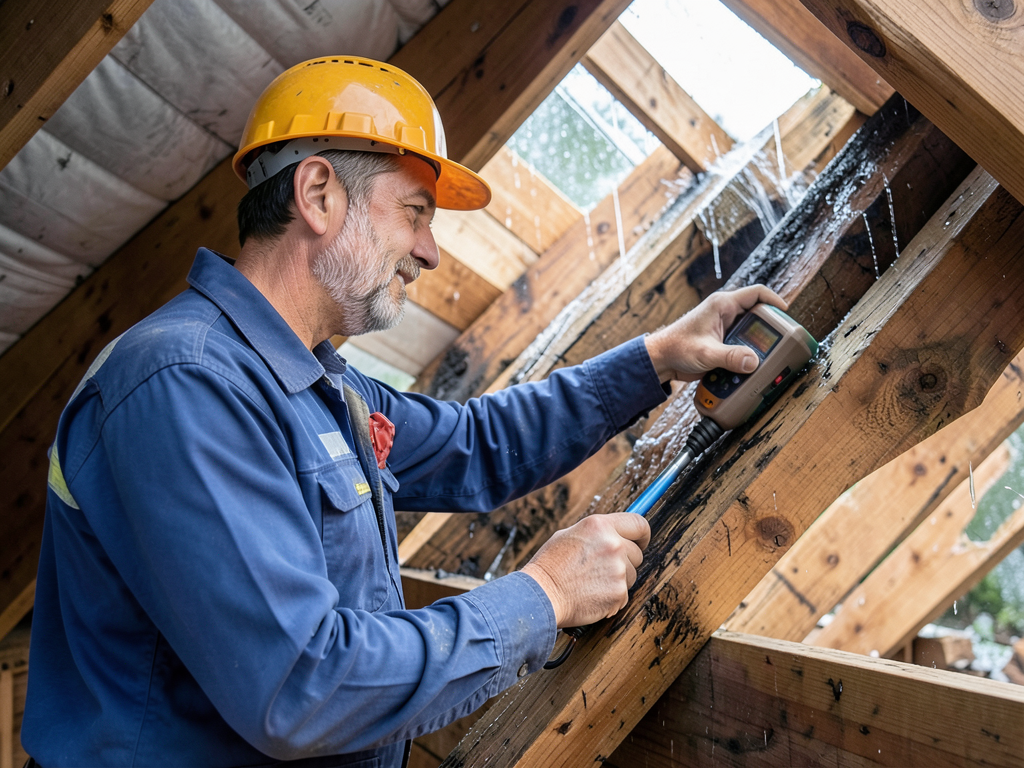
Check your attic for water infiltration using a moisture meter. Press the meter’s probes against rafters and sheathing in suspected damage areas. Readings above 18% moisture content indicate active leaks requiring immediate attention. Document all findings with timestamped photos and videos capturing both close-up damage and wide-angle views showing roof pitch and architectural features.
Maryland Insurance Claim Requirements and Timeline
Maryland law requires insurance companies to respond to hail damage claims within 15 business days of receipt. The Maryland Insurance Administration oversees these timelines and can intervene if your carrier delays processing. Your policy likely includes either Actual Cash Value (ACV) or Replacement Cost Value (RCV) coverage. Maryland Insurance Administration.
ACV policies pay the depreciated value of your roof while RCV policies cover full replacement costs minus your deductible. Most newer policies in Maryland default to RCV coverage. Review your declarations page or contact your agent to confirm your coverage type before filing.
Maryland’s matching law requires insurers to replace all roof sections if damage affects more than 25% of the total area. This prevents patchwork repairs that create visible color variations. The law applies to both asphalt shingles and wood shake roofing systems.
Baltimore County Permit Requirements
Baltimore County requires permits for all roof replacements including insurance-covered work. The Department of Permits Approvals and Inspections mandates that roofing contractors hold valid MHIC (Maryland Home Improvement Commission) licenses and provide proof of liability insurance before issuing permits.
For homes in historic districts like Oella or properties near Patapsco Valley State Park additional approvals may be required from the Baltimore County Landmarks Preservation Commission. These approvals typically add 7-10 business days to the permitting process but are mandatory for maintaining compliance.
The county requires ice and water shield installation on all roof edges extending at least 24 inches past the interior wall line. This requirement exceeds many manufacturer specifications and provides crucial protection against ice damming common in Catonsville’s winter months.
Insurance Claim Process Step by Step
- Document damage and contact your insurance company within 30 days of the storm
- Request a comprehensive inspection from your roofing contractor before the adjuster arrives
- Meet with the insurance adjuster to point out all damage areas
- Review the initial estimate for excluded items or underestimated repair costs
- Negotiate if you disagree with the initial estimate using contractor supplement reports
- Obtain necessary permits from Baltimore County
- Order materials and schedule the roof replacement
- Complete the roof replacement and request final inspection
- Submit final documentation for your second RCV payment if applicable
Public Adjuster vs Roofing Contractor Decision
Homeowners often debate whether to hire a public adjuster or work directly with a roofing contractor. Public adjusters charge 10-15% of your settlement and handle all claim negotiations. They excel at maximizing payouts for extensive damage but may delay the repair process.
Roofing contractors with insurance claim experience typically work on a contingency basis handling documentation and adjuster meetings at no additional cost. They can start temporary repairs immediately while the claim processes preventing further interior damage. Most Catonsville contractors recommend this approach for straightforward hail damage cases.
The key difference lies in timing. Public adjusters may take 30-60 days to settle claims while contractor-led claims often complete within 14-21 days. For active leaks or imminent weather threats faster resolution prevents costly secondary damage.
Documenting for Maximum Settlement
Insurance adjusters look for specific damage patterns when evaluating hail claims. Document the date and time of the hailstorm using local weather reports from the National Weather Service or reputable weather apps. This establishes the cause-and-effect relationship between the storm and your damage. National Weather Service.
Create a detailed inventory of all damaged components including roof shingles gutters downspouts skylights and exterior accessories. Include manufacturer names and approximate ages for each item. Most policies cover these accessories under the roof replacement but adjusters may initially exclude them.
Professional inspectors use moisture meters infrared cameras and drone technology to identify hidden damage. This pre-inspection report serves as crucial evidence if the adjuster’s assessment seems incomplete.
Common Insurance Claim Pitfalls to Avoid
Many homeowners make critical errors that reduce their settlements. The most common mistake involves delaying claim filing beyond the policy’s reporting window typically 30-60 days after the storm. Insurance companies can deny claims as wear and tear if too much time passes.
Another frequent error involves accepting the first adjuster estimate without professional review. Initial estimates often exclude secondary damage like deck rot underlayment deterioration or code upgrade requirements. These items can add $3000-$8000 to your final settlement.
Homeowners sometimes choose the lowest roofing bid after insurance approval only to discover the contractor uses inferior materials or skips required code compliance steps. This creates liability issues and may void manufacturer warranties.
Catonsville Building Considerations
Catonsville’s diverse housing stock includes historic Victorians in the Frederick Road corridor mid-century ranches in Westchester and newer constructions in Paradise. Each style presents unique roofing challenges. Historic homes often require wood shake or slate replacements that cost 40-60% more than standard asphalt shingles.
Properties near the Patapsco River face additional considerations. The area’s higher humidity accelerates algae growth on north-facing roof slopes. Insurance companies may require algae-resistant shingles for replacements in these zones adding $500-$1000 to material costs.
Catonsville’s mature tree canopy creates another challenge. Falling branches during storms cause impact damage that appears similar to hail damage but requires different repair approaches. Document tree proximity and any recent trimming when filing claims to establish storm-related causation.
Emergency Protection Measures
If your roof sustains immediate damage during a storm take emergency protection steps before the adjuster arrives. Place tarps over active leaks to prevent interior water damage. Document tarp placement with photos showing the damaged area underneath.
Most insurance policies cover temporary protection measures but you must document costs and keep receipts. Standard blue poly tarps cost $20-$50 and provide adequate short-term protection. Avoid using nails on steep slopes where tarps could become wind hazards.
Remove valuable items from rooms directly under damaged areas. Water stains on ceilings often indicate much larger problems in the attic space. The moisture meter test helps identify these hidden issues before they cause structural damage.
Final Inspection and Payment Process
Baltimore County requires final inspections for all roof replacements including insurance-covered work. The inspector checks for proper permit display flashing installation and code compliance. Most inspections occur within 24-48 hours of job completion.
Insurance companies typically issue initial payments for the actual cash value of your roof. For RCV policies you receive a second payment after completing repairs and providing proof of final costs. This two-payment structure protects insurers from fraud while ensuring homeowners complete necessary repairs.
Your roofing contractor should provide detailed invoices showing material costs labor permit fees and any code upgrade expenses. Submit these documents with your final payment request to avoid delays in receiving your full settlement.
Insurance Claim Timeline Table
| Time Period | Activity | Key Actions |
|---|---|---|
| Day 1-3 | Initial Documentation | Document damage contact insurance company |
| Day 4-7 | Adjuster Assignment | Insurance assigns adjuster schedules inspection |
| Day 8-14 | Initial Assessment | Adjuster inspects and submits estimate |
| Day 15-30 | Negotiation Period | Review estimate negotiate if needed |
| Day 31-45 | Permitting and Materials | Obtain permits order materials |
| Day 46-60 | Installation and Final Inspection | Replace roof complete final inspection |
Frequently Asked Questions
How long do I have to file a hail damage claim in Maryland?
Most insurance policies require reporting storm damage within 30-60 days of the event. Check your specific policy documents for exact deadlines. Late reporting may result in claim denial.
Will my insurance rates increase after filing a hail claim?
Maryland law prohibits insurers from raising rates based solely on weather-related claims. However if you file multiple claims within a short period your carrier may non-renew your policy at the end of the term.
What if the insurance adjuster misses damage during inspection?
You have the right to request a re-inspection or hire a second adjuster. Many contractors offer free re-inspection services if they discover additional damage during the repair process.
Do I need to be home during the insurance inspection?
Yes your presence allows you to point out all damage areas and ask questions about the adjuster’s findings. Never allow an inspection without your contractor present if possible.
How much will I pay out of pocket for hail damage repairs?
You pay only your deductible amount typically $500-$2500 depending on your policy. The insurance company covers all approved repair costs above your deductible.
Can I choose my own roofing contractor after insurance approval?
Yes Maryland law prohibits insurance companies from requiring specific contractors. You maintain the right to select any licensed insured roofing professional for your repairs.
Protecting Your Investment Long-Term
After completing your hail damage repairs implement preventive measures to protect against future storms. Install impact-resistant shingles rated for Class 3 or 4 hail resistance. These shingles cost 15-20% more but may qualify for insurance discounts and provide superior protection.
Schedule annual roof inspections with a licensed contractor to identify developing issues before they become major problems. Most Catonsville contractors offer spring inspection specials that include gutter cleaning and minor repair identification.
Maintain documentation of all roof work including warranties permits and inspection reports. This documentation proves valuable when selling your home or filing future insurance claims.
Call for Your Free Hail Damage Inspection
Don’t wait until the next storm hits. Call (443) 455-9099 today to schedule your free hail damage inspection. Our Catonsville roofing experts understand local building codes insurance requirements and the specific challenges facing Baltimore County homeowners.
Pick up the phone and call (443) 455-9099 before the next storm hits. Our team provides emergency tarping insurance documentation assistance and complete roof replacement services throughout Catonsville and Baltimore County.
{
“@context”: “https://schema.org”,
“@type”: “BlogPosting”,
“headline”: “How to Handle a Roof Insurance Claim in Catonsville Following Hail Damage”,
“description”: “Complete guide to filing hail damage roof insurance claims in Catonsville MD with Baltimore County permit requirements and step-by-step claim process.”,
“wordCount”: 1815,
“datePublished”: “2026-02-21T15:40:00.000Z”,
“dateModified”: “2026-02-21T15:40:00.000Z”,
“inLanguage”: “en-US”,
“mainEntityOfPage”: {
“@type”: “WebPage”,
“@id”: “https://aplusroofingbaltimore.com”
},
“publisher”: {
“@type”: “LocalBusiness”,
“name”: “A Plus Roofing Baltimore”,
“url”: “https://aplusroofingbaltimore.com”
},
“author”: {
“@type”: “Organization”,
“name”: “A Plus Roofing Baltimore”,
“url”: “https://aplusroofingbaltimore.com”
},
“image”: {
“@type”: “ImageObject”,
“url”: “https://aplusroofingbaltimore.com/wp-content/uploads/2026/03/how-to-handle-a-roof-insurance-claim-in-catonsvill-1.png”
}
}
{
“@context”: “https://schema.org”,
“@type”: “RoofingContractor”,
“name”: “A Plus Roofing Baltimore”,
“url”: “https://aplusroofingbaltimore.com”,
“address”: {
“@type”: “PostalAddress”,
“addressLocality”: “Baltimore”
},
“areaServed”: {
“@type”: “City”,
“name”: “Baltimore”
}
}
{
“@context”: “https://schema.org”,
“@type”: “FAQPage”,
“mainEntity”: [
{
“@type”: “Question”,
“name”: “How long do I have to file a hail damage claim in Maryland?”,
“acceptedAnswer”: {
“@type”: “Answer”,
“text”: “Most insurance policies require reporting storm damage within 30-60 days of the event. Check your specific policy documents for exact deadlines. Late reporting may result in claim denial.”
}
},
{
“@type”: “Question”,
“name”: “Will my insurance rates increase after filing a hail claim?”,
“acceptedAnswer”: {
“@type”: “Answer”,
“text”: “Maryland law prohibits insurers from raising rates based solely on weather-related claims. However if you file multiple claims within a short period your carrier may non-renew your policy at the end of the term.”
}
},
{
“@type”: “Question”,
“name”: “What if the insurance adjuster misses damage during inspection?”,
“acceptedAnswer”: {
“@type”: “Answer”,
“text”: “You have the right to request a re-inspection or hire a second adjuster. Many contractors offer free re-inspection services if they discover additional damage during the repair process.”
}
},
{
“@type”: “Question”,
“name”: “Do I need to be home during the insurance inspection?”,
“acceptedAnswer”: {
“@type”: “Answer”,
“text”: “Yes your presence allows you to point out all damage areas and ask questions about the adjuster’s findings. Never allow an inspection without your contractor present if possible.”
}
},
{
“@type”: “Question”,
“name”: “How much will I pay out of pocket for hail damage repairs?”,
“acceptedAnswer”: {
“@type”: “Answer”,
“text”: “You pay only your deductible amount typically $500-$2500 depending on your policy. The insurance company covers all approved repair costs above your deductible.”
}
},
{
“@type”: “Question”,
“name”: “Can I choose my own roofing contractor after insurance approval?”,
“acceptedAnswer”: {
“@type”: “Answer”,
“text”: “Yes Maryland law prohibits insurance companies from requiring specific contractors. You maintain the right to select any licensed insured roofing professional for your repairs.”
}
}
]
}
{
“@context”: “https://schema.org”,
“@type”: “BreadcrumbList”,
“itemListElement”: [
{
“@type”: “ListItem”,
“position”: 1,
“name”: “Home”,
“item”: “https://aplusroofingbaltimore.com”
},
{
“@type”: “ListItem”,
“position”: 2,
“name”: “Blog”,
“item”: “https://aplusroofingbaltimore.com/blog”
},
{
“@type”: “ListItem”,
“position”: 3,
“name”: “How to Handle a Roof Insurance Claim in Catonsville Following Hail Damage”
}
]
}
{
“@context”: “https://schema.org”,
“@type”: “Service”,
“serviceType”: “Roofing”,
“provider”: {
“@type”: “LocalBusiness”,
“name”: “A Plus Roofing Baltimore”,
“url”: “https://aplusroofingbaltimore.com”
},
“areaServed”: {
“@type”: “City”,
“name”: “Baltimore”
},
“description”: “Complete guide to filing hail damage roof insurance claims in Catonsville MD with Baltimore County permit requirements and step-by-step claim process.”
}