
Attic Mold vs. Roof Stains: What’s Growing on Your Towson Home?
Black streaks on your roof can send any homeowner into a panic. But before you assume the worst, you need to know whether you’re dealing with harmless algae stains or dangerous attic mold. In Towson’s humid climate, both are common but require completely different solutions. This guide will help you identify exactly what you’re seeing and what to do next. Roof Algae Information.
The Critical Difference Between Exterior Stains and Interior Mold
Roof stains typically appear as dark streaks running down your shingles. These are usually caused by Gloeocapsa magma, a blue-green algae that feeds on limestone in asphalt shingles. The algae creates a protective coating that makes it resistant to UV rays, allowing it to thrive in Baltimore’s warm, humid summers. Flat Roof Repair for Baltimore Rowhouses — What Every Homeowner in Canton Needs to Know.
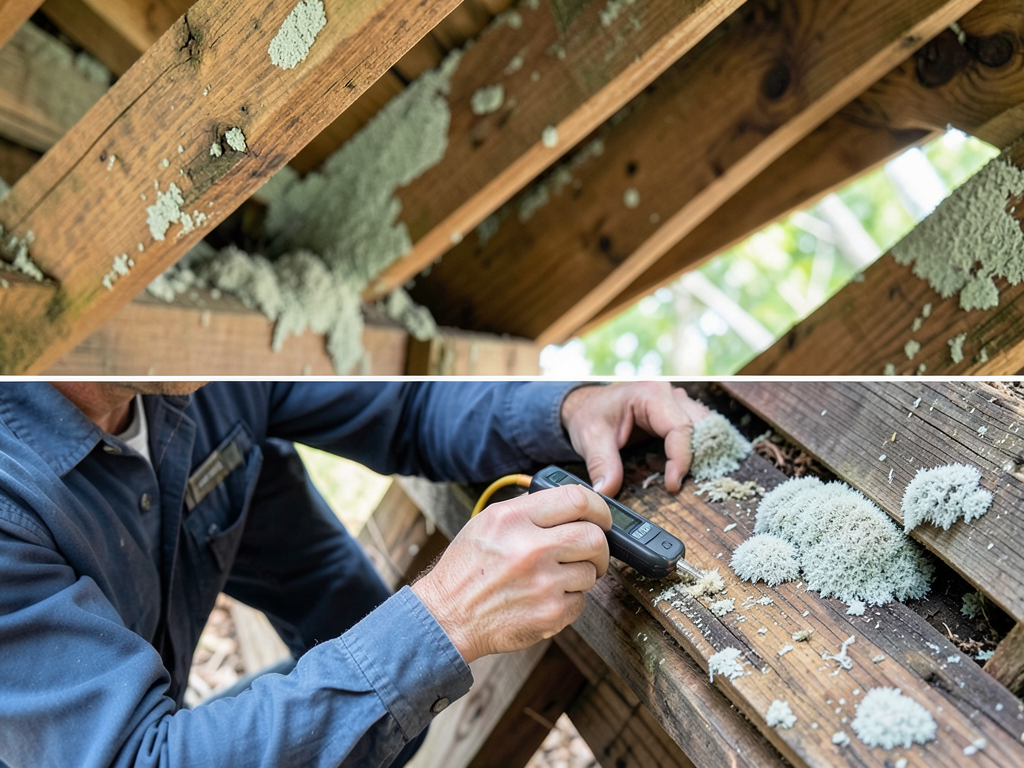
Attic mold looks completely different. Instead of streaks, you’ll see fuzzy patches, spots, or discoloration on the underside of your roof decking. This mold grows when moisture becomes trapped in your attic space, often due to poor ventilation or roof leaks. The key diagnostic clue: exterior stains are cosmetic, but attic mold indicates a structural moisture problem that can compromise your home’s integrity.. Read more about The Best Way to Handle Roof Ventilation for Rowhouses with No Overhangs.
Visual Identification Guide: What You’re Actually Seeing
| Feature | Roof Algae (Gloeocapsa Magma) | Attic Mold |
|---|---|---|
| Color Pattern | Dark streaks, often parallel lines | Irregular spots, blotches, or fuzzy patches |
| Texture | Flat, smooth surface | Fuzzy, raised, or slimy |
| Location | Exterior shingle surface | Underside of roof decking, rafters, insulation |
| Smell | No odor | Musty, damp odor |
| Growth Pattern | Spreads downward with water flow | Grows in moist, stagnant areas |
What Causes Black Stains on Baltimore Area Roofs?
The Chesapeake Bay region’s high humidity creates perfect conditions for roof algae growth. Gloeocapsa magma thrives when relative humidity stays above 70% for extended periods. Towson’s proximity to water bodies and its tree canopy create shaded areas where moisture lingers on shingles. How Much a New Roof Costs in Towson (2026 Estimates).
Modern asphalt shingles contain limestone filler, which the algae consumes as food. Once established, the algae creates a dark UV-resistant coating that actually helps it spread. You’ll notice staining is worst on north-facing slopes and areas under tree cover where sunlight and airflow are limited.
Temperature fluctuations in Towson’s climate also contribute. When warm days follow cool nights, condensation forms on roof surfaces. This moisture, combined with organic debris like leaves and twigs, provides the perfect breeding ground for algae spores.
The Hidden Dangers of Attic Mold
Unlike cosmetic roof stains, attic mold represents a serious structural and health concern. When moisture accumulates in your attic, it creates conditions for mold spores to multiply rapidly. These spores can spread through your home’s ventilation system, affecting indoor air quality.
Common causes of attic moisture in Towson homes include inadequate soffit ventilation, blocked ridge vents, bathroom exhaust fans venting into the attic instead of outside, and roof leaks that go undetected. The Maryland Building Performance Standards require specific ventilation ratios to prevent these issues.
According to the EPA, certain mold species like Stachybotrys chartarum (black mold) can produce mycotoxins that may cause respiratory problems, especially in children, elderly individuals, and those with compromised immune systems. The musty odor often associated with attic mold is actually microbial volatile organic compounds (MVOCs) released by active mold growth. EPA Mold Resources.
The ‘Sniff Test’ and Other Diagnostic Steps
Before calling a professional, you can perform several diagnostic checks to determine what you’re dealing with. Start with the smell test: enter your attic on a warm day and take a deep breath. A damp, earthy odor suggests active mold growth rather than simple staining.
Next, examine your insulation. If it appears discolored, compressed, or has a musty smell, moisture is likely present. Check for water stains on rafters or roof decking – these indicate past or active leaks that could lead to mold growth.
The screwdriver test is particularly revealing: gently press a screwdriver into suspect wood. If it sinks easily or feels soft, the wood may be rotting from moisture damage, a common companion to mold growth. Healthy roof decking should feel solid and firm.
Look for condensation on attic surfaces during humid weather. This moisture is often invisible but can be detected by feeling for dampness on rafters or using a moisture meter. According to the International Residential Code, attics should maintain relative humidity below 60% to prevent mold growth.
Solutions and Prevention: Different Problems Need Different Fixes
If you’ve identified roof algae stains, professional soft washing is your best solution. This process uses low-pressure application of specialized cleaning solutions that kill algae without damaging shingles. Unlike pressure washing, which can strip shingle granules and void warranties, soft washing preserves your roof’s integrity.
Prevention involves improving roof ventilation and reducing shade. Trim tree branches that overhang your roof, ensure gutters are clean and functioning properly, and consider installing zinc or copper strips near the roof peak. These metals release ions during rain that inhibit algae growth. Installing a Metal Roof in Columbia — Is It Worth the Investment?.
Attic mold requires a more comprehensive approach. First, identify and fix the moisture source – this might mean repairing roof leaks, improving attic ventilation, or redirecting bathroom vents. Then, professional mold remediation follows strict protocols outlined in the IICRC S520 standard for mold remediation.
Remediation typically involves containing the affected area, using HEPA filtration to capture airborne spores, removing contaminated materials, and treating remaining surfaces with antimicrobial solutions. The process must address both visible mold and airborne spores to be effective.
Prevention focuses on proper attic ventilation. The Maryland Energy Administration recommends 1 square foot of net free ventilation area for every 150 square feet of attic floor space, with vents placed to allow continuous airflow from soffits to ridge.
Cost Comparison: Cleaning vs. Remediation
| Service Type | Average Towson Cost | Timeline | Long-term Impact |
|---|---|---|---|
| Roof Soft Washing | $400-$800 | 2-4 hours | Extends shingle life 5-10 years |
| Attic Mold Remediation | $2,000-$6,000 | 1-3 days | Restores structural integrity |
| Ventilation Improvement | $800-$2,500 | 1-2 days | Prevents future mold growth |
Why Towson Homes Are Particularly Vulnerable
Towson’s location in Baltimore County creates unique challenges for roof maintenance. The area’s combination of mature tree canopy, humid summers, and historic home construction creates perfect conditions for both algae growth and attic moisture problems.
Many Towson homes were built before modern building codes required specific ventilation standards. These older homes often have inadequate soffit vents, blocked ridge vents, or insulation that was added without proper ventilation planning. The result is trapped moisture that leads to mold growth.
The region’s clay soil also contributes to foundation settling, which can cause roof alignment issues over time. Even slight roof deck sagging creates low spots where water pools, accelerating both algae growth and potential leak development.
According to the National Weather Service, Baltimore County receives an average of 42 inches of rainfall annually, with humidity levels frequently exceeding 70% during summer months. This climate data explains why roof maintenance is particularly important in the Towson area compared to drier regions.
When to Call a Professional: The Red Flags
Certain signs indicate you need immediate professional help. If you notice water stains on your ceiling, sagging roof decking, or a strong musty odor throughout your home, these suggest active moisture problems that require urgent attention.
Visible mold growth covering more than 10 square feet, according to EPA guidelines, should be handled by certified mold remediation professionals. Attempting to clean large mold areas yourself can release millions of spores into your home’s air.
If your energy bills have suddenly increased, this might indicate poor attic ventilation causing your HVAC system to work harder. A professional inspection can identify whether ventilation improvements would provide energy savings while preventing moisture problems.
Don’t wait for visible damage to become severe. Annual roof inspections can catch problems early when they’re less expensive to fix. The cost of prevention is always lower than the cost of major repairs or health issues from mold exposure.
Frequently Asked Questions
Can I just pressure wash my roof to remove the stains?
Pressure washing can damage asphalt shingles by stripping away protective granules, potentially voiding your warranty and shortening your roof’s lifespan. Soft washing uses specialized cleaning solutions and low pressure to safely remove algae without harming your roof.
How long does roof algae treatment last?
Professional soft washing typically keeps your roof algae-free for 2-3 years, though results vary based on your home’s exposure to shade and moisture. Some homeowners in Towson opt for annual treatments to maintain their roof’s appearance.
Is attic mold covered by homeowners insurance?
Coverage depends on the cause. If mold results from a sudden roof leak or burst pipe, many policies cover remediation. However, mold from chronic moisture problems or poor maintenance is typically not covered. Check your specific policy details.
How can I tell if my attic has proper ventilation?
Signs of inadequate ventilation include excessive heat in your attic during summer, ice dam formation in winter, and condensation on attic surfaces. A professional can measure airflow and ensure your ventilation meets current building code requirements.
Should I replace my roof if I have algae stains?
Not necessarily. Algae stains are cosmetic and don’t affect shingle integrity. Professional cleaning is usually sufficient. However, if your roof is also old, damaged, or has other issues beyond staining, replacement might be the better long-term investment. Industrial Roof Replacement.
Take Action Before Small Problems Become Big Expenses
Whether you’re dealing with cosmetic algae stains or concerning attic mold, early identification is crucial. The longer moisture problems persist, the more expensive and extensive the repairs become. Towson’s humid climate means these issues won’t resolve themselves – they’ll only worsen over time.
Don’t let uncertainty about your roof’s condition cost you thousands in preventable damage. A professional inspection can quickly determine whether you’re facing a simple cleaning job or a more serious moisture problem requiring immediate attention.
Call (443) 455-9099 today to schedule your comprehensive roof and attic inspection. Our experienced technicians will identify exactly what you’re dealing with and provide clear recommendations for protecting your home and your family’s health.
Pick up the phone and call (443) 455-9099 before the next storm hits. Maryland’s weather waits for no one, and neither should you when it comes to protecting your most valuable investment.
You may also find this helpful. Why Your Roofer Must Replace Rotted Plywood Decking During a Tear Off in Essex.
{
“@context”: “https://schema.org”,
“@type”: “BlogPosting”,
“headline”: “Identifying the Difference Between Attic Mold and Simple Roof Stains in Towson”,
“description”: “Learn how to tell attic mold from roof stains in Towson homes. Discover diagnostic steps, health risks, and solutions for Baltimore’s humid climate. Call (443) 455-9099.”,
“wordCount”: 1724,
“datePublished”: “2026-05-17T15:14:00.000Z”,
“dateModified”: “2026-05-17T15:14:00.000Z”,
“inLanguage”: “en-US”,
“mainEntityOfPage”: {
“@type”: “WebPage”,
“@id”: “https://aplusroofingbaltimore.com”
},
“publisher”: {
“@type”: “LocalBusiness”,
“name”: “A Plus Roofing Baltimore”,
“url”: “https://aplusroofingbaltimore.com”
},
“author”: {
“@type”: “Organization”,
“name”: “A Plus Roofing Baltimore”,
“url”: “https://aplusroofingbaltimore.com”
},
“image”: {
“@type”: “ImageObject”,
“url”: “https://aplusroofingbaltimore.com/wp-content/uploads/2026/03/identifying-the-difference-between-attic-mold-and-1.png”
}
}
{
“@context”: “https://schema.org”,
“@type”: “RoofingContractor”,
“name”: “A Plus Roofing Baltimore”,
“url”: “https://aplusroofingbaltimore.com”,
“address”: {
“@type”: “PostalAddress”,
“addressLocality”: “Baltimore”
},
“areaServed”: {
“@type”: “City”,
“name”: “Baltimore”
}
}
{
“@context”: “https://schema.org”,
“@type”: “FAQPage”,
“mainEntity”: [
{
“@type”: “Question”,
“name”: “What Causes Black Stains on Baltimore Area Roofs?”,
“acceptedAnswer”: {
“@type”: “Answer”,
“text”: “The Chesapeake Bay region’s high humidity creates perfect conditions for roof algae growth. Gloeocapsa magma thrives when relative humidity stays above 70% for extended periods. Towson’s proximity to water bodies and its tree canopy create shaded areas where moisture lingers on shingles. How Much a New Roof Costs in Towson (2026 Estimates).”
}
},
{
“@type”: “Question”,
“name”: “Can I just pressure wash my roof to remove the stains?”,
“acceptedAnswer”: {
“@type”: “Answer”,
“text”: “Pressure washing can damage asphalt shingles by stripping away protective granules, potentially voiding your warranty and shortening your roof’s lifespan. Soft washing uses specialized cleaning solutions and low pressure to safely remove algae without harming your roof.”
}
},
{
“@type”: “Question”,
“name”: “How long does roof algae treatment last?”,
“acceptedAnswer”: {
“@type”: “Answer”,
“text”: “Professional soft washing typically keeps your roof algae-free for 2-3 years, though results vary based on your home’s exposure to shade and moisture. Some homeowners in Towson opt for annual treatments to maintain their roof’s appearance.”
}
},
{
“@type”: “Question”,
“name”: “Is attic mold covered by homeowners insurance?”,
“acceptedAnswer”: {
“@type”: “Answer”,
“text”: “Coverage depends on the cause. If mold results from a sudden roof leak or burst pipe, many policies cover remediation. However, mold from chronic moisture problems or poor maintenance is typically not covered. Check your specific policy details.”
}
},
{
“@type”: “Question”,
“name”: “How can I tell if my attic has proper ventilation?”,
“acceptedAnswer”: {
“@type”: “Answer”,
“text”: “Signs of inadequate ventilation include excessive heat in your attic during summer, ice dam formation in winter, and condensation on attic surfaces. A professional can measure airflow and ensure your ventilation meets current building code requirements.”
}
},
{
“@type”: “Question”,
“name”: “Should I replace my roof if I have algae stains?”,
“acceptedAnswer”: {
“@type”: “Answer”,
“text”: “Not necessarily. Algae stains are cosmetic and don’t affect shingle integrity. Professional cleaning is usually sufficient. However, if your roof is also old, damaged, or has other issues beyond staining, replacement might be the better long-term investment. Industrial Roof Replacement.”
}
}
]
}
{
“@context”: “https://schema.org”,
“@type”: “BreadcrumbList”,
“itemListElement”: [
{
“@type”: “ListItem”,
“position”: 1,
“name”: “Home”,
“item”: “https://aplusroofingbaltimore.com”
},
{
“@type”: “ListItem”,
“position”: 2,
“name”: “Blog”,
“item”: “https://aplusroofingbaltimore.com/blog”
},
{
“@type”: “ListItem”,
“position”: 3,
“name”: “Identifying the Difference Between Attic Mold and Simple Roof Stains in Towson”
}
]
}
{
“@context”: “https://schema.org”,
“@type”: “Service”,
“serviceType”: “Roofing”,
“provider”: {
“@type”: “LocalBusiness”,
“name”: “A Plus Roofing Baltimore”,
“url”: “https://aplusroofingbaltimore.com”
},
“areaServed”: {
“@type”: “City”,
“name”: “Baltimore”
},
“description”: “Learn how to tell attic mold from roof stains in Towson homes. Discover diagnostic steps, health risks, and solutions for Baltimore’s humid climate. Call (443) 455-9099.”
}