
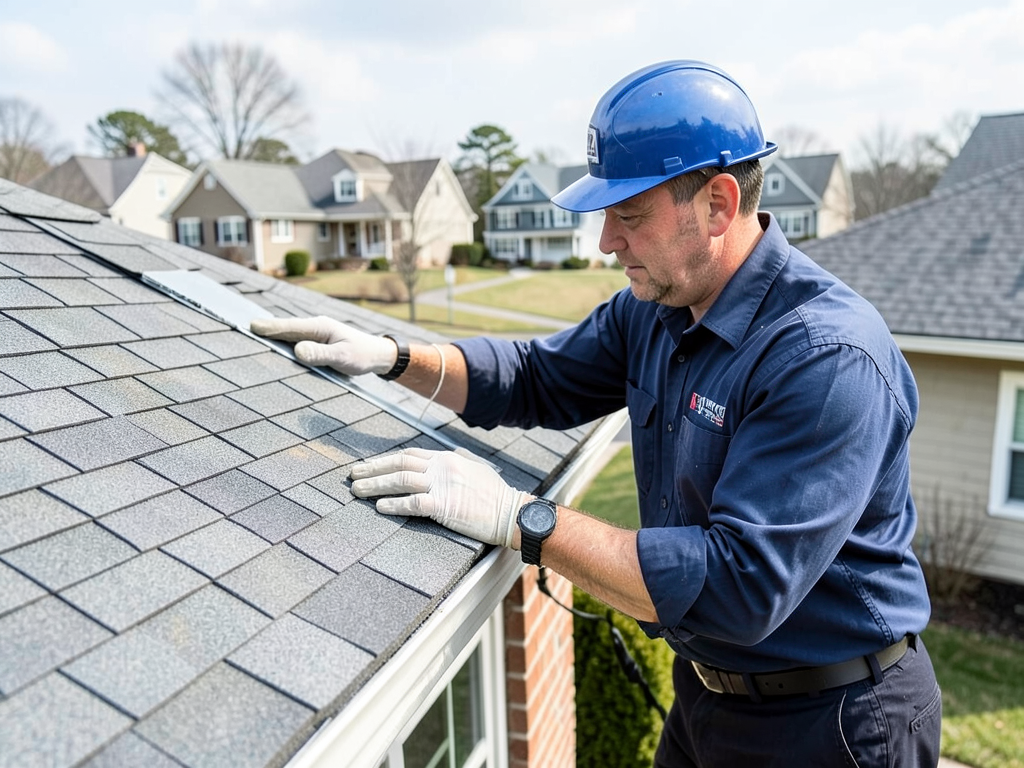
Understanding Owings Mills HOA Roofing Requirements
Owings Mills homeowners face unique challenges when replacing roofs on townhomes and condos. The area’s numerous planned communities enforce strict architectural standards through Homeowners Associations (HOAs) and Architectural Review Committees (ARCs). These requirements exist to maintain property values and ensure visual consistency across neighborhoods like New Town, Garrison Forest, and surrounding developments.
Before starting any roofing project, homeowners must understand that Baltimore County building permits and HOA approvals serve different purposes. County permits ensure structural and safety compliance with Maryland building codes. HOA approvals maintain aesthetic standards and community covenants. Both are mandatory for legal roof replacement in most Owings Mills communities. Flat Roof Repair for Baltimore Rowhouses — What Every Homeowner in Canton Needs to Know.
Common HOA Roofing Material Restrictions in Owings Mills
Owings Mills HOAs typically require specific roofing materials that match existing neighborhood aesthetics. Most associations mandate architectural asphalt shingles rather than 3-tab options, with popular brands including CertainTeed Landmark and GAF Timberline series. These architectural shingles provide better durability and visual appeal that HOAs prefer. Weekend Roofing Service.
Color restrictions vary by community but generally require earth-tone palettes. Common approved colors include weathered wood, driftwood, and various shades of gray and brown. Some HOAs maintain approved color boards that homeowners must reference when selecting materials. New Town Community Association, for example, maintains a specific palette of 12 approved shingle colors.
Material thickness and warranty requirements also factor into HOA decisions. Most associations require shingles with at least 30-year warranties and specific wind resistance ratings. Owens Corning Duration series and CertainTeed Landmark Premium often meet these standards while providing the dimensional appearance HOAs seek.
The ARC Approval Process Step-by-Step
Architectural Review Committee approval represents the most critical step in Owings Mills roofing projects. The process typically takes 14-30 days and requires specific documentation submission. Homeowners must complete ARC application forms available through their HOA management company or community website.
Documentation requirements include detailed site plans showing existing roof dimensions and proposed materials. Contractors must provide manufacturer specification sheets, color samples, and warranty information. Most HOAs require three contractor estimates demonstrating competitive pricing and similar material specifications.
The ARC review process examines material compatibility with neighborhood standards, color coordination with adjacent properties, and contractor licensing verification. Maryland Home Improvement Commission (MHIC) license numbers must appear on all submitted documents. HOAs verify active insurance coverage and check contractor complaint histories through the Maryland Home Improvement Commission database.
Baltimore County Building Permits vs. HOA Approval
Homeowners often misunderstand the relationship between Baltimore County permits and HOA approvals. These represent separate regulatory requirements that both must be satisfied. County permits focus on structural integrity, proper underlayment installation, and compliance with Maryland building codes. HOAs focus on appearance, material selection, and community standards.
Baltimore County requires roofing permits for all replacement projects regardless of HOA status. The county enforces specific underlayment requirements, ice and water shield installation in valleys, and proper flashing techniques. County inspectors verify these technical elements during final inspections. Industrial Roof Replacement.
HOA approval does not substitute for county permits. Projects cannot proceed without both approvals. Some homeowners attempt to bypass HOA requirements, but this creates significant liability. Unauthorized installations may require complete removal and reinstallation at the homeowner’s expense.
Owings Mills Specific Roofing Requirements
Owings Mills’ climate creates specific roofing challenges that HOAs must address. The area experiences high summer humidity, causing shingle buckling if improper ventilation exists. Baltimore County building code requires minimum 1 square foot of net free ventilation area per 150 square feet of attic space.
Winter conditions bring heavy snowfall and ice dam formation. Maryland building codes mandate ice and water shield installation extending at least 24 inches past heated wall lines. This protection prevents water infiltration from melting snow that refreezes at roof edges.
Wind exposure in open areas like Garrison Forest requires enhanced fastening specifications. Baltimore County enforces 6-nail fastening patterns on architectural shingles in wind zones exceeding 90 mph. This requirement exceeds standard manufacturer recommendations for many Owings Mills locations.
Common HOA Bylaw Restrictions
HOA bylaws contain specific restrictions beyond material and color requirements. Most associations prohibit roof-mounted equipment including satellite dishes, solar panels, and HVAC units without ARC approval. These restrictions maintain clean rooflines and uniform appearance.
Height restrictions limit roofing modifications that increase building profiles. Many townhome communities restrict ridge vent installations that would raise roof peaks above original construction heights. This limitation affects ventilation upgrade options for older homes.
Timeline requirements mandate project completion within specific windows. Some HOAs restrict roofing work to spring and fall months to minimize neighborhood disruption. Weekend work often requires special permission due to noise ordinances in residential communities.
Professional Contractor Assistance with HOA Paperwork
Experienced roofing contractors provide valuable assistance navigating HOA requirements. Professional contractors understand local ARC processes and maintain relationships with community management companies. This experience accelerates approval timelines and reduces documentation errors.
Contractors should provide complete ARC submission packages including detailed proposals, material specifications, and warranty documentation. Many contractors maintain pre-approved material lists for major Owings Mills HOAs, reducing approval uncertainty. This preparation demonstrates professionalism that ARC committees appreciate.
Insurance verification represents another critical contractor responsibility. Maryland law requires roofing contractors carry specific liability coverage and workers’ compensation insurance. HOAs verify these coverages before issuing approvals, protecting communities from liability exposure.
Maryland House Bill 322 Impact on HOA Roofing
Maryland House Bill 322, enacted in 2023, limits HOA authority over certain roofing decisions. The law prevents HOAs from restricting solar installations or requiring specific roofing materials that increase costs beyond standard options. This legislation affects how HOAs can regulate energy-efficient roofing choices. How Much a New Roof Costs in Towson (2026 Estimates).
The bill requires HOAs to approve solar installations unless they create safety hazards or violate local building codes. This provision affects homeowners considering solar-ready roofing systems. HOAs cannot mandate removal of solar equipment solely for aesthetic reasons.
Energy efficiency requirements also fall under HB 322 protections. HOAs cannot require materials that reduce energy efficiency below standard levels. This protection affects homeowners selecting cool roof options or enhanced insulation packages.
ARC Application Checklist for Owings Mills Residents
Successful ARC applications require comprehensive documentation. Homeowners should prepare these items before submitting applications to avoid processing delays. Missing documentation represents the most common cause of application rejections.
Required documents include completed ARC application forms, property survey showing roof dimensions, and detailed contractor proposals. Material specification sheets must include manufacturer names, product numbers, and color selections. Warranty documentation should demonstrate compliance with HOA minimum requirements.
Photographic documentation helps ARC committees visualize proposed changes. Include photos of existing roof conditions and sample images of proposed materials in similar applications. Some HOAs require photos of adjacent properties to ensure color coordination.
Common ARC Approval Timeline Factors
ARC approval timelines vary based on several factors. Simple material substitutions typically receive faster approvals than complete roof replacements. Applications requiring structural modifications face longer review periods due to engineering review requirements.
Seasonal factors affect processing times. Summer months bring increased application volumes as homeowners prepare for fall roofing season. ARC committees may take longer to convene during vacation periods, extending approval timelines beyond standard 14-30 day windows.
Application completeness significantly impacts approval speed. Complete applications with all required documentation typically receive decisions within two weeks. Incomplete applications requiring additional information may extend timelines by several weeks.
Working with Multiple Approvals
Some Owings Mills communities require multiple approval levels beyond ARC review. Condo associations often need board approvals in addition to ARC decisions. These additional layers extend approval timelines and require different documentation formats.
Historic district properties face additional restrictions through Baltimore County historic preservation guidelines. These guidelines may limit material choices and require specialized installation techniques. Homeowners must satisfy both historic district requirements and HOA standards.
Commercial properties in mixed-use developments face corporate approval requirements beyond standard ARC processes. These corporate approvals often involve regional architectural standards that supersede local HOA preferences.
Avoiding Common HOA Roofing Mistakes
Homeowners frequently make critical errors when navigating HOA roofing requirements. The most serious mistake involves proceeding without proper approvals. Unauthorized roofing work can result in mandatory removal, fines, and legal action by HOAs.
Material substitution represents another common error. Homeowners select materials that appear similar but fail to meet HOA specifications. These substitutions often require complete roof removal and reinstallation with approved materials.
Timeline mismanagement causes project delays. Homeowners underestimate approval processing times and schedule contractors before receiving approvals. This sequencing creates costly rescheduling fees and potential contract cancellations.
Cost Factors in HOA Roofing Projects
HOA requirements often increase roofing project costs compared to non-HOA properties. Approved material premiums typically range from 15-30% above standard options. These premiums reflect specialized colors, enhanced warranties, and brand preferences required by HOAs.
Documentation costs add to project expenses. Professional ARC application preparation, engineering reviews for structural modifications, and multiple estimate requirements increase pre-project costs. These expenses often range from $500-2,000 depending on project complexity.
Timeline constraints may require premium pricing. Contractors often charge rush fees for accelerated approval processes or weekend work required by HOA scheduling restrictions. These premiums reflect additional labor costs and scheduling challenges.
Emergency Roofing Situations and HOAs
Emergency roofing situations require special handling with HOAs. Storm damage, active leaks, or structural failures may necessitate immediate action before standard approval processes complete. Most HOAs provide emergency provisions for these situations.
Emergency protocols typically require immediate notification to HOA management followed by temporary protective measures. Homeowners must submit formal applications as soon as emergency conditions stabilize. HOAs generally waive standard timelines for verified emergencies but still require post-repair documentation.
Insurance claims involving HOA properties require specific documentation procedures. Most HOAs require insurance company approval before roofing work begins. This requirement ensures proper coverage and prevents disputes over responsibility for repairs.
Building Long-term Relationships with HOAs
Successful roofing projects often depend on building positive relationships with HOA management. Professional communication, complete documentation, and adherence to guidelines demonstrate respect for community standards. These relationships facilitate future projects and expedite approval processes.
Contractors who maintain positive HOA relationships provide better service to homeowners. These contractors understand specific community requirements and maintain current documentation with HOA management companies. This knowledge reduces approval delays and prevents material conflicts.
Community involvement strengthens homeowner positions with HOAs. Attending HOA meetings, participating in architectural review processes, and understanding community priorities helps homeowners navigate requirements more effectively.
Future Trends in HOA Roofing Requirements
HOA roofing requirements continue evolving with technology and environmental concerns. Solar integration represents a growing trend as more HOAs develop specific guidelines for solar-ready roofing systems. These guidelines balance energy efficiency goals with aesthetic requirements.
Energy efficiency standards increasingly influence HOA requirements. Many associations now mandate minimum insulation values and ventilation standards that exceed Baltimore County requirements. These enhanced standards reflect growing awareness of energy costs and environmental impact.
Material technology advances create new approval challenges. Innovative roofing products like solar shingles and green roof systems require HOAs to update guidelines. Forward-thinking associations develop approval processes for these emerging technologies.
Resources for Owings Mills Homeowners
Several resources help homeowners navigate HOA roofing requirements. Baltimore County Department of Permits provides permit information and application forms. The Maryland Home Improvement Commission offers contractor verification services and complaint resolution.
Community associations often maintain online portals with ARC application forms, approved material lists, and guideline documents. New Town Community Association and other major Owings Mills HOAs provide these resources through their management companies.
Professional roofing contractors familiar with Owings Mills HOAs provide valuable guidance. These contractors understand specific community requirements and maintain relationships with HOA management companies. Their experience prevents common mistakes and accelerates approval processes.
Making Your Roofing Project Successful
Successful HOA roofing projects require careful planning and execution. Start the approval process early, allowing 30-60 days for complete processing. Prepare comprehensive documentation and work with experienced contractors familiar with local requirements.
Maintain open communication with HOA management throughout the process. Respond promptly to information requests and provide additional documentation as needed. This responsiveness demonstrates commitment to community standards and facilitates smoother approvals.
Understanding and following HOA requirements prevents costly mistakes and delays. The extra effort required for proper approvals ultimately protects property values and maintains positive community relationships.
Frequently Asked Questions
How long does HOA approval take for roofing projects in Owings Mills?
ARC approval typically takes 14-30 days for standard roofing projects. Complex applications requiring structural modifications may take 45-60 days. Starting the approval process early prevents project delays.
Can I install solar panels on my HOA townhome roof in Owings Mills?
Maryland House Bill 322 prevents HOAs from outright banning solar installations. However, HOAs can require specific installation methods and may limit panel locations to maintain aesthetic standards. Always submit detailed solar proposals for ARC review.
What happens if I install a roof without HOA approval?
Unauthorized installations can result in mandatory removal, fines up to $500 per day, and legal action by the HOA. The HOA may also require professional reinstallation with approved materials at the homeowner’s expense.
Do I need both Baltimore County permits and HOA approval?
Yes, both approvals are mandatory. County permits ensure structural and safety compliance with building codes. HOA approvals maintain community aesthetic standards. Neither approval substitutes for the other.
What are the most common approved shingle colors for Owings Mills HOAs?
Most HOAs approve earth-tone colors including weathered wood, driftwood, various grays, and browns. Specific approved colors vary by community. New Town HOA maintains a palette of 12 approved colors that must be selected from their approved list.
How much do HOA roofing requirements increase project costs?
HOA requirements typically increase roofing costs by 15-30% due to premium material requirements and documentation expenses. Additional costs may include professional application preparation and extended timeline fees.
Can I use my own contractor if they’re not on the HOA’s preferred list?
Most HOAs allow homeowners to select their own contractors if they maintain proper licensing and insurance. The contractor must provide MHIC license verification, insurance certificates, and meet HOA insurance requirements.
What documentation do I need for ARC approval?
ARC applications require completed forms, property surveys, detailed contractor proposals, material specification sheets, warranty documentation, and photos of existing conditions. Some HOAs also require photos of adjacent properties for color coordination review.
Are there specific ventilation requirements for Owings Mills roofs?
Baltimore County requires minimum 1 square foot of net free ventilation per 150 square feet of attic space. Many HOAs require enhanced ventilation standards that exceed county requirements, particularly for homes with complex roof designs.
How do I handle emergency roof repairs with my HOA?
Emergency situations require immediate notification to HOA management followed by temporary protective measures. Submit formal applications as soon as emergency conditions stabilize. Most HOAs provide emergency provisions but still require post-repair documentation.
Can HOAs restrict roof replacement timing?
Yes, many HOAs restrict roofing work to specific seasons or months to minimize neighborhood disruption. Some associations also limit weekend work due to noise ordinances. Always check your HOA’s specific timing restrictions before scheduling.
What if my contractor makes a mistake on the ARC application?
Application errors can cause significant delays or rejections. Work with experienced contractors who understand local ARC processes. If errors occur, correct them immediately and resubmit with explanations. Some HOAs charge resubmission fees for multiple applications.
Ready to Start Your Roofing Project?
Navigating HOA requirements doesn’t have to be overwhelming. Call (443) 455-9099 today to schedule your free consultation. Our experienced team understands Owings Mills HOA requirements and can guide you through the entire approval process. Don’t wait until the next storm hits – pick up the phone and call (443) 455-9099 before your roofing problems get worse.
Additional Resources
For more information about Baltimore County building permits, visit the Baltimore County Department of Permits website. To verify contractor licensing, check the Maryland Home Improvement Commission database.
You may also find this helpful. DaVinci Roofscapes vs Natural Slate for Historic Homes in Lutherville.
{
“@context”: “https://schema.org”,
“@type”: “BlogPosting”,
“headline”: “Navigating HOA Roofing Requirements for Townhomes and Condos in Owings Mills”,
“description”: “Learn how to navigate Owings Mills HOA roofing rules. Understand ARC approvals, material restrictions, and Baltimore County permit requirements before your next roof replacement.”,
“wordCount”: 2623,
“datePublished”: “2026-05-25T08:01:00.000Z”,
“dateModified”: “2026-05-25T08:01:00.000Z”,
“inLanguage”: “en-US”,
“mainEntityOfPage”: {
“@type”: “WebPage”,
“@id”: “https://aplusroofingbaltimore.com”
},
“publisher”: {
“@type”: “LocalBusiness”,
“name”: “A Plus Roofing Baltimore”,
“url”: “https://aplusroofingbaltimore.com”
},
“author”: {
“@type”: “Organization”,
“name”: “A Plus Roofing Baltimore”,
“url”: “https://aplusroofingbaltimore.com”
},
“image”: {
“@type”: “ImageObject”,
“url”: “https://aplusroofingbaltimore.com/wp-content/uploads/2026/03/navigating-hoa-roofing-requirements-for-townhomes-1.png”
}
}
{
“@context”: “https://schema.org”,
“@type”: “RoofingContractor”,
“name”: “A Plus Roofing Baltimore”,
“url”: “https://aplusroofingbaltimore.com”,
“address”: {
“@type”: “PostalAddress”,
“addressLocality”: “Baltimore”
},
“areaServed”: {
“@type”: “City”,
“name”: “Baltimore”
}
}
{
“@context”: “https://schema.org”,
“@type”: “FAQPage”,
“mainEntity”: [
{
“@type”: “Question”,
“name”: “How long does HOA approval take for roofing projects in Owings Mills?”,
“acceptedAnswer”: {
“@type”: “Answer”,
“text”: “ARC approval typically takes 14-30 days for standard roofing projects. Complex applications requiring structural modifications may take 45-60 days. Starting the approval process early prevents project delays.”
}
},
{
“@type”: “Question”,
“name”: “Can I install solar panels on my HOA townhome roof in Owings Mills?”,
“acceptedAnswer”: {
“@type”: “Answer”,
“text”: “Maryland House Bill 322 prevents HOAs from outright banning solar installations. However, HOAs can require specific installation methods and may limit panel locations to maintain aesthetic standards. Always submit detailed solar proposals for ARC review.”
}
},
{
“@type”: “Question”,
“name”: “What happens if I install a roof without HOA approval?”,
“acceptedAnswer”: {
“@type”: “Answer”,
“text”: “Unauthorized installations can result in mandatory removal, fines up to $500 per day, and legal action by the HOA. The HOA may also require professional reinstallation with approved materials at the homeowner’s expense.”
}
},
{
“@type”: “Question”,
“name”: “Do I need both Baltimore County permits and HOA approval?”,
“acceptedAnswer”: {
“@type”: “Answer”,
“text”: “Yes, both approvals are mandatory. County permits ensure structural and safety compliance with building codes. HOA approvals maintain community aesthetic standards. Neither approval substitutes for the other.”
}
},
{
“@type”: “Question”,
“name”: “What are the most common approved shingle colors for Owings Mills HOAs?”,
“acceptedAnswer”: {
“@type”: “Answer”,
“text”: “Most HOAs approve earth-tone colors including weathered wood, driftwood, various grays, and browns. Specific approved colors vary by community. New Town HOA maintains a palette of 12 approved colors that must be selected from their approved list.”
}
},
{
“@type”: “Question”,
“name”: “How much do HOA roofing requirements increase project costs?”,
“acceptedAnswer”: {
“@type”: “Answer”,
“text”: “HOA requirements typically increase roofing costs by 15-30% due to premium material requirements and documentation expenses. Additional costs may include professional application preparation and extended timeline fees.”
}
},
{
“@type”: “Question”,
“name”: “Can I use my own contractor if they’re not on the HOA’s preferred list?”,
“acceptedAnswer”: {
“@type”: “Answer”,
“text”: “Most HOAs allow homeowners to select their own contractors if they maintain proper licensing and insurance. The contractor must provide MHIC license verification, insurance certificates, and meet HOA insurance requirements.”
}
},
{
“@type”: “Question”,
“name”: “What documentation do I need for ARC approval?”,
“acceptedAnswer”: {
“@type”: “Answer”,
“text”: “ARC applications require completed forms, property surveys, detailed contractor proposals, material specification sheets, warranty documentation, and photos of existing conditions. Some HOAs also require photos of adjacent properties for color coordination review.”
}
},
{
“@type”: “Question”,
“name”: “Are there specific ventilation requirements for Owings Mills roofs?”,
“acceptedAnswer”: {
“@type”: “Answer”,
“text”: “Baltimore County requires minimum 1 square foot of net free ventilation per 150 square feet of attic space. Many HOAs require enhanced ventilation standards that exceed county requirements, particularly for homes with complex roof designs.”
}
},
{
“@type”: “Question”,
“name”: “How do I handle emergency roof repairs with my HOA?”,
“acceptedAnswer”: {
“@type”: “Answer”,
“text”: “Emergency situations require immediate notification to HOA management followed by temporary protective measures. Submit formal applications as soon as emergency conditions stabilize. Most HOAs provide emergency provisions but still require post-repair documentation.”
}
},
{
“@type”: “Question”,
“name”: “Can HOAs restrict roof replacement timing?”,
“acceptedAnswer”: {
“@type”: “Answer”,
“text”: “Yes, many HOAs restrict roofing work to specific seasons or months to minimize neighborhood disruption. Some associations also limit weekend work due to noise ordinances. Always check your HOA’s specific timing restrictions before scheduling.”
}
},
{
“@type”: “Question”,
“name”: “What if my contractor makes a mistake on the ARC application?”,
“acceptedAnswer”: {
“@type”: “Answer”,
“text”: “Application errors can cause significant delays or rejections. Work with experienced contractors who understand local ARC processes. If errors occur, correct them immediately and resubmit with explanations. Some HOAs charge resubmission fees for multiple applications.”
}
},
{
“@type”: “Question”,
“name”: “Ready to Start Your Roofing Project?”,
“acceptedAnswer”: {
“@type”: “Answer”,
“text”: “Navigating HOA requirements doesn’t have to be overwhelming. Call (443) 455-9099 today to schedule your free consultation. Our experienced team understands Owings Mills HOA requirements and can guide you through the entire approval process. Don’t wait until the next storm hits – pick up the phone and call (443) 455-9099 before your roofing problems get worse.”
}
}
]
}
{
“@context”: “https://schema.org”,
“@type”: “BreadcrumbList”,
“itemListElement”: [
{
“@type”: “ListItem”,
“position”: 1,
“name”: “Home”,
“item”: “https://aplusroofingbaltimore.com”
},
{
“@type”: “ListItem”,
“position”: 2,
“name”: “Blog”,
“item”: “https://aplusroofingbaltimore.com/blog”
},
{
“@type”: “ListItem”,
“position”: 3,
“name”: “Navigating HOA Roofing Requirements for Townhomes and Condos in Owings Mills”
}
]
}
{
“@context”: “https://schema.org”,
“@type”: “Service”,
“serviceType”: “Roofing”,
“provider”: {
“@type”: “LocalBusiness”,
“name”: “A Plus Roofing Baltimore”,
“url”: “https://aplusroofingbaltimore.com”
},
“areaServed”: {
“@type”: “City”,
“name”: “Baltimore”
},
“description”: “Learn how to navigate Owings Mills HOA roofing rules. Understand ARC approvals, material restrictions, and Baltimore County permit requirements before your next roof replacement.”
}