
Understanding the Difference Between ACV and RCV Roof Policies for Maryland Homeowners
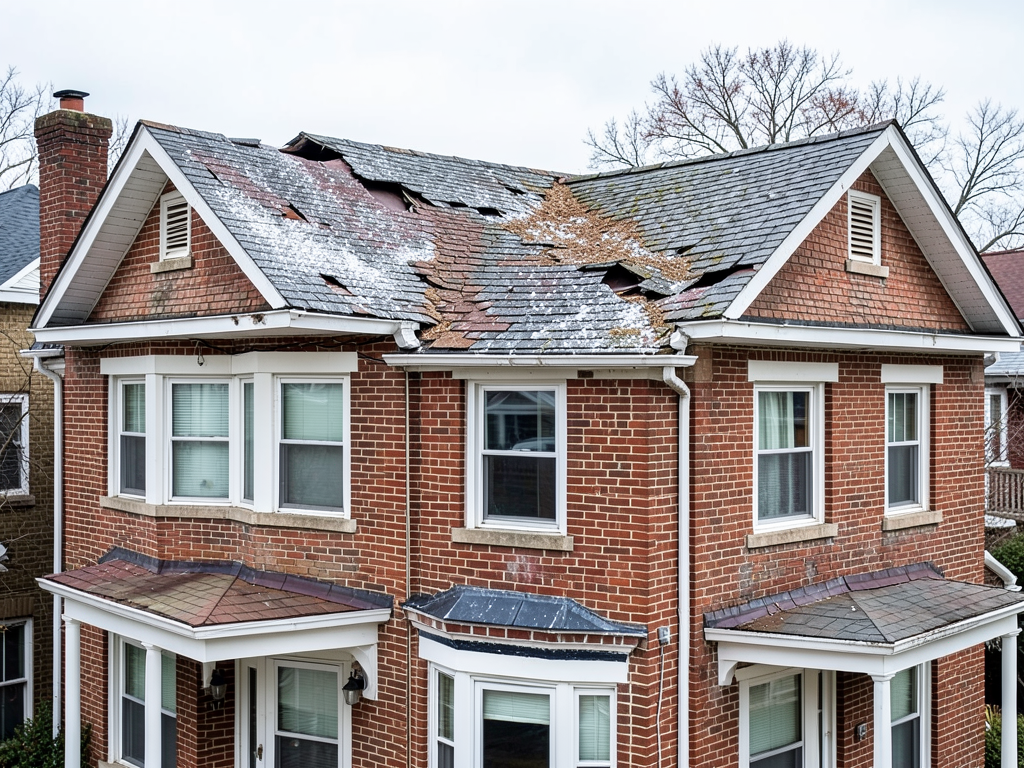
When a storm hits your Baltimore home and damages your roof, the type of insurance policy you have determines whether you’ll get a check for the full replacement cost or just a fraction of it. Many Maryland homeowners don’t discover they have an Actual Cash Value (ACV) policy until filing a claim, leaving them with thousands in unexpected out-of-pocket expenses. Understanding the difference between ACV and Replacement Cost Value (RCV) policies before disaster strikes can save you from financial shock when you need help the most. Maryland Insurance Administration.
What is Actual Cash Value (ACV)?
Actual Cash Value policies pay you what your roof is worth today after accounting for depreciation. Insurance companies calculate ACV by taking the replacement cost and subtracting the roof’s age and wear. A 15-year-old asphalt shingle roof might only be worth 40% of its original cost under an ACV policy, leaving you responsible for the remaining 60%. Industrial Roof Replacement.
Depreciation factors include the roof’s age, material quality, and condition. Baltimore’s humid summers and occasional severe storms accelerate wear on roofing materials. A roof showing curling shingles or granule loss will depreciate faster than one in better condition, even if it’s the same age. Baltimore City Building Inspections.
Under Maryland law, insurance companies must provide clear documentation of how they calculate depreciation. However, many homeowners find the technical depreciation tables confusing and accept settlements without questioning the calculations.. Read more about How Maryland Insurance Laws Protect Your Right to a Matching Roof After a Storm.
What is Replacement Cost Value (RCV)?
Replacement Cost Value policies cover the full cost to replace your damaged roof with similar materials and quality. If your roof costs $15,000 to replace, an RCV policy pays the entire amount minus your deductible. This is the standard coverage most Maryland homeowners expect when they purchase insurance. How Much a New Roof Costs in Towson (2026 Estimates).
RCV policies provide peace of mind by eliminating the depreciation calculation. Whether your roof is brand new or 20 years old, you receive enough to cover replacement costs. This coverage becomes especially valuable in Baltimore, where severe weather events can cause extensive damage requiring complete roof replacement. Flat Roof Repair for Baltimore Rowhouses — What Every Homeowner in Canton Needs to Know.
Most RCV policies include a recoverable depreciation clause. The insurance company initially pays the ACV amount, then sends a second check for the depreciation once you complete repairs and submit receipts. This ensures the work gets done properly and prevents homeowners from pocketing partial payments.
ACV vs. RCV: Key Differences at a Glance
| Factor | Actual Cash Value (ACV) | Replacement Cost Value (RCV) |
|---|---|---|
| Initial Payment | ACV amount only | ACV amount only |
| Depreciation | Subtracted from payout | Recoverable after repairs |
| Total Coverage | Limited by age/wear | Full replacement cost |
| Out-of-Pocket Cost | Often 40-60% of replacement | Only deductible amount |
| Best For | Older roofs, budget policies | New roofs, comprehensive coverage |
The ‘Maryland Factor’: Local Insurance Regulations & Weather
Maryland’s unique weather patterns significantly impact roof damage and insurance claims. The state experiences everything from summer thunderstorms with high winds to winter nor’easters that dump heavy snow. These conditions create different types of damage that affect how insurance companies assess claims.
The Maryland Insurance Administration regulates how insurers handle roof claims. Recent changes require insurers to provide detailed depreciation calculations and allow homeowners to dispute valuation methods. However, many Baltimore residents remain unaware of these protections until facing a claim denial.
Local building codes also affect replacement costs. Baltimore County requires specific underlayment and ice shield installation in certain zones, while the city has unique requirements for rowhouse properties. These code requirements can increase replacement costs by 15-25%, making RCV coverage more valuable for comprehensive protection.. Read more about Can You Replace Only One Slope of Your Shingle Roof in Dundalk?.
Real-World Example: A $20,000 Roof Claim in Baltimore
Consider a Baltimore homeowner with a 12-year-old asphalt shingle roof damaged by hail. The replacement cost is $20,000, and the homeowner has a $1,000 deductible.
Under an ACV policy, the insurance company determines the roof has depreciated 50% due to age and condition. The initial payment would be $9,000 ($20,000 – $10,000 depreciation – $1,000 deductible). The homeowner must pay $11,000 out-of-pocket to replace the roof.
Under an RCV policy, the initial payment is $9,000 (ACV amount). After completing repairs and submitting receipts, the homeowner receives the remaining $10,000 depreciation. Total out-of-pocket cost: only the $1,000 deductible.
This $10,000 difference represents why understanding your policy type matters. Many Baltimore homeowners facing this situation must choose between partial repairs or taking on significant debt for full replacement.
How to Determine Which Policy You Have
Finding your policy type requires checking your insurance documents. The “Declarations Page” of your policy lists your coverage types and limits. Look for terms like “Actual Cash Value,” “Replacement Cost,” or “RCV” next to your roof coverage.
Many policies have mixed coverage where the main structure is RCV but personal property is ACV. Some insurers offer “ACV with upgrade option” where you can pay the depreciation difference to get full replacement coverage.
If you cannot find your policy documents, contact your insurance agent directly. Ask specifically: “Is my roof covered under an ACV or RCV policy?” Get the answer in writing. This simple question could save you thousands when filing a claim.
The Recoverable Depreciation Process Explained
RCV policies with recoverable depreciation follow a specific process. After filing a claim, the insurance company inspects the damage and determines the replacement cost and depreciation amount. They issue an initial payment for the ACV amount minus your deductible.
To receive the depreciation payment, you must complete the repairs with a licensed contractor and submit documentation. This typically includes the contractor’s final invoice, proof of payment, and sometimes before/after photos. The insurance company then releases the remaining funds.
Maryland law requires insurers to clearly explain this process in your policy documents. However, many homeowners find the paperwork requirements confusing. Working with a local roofing contractor familiar with insurance claims can streamline this process and ensure you receive all entitled funds. Weekend Roofing Service.
Frequently Asked Questions
What happens if I can’t afford the out-of-pocket costs under an ACV policy?
Many homeowners facing large out-of-pocket expenses under ACV policies must choose between partial repairs or financing options. Some contractors offer payment plans, while others work with financing companies. However, partial repairs often lead to additional problems and may void manufacturer warranties.. Read more about Why Real Wood Shakes Often Fail in Bel Air (And the Best Synthetic Alternatives).
Can I upgrade my policy from ACV to RCV?
Yes, most insurance companies allow policy upgrades. The cost difference varies by roof age and condition, typically ranging from $100-300 annually for the upgrade. Given the potential $10,000+ savings on a major claim, this upgrade often pays for itself after one severe weather event.
How does roof age affect my claim under an ACV policy?
Insurance companies use depreciation schedules based on expected roof lifespan. For a 20-year shingle roof, they might depreciate 5% per year. A 10-year-old roof would have 50% depreciation, while a 15-year-old roof might have 75%. Some policies include a “knee in the curve” where depreciation accelerates after a certain age.
Should I file a claim for minor roof damage?
Consider the repair cost versus your deductible. If repairs cost $2,000 and your deductible is $1,000, you’ll only receive $1,000 from the insurance company. Additionally, filing claims can increase future premiums. Many Baltimore homeowners handle minor repairs out-of-pocket to avoid these issues.
Making the Right Choice for Your Baltimore Home
Understanding your roof insurance coverage is crucial for Baltimore homeowners. The difference between ACV and RCV policies can mean paying $10,000 or more out-of-pocket when disaster strikes. Review your current policy today, understand your coverage type, and consider upgrading if you have ACV coverage.
Maryland’s weather patterns and building codes make comprehensive roof coverage particularly valuable in this region. Don’t wait until after storm damage to discover you’re underinsured. Take action now to protect your home and your finances.
Call (443) 455-9099 today to schedule your inspection and let our experts help you understand your coverage options. We work with all insurance companies and can help you navigate the claims process if you need to file. Don’t let unexpected roof damage become a financial disaster for your family.
You may also find this helpful. Navigating HOA Roofing Requirements for Townhomes and Condos in Owings Mills.
{
“@context”: “https://schema.org”,
“@type”: “BlogPosting”,
“headline”: “Understanding the Difference Between ACV and RCV Roof Policies for Maryland Homeowners”,
“description”: “Learn how Actual Cash Value (ACV) vs Replacement Cost Value (RCV) roof policies affect your Maryland home insurance claims. Discover local regulations, depreciation calculations, and coverage differences.”,
“wordCount”: 1355,
“datePublished”: “2026-06-08T06:27:00.000Z”,
“dateModified”: “2026-06-08T06:27:00.000Z”,
“inLanguage”: “en-US”,
“mainEntityOfPage”: {
“@type”: “WebPage”,
“@id”: “https://aplusroofingbaltimore.com”
},
“publisher”: {
“@type”: “LocalBusiness”,
“name”: “A Plus Roofing Baltimore”,
“url”: “https://aplusroofingbaltimore.com”
},
“author”: {
“@type”: “Organization”,
“name”: “A Plus Roofing Baltimore”,
“url”: “https://aplusroofingbaltimore.com”
},
“image”: {
“@type”: “ImageObject”,
“url”: “https://aplusroofingbaltimore.com/wp-content/uploads/2026/03/understanding-the-difference-between-acv-and-rcv-r-1.png”
}
}
{
“@context”: “https://schema.org”,
“@type”: “RoofingContractor”,
“name”: “A Plus Roofing Baltimore”,
“url”: “https://aplusroofingbaltimore.com”,
“address”: {
“@type”: “PostalAddress”,
“addressLocality”: “Baltimore”
},
“areaServed”: {
“@type”: “City”,
“name”: “Baltimore”
}
}
{
“@context”: “https://schema.org”,
“@type”: “FAQPage”,
“mainEntity”: [
{
“@type”: “Question”,
“name”: “What is Actual Cash Value (ACV)?”,
“acceptedAnswer”: {
“@type”: “Answer”,
“text”: “Actual Cash Value policies pay you what your roof is worth today after accounting for depreciation. Insurance companies calculate ACV by taking the replacement cost and subtracting the roof’s age and wear. A 15-year-old asphalt shingle roof might only be worth 40% of its original cost under an ACV policy, leaving you responsible for the remaining 60%. Industrial Roof Replacement.”
}
},
{
“@type”: “Question”,
“name”: “What is Replacement Cost Value (RCV)?”,
“acceptedAnswer”: {
“@type”: “Answer”,
“text”: “Replacement Cost Value policies cover the full cost to replace your damaged roof with similar materials and quality. If your roof costs $15,000 to replace, an RCV policy pays the entire amount minus your deductible. This is the standard coverage most Maryland homeowners expect when they purchase insurance. How Much a New Roof Costs in Towson (2026 Estimates).”
}
},
{
“@type”: “Question”,
“name”: “What happens if I can’t afford the out-of-pocket costs under an ACV policy?”,
“acceptedAnswer”: {
“@type”: “Answer”,
“text”: “Many homeowners facing large out-of-pocket expenses under ACV policies must choose between partial repairs or financing options. Some contractors offer payment plans, while others work with financing companies. However, partial repairs often lead to additional problems and may void manufacturer warranties.”
}
},
{
“@type”: “Question”,
“name”: “Can I upgrade my policy from ACV to RCV?”,
“acceptedAnswer”: {
“@type”: “Answer”,
“text”: “Yes, most insurance companies allow policy upgrades. The cost difference varies by roof age and condition, typically ranging from $100-300 annually for the upgrade. Given the potential $10,000+ savings on a major claim, this upgrade often pays for itself after one severe weather event.”
}
},
{
“@type”: “Question”,
“name”: “How does roof age affect my claim under an ACV policy?”,
“acceptedAnswer”: {
“@type”: “Answer”,
“text”: “Insurance companies use depreciation schedules based on expected roof lifespan. For a 20-year shingle roof, they might depreciate 5% per year. A 10-year-old roof would have 50% depreciation, while a 15-year-old roof might have 75%. Some policies include a \”knee in the curve\” where depreciation accelerates after a certain age.”
}
},
{
“@type”: “Question”,
“name”: “Should I file a claim for minor roof damage?”,
“acceptedAnswer”: {
“@type”: “Answer”,
“text”: “Consider the repair cost versus your deductible. If repairs cost $2,000 and your deductible is $1,000, you’ll only receive $1,000 from the insurance company. Additionally, filing claims can increase future premiums. Many Baltimore homeowners handle minor repairs out-of-pocket to avoid these issues.”
}
}
]
}
{
“@context”: “https://schema.org”,
“@type”: “BreadcrumbList”,
“itemListElement”: [
{
“@type”: “ListItem”,
“position”: 1,
“name”: “Home”,
“item”: “https://aplusroofingbaltimore.com”
},
{
“@type”: “ListItem”,
“position”: 2,
“name”: “Blog”,
“item”: “https://aplusroofingbaltimore.com/blog”
},
{
“@type”: “ListItem”,
“position”: 3,
“name”: “Understanding the Difference Between ACV and RCV Roof Policies for Maryland Homeowners”
}
]
}
{
“@context”: “https://schema.org”,
“@type”: “Service”,
“serviceType”: “Roofing”,
“provider”: {
“@type”: “LocalBusiness”,
“name”: “A Plus Roofing Baltimore”,
“url”: “https://aplusroofingbaltimore.com”
},
“areaServed”: {
“@type”: “City”,
“name”: “Baltimore”
},
“description”: “Learn how Actual Cash Value (ACV) vs Replacement Cost Value (RCV) roof policies affect your Maryland home insurance claims. Discover local regulations, depreciation calculations, and coverage differences.”
}