
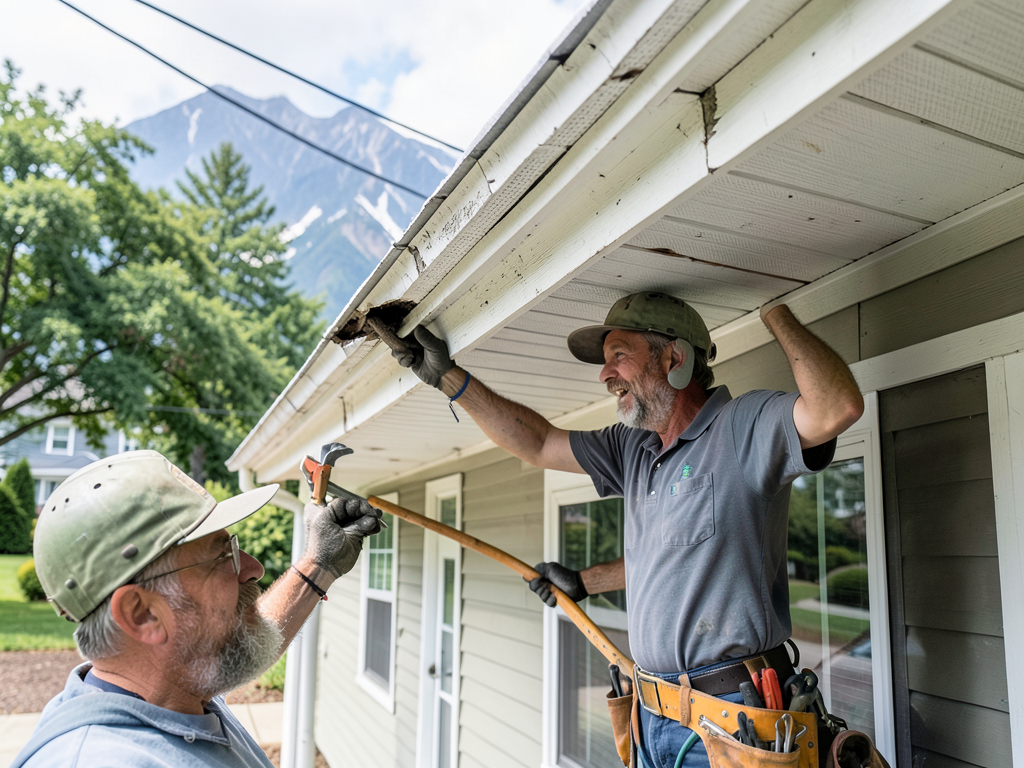
What to Do When Raccoons or Squirrels Tear Up Your Mount Washington Roof
Mount Washington’s mature trees and wooded hillsides create the perfect habitat for raccoons and squirrels, but these animals can cause serious damage to your roof. When you hear scratching in your attic or notice missing shingles, you need to act fast. These pests can tear through roof vents, chew through fascia boards, and create entry points that lead to water damage, mold growth, and costly repairs. This guide shows you exactly what to do when wildlife damages your roof and how to get it fixed properly in Baltimore. Baltimore County Animal Services.
Identifying Common Baltimore Wildlife Roof Damage
Raccoons and squirrels attack roofs in different ways. Raccoons use their strong hands to rip up shingles and pry open soffits. They often target ridge vents and can tear through roof decking to get inside. Squirrels chew constantly to wear down their teeth and will gnaw through wood, aluminum, and even electrical wiring. Both animals leave behind droppings, urine stains, and nesting materials that create health hazards.
In Mount Washington, gray squirrels are the most common culprits. They jump from tree branches onto roofs and find small gaps around chimneys or vents. Raccoons are larger and stronger, often tearing off entire sections of soffit or creating holes big enough to walk through. You might hear thumping, scratching, or chattering sounds coming from your attic, especially at dawn or dusk when these animals are most active.
Why Mount Washington Homes Are Vulnerable
Mount Washington’s location along the Jones Falls Valley creates ideal conditions for wildlife. The area’s mature oak and maple trees provide food and shelter, while the rolling terrain offers numerous nesting sites. Many homes in the area were built between 1920 and 1970 with wood shake or asphalt shingle roofs that are easier for animals to damage than modern materials.
The neighborhood’s proximity to the Cylburn Arboretum and Lake Roland means wildlife populations are high. Homes near the woods or with tree branches overhanging the roof face the greatest risk. Baltimore County Animal Services reports that Mount Washington consistently ranks among the top three neighborhoods for raccoon and squirrel complaints. Flat Roof Repair for Baltimore Rowhouses — What Every Homeowner in Canton Needs to Know.
Immediate Steps After Discovering Animal Damage
If you find a hole in your roof or hear animals inside, do not wait. Water can enter within hours, and the damage will multiply. First, safely inspect from the ground using binoculars to assess the extent of the damage. Look for missing shingles, torn flashing, or holes in the soffit. Do not climb onto the roof yourself if you suspect active animal entry.
Next, contact a professional roofer who handles wildlife damage. Do not seal the entry point until you know all animals are out. Trapping a mother inside while babies remain will create worse problems. A qualified roofer can coordinate with wildlife removal experts to ensure safe, humane removal before making repairs. EPA Mold Information.
Cover any exposed areas with a tarp to prevent water intrusion. Use heavy-duty plastic sheeting and secure it with nails or boards. This is only a temporary measure until professional repairs can be made. Call (443) 455-9099 today to schedule your inspection before the next storm hits.
The Professional Restoration Process
Professional roof repair for wildlife damage follows a specific sequence. First comes a thorough inspection to identify all entry points, damage extent, and any structural issues caused by moisture or animal waste. This inspection includes checking the attic for insulation damage, wiring problems, and ventilation issues.
Structural repairs address the immediate damage. This means replacing torn shingles, repairing or replacing damaged fascia and soffits, and fixing any holes in the roof decking. All repairs must meet Baltimore City building codes, which require proper flashing installation and weather-resistant materials in high-moisture areas.
Wildlife exclusion is the critical final step. This involves installing heavy-gauge metal flashing, repairing or replacing ridge vents with animal-proof models, and sealing all potential entry points with materials animals cannot chew through. The goal is to make your roof impenetrable to future wildlife attempts. Installing a Metal Roof in Columbia — Is It Worth the Investment?.
Common Entry Points and How We Fix Them
Raccoons commonly enter through roof vents, soffit intersections, and chimney areas. We replace standard vents with heavy-duty models that have smaller openings animals cannot squeeze through. For soffit damage, we install new aluminum or vinyl soffits that resist chewing and provide proper ventilation.
Squirrels often enter through small gaps around pipes, vents, or where different roof sections meet. We seal these gaps with galvanized steel mesh or copper flashing that animals cannot gnaw through. For ridge cap damage, we install new ridge vents with built-in animal barriers.
Chimney damage requires special attention. We install chimney caps with mesh screens that keep animals out while allowing proper ventilation. For homes with multiple chimneys or complex roof lines, we may recommend additional flashing or cricket installations to divert water and prevent animal access.
Health and Safety Concerns
Animal damage creates multiple health hazards. Raccoon droppings can carry roundworm, which is dangerous to humans. Squirrel urine and droppings in attics create airborne contaminants. The combination of animal waste and Baltimore’s high humidity creates perfect conditions for mold growth.
We address these concerns by removing all contaminated insulation and sanitizing affected areas. This may involve HEPA vacuuming, antimicrobial treatments, and complete attic restoration. For severe contamination, we recommend professional biohazard cleanup before beginning roof repairs.
Electrical hazards are another serious concern. Squirrels chew through wiring, creating fire risks. During our inspection, we check for damaged wires and recommend electrical repairs by licensed electricians when needed. This comprehensive approach ensures your home is safe and sound.
Insurance Coverage for Wildlife Damage in Maryland
Maryland homeowners insurance typically covers sudden, accidental damage from wildlife, but not damage from rodents or normal wear and tear. Raccoons are usually covered because they are not classified as rodents. Squirrels may be covered depending on your specific policy and the circumstances.
We help document damage with detailed photos and written reports that insurance companies require. This includes showing the entry point, extent of damage, and necessary repairs. We can also provide estimates that clearly separate wildlife damage repairs from any unrelated maintenance issues.
Most policies require you to mitigate further damage, which means temporary tarping and prompt professional repairs. Delays can result in denied claims. We work directly with insurance adjusters to ensure all covered repairs are properly documented and approved.
Prevention Strategies for Mount Washington Homes
Preventing future wildlife damage starts with tree management. Keep tree branches at least six feet from your roof to prevent animals from jumping onto it. This is especially important in Mount Washington where mature trees are common.
Install animal-proof vent covers and chimney caps as preventive measures. These upgrades cost much less than repairing damage after animals have entered. We recommend heavy-duty ridge vents and soffit vents designed specifically to resist wildlife entry.
Regular roof inspections catch small problems before they become major issues. We recommend annual inspections, especially in fall when animals seek winter shelter. Early detection of loose shingles, damaged flashing, or small gaps can prevent expensive repairs later.
Why Professional Repair Matters
DIY repairs often fail because they don’t address the root cause. Simply patching a hole without proper exclusion means animals will just create another entry point. Professional repair includes both structural restoration and wildlife prevention.
We use materials and techniques that meet or exceed Baltimore building codes. This includes proper flashing installation, weather-resistant materials, and ventilation that prevents moisture buildup. Our repairs come with warranties that protect your investment.
Professional repair also includes documentation for insurance and future reference. We provide detailed reports showing what was damaged, how it was repaired, and what preventive measures were installed. This information is valuable for future home sales or insurance claims.
Emergency Response for Active Leaks
When animals create active leaks, every hour counts. Water damage can spread quickly through ceilings, walls, and insulation. We offer emergency tarping services to prevent further damage while permanent repairs are scheduled.
Our emergency response includes 24/7 availability for active leaks. We can usually arrive within hours to assess damage and implement temporary protection. This rapid response minimizes water damage and prevents mold growth that can occur within 24-48 hours of water intrusion.
Emergency repairs may include temporary roof patches, interior ceiling repairs, and moisture extraction from affected areas. We coordinate with water damage restoration specialists when needed to ensure comprehensive damage control.
Serving Mount Washington and Surrounding Baltimore Areas
We provide complete wildlife damage repair throughout Mount Washington, including the 21209 zip code area. Our service area extends to nearby neighborhoods like Roland Park, Cross Keys, and the Falls Road corridor. We understand the specific challenges these areas face due to their wooded locations and older home construction.
Mount Washington’s unique geography, with its steep hills and mature trees, requires specialized equipment and techniques. We use proper safety equipment for working on sloped roofs and have experience with the various architectural styles common in the area, from historic homes to newer constructions.
Our team knows the local building codes and permit requirements for Baltimore County and city work. We handle all necessary permits and inspections to ensure your repairs are fully compliant and properly documented.
Cost Factors and What to Expect
Wildlife damage repair costs vary based on damage extent, roof accessibility, and materials needed. Simple vent repairs might cost a few hundred dollars, while extensive damage requiring structural repairs can cost several thousand. We provide detailed, written estimates before any work begins. How Much a New Roof Costs in Towson (2026 Estimates).
Factors affecting cost include the need for wildlife removal coordination, extent of water damage, and whether insulation or drywall replacement is needed. We break down all costs clearly so you understand exactly what you’re paying for. Industrial Roof Replacement.
Insurance coverage can significantly reduce your out-of-pocket costs. We help you understand what’s covered and work with your insurance company throughout the process. Many homeowners find that professional repair with insurance coverage is more affordable than they expected.
Frequently Asked Questions
How do I know if animals are in my attic?
You might hear scratching, thumping, or chattering sounds, especially at dawn or dusk. Look for droppings in the attic, torn insulation, or visible entry holes on the exterior. A professional inspection can confirm animal presence and identify entry points.
Can I just seal the hole myself?
No. Sealing animals inside creates worse problems and can be illegal. You need to ensure all animals are out before sealing entry points. Professional wildlife removal experts use humane methods to evict animals before repairs begin.
How long does wildlife damage repair take?
Simple repairs might take a few hours, while extensive damage requiring structural repairs can take several days. Emergency tarping can be done immediately, with permanent repairs scheduled as soon as possible. We provide timelines with our estimates.
Will this happen again?
Proper professional repair with wildlife exclusion measures significantly reduces the chance of repeat problems. We install animal-proof materials and seal all potential entry points. Annual inspections help catch any new vulnerabilities before animals can exploit them.
Take Action Now to Protect Your Home
Wildlife damage only gets worse with time. Water intrusion leads to mold, structural damage, and expensive repairs. Don’t wait until a small problem becomes a major disaster. Call (443) 455-9099 today to schedule your professional inspection and get your roof repaired right the first time.
Our team has years of experience handling wildlife damage throughout Mount Washington and Baltimore. We understand the unique challenges of this area and provide comprehensive solutions that address both immediate damage and long-term prevention. Don’t let raccoons or squirrels destroy your roof and compromise your home’s safety.
Pick up the phone and call (443) 455-9099 before the next storm hits. We’ll assess your damage, provide a clear plan for repairs, and help you understand your insurance coverage. Your home deserves professional care from experts who know Baltimore’s wildlife challenges.
{
“@context”: “https://schema.org”,
“@type”: “BlogPosting”,
“headline”: “What to Do When Raccoons or Squirrels Tear Up Your Mount Washington Roof”,
“description”: “Raccoons and squirrels are tearing up roofs across Mount Washington. Learn how to identify damage, stop the destruction, and get professional roof repair in Baltimore.”,
“wordCount”: 2019,
“datePublished”: “2026-03-27T12:00:00.000Z”,
“dateModified”: “2026-03-27T12:00:00.000Z”,
“inLanguage”: “en-US”,
“mainEntityOfPage”: {
“@type”: “WebPage”,
“@id”: “https://aplusroofingbaltimore.com”
},
“publisher”: {
“@type”: “LocalBusiness”,
“name”: “A Plus Roofing Baltimore”,
“url”: “https://aplusroofingbaltimore.com”
},
“author”: {
“@type”: “Organization”,
“name”: “A Plus Roofing Baltimore”,
“url”: “https://aplusroofingbaltimore.com”
},
“image”: {
“@type”: “ImageObject”,
“url”: “https://aplusroofingbaltimore.com/wp-content/uploads/2026/03/what-to-do-when-raccoons-or-squirrels-tear-up-your-1.png”
}
}
{
“@context”: “https://schema.org”,
“@type”: “RoofingContractor”,
“name”: “A Plus Roofing Baltimore”,
“url”: “https://aplusroofingbaltimore.com”,
“address”: {
“@type”: “PostalAddress”,
“addressLocality”: “Baltimore”
},
“areaServed”: {
“@type”: “City”,
“name”: “Baltimore”
}
}
{
“@context”: “https://schema.org”,
“@type”: “FAQPage”,
“mainEntity”: [
{
“@type”: “Question”,
“name”: “How do I know if animals are in my attic?”,
“acceptedAnswer”: {
“@type”: “Answer”,
“text”: “You might hear scratching, thumping, or chattering sounds, especially at dawn or dusk. Look for droppings in the attic, torn insulation, or visible entry holes on the exterior. A professional inspection can confirm animal presence and identify entry points.”
}
},
{
“@type”: “Question”,
“name”: “Can I just seal the hole myself?”,
“acceptedAnswer”: {
“@type”: “Answer”,
“text”: “No. Sealing animals inside creates worse problems and can be illegal. You need to ensure all animals are out before sealing entry points. Professional wildlife removal experts use humane methods to evict animals before repairs begin.”
}
},
{
“@type”: “Question”,
“name”: “How long does wildlife damage repair take?”,
“acceptedAnswer”: {
“@type”: “Answer”,
“text”: “Simple repairs might take a few hours, while extensive damage requiring structural repairs can take several days. Emergency tarping can be done immediately, with permanent repairs scheduled as soon as possible. We provide timelines with our estimates.”
}
},
{
“@type”: “Question”,
“name”: “Will this happen again?”,
“acceptedAnswer”: {
“@type”: “Answer”,
“text”: “Proper professional repair with wildlife exclusion measures significantly reduces the chance of repeat problems. We install animal-proof materials and seal all potential entry points. Annual inspections help catch any new vulnerabilities before animals can exploit them.”
}
}
]
}
{
“@context”: “https://schema.org”,
“@type”: “BreadcrumbList”,
“itemListElement”: [
{
“@type”: “ListItem”,
“position”: 1,
“name”: “Home”,
“item”: “https://aplusroofingbaltimore.com”
},
{
“@type”: “ListItem”,
“position”: 2,
“name”: “Blog”,
“item”: “https://aplusroofingbaltimore.com/blog”
},
{
“@type”: “ListItem”,
“position”: 3,
“name”: “What to Do When Raccoons or Squirrels Tear Up Your Mount Washington Roof”
}
]
}
{
“@context”: “https://schema.org”,
“@type”: “Service”,
“serviceType”: “Roofing”,
“provider”: {
“@type”: “LocalBusiness”,
“name”: “A Plus Roofing Baltimore”,
“url”: “https://aplusroofingbaltimore.com”
},
“areaServed”: {
“@type”: “City”,
“name”: “Baltimore”
},
“description”: “Raccoons and squirrels are tearing up roofs across Mount Washington. Learn how to identify damage, stop the destruction, and get professional roof repair in Baltimore.”
}