
Why Roof Caulk Fails in Pikesville’s Climate While Metal Flashing Provides Permanent Protection
Roof leaks in Pikesville homes often start with a simple mistake: using caulk where flashing belongs. Maryland’s climate swings from freezing winters to humid summers, creating conditions that destroy sealant-based repairs within months. Understanding the difference between these materials determines whether you’ll fix your leak once or fight it repeatedly. EPA mold remediation guidelines.
Metal flashing creates a permanent barrier against water infiltration at critical roof junctions. Flashing consists of galvanized steel, aluminum, or copper sheets installed at roof penetrations, valleys, and wall transitions. These metal pieces direct water away from vulnerable areas through their engineered design. Caulk, however, serves as a flexible sealant for minor gaps and joints, not as a primary waterproofing system. Installing a Metal Roof in Columbia — Is It Worth the Investment?.
The fundamental problem emerges from thermal expansion. Pikesville experiences temperature ranges from 0°F to 100°F annually. Metal flashing expands and contracts at predictable rates, maintaining its seal through these cycles. Silicone and polyurethane caulks lose elasticity after repeated expansion-contraction cycles, creating gaps where water penetrates. Metal Retrofit Roofing.
According to Maryland building codes, roof penetrations require flashing systems that meet International Residential Code standards. Section R903.2 mandates proper flashing at chimneys, vents, and roof-wall intersections. Caulk alone cannot satisfy these requirements, making it a code violation when used as the primary waterproofing method. International Residential Code Section R903.2.
Water follows the path of least resistance. When caulk fails, water enters through the created gaps, travels along roof decking, and causes rot, mold, and structural damage. The cost of replacing rotted decking often exceeds the initial investment in proper flashing installation.. Read more about Stopping Water Seepage Through Cracked Chimney Crowns on Ruxton Estates.
Pikesville’s heavy clay soils create foundation movement that affects roof alignment over time. Flashing systems accommodate this movement through their rigid yet flexible design. Caulk bonds to both surfaces but cannot handle differential movement without breaking its seal.
Ice damming presents another critical failure point for caulk-based repairs. When snow melts and refreezes at roof edges, it creates hydraulic pressure that forces water under shingles. Flashing extends beyond the ice dam zone, while caulk becomes brittle in freezing temperatures and cracks under pressure. Flat Roof Repair for Baltimore Rowhouses — What Every Homeowner in Canton Needs to Know.
What is Roof Flashing? (The Primary Barrier)
Roof flashing functions as the first line of defense against water intrusion at vulnerable roof transitions. Flashing consists of thin metal sheets, typically 26-29 gauge galvanized steel, aluminum, or copper, shaped to direct water away from critical junctions.
Step flashing installs where roofs meet vertical walls, such as chimneys or dormers. Each piece overlaps the previous one, creating a shingled effect that channels water downward. Counter flashing embeds into mortar joints above step flashing, providing a secondary barrier.
Drip edge flashing installs along roof eaves and rakes, preventing water from wicking back under shingles. This component protects fascia boards and prevents rot at roof edges. Valley flashing runs through roof valleys where two roof planes meet, directing water down the valley without allowing it to penetrate the roof deck.
Vent pipe flashing creates a watertight seal around plumbing vents and exhaust pipes. The base flange integrates with surrounding shingles while the upper boot seals around the pipe itself. Chimney flashing systems combine multiple flashing types to protect this complex penetration point.
Material selection impacts longevity. Galvanized steel lasts 20-30 years in Maryland’s climate. Aluminum resists corrosion but may pit in coastal areas. Copper develops a protective patina and lasts 50+ years, making it ideal for historic Pikesville homes.
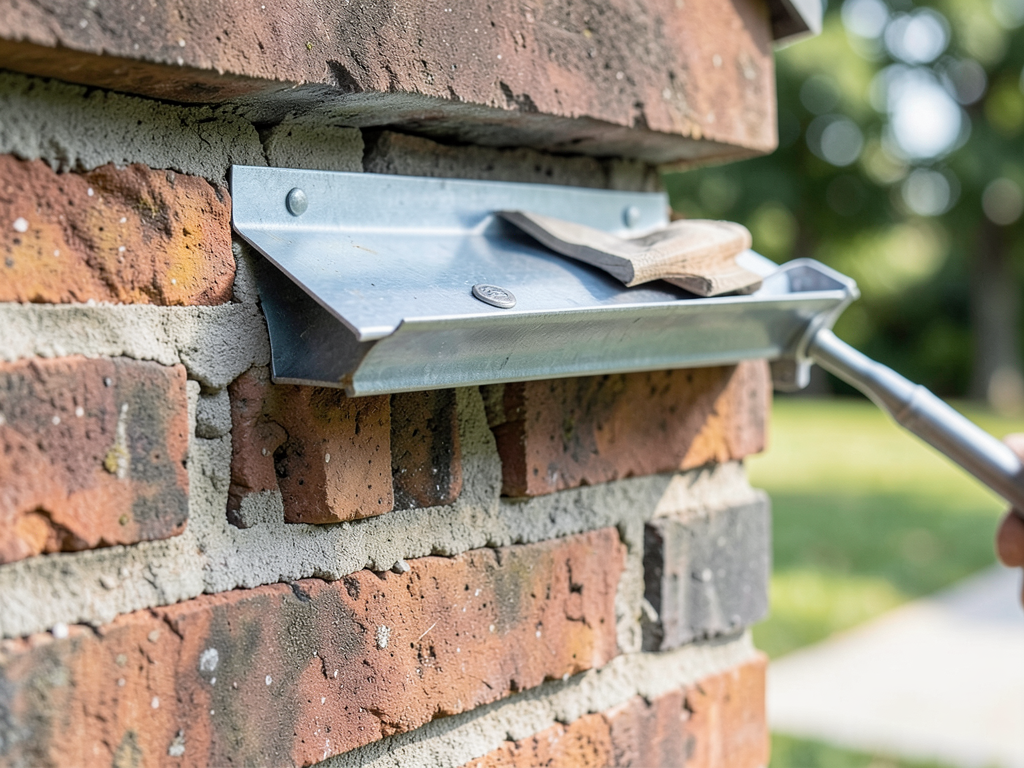
Diagram showing proper step flashing installation at a chimney, with counter flashing embedded in mortar joints and step pieces overlapping like shingles.
What is Roof Caulk? (The Secondary Sealant)
Roof caulk serves as a flexible sealant for minor gaps, not as a primary waterproofing system. Caulk fills small joints between materials that cannot accommodate flashing, such as around window frames or minor roof penetrations. Weekend Roofing Service.
Silicone caulk offers excellent UV resistance and flexibility but lacks the structural strength for heavy water flow. Polyurethane sealants provide better adhesion to various substrates but may become brittle over time. Both materials serve maintenance roles, not structural waterproofing functions.
Caulk application requires clean, dry surfaces for proper adhesion. Temperature affects curing time and final flexibility. Most roof caulks cure within 24-48 hours but reach full strength after 7-14 days. During this period, they remain vulnerable to water intrusion.
The lifespan of roof caulk ranges from 2-5 years in Maryland’s climate. UV exposure, temperature fluctuations, and moisture all accelerate degradation. Once caulk loses elasticity, it cracks and separates from bonded surfaces, creating entry points for water.
Caulk works effectively for these applications: sealing nail heads on new shingles, filling minor gaps around vent boots, touching up existing flashing joints, and sealing roof-mounted equipment bases. Never use caulk as a substitute for missing or damaged flashing.
Key Differences: Durability, Cost, and Application
| Characteristic | Metal Flashing | Roof Caulk |
|---|---|---|
| Lifespan | 20-50 years | 2-5 years |
| Installation Time | 2-4 hours per penetration | 30-60 minutes per area |
| Material Cost | $15-50 per linear foot | $5-15 per tube |
| Water Flow Capacity | High volume handling | Minimal water resistance |
| Code Compliance | Meets IRC requirements | Does not satisfy flashing codes |
| Movement Tolerance | Accommodates structural shifts | Cracks under differential movement |
| UV Resistance | Excellent | Poor to moderate |
| Freeze-Thaw Performance | Maintains integrity | Becomes brittle and cracks |
When to Use Flashing (Mandatory Scenarios)
Building codes require flashing at specific roof locations. Maryland’s adoption of the International Residential Code mandates flashing for all roof penetrations, valleys, and wall intersections. These requirements exist because flashing provides the only reliable long-term waterproofing solution.. Read more about Finding a Permanent Solution for Leaky Porch Conversions in Arbutus.
Chimneys demand comprehensive flashing systems. The intersection between brick and roof creates multiple vulnerable points where water infiltrates. Step flashing along the roof slope, counter flashing embedded in mortar joints, and cricket flashing behind chimneys on slopes over 6:12 pitch all work together to prevent leaks.
Roof valleys channel significant water volume during storms. Without proper valley flashing, water forces its way under shingles, causing rot and interior damage. Open metal valleys or woven valley installations both require metal flashing as the primary waterproofing layer.
Wall and roof intersections create complex water management challenges. Step flashing integrates with wall materials while directing water over the roofing below. This system handles the differential movement between roof and wall structures that occurs seasonally.
Dormer windows, skylights, and other roof-mounted structures all require flashing. These penetrations interrupt the roof plane, creating collection points for water. Flashing systems must extend beyond these structures to prevent ice damming and wind-driven rain infiltration.
Maryland’s heavy snowfall in northern suburbs like Westminster creates ice damming pressure that destroys caulk-based seals. Flashing extends beyond the ice dam zone, maintaining its barrier even when caulk becomes brittle and cracks.
When Caulk is Acceptable (Maintenance and Minor Repairs)
Caulk serves valuable maintenance functions when used appropriately. Small gaps around existing flashing joints benefit from caulk application. The sealant prevents minor water infiltration while the flashing handles the primary waterproofing load.
New shingle installations require sealing exposed nail heads. Roofing cement or specialized nail hole sealants prevent water migration through these penetrations. This represents proper caulk use, not a flashing substitute.
Roof-mounted equipment bases, such as satellite dishes or solar panel mounts, need sealing around their mounting brackets. Caulk fills gaps between brackets and roofing materials, preventing water entry while the mounting hardware provides structural support.
Minor roof repairs sometimes use caulk for temporary protection. Small cracks in existing flashing or minor gaps around vent boots receive caulk applications while permanent repairs schedule. This buys time but never replaces proper flashing installation.
Expansion joints between different roofing materials benefit from caulk sealing. Where metal roof sections meet, or where roofing transitions to different materials, caulk accommodates minor movement while preventing water infiltration through the joint.
Annual roof maintenance includes inspecting and touching up caulk joints. This preventative measure extends the life of existing flashing systems by sealing minor gaps before they become major leaks.
The Baltimore Climate Factor: Why Temperature Fluctuations Matter
Pikesville sits in Maryland’s Piedmont region, experiencing temperature ranges that stress roofing materials. Daily temperature swings of 30-40 degrees Fahrenheit occur year-round, with summer afternoons reaching 90°F and overnight lows dropping to 60°F.
Thermal expansion coefficients differ significantly between materials. Steel expands at 6.5 x 10^-6 per degree Fahrenheit. Aluminum expands at 12.4 x 10^-6 per degree Fahrenheit. Silicone sealants expand at 30-50 x 10^-6 per degree Fahrenheit. This mismatch creates stress at material interfaces.
Summer humidity accelerates caulk degradation. Maryland’s average relative humidity exceeds 70% during summer months. Moisture penetrates caulk during high humidity periods, then expands when temperatures rise. This cycle breaks caulk bonds and creates separation gaps.
Winter freeze-thaw cycles destroy caulk-based seals. When temperatures drop below 32°F, moisture within caulk expands as it freezes. This expansion forces caulk away from bonded surfaces. Repeated freeze-thaw cycles create progressively larger gaps.
Heavy rainfall in Pikesville, averaging 44 inches annually, tests waterproofing systems. Proper flashing handles this volume through its engineered design. Caulk-based systems fail when water volume exceeds the sealant’s capacity to bridge gaps.
Wind-driven rain from Atlantic storms creates horizontal water pressure. Flashing systems direct this pressure downward and away from vulnerable areas. Caulk cannot withstand the hydraulic pressure created by wind-driven rain, especially at roof edges and penetrations.
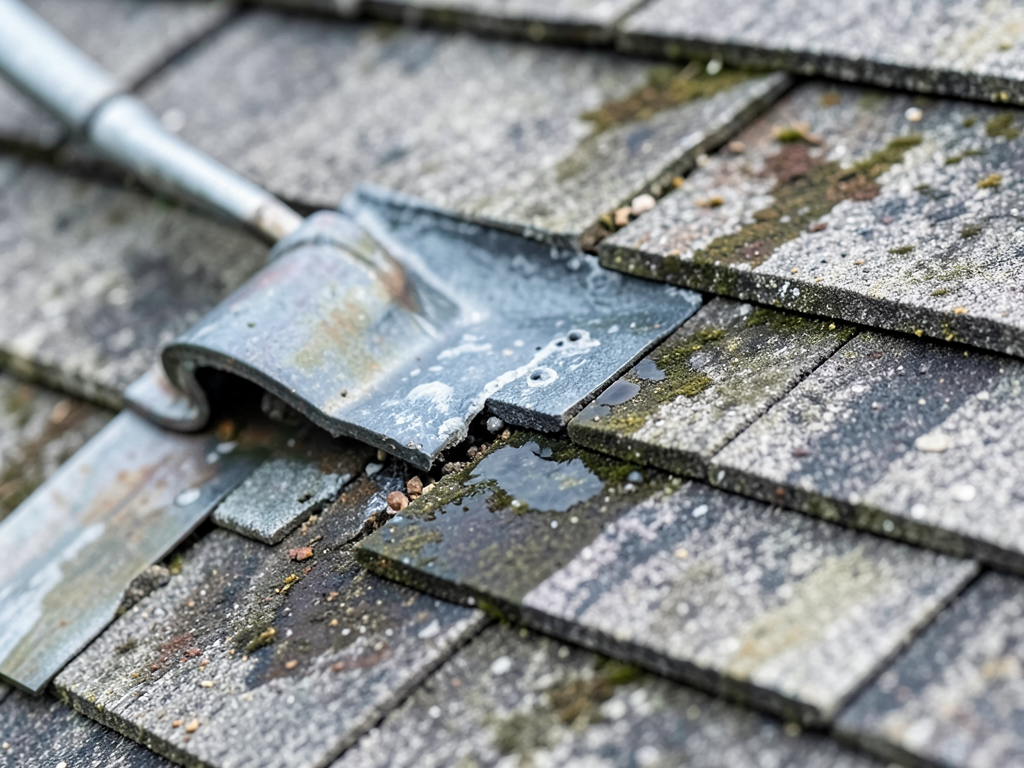
Close-up photo showing failed caulk around a chimney flashing, with visible gaps and water staining on surrounding shingles indicating active leaks.
The Danger of ‘Caulk-Only’ Repairs in Maryland
Homeowners often choose caulk repairs based on immediate cost savings. A tube of caulk costs $5-15 compared to $200-500 for proper flashing installation. This decision typically costs more over time through repeated repairs and water damage. How Much a New Roof Costs in Towson (2026 Estimates).
Water damage from failed caulk repairs creates cascading problems. Once water enters through failed seals, it travels along roof decking, saturating insulation and creating conditions for mold growth. Mold remediation costs often exceed the original flashing installation cost.
Structural damage compounds over time. Water infiltration rots roof decking, destroys fascia boards, and compromises rafters. These repairs require removing large roof sections, making them far more expensive than initial flashing installation.
Insurance companies may deny claims for water damage resulting from improper repairs. If an adjuster determines that caulk-only repairs violated building codes, the homeowner bears full responsibility for repair costs. This creates financial exposure far exceeding the initial repair savings.
Property value suffers from visible repair failures. Potential buyers recognize caulk-based repairs as temporary fixes, reducing their offer amounts or requiring repairs before closing. This market penalty affects home equity and sale timelines.
Repeated leak repairs create homeowner frustration and stress. The cycle of temporary fixes followed by renewed leaks generates anxiety about property damage and repair costs. Professional flashing installation eliminates this stress through permanent solutions.
Maryland’s humid climate accelerates mold growth in water-damaged areas. Once mold establishes in attic spaces, removal requires professional remediation. This process involves containment, removal of affected materials, and prevention measures that cost thousands of dollars.
Conclusion: Best Practices for a Leak-Free Roof
Proper roof maintenance requires understanding material limitations and Maryland’s climate challenges. Metal flashing provides the only permanent solution for roof penetrations, valleys, and wall intersections. Caulk serves maintenance and minor repair functions but cannot replace flashing systems.
Annual roof inspections identify failing caulk joints before they cause damage. Professional roofers check flashing integrity, caulk condition, and overall roof health. Early detection prevents expensive repairs through timely maintenance.
Quality installation determines flashing effectiveness. Proper overlap, correct fastening patterns, and integration with roofing materials create lasting waterproof barriers. Experienced roofers understand local building codes and climate-specific installation techniques.
Material selection impacts long-term performance. Copper flashing costs more initially but lasts decades longer than galvanized steel. For historic Pikesville homes, copper flashing provides authenticity while delivering superior performance.
Don’t wait for leaks to appear. Schedule professional roof inspections before heavy storm seasons. Early problem identification prevents emergency repairs and water damage. A small investment in maintenance prevents large expenses later.
Call (443) 455-9099 today to schedule your roof inspection. Our Baltimore roofing experts identify potential problems before they cause damage. We provide honest assessments and permanent solutions that protect your home for years to come.
Frequently Asked Questions
Can I use caulk to fix a roof leak temporarily?
Yes, caulk provides temporary protection for small gaps around existing flashing or minor roof penetrations. However, caulk-only repairs fail within 2-5 years in Maryland’s climate. Schedule professional flashing installation for permanent waterproofing solutions.
How long does roof flashing last compared to caulk?
Quality metal flashing lasts 20-50 years depending on material. Galvanized steel typically lasts 20-30 years, aluminum 30-40 years, and copper 50+ years. Roof caulk deteriorates within 2-5 years due to UV exposure, temperature fluctuations, and moisture penetration.
Is caulk cheaper than flashing for roof repairs?
Caulk costs less initially, with tubes priced at $5-15 compared to $200-500 for flashing installation. However, caulk-only repairs require frequent reapplication and often cause water damage that costs thousands to repair. Flashing provides better long-term value through permanent protection.
What building codes require flashing instead of caulk?
Maryland’s adoption of the International Residential Code Section R903.2 mandates flashing at all roof penetrations, valleys, and wall intersections. These requirements exist because flashing provides reliable long-term waterproofing that caulk cannot achieve. Code compliance requires proper flashing installation.
How can I tell if my roof needs flashing repair?
Signs include visible rust on metal flashing, separated caulk joints, water stains on ceilings, mold growth in attic spaces, and missing or damaged flashing pieces. Professional roof inspections identify flashing problems before they cause interior damage. Call (443) 455-9099 for expert assessment.
{
“@context”: “https://schema.org”,
“@type”: “BlogPosting”,
“headline”: “Why Using Roof Caulk Instead of Metal Flashing is a Temporary Fix for Pikesville Homes”,
“description”: “Discover why roof caulk fails in Pikesville’s climate and why metal flashing is the only permanent solution. Learn from Baltimore roofing experts.”,
“wordCount”: 2277,
“datePublished”: “2026-05-24T13:36:00.000Z”,
“dateModified”: “2026-05-24T13:36:00.000Z”,
“inLanguage”: “en-US”,
“mainEntityOfPage”: {
“@type”: “WebPage”,
“@id”: “https://aplusroofingbaltimore.com”
},
“publisher”: {
“@type”: “LocalBusiness”,
“name”: “A Plus Roofing Baltimore”,
“url”: “https://aplusroofingbaltimore.com”
},
“author”: {
“@type”: “Organization”,
“name”: “A Plus Roofing Baltimore”,
“url”: “https://aplusroofingbaltimore.com”
},
“image”: {
“@type”: “ImageObject”,
“url”: “https://aplusroofingbaltimore.com/wp-content/uploads/2026/03/why-using-roof-caulk-instead-of-metal-flashing-is-1.png”
}
}
{
“@context”: “https://schema.org”,
“@type”: “RoofingContractor”,
“name”: “A Plus Roofing Baltimore”,
“url”: “https://aplusroofingbaltimore.com”,
“address”: {
“@type”: “PostalAddress”,
“addressLocality”: “Baltimore”
},
“areaServed”: {
“@type”: “City”,
“name”: “Baltimore”
}
}
{
“@context”: “https://schema.org”,
“@type”: “FAQPage”,
“mainEntity”: [
{
“@type”: “Question”,
“name”: “Can I use caulk to fix a roof leak temporarily?”,
“acceptedAnswer”: {
“@type”: “Answer”,
“text”: “Yes, caulk provides temporary protection for small gaps around existing flashing or minor roof penetrations. However, caulk-only repairs fail within 2-5 years in Maryland’s climate. Schedule professional flashing installation for permanent waterproofing solutions.”
}
},
{
“@type”: “Question”,
“name”: “How long does roof flashing last compared to caulk?”,
“acceptedAnswer”: {
“@type”: “Answer”,
“text”: “Quality metal flashing lasts 20-50 years depending on material. Galvanized steel typically lasts 20-30 years, aluminum 30-40 years, and copper 50+ years. Roof caulk deteriorates within 2-5 years due to UV exposure, temperature fluctuations, and moisture penetration.”
}
},
{
“@type”: “Question”,
“name”: “Is caulk cheaper than flashing for roof repairs?”,
“acceptedAnswer”: {
“@type”: “Answer”,
“text”: “Caulk costs less initially, with tubes priced at $5-15 compared to $200-500 for flashing installation. However, caulk-only repairs require frequent reapplication and often cause water damage that costs thousands to repair. Flashing provides better long-term value through permanent protection.”
}
},
{
“@type”: “Question”,
“name”: “What building codes require flashing instead of caulk?”,
“acceptedAnswer”: {
“@type”: “Answer”,
“text”: “Maryland’s adoption of the International Residential Code Section R903.2 mandates flashing at all roof penetrations, valleys, and wall intersections. These requirements exist because flashing provides reliable long-term waterproofing that caulk cannot achieve. Code compliance requires proper flashing installation.”
}
},
{
“@type”: “Question”,
“name”: “How can I tell if my roof needs flashing repair?”,
“acceptedAnswer”: {
“@type”: “Answer”,
“text”: “Signs include visible rust on metal flashing, separated caulk joints, water stains on ceilings, mold growth in attic spaces, and missing or damaged flashing pieces. Professional roof inspections identify flashing problems before they cause interior damage. Call (443) 455-9099 for expert assessment.”
}
}
]
}
{
“@context”: “https://schema.org”,
“@type”: “BreadcrumbList”,
“itemListElement”: [
{
“@type”: “ListItem”,
“position”: 1,
“name”: “Home”,
“item”: “https://aplusroofingbaltimore.com”
},
{
“@type”: “ListItem”,
“position”: 2,
“name”: “Blog”,
“item”: “https://aplusroofingbaltimore.com/blog”
},
{
“@type”: “ListItem”,
“position”: 3,
“name”: “Why Using Roof Caulk Instead of Metal Flashing is a Temporary Fix for Pikesville Homes”
}
]
}
{
“@context”: “https://schema.org”,
“@type”: “Service”,
“serviceType”: “Roofing”,
“provider”: {
“@type”: “LocalBusiness”,
“name”: “A Plus Roofing Baltimore”,
“url”: “https://aplusroofingbaltimore.com”
},
“areaServed”: {
“@type”: “City”,
“name”: “Baltimore”
},
“description”: “Discover why roof caulk fails in Pikesville’s climate and why metal flashing is the only permanent solution. Learn from Baltimore roofing experts.”
}