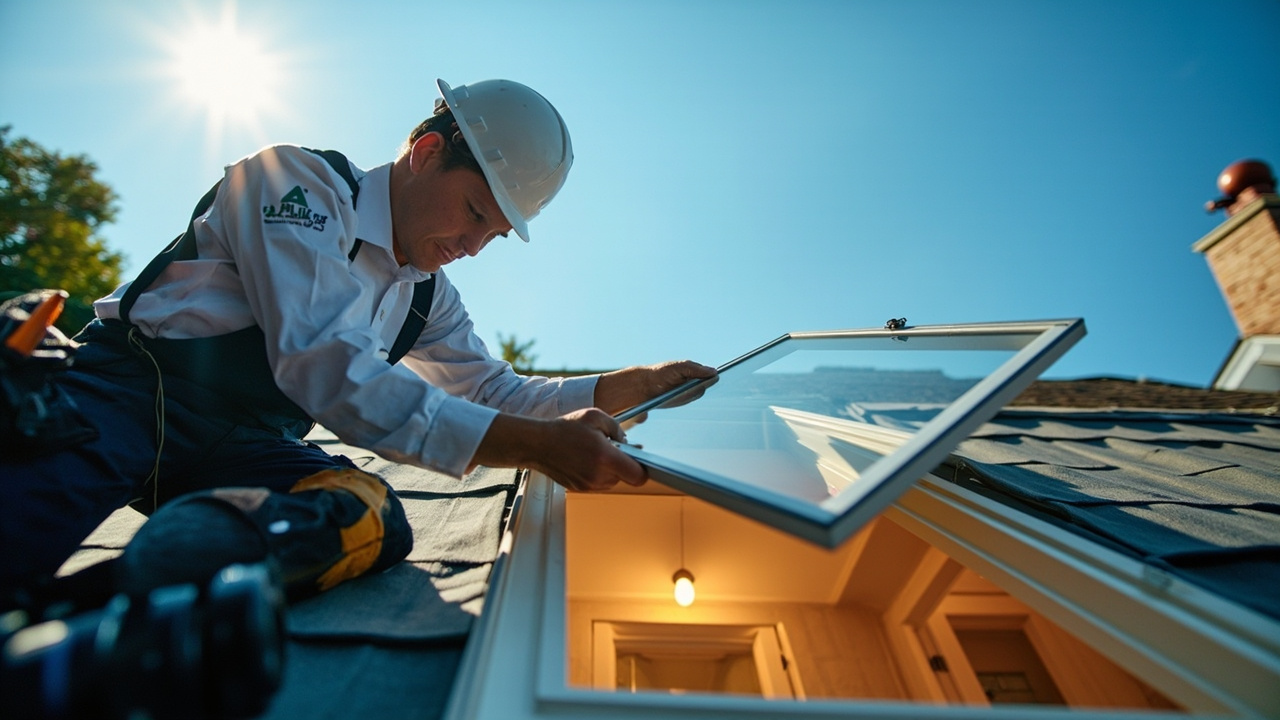

Baltimore's row home construction creates unique skylight challenges. Shared walls mean roof access is limited, and installing skylights on rear roof slopes requires navigating narrow spaces between buildings. Many row homes have flat or low-slope rear additions where traditional curb-mounted skylights work better than deck-mounted units. The shallow roof pitch on these additions demands careful flashing design to prevent water from backing up under shingles during heavy rain. Skylight specialists familiar with Baltimore's residential architecture understand these constraints and select installation methods that work within the physical limitations of attached housing.
The Baltimore City Historic Preservation Commission reviews skylight installations in designated historic districts. Certain neighborhoods require that skylights remain invisible from the street, limiting placement to rear roof slopes. Some districts prohibit skylights entirely on front-facing roofs. Roof window services operating in Baltimore know these regulations before proposing installation locations. We also understand the Maryland Historical Trust's standards for properties listed on state or national historic registers. This knowledge prevents costly redesigns after you have invested time in planning a project that cannot receive approval.