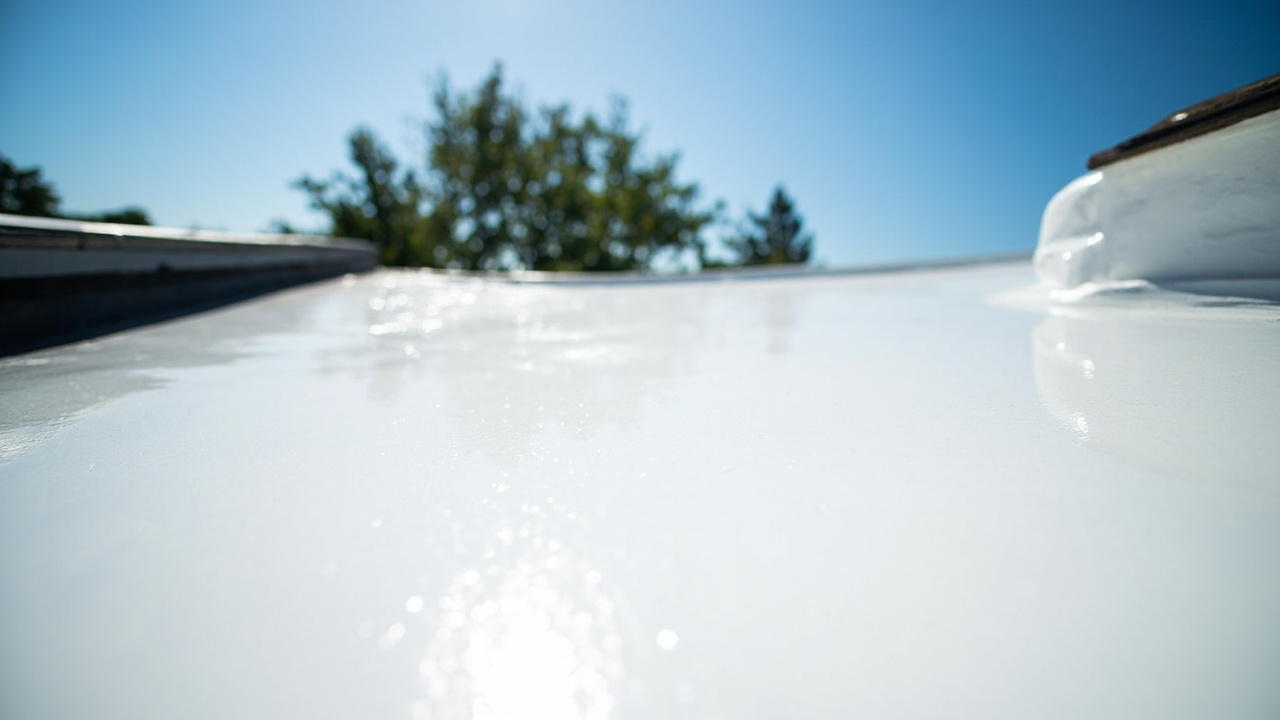
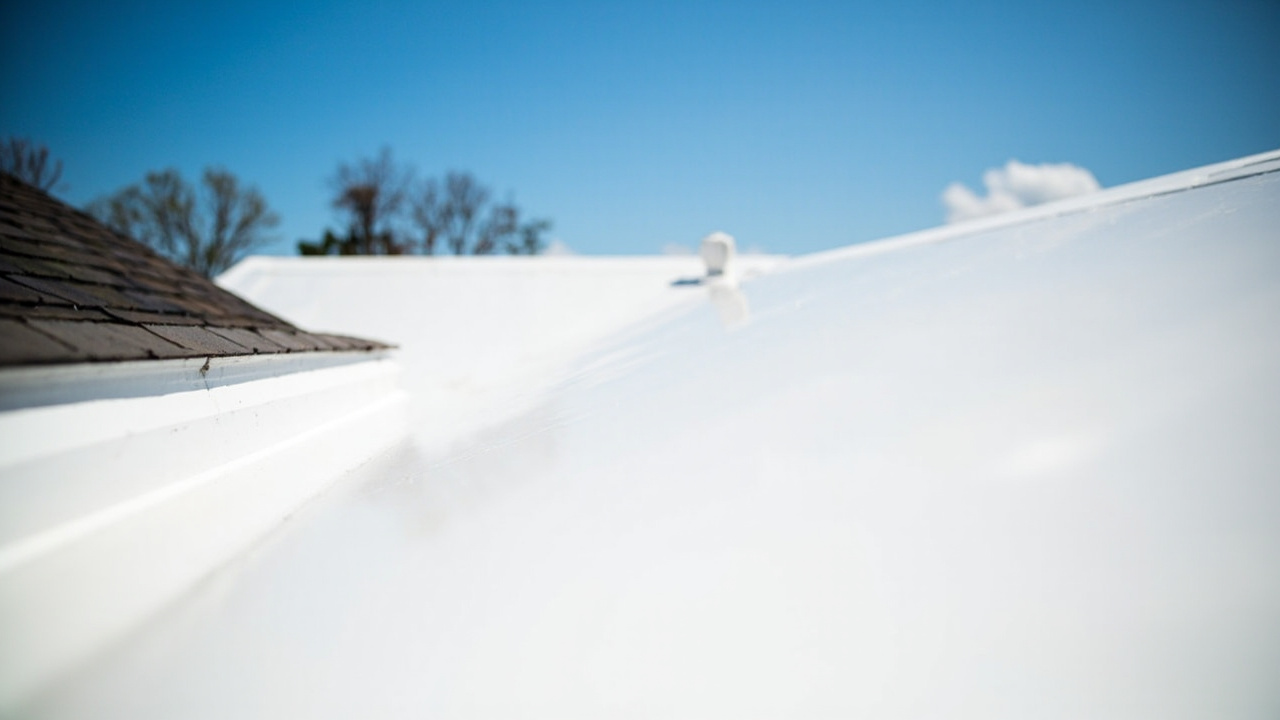
Baltimore experiences significant urban heat island effects, with downtown core temperatures running 5 to 8 degrees hotter than surrounding suburban areas during summer months. Concentrated development, extensive pavement, and thousands of dark roofs absorb and trap solar radiation. This heat intensifies overnight as buildings and streets release stored thermal energy, preventing natural cooling. Neighborhoods like Fells Point and Harbor East see the most severe effects due to dense construction and limited tree canopy. Cool roofing advantages multiply in these urban environments. Each reflective roof installation reduces localized temperatures, cutting energy demand and improving outdoor air quality by reducing smog formation that occurs at elevated temperatures.
A Plus Roofing Baltimore has installed cool roofing systems across every city neighborhood and surrounding county jurisdiction. We understand how local building codes affect material selection, particularly in historic districts where architectural review boards scrutinize color and material choices. Our team navigates Baltimore City permit requirements and inspection procedures efficiently, preventing delays that extend project timelines. We also maintain current knowledge of Maryland energy code requirements, which have grown stricter as the state pursues greenhouse gas reduction targets. Choosing a contractor with deep local experience ensures your cool roof project meets all regulatory requirements while delivering maximum energy savings for Baltimore's specific climate conditions.